
In their Sunday, June 30 edition, the Richmond Times-Dispatch ran an article by Malcolm Venable entitled “Hail To The Hipsters.” Its basic theme is that Richmond’s undergoing a “cultural renaissance,” which is either spurred by or leading to an influx of “hipsters” around town. It then proceeds to define the term “hipster” with a series of harmless but frustratingly narrow stereotypes referencing all the usual touchstones we’ve seen in hipster-related thinkpieces over the past decade, everywhere from New York Magazine to Adbusters to The New York Times.
In their Sunday, June 30 edition, the Richmond Times-Dispatch ran an article by Malcolm Venable entitled “Hail To The Hipsters.” Its basic theme is that Richmond’s undergoing a “cultural renaissance,” which is either spurred by or leading to an influx of “hipsters” around town. It then proceeds to define the term “hipster” with a series of harmless but frustratingly narrow stereotypes referencing all the usual touchstones we’ve seen in hipster-related thinkpieces over the past decade, everywhere from New York Magazine to Adbusters to The New York Times.
Some of those think pieces (hello Adbusters) have been very negative, but Venable takes a positive tone in his article. Nonetheless, this kind of reductive analysis, encouraging the generic labeling of a wide variety of youthful citizens of our fair city, can be offensive to those who find themselves categorized and dismissed in such a fashion. Local photographer/blogger Brian McDaniel touches on this in a quote that shows up towards the end of Venable’s article. “It stings,” he says. “I hate being called a hipster.”
He’s hardly alone. As soon as this piece hit the internet, it was all over my facebook feed, drawing reactions that ranged from amused to derisive to downright upset. My first instinct was similar. I felt annoyed to see the thriving, vital, artistic and creative youth culture of this city reduced to a half-baked stereotype. I thought the many amazing artists, musicians, and other creative young people that I encounter every day here in RVA were deserving of a bit more individual attention and respect than they get from this article.
But as I continued to read the article, I found myself considering the source. If you’re a typical RVA Mag reader, you’re under 40 and live within the Richmond city limits. You are interested in the local art and music scene, you check out locally-focused cultural events on a regular basis, and a portion of your disposable income goes towards music, movies, and fashion. You don’t need to have the local cultural scene explained to you. Not only do you know about it, you’re playing an active role in shaping it. None of this is true of the typical Richmond Times-Dispatch reader.
As the oldest and longest-running periodical in the area, popular in the business community and possessing a rather conservative political outlook, the Richmond Times-Dispatch is the paper of families that live in the suburbs. I don’t have demographic surveys on hand, but I think its safe to say that its typical readers are not as involved in the local artistic and cultural scene as most of you who are reading this article right now. This helps to explain why their readers need a Discovery Channel-style “the hipster in his natural habitat” article to understand RVA’s modern youth culture.
And the article is right–Richmond is undergoing a cultural renaissance of sorts right now. Some recent initiatives to rebrand RVA as an artistic city have been very successful–from the Downtown Arts District and First Friday to the Richmond Street Art Festival and the G40/Richmond Mural Project, we’re seeing the city get behind local art in a major way. Then there’s the thriving nightlife along West Broad St. and in the VCU area, as well as the continually growing scene around Carytown, the ongoing result of homegrown initiatives from local small businesses. Even the local art and music scene, which has been vital and engaging for decades, is currently more thriving and multifaceted than ever.
Unlike past years, when the city’s art and music scene could slip under the radar, the readers of the Richmond Times-Dispatch can’t ignore us anymore. But they don’t understand what they’re seeing around town. They need a guy like Malcolm Venable, who has a significant resume on his own behalf (he’s written about art and music for Vibe, Time Out NY, Interview, and GQ, as well as a variety of VA-based publications), to explain it to them. They need an explanation for why local coffee shops and unique restaurants are so popular, and why the people who hang out at them dress so unusually and listen to such weird music. They want to know where all this emphasis on street art and nightlife came from.
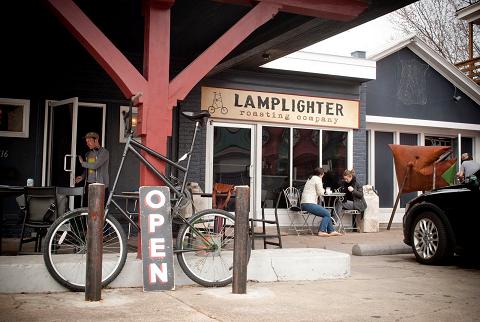
In his attempt to shed some light on what’s happening to their city, Malcolm Venable tells the RTD’s readers that they should be glad to see all these “hipsters” popping up around town. Yeah, he throws around the sorts of stereotypes that we’re all sick of hearing about–PBR, tattoos, irony–but he also emphasizes the same positive aspects of the thriving local youth culture that I’ve spent the past few paragraphs extolling. “The same insistence on DIY and local [culture] that’s sometimes lampooned is, in fact, creating business — and getting people jobs. [The Well owner Chris] Ramming thinks people — city leaders, especially — might do well to pay more attention to this cultural shift.” He goes on to mention that “at least 35 jobs exist in Richmond now thanks to Lamplighter Roasting Co., a coffee shop just east of Carytown.”
The primary message this article sends to Richmond’s middle-aged, middle-class suburbanites is that the growth of youth culture in Richmond is not something to hate, fear, or crack down on–instead, it represents an opportunity to create economic and cultural capital in the RVA metropolitan area by encouraging further artistic and creative growth. Venable makes this exact point towards the end of his article: “At its core,” he says, “rejecting mainstream”–being a “hipster”–“isn’t just about appearances. It’s really about doing something — starting projects and businesses — such as The Well, Lamplighter or the punk thrift boutique Rumors — that reflects what America is truly about: entrepreneurial spirit, passion, taking care of your community.” He then quotes Lamplighter’s Noelle Archibald: “Small businesses that are worker-owned and passionate are exactly what our city and country need.” The Well’s Chris Ramming chimes in: “There are a lot of cool people here [in Richmond] doing good things.” I doubt anyone reading this article would disagree with those statements.
Venable’s reliance on overly reductive stereotypes for his article is frustrating and unfair–I won’t deny that. And it adds a condescending undertone to his attempt at a positive portrayal of local youth culture. But ultimately, the appearance of “Hail To The Hipsters” within the pages of the Richmond Times-Dispatch is a sign that the older generation of Richmonders are starting to recognize the changing cultural landscape. They’re learning that this is our city too, and we’re not going away. If anything, rather than being insulted by this article, maybe we should be flattered by it.