
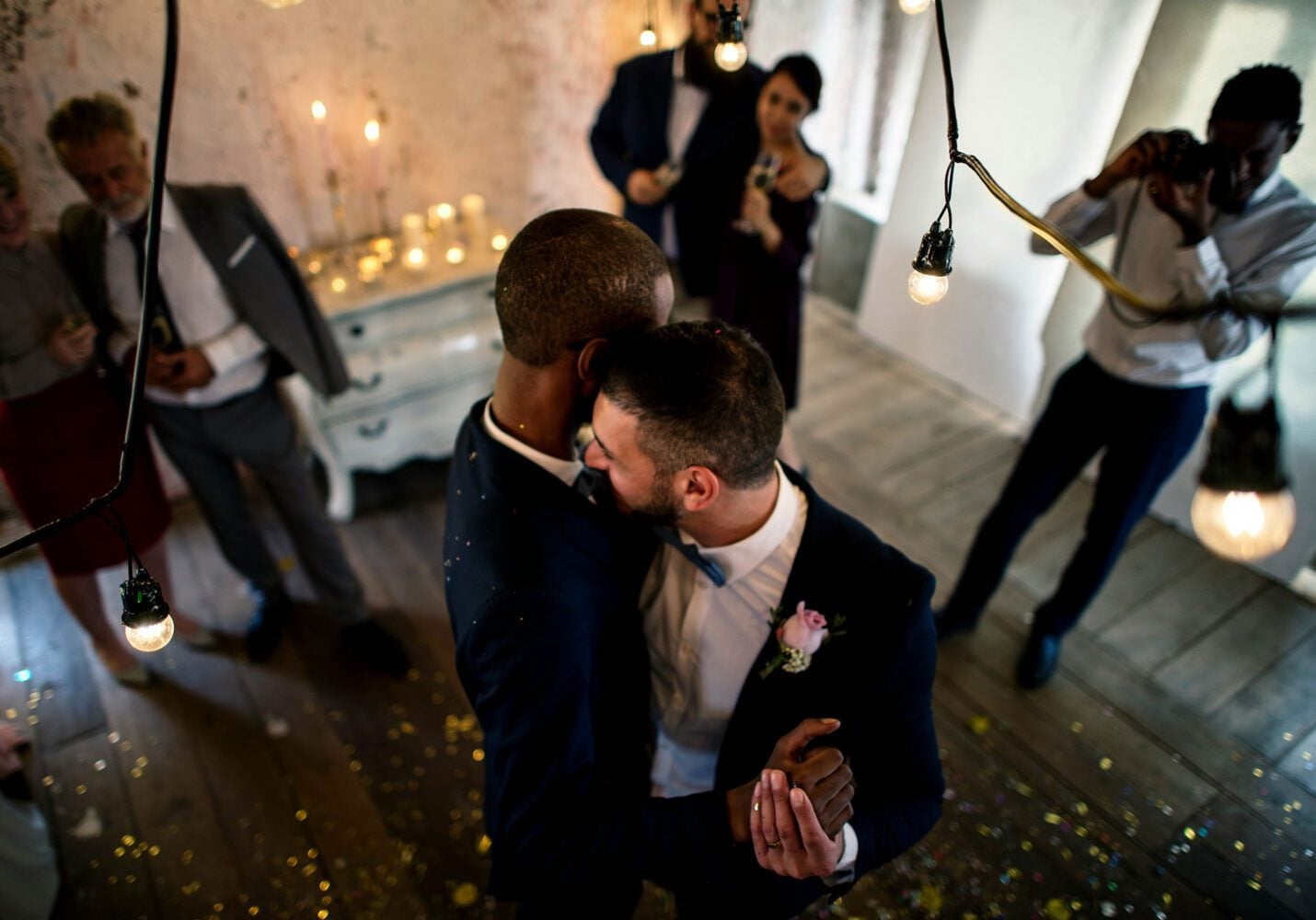
Nearly a decade after refusing to issue marriage licenses to same-sex couples, former Kentucky county clerk Kim Davis is back in the headlines and this time, she’s asking the U.S. Supreme Court to overturn Obergefell v. Hodges, the 2015 ruling that made marriage equality the law of the land.
In 2015, Davis defied the court’s decision and ordered her staff not to issue marriage licenses to same-sex couples. Among those turned away were David Ermold and David Moore, who later sued for emotional distress. They won in 2022, when a jury awarded them damages after Davis was found liable for violating their constitutional rights.
Last month, Davis filed what’s known as a “cert petition” a request for the Supreme Court to review her case (David Ermold v. Kim Davis). In that petition, her lawyers went beyond the personal legal dispute, urging the justices to use her case to strike down Obergefell altogether.
The Odds of Success Are Slim, But the Signal Is Clear
The Supreme Court receives thousands of petitions each year and agrees to hear fewer than 100. Legal experts say there are many procedural and substantive reasons why Davis’s request is unlikely to be granted. Still, the fact that this challenge is being made in a political climate where other long-settled rights have been rolled back is enough to put advocates on alert.
Virginia’s Marriage Equality Push
In Virginia, advocates aren’t waiting to see how the courts might rule. Our state constitution still contains a 2006 amendment banning same-sex marriage, a relic made unenforceable by Obergefell but still on the books. If Obergefellwere overturned, that ban could snap back into place.
That’s why earlier this year, the General Assembly passed HJ 9, sponsored by Delegate Mark Sickles, and SJ 249, sponsored by Senator Adam Ebbin, the first step toward amending Virginia’s constitution to remove the ban and replace it with an affirmative right to marry for all Virginians, regardless of race, sex, or gender.
Because Virginia’s constitution can only be amended through voter approval, the General Assembly must pass these resolutions again in 2026. Only then will the question go to the ballot, giving Virginians the chance to permanently protect marriage equality in the state.
Federal Safeguards and Their Limits
On the national level, the Respect for Marriage Act, signed by President Biden in 2022, requires all states to recognize legal marriages of same-sex and interracial couples performed in other states. However, without constitutional or state-level protections, the practical ability to marry in Virginia could be threatened if Obergefell were overturned.
Why This Matters Now
The Kim Davis petition is a reminder that hard-won rights aren’t necessarily permanent. For Virginians, the stakes are clear: even if the Supreme Court never takes up Davis’s case, the possibility of a rollback exists. The ongoing effort to amend Virginia’s constitution is a proactive step, one that will ultimately be decided by voters.
Photo by Getty Images
Support RVA Magazine. Support independent media in Richmond.
In a world where corporations and wealthy individuals now shape much of our media landscape, RVA Magazine remains fiercely independent, amplifying the voices of Richmond’s artists, musicians, and community. Since 2005, we’ve been dedicated to authentic, grassroots storytelling that highlights the people and culture shaping our city.
But we can’t do this without you. A small donation, even as little as $2 – one-time or recurring – helps us continue to produce honest, local coverage free from outside interference. Every dollar makes a difference. Your support keeps us going and keeps RVA’s creative spirit alive. Thank you for standing with independent media. DONATE HERE.
Also, you can show your support by purchasing our merch HERE.