
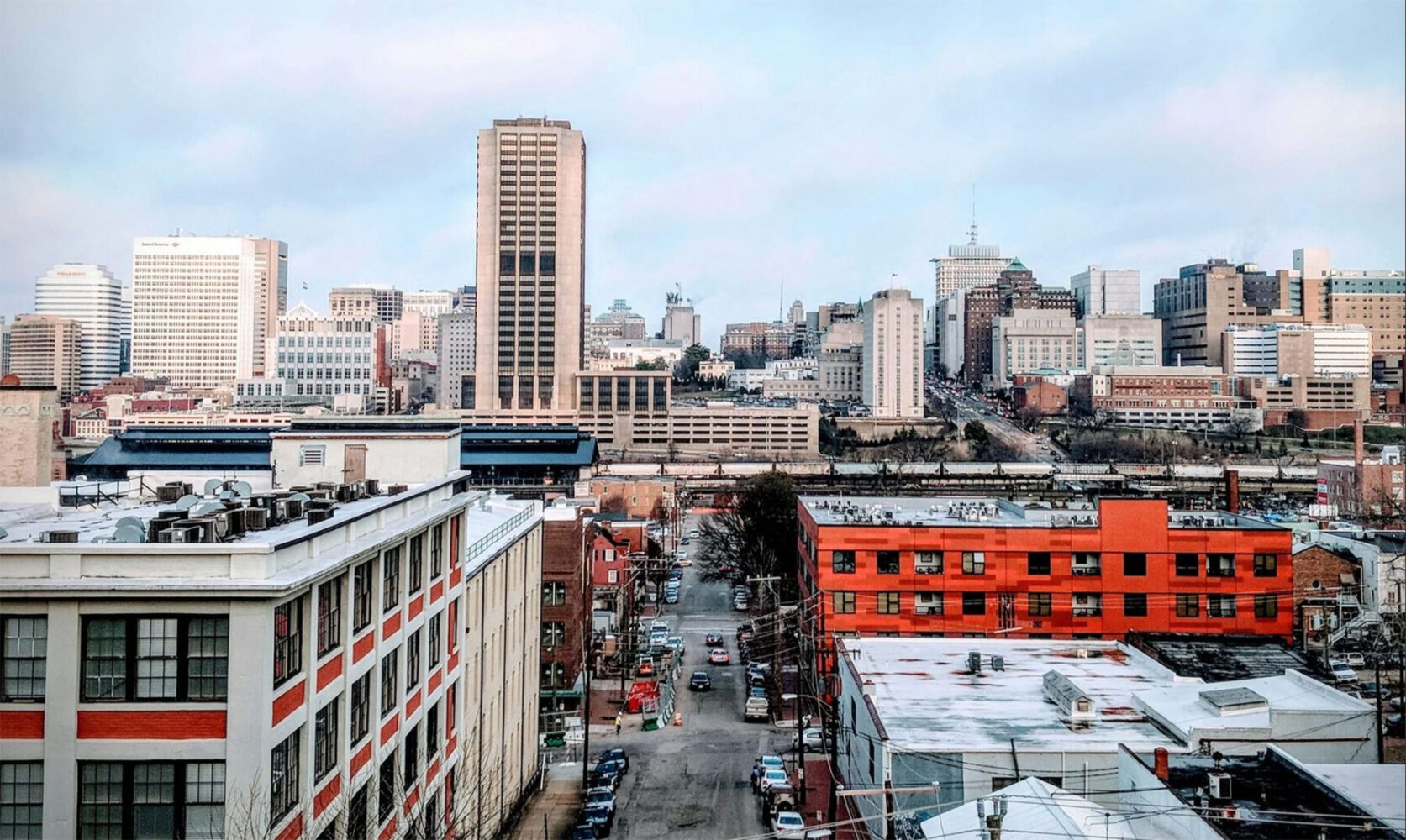
The City of Richmond released an initial assessment this week detailing how the ongoing federal government shutdown could affect city services, operations, and residents who rely on federally funded programs.
In a public letter accompanying the Resilient Richmond report, Mayor Danny Avula acknowledged the uncertainty many residents are feeling but said the city has been through similar challenges before.
“This moment brings a sense of unease,” Avula wrote. “The federal government shutdown creates uncertainty. While your unease is justified, this isn’t uncharted territory… we’ve navigated this before, and we will again.”
Avula said the city is “actively monitoring and assessing potential impacts” across departments and remains in daily communication with Chief Administrative Officer Odie Donald II, along with the city’s Budget, Finance, and Intergovernmental Affairs teams.
Editor’s note: You can read the full Resilient Richmond report HERE, along with the Mayoral Action Plan (M.A.P.), which was also released today HERE.
Federal Programs Supporting Thousands in the City of Richmond
The report identifies the Department of Social Services, Housing and Community Development, and Public Utilities as the most vulnerable to disruptions in federal funding.
Within the City of Richmond, more than 54,000 residents rely on SNAP (Supplemental Nutrition Assistance Program) benefits, and over 3,000 families receive TANF (Temporary Assistance for Needy Families). Together, those programs represent nearly $90 million in annual food and basic-needs spending across the city, most of it coming from federal dollars.
If the shutdown continues into November, SNAP benefits for city residents could be delayed or reduced. The city also noted that nearly $3.9 million in federal energy-assistance funding could be affected as colder weather approaches, potentially impacting thousands of Richmond households that depend on fuel assistance during the winter.
Child-care subsidies are currently continuing using previously allocated funds, but new federal allocations have been paused, creating potential strain for local providers if the shutdown lasts several months.
City Departments and Budgets Affected
Across all departments, the City of Richmond receives millions in federal reimbursements each year for housing, infrastructure, and social programs. The city reviewed more than 400 federally supported programs and found that about 160, nearly 40 percent, could experience negative impacts if funding delays persist.
The report estimates that a one-month shutdown could delay roughly $2 million in federal aid, while a six-month shutdown could delay more than $12 million, forcing “citywide adjustments and service reductions.”
- Department of Social Services (DSS): $34.3 million in total federal funding; $16.3 million at risk.
- Department of Housing and Community Development (HCD): $11.4 million in federal funds; all at risk due to paused HUD programs.
- Department of Public Utilities (DPU): $69.4 million total; $63.7 million at risk, primarily from delayed EPA and FEMA reimbursements.
- Department of Public Works (DPW): $151.5 million total; $5.9 million at risk, affecting transportation and capital projects.
- Richmond Fire Department: $15 million total; $3.9 million at risk from SAFER and FEMA programs.
The Department of Social Services would face the largest impact if the shutdown continues, since more than half of its funding is tied to federal programs.
Essential City Services to Continue
City officials said essential services, such as water, sanitation, public safety, and emergency response, will continue as normal.
Each department has identified its federally funded programs and is preparing operating plans to bridge short-term funding gaps. The city’s Budget and Finance teams have created cash-management measures to keep employees funded by federal programs on payroll if reimbursements are delayed.
The City of Richmond is also coordinating with neighboring localities and state agencies to share information and advocate for consistent funding across Virginia.
Potential Economic and Policy Impacts
CAO Odie Donald II noted that the effects of a shutdown go beyond delayed funding. “Federal shutdowns have both immediate and lasting effects on local budgets and, most importantly, on the people who rely on our collective support,” he wrote. “While the impact of the shutdown is discussed through the guise of government operations, the true impact is how it affects people.”
Indirect impacts could include reduced local spending by furloughed federal employees, project delays due to halted federal permitting, and slower disaster assistance during hurricane season.
The report also highlights a new policy concern: an Interim Final Rule from the U.S. Department of Transportation that changes the Disadvantaged Business Enterprise (DBE) program by removing race- and sex-based presumptions in certification.
Richmond officials warn that the rule could delay federally funded construction projects and reduce participation by minority-owned businesses, requiring new administrative reviews by the city’s Office of Minority Business Development and Procurement Services.
City Response and Communication
The report outlines six focus areas guiding the City of Richmond’s response:
- Mitigate local economic harm and prepare contingency funding.
- Absorb stress on local operations using Continuity of Operations (COOP) plans.
- Protect low-income and vulnerable residents.
- Maintain communication with federal partners.
- Advocate for Richmond at state and federal levels.
- Provide clear and frequent communication to residents, businesses, and media.
Residents can find updates and resources at go.rva.gov/shutdown, or follow the city on Instagram (@rvagov), Facebook, and through Richmond Ready Alerts.
Avula said the city’s focus is on transparency and continuity: “Our job here in Richmond is to stay focused, keep communication lines open with federal and state partners, and above all, make sure Richmond residents continue to get the services they count on.”
Support RVA Magazine. Support Independent Media in Richmond.
At a time when media ownership is increasingly concentrated among corporations and the wealthy, RVA Magazine has remained one of Richmond’s few independent voices. Since 2005, the magazine has provided grassroots coverage of the city’s artists, musicians, and communities, documenting the culture that defines Richmond beyond the headlines.
But we can’t do this without you. A small donation, even as little as $2, one-time or recurring, helps us continue to produce honest, local coverage free from outside interference. Every dollar makes a difference. Your support keeps us going and keeps RVA’s creative spirit alive. Thank you for standing with independent media. DONATE HERE.
We’ve got merch HERE
Subscribe to the Substack HERE
And Reddit HERE
And YouTube HERE

