
There are certain people who become part of a neighborhood so slowly that nobody notices it happening until one day they realize the place would feel strange without them.
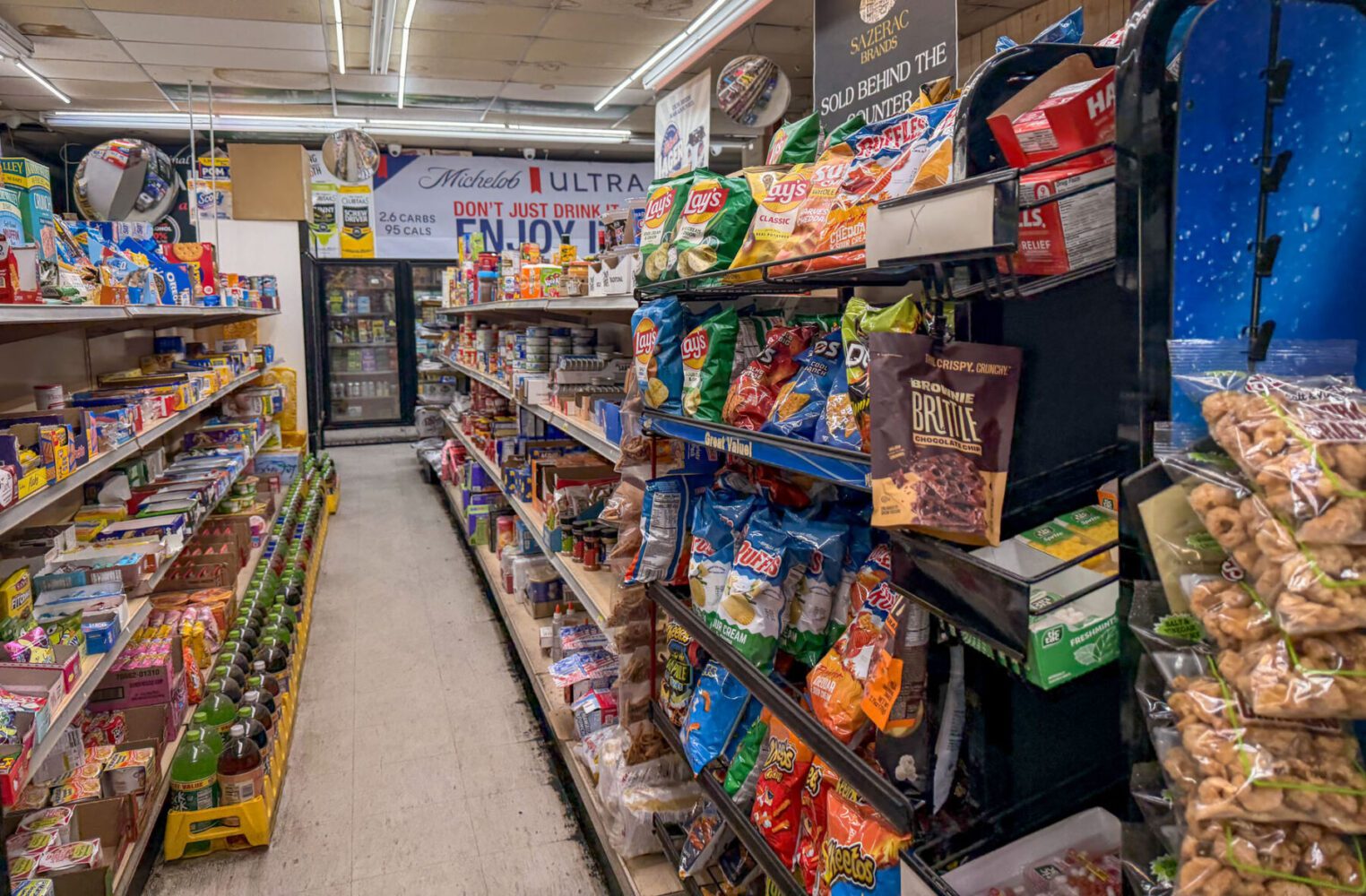
If you’ve spent enough time around The Fan late at night, then you probably know Sunny Mart. It sits right around the corner on Cary Street past Carytown around the corner from Bamboo glowing under fluorescent lights like a tiny embassy for cigarettes, beer, chips, and lottery tickets. People spill out of the bars and wander over there every night looking for snacks, nicotine, or whatever item they suddenly become convinced will improve their evening at one in the morning.
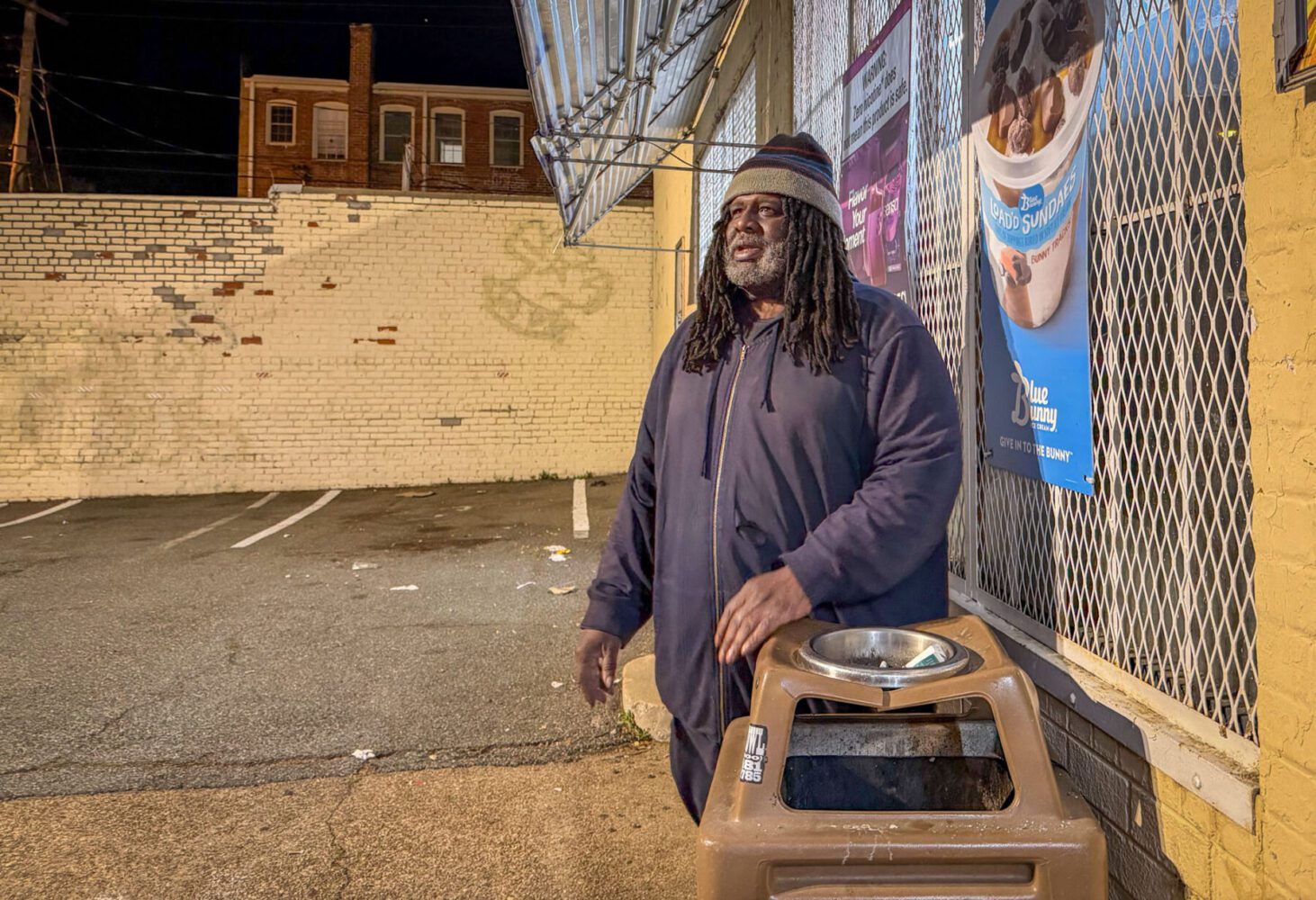
And somewhere in that orbit is usually Junior, the quiet sentinel who watches over the corner.
Whenever I walk by, we wave, and if I’m close enough, we usually exchange a few words. We’ve had a running conversation that’s somehow stretched across more than a decade. We talk about sneakers, music, shows, and whatever else happens to be floating through the air that day. He’ll tell me he likes my checkered Vans in the spring or my Chelsea boots in the winter. I always ask how he’s doing and check in on his ever-growing shoe collection.
The details change, but the conversation never really ends. It just picks up where we left off the last time we crossed paths.
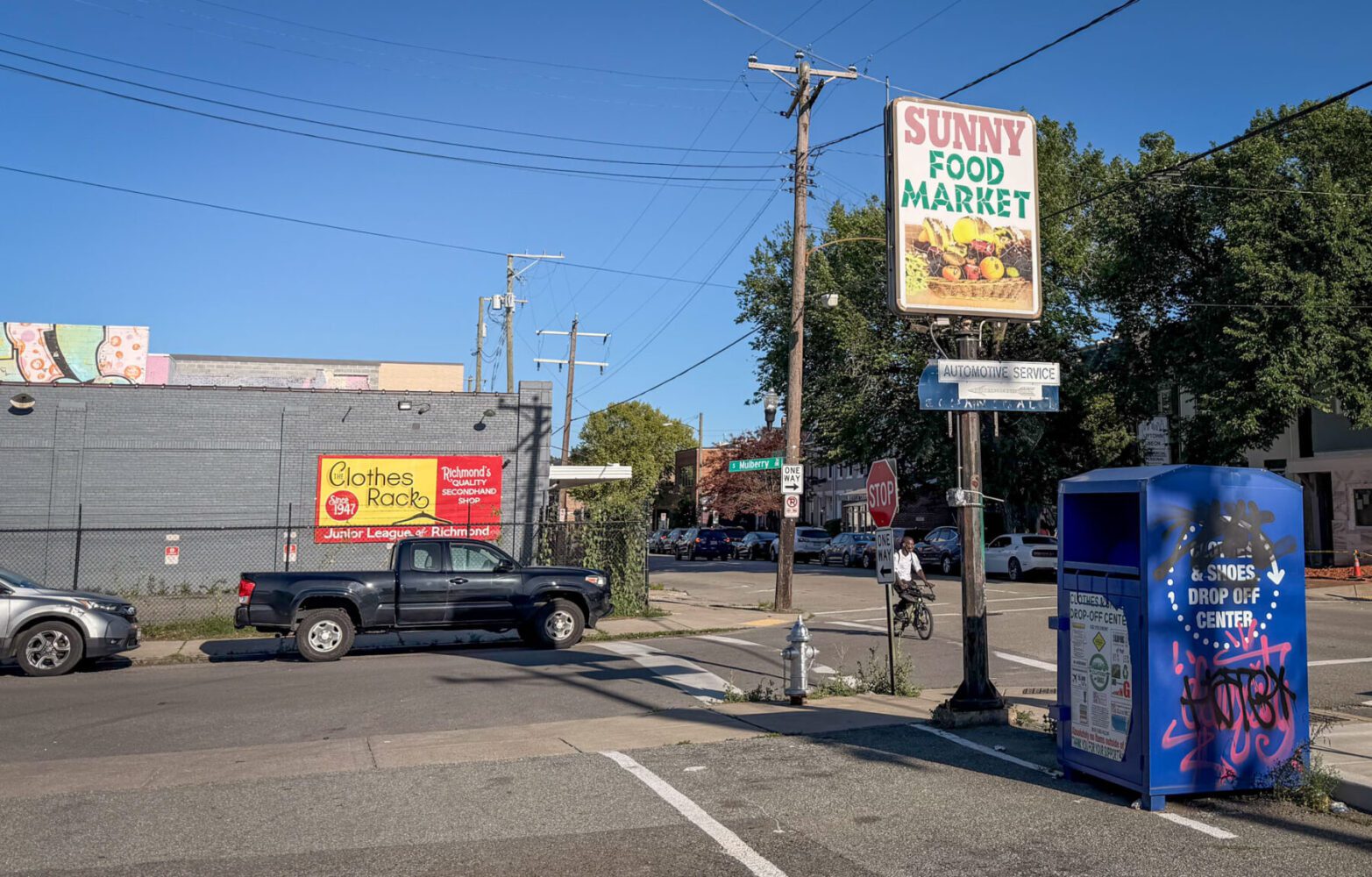
Everything else has changed over the years. We get a little older and a few more gray hairs start showing up. Friends move away. New faces arrive. Businesses open, close, and get replaced by something entirely different. Yet Sunny Mart somehow remains Sunny Mart. Talking with Junior feels a bit like watching a real-life time-lapse. The neighborhood keeps moving, the years keep stacking up, and somehow that little corner keeps holding its place, reminding you that not everything in Richmond has to change at once.
That’s how I think about Junior. Not as an employee at Sunny Mart, but as part of the corner itself. If you’ve lived in Richmond long enough, you know people like this. The bartender who’s somehow worked the same shift for fifteen years. The guy at the deli who knows your order before you say it.
He stocks shelves. Talks to regulars and rides his bike to work. Plays old school R&B through a speaker that sort of follows him around like his personal soundtrack. He stands outside the store watching the neighborhood move past him like he’s been assigned the night shift for Richmond itself.
Junior has worked for Sunny, the Korean owner of the market, for at least a decade now. Maybe longer. Time gets slippery and the years stack on top of each other until everybody loses count and starts measuring life by which bars used to be where, who moved away, and which restaurants survived another rent increase.
When I asked Junior how he ended up working there, he shrugged it off like it wasn’t worth building a mythology around.
“I just came to him one day,” he told me.
That was the entire origin story. Just a man showing up one day and slowly becoming part of the corner.
Over the years, Junior has built a running social map of the neighborhood in his head. He knows the regulars, remembers the faces, and hands out nicknames along the way. One regular recently told me, with no small amount of pride, that Junior knows him simply as “The President,” which fits perfectly if you’ve ever run into this guy on the corner.
Talking with Junior is a little like listening to someone shuffle a deck of cards while telling a story. The conversation moves up, down, and sideways. One minute he’s talking about Virginia being home, then Massachusetts, Florida, New York, and Qatar enter the discussion before disappearing again just as quickly. There’s no neat narrative arc to follow. Human beings are messy creatures.
But while Junior may drift through subjects, he pays close attention to people.
And people pay attention to him too, even if they don’t fully realize it.
The actual soul of a city usually lives in smaller places like corner stores or neighborhood bars, in old conversations repeated a hundred times. In the guy outside the market playing Al Green through a bike speaker while greeting half the block by nicknames nobody else understands.
That kind of thing doesn’t show up in tourism campaigns. If you know, you know, as they say.
Sunny Mart has survived because it became more than a convenience store a long time ago. It gives me the same feeling as Lombardy Market down the street. These places become part of the rhythm of a neighborhood, a checkpoint between home and the bar, or between work and home. They sit somewhere between loneliness and conversation. People stop in for five minutes and accidentally stay for twenty, standing outside talking about everything, or absolutely nothing at all.
And through all of it, there’s Junior, standing there with the music playing, keeping watch over the corner.
One of these days I’ll remember to ask if he has a nickname for me.
Support RVA Magazine. Support Independent Media in Richmond.
At a time when media ownership is increasingly concentrated among corporations and the wealthy, RVA Magazine has remained one of Richmond’s few independent voices. Since 2005, the magazine has provided grassroots coverage of the city’s artists, musicians, and communities, documenting the culture that defines Richmond beyond the headlines.
But we can’t do this without you. A small donation, even as little as $2, one-time or recurring, helps us continue to produce honest, local coverage free from outside interference. Every dollar makes a difference. Your support keeps us going and keeps RVA’s creative spirit alive. Thank you for standing with independent media. DONATE HERE.
We’ve got merch HERE
Subscribe to the Substack HERE
And Reddit HERE
And YouTube HERE