
Editor’s Note: The views expressed are those of the author. Lisa Vedernikova Khanna ran for Congress in Virginia’s 1st Congressional District and previously served as Chief of Staff at the Democratic National Committee. This essay reflects her perspective and personal experiences.
By Lisa Vedernikova Khanna
Last summer, Dan Kleban was days away from launching his Senate campaign in Maine when the Democratic Senatorial Campaign Committee (DSCC) called and told him not to. They were already lining up behind Governor Janet Mills and wouldn’t support him if he were to continue. Kleban delayed his launch, and by the time he threw his hat into the ring, it was too late: Graham Platner had already captivated the base.
When I ran for Congress in Virginia’s First District, I received a similar demand from the Democratic Congressional Campaign Committee (DCCC), which threatened to spend against me and threatened to do opposition research to get me out of the race. Thousands of people across the country chipped in to my campaign. I showed up in all 18 localities in the district nearly a year before the primary election. But none of it mattered, because the DCCC had already decided which candidate it wanted.
In both races, the party tried to settle the outcome before the voters got their say. As the party’s official funding arms, the DCCC and DSCC decide where the money goes, and any candidate they pass over starts at a punishing disadvantage. Outside groups like AIPAC have learned that they wield a similar power, because money buys the thing that now wins primaries: advertising. Whoever can pay for ads shapes what hundreds of thousands of voters come to believe about a candidate. In gerrymandered districts where the primary is the whole contest, the consequences of outside groups and committees pouring in cash goes beyond just picking the nominee. They are in essence anointing a winner.
A primary election vulnerable to outside money isn’t the only way we can choose our nominees, though, and it’s time we started reexamining whether it should be. The party can choose its Congressional nominees at a convention. Local party members would select delegates from their communities. These delegates go to a district convention, where the candidates appear in person and make their case. The delegates then choose the nominee.
This format would dramatically shift the power of influence. A party convention runs on the dozen or more local party committees that make up a congressional district, each with its own people and their own understanding of the community. Right now these committees are mostly volunteer clubs with little real power, making them unappealing to working and younger people. If we give these committees an actual say in who carries the party’s banner, we will begin to draw in participants who look more like the voters the party claims to speak for.
It also moves the choice out of Washington. Currently, the leverage over a competitive primary sits with a handful of party committee chairs and the donors who fund them, most of whom have never set foot in the district. A convention can not be successfully run from a thousand miles away. It requires a candidate to show up in the room, shake hands, and earn the vote of someone who is looking you in the eye. It’s the kind of retail politics that favors the candidate who knows the district and can make the case in person over the one a committee in Washington or a donor in Silicon Valley has already chosen.
The biggest change is what it does to the money. It becomes far less useful because the electorate is not a mass of voters reached only through advertising. Instead, it’s a few hundred to a couple thousand delegates chosen by their own neighbors. These people are far less likely to be moved by a wave of ads from an outside group they’ve never heard of.
If the idea of a convention sounds radical, it shouldn’t. We already nominate the President of the United States this way. In Virginia, the law does not even require a primary. The Democratic Party of Virginia chose that method through its own rules, and it could easily choose differently tomorrow.
Conventions do have flaws. They can tilt toward activists who tend to be more ideological than the average voter. A convention can also be captured, which is why it works best in open races, where no incumbent has spent years building relationships with every committee member. But those are flaws you can see and argue with, which is more than you can say for a wave of anonymous money that lands the week before you vote.
I’m not offering a convention as a cure, only as something worth trying. The problem it addresses is massive and getting worse, so why not experiment with something lawful and already written into our own party’s rules? Democrats love to claim the party belongs to everyday people. A convention would test whether we mean it, by handing the choice back to the people who live and organize in the district instead of the ones who can afford to advertise into it.
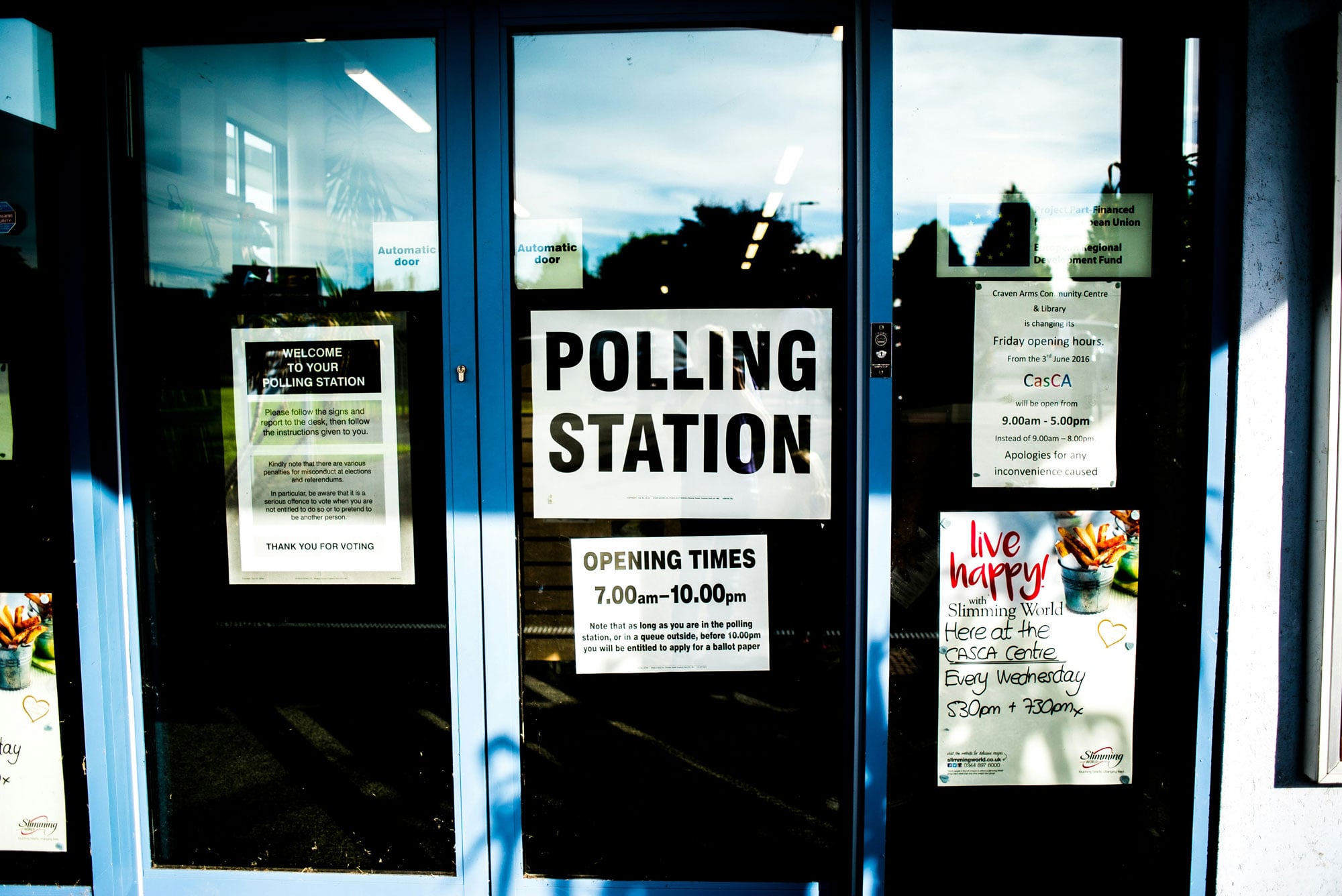
Photo by Elliott Stallion
Support RVA Magazine. Support Independent Media in Richmond.
At a time when media ownership is increasingly concentrated among corporations and the wealthy, RVA Magazine has remained one of Richmond’s few independent voices. Since 2005, the magazine has provided grassroots coverage of the city’s artists, musicians, and communities, documenting the culture that defines Richmond beyond the headlines.
But we can’t do this without you. A small donation, even as little as $2, one-time or recurring, helps us continue to produce honest, local coverage free from outside interference. Every dollar makes a difference. Your support keeps us going and keeps RVA’s creative spirit alive. Thank you for standing with independent media. SUPPORT HERE.
Subscribe to the RVA Mag Weekly Newsletter HERE
We’ve got merch HERE
Subscribe to the Substack HERE
And Reddit HERE
And YouTube HERE