
Editor’s Note: This piece was written by a student at Randolph-Macon College as part of a feature writing course. RVA Magazine is committed to giving space to young writers across Virginia and will be publishing several student works from this class over the coming weeks. Thanks to the students and to Professor Seth Clabough, Ph.D., for organizing the project.
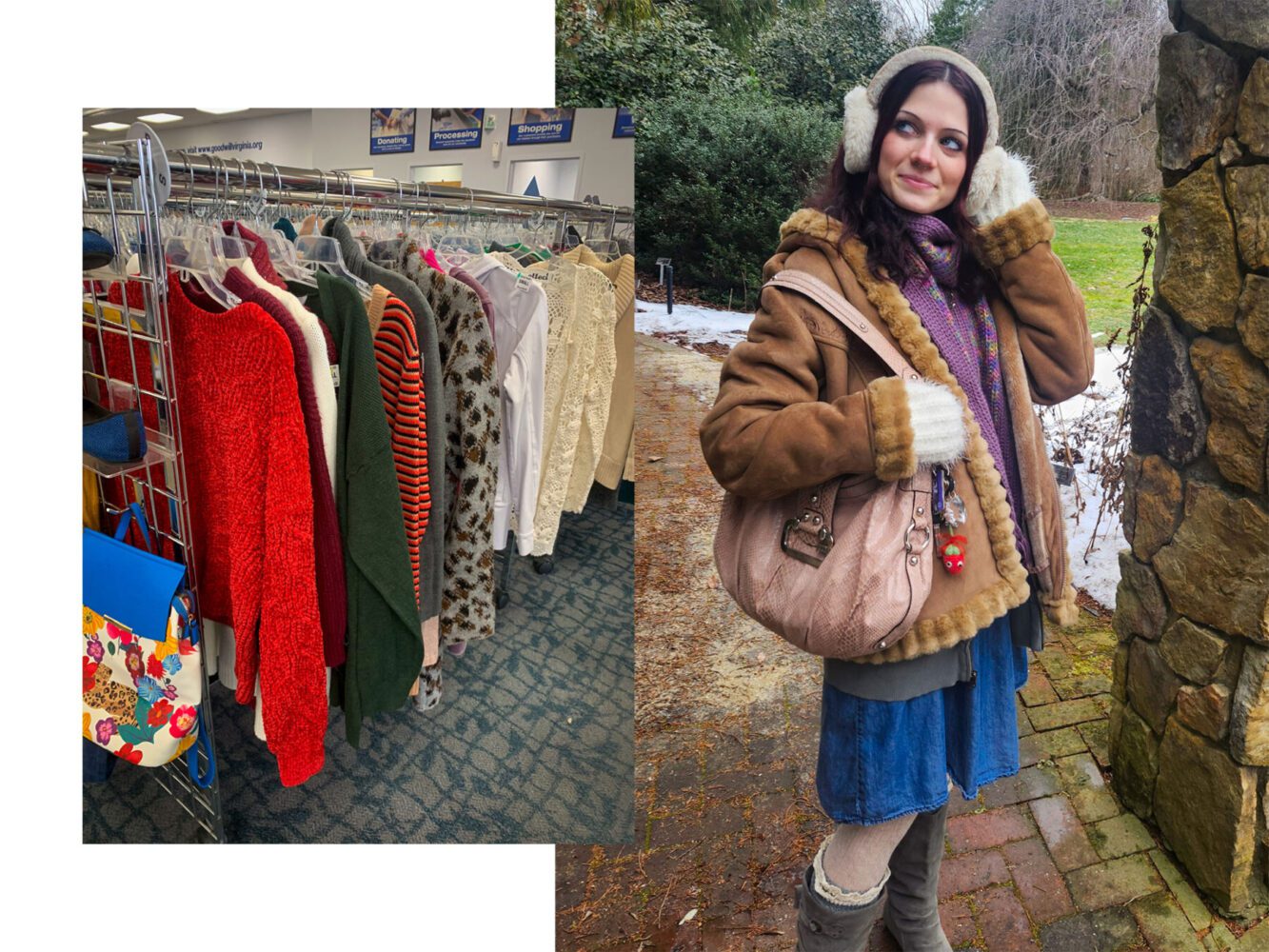
College students all over Richmond and beyond are choosing to shop smarter, more affordably, and more environmentally consciously. Thrifting is not only a hobby; it is a culture that many young adults are turning to instead of fast fashion.
That cultural shift is also reflected in the numbers. As of 2025, the U.S. secondhand market is valued at an estimated $56 billion, up 14.3% from the previous year. Since 2018, the market has grown by more than 140%, with clothing resale expanding far faster than traditional retail. In 2023 alone, resale grew fifteen times faster than the overall apparel sector, and online resale is expected to continue growing at double digit rates through the end of the decade, according to Capital One Shopping.
Against that backdrop, the rise of thrifting among college students in Richmond reflects both broader economic trends and more personal motivations around affordability, sustainability, and self expression.
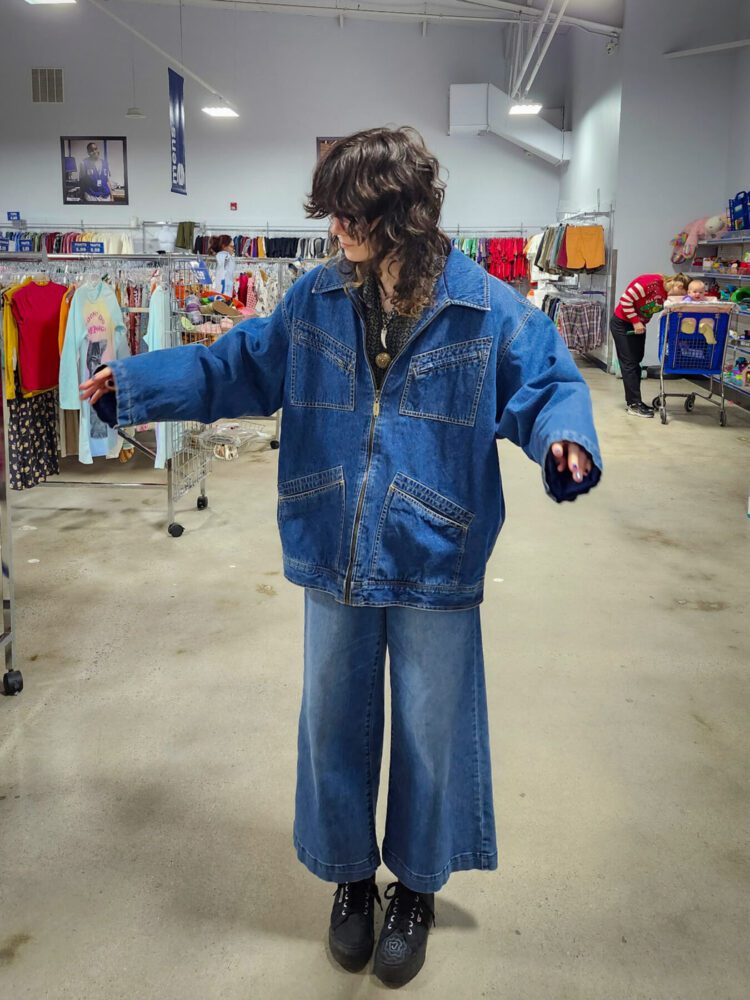
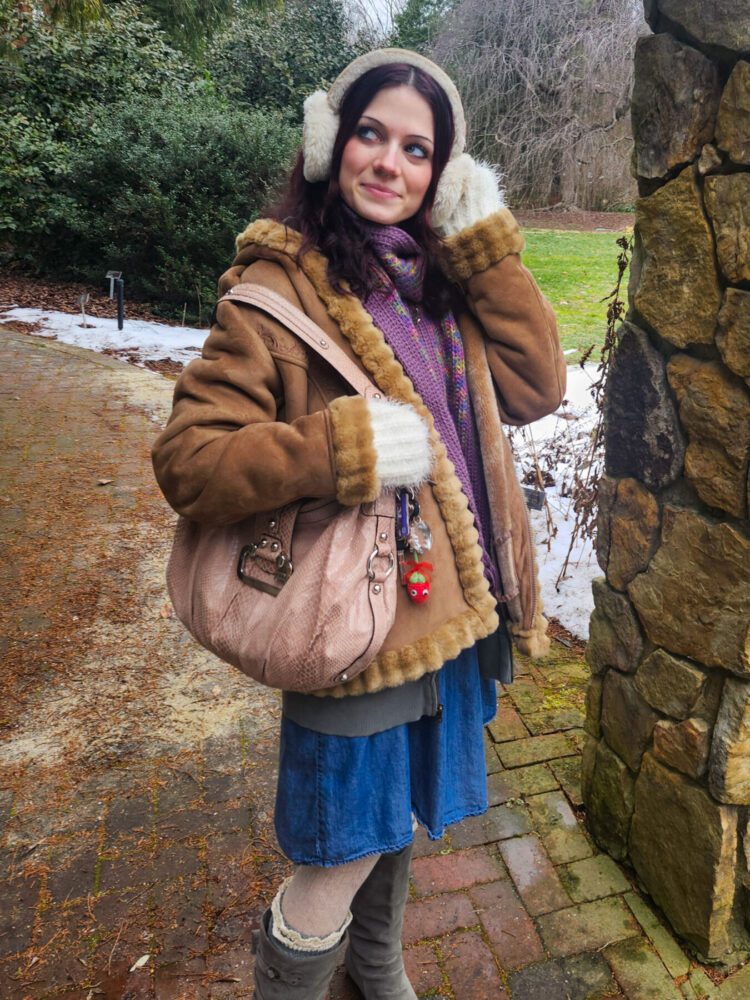
Callie Baughan from Virginia Commonwealth University (VCU) pointed out, “[Thrifting] seems like the most popular way to go shopping among college students specifically, as most of us don’t have a ton of money to use on brand-new clothing and things that we need or want to express ourselves.” Buying new clothes can be expensive, especially for college students, who tend to have many expenses but limited income.
Although there are many stores selling new clothing in Richmond, a strong resale culture exists within one of the city’s youngest generations. People do not always want something brand new; they want something with a story behind it.
“I love the idea of an item having an entire life before it comes into my hands,” Gray Baughan from VCU said. “I think it’s cool to imagine the type of person that would own something before me.”
Among VCU students especially, there is an environment that appreciates secondhand clothing and supports the circular economy. The accessibility of thrift stores within walking distance of campus, along with the number of pop-up thrift markets on weekends, contributes to the city’s vibrant thrifting community.
Gray Baughan commented on this, saying, “[It’s] almost to the point [that] whenever I go into a store, there’s at least one other VCU student that I’ve seen before.”
For Sophia Cordovana from Christopher Newport University, thrifting has environmental significance. She explained, “There [are] already enough clothes right now, just in circulation. If we thrift, we can reduce that number and reduce the amount of microplastics being produced.”
In fact, the over 100 billion pieces of clothing produced each year are enough for every person in the world to have 12.5 new items, according to Uniform Market. By deciding to donate clothes or shop secondhand, consumers can help minimize the need for new clothing production.
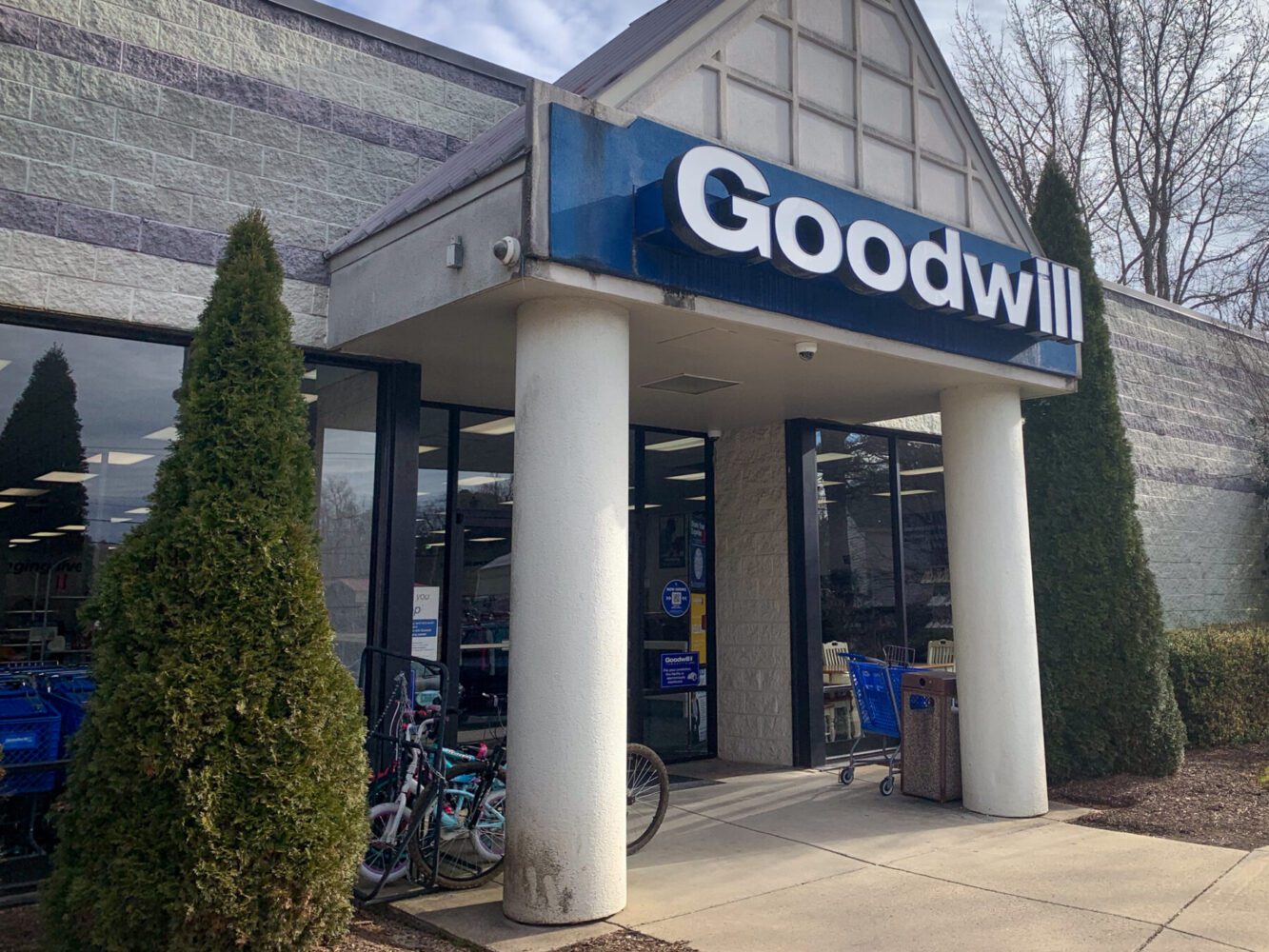
Thrift stores themselves are also dedicated to sustainability practices. Mym from Goodwill expressed, “We’re on Earth; it’s the only planet we get. When we are recycling things and reusing them, we are not making anything with resources we don’t have.”
Not only does thrifting help the environment, but some thrift stores also support broader social causes. Mym from Goodwill explained one of the programs their stores offer to assist employees who face barriers to employment. She said, “We have programs in the Goodwill to help people get their first job, get housing, learn to drive, [and] have a vehicle. It’s a giveback system, especially to those who may not be able to work anywhere else.”
Another positive aspect of thrifting is that, unlike mainstream shopping, it draws in people of all genders more equally, according to local college students. Callie Baughan added, “It seems like [thrifting] has become popular with really everyone.”
Gray Baughan commented on this trend as well. They said, “I feel like there are a lot of guys that are into thrifting. There are these Depop resellers, and I feel like I see them whenever I go out. They’re like this specific type of guy that will be looking for the cool name brands to resell them for higher prices.”
In discussing gender differences, Jack Laroche from Randolph-Macon College said that he sometimes goes thrifting with his friends. He said, “Most of the guys I know are a little more frugally minded, so I think thrifting means more to them because they don’t need to spend so much money.”
According to Capital One Shopping, 50.3% of shoppers for thrifted clothing are men.
Laroche appreciates the unpredictability of the experience. He explained, “There’s kind of a thrill associated with it, I guess. You’re out there, and there’s going to be a lot of junk, but then sometimes you find good stuff too.”
Many college students in the Greater Richmond area enjoy shopping at The Arc of Hanover Thrift Store, Goodwill, Circle Thrift & Art Space, Family Thrift, Uptown Cheapskate, and Buffalo Exchange.
Mym from the Goodwill of Central and Coastal Virginia also shared an interesting story. She said, “[A young woman] comes in and says, ‘I’m making a masterpiece.’ She buys 40 pairs of jeans over the next three days, and then comes back having made a whole jumpsuit and a robe to go with it, all out of denim.”
Whether motivated by sustainability or savings, thrifting can be a rewarding experience. For many young people in Richmond, it has become part of the local culture, especially around places like VCU. It is something anyone can take part in, and your next favorite outfit might be closer than you think.
Photos by Jenna Zachry
Support RVA Magazine. Support Independent Media in Richmond.
At a time when media ownership is increasingly concentrated among corporations and the wealthy, RVA Magazine has remained one of Richmond’s few independent voices. Since 2005, the magazine has provided grassroots coverage of the city’s artists, musicians, and communities, documenting the culture that defines Richmond beyond the headlines.
But we can’t do this without you. A small donation, even as little as $2, one-time or recurring, helps us continue to produce honest, local coverage free from outside interference. Every dollar makes a difference. Your support keeps us going and keeps RVA’s creative spirit alive. Thank you for standing with independent media. DONATE HERE.
We’ve got merch HERE
Subscribe to the Substack HERE
And Reddit HERE
And YouTube HERE