
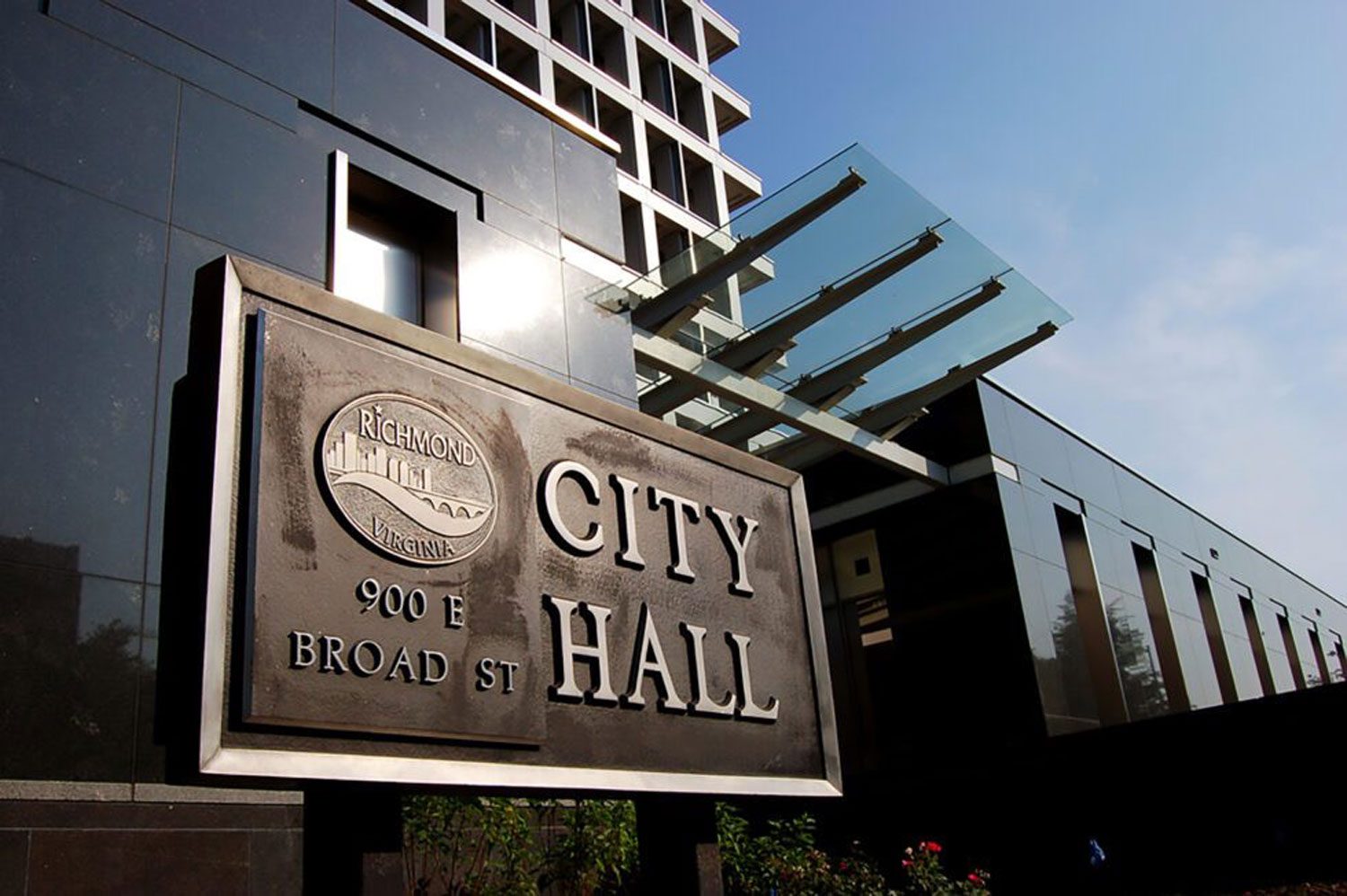
While running for Mayor in 2024, candidate Avula’s top priority in the “Thriving neighborhoods and affordable housing” section of his platform stated:
As Mayor, he will:
- Fight displacement of long-term residents and expand the supply of deeply affordable housing for low-income and working residents.
His third bullet point in that part of his policy platform claimed he would “strengthen protections and resources available for our most vulnerable residents.”
Somewhere between that lofty rhetoric and today’s reality, Mayor Avula has pushed back against any type of relief for property owners since taking office. Last year, he fought successfully against a four cent reduction in the real estate tax rate that he said would be a disaster and favored targeted tax relief. Last week, however, the administration once again professed their opposition to relief in general. This time, it is opposition to a proposed ordinance that would provide targeted tax relief and disrupt the pace of gentrification and offer a deferral to those who qualify and help people stay in their homes until they decide it’s time to sell instead of being driven out by ever increasing assessment and tax bills.
The administration spoke out against 4th District Councilwoman Sarah Abubaker’s plan at the April Finance Committee meeting, according to Sarah Vogelsong at The Richmonder. They claimed this one program alone would cost too much and require 20 new financial analysts in the Department of Finance. The entire department currently employs 20 such analysts (including management). At one point during the discussion, the city’s director of revenue administration Ken Martinez also said “we don’t feel this is really a core function of the Department of Finance.”
Abubaker’s plan would allow those who qualify to defer payment of a portion of their real estate taxes if their bill is more than 105% of what they paid in the prior year. When the property owner sells the house, the amount owed would be paid to the city plus 2% annual interest. Applicants would have to live in the dwelling, not be delinquent on property taxes, and the property would have to have an assessed value less than or equal to 200% of Richmond’s median assessed value for residential property — about $650,000 in 2026, according to The Richmonder. The plan also has an introduction date on January 1, 2028 and requires Council and the administration to jointly develop a plan of implementation by December 2026 which allows a full year to prepare and implement.
“I cannot continue to stress enough that we have to do something for the citizens of Richmond,” Abubaker said at the meeting.
As an example, a house worth $200,000 would owe $2,400 in annual real estate tax. If that assessment rose 10% (as many are expected to do after the two year freeze on real estate taxes to align the budget and assessment calendars), the tax bill would jump to $2,640. An eligible participant would be able to defer the amount above 105%, so in this case, they would owe $2,520 in tax and $120 would be deferred, and the plan has a $50,000 cap on total deferred taxes on any single property. If the assessment goes up 15% or 20% (which many neighborhoods have experienced), they defer and save even more.
Even though it’s a small first step, the administration’s memo opposing her plan claims it would function “primarily as a financing mechanism rather than true tax relief.” Which leads to the question — what is the Mayor’s idea or definition of “true” tax relief? Why has he been opposed to it in all forms? Just about anywhere these days, most people are cutting back on all kinds of things and saving another $120 or $240 would be welcomed. This type of targeted relief is one of many needed tools in the fight against gentrification and allowing people who have lived in neighborhoods for decades to leave on their terms and not the tax man’s. The Mayor should consider upholding his campaign promise to help those neighbors he mentioned during the campaign with targeted relief and give them a helping hand instead of a shove out the door.
So far, the Mayor has not offered relief of any kind, and his administration’s memo complains it’s just too much work. It reads: “Implementing such a program within Finance would require new workflows, specialized program administration expertise, sustain customer service capacity and long-term case management capabilities that do not currently exist within the department.”
Continue reading this story from Jon Baliles on his Substack HERE
Support RVA Magazine. Support Independent Media in Richmond.
At a time when media ownership is increasingly concentrated among corporations and the uber wealthy, RVA Magazine has remained one of Richmond’s few independent voices. Since 2005, the magazine has provided grassroots coverage of the city’s artists, musicians, and communities, documenting the culture that defines Richmond beyond the headlines.
But we can’t do this without you. A small donation, even as little as $2, one-time or recurring, helps us continue to produce honest, local coverage free from outside interference. Every dollar makes a difference. Your support keeps us going and keeps RVA’s creative spirit alive. Thank you for standing with independent media. DONATE HERE.
We’ve got merch HERE
Subscribe to the Substack HERE
And Reddit HERE
And YouTube HERE