
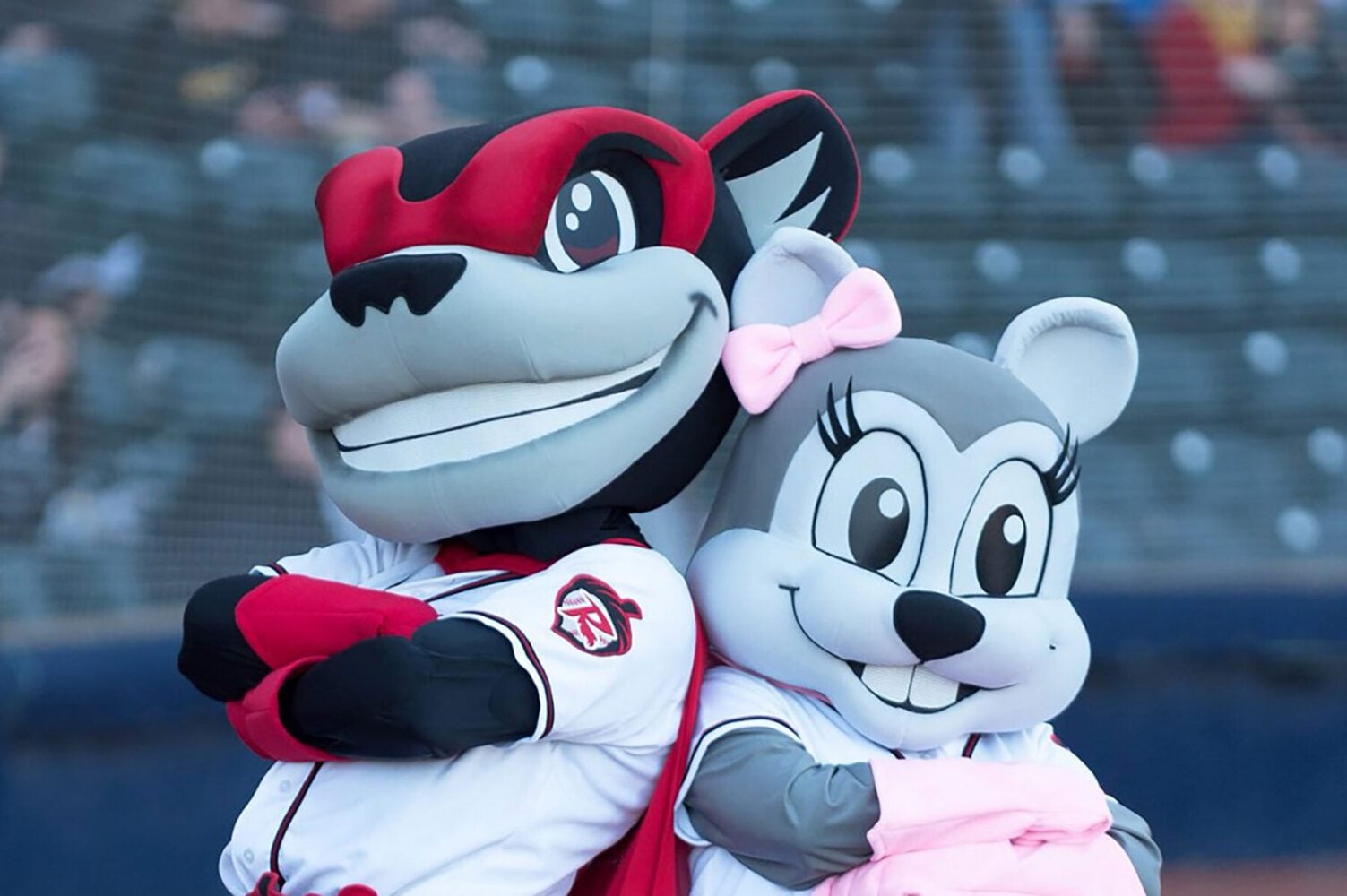
Editor’s note: With Richmond’s new CarMax Park opening soon, it felt like the right time to revisit how the Flying Squirrels first took root in the city. We had the chance to speak with Chuck Domino, the veteran minor league baseball operator during that transition.
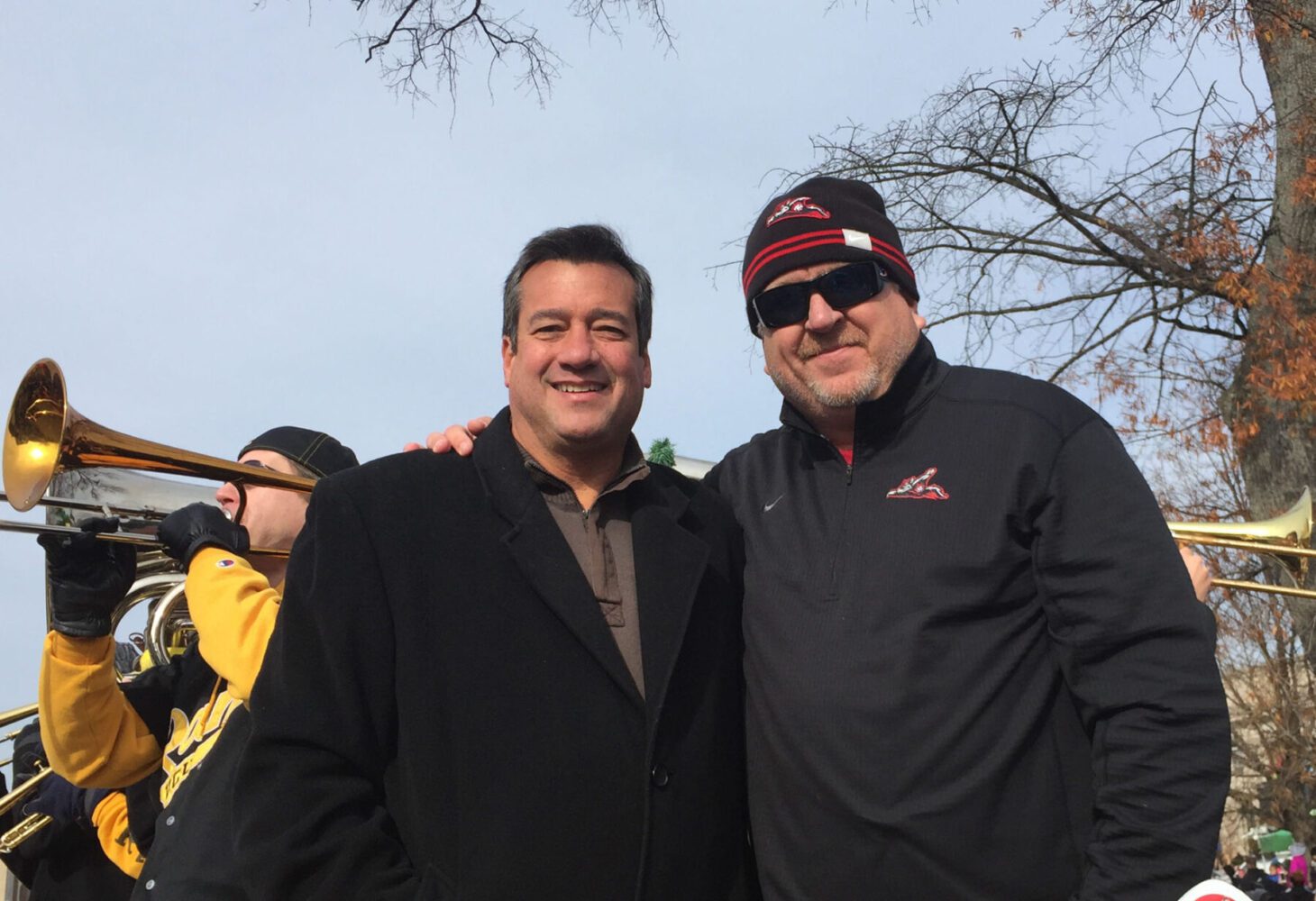
When Richmond’s new CarMax Park opens, the moment will feel like the start of a new chapter for baseball in the city. But the truth is, the most important turning point for Richmond baseball happened years earlier.
It happened when someone convinced the city to believe in a team called the Richmond Flying Squirrels. That job fell largely on Chuck Domino and the staff he assembled.
Domino arrived in Richmond in 2009 with what sounded like a straightforward, if difficult, assignment. The Richmond Braves were gone and The Diamond was aging. The city had gone a full season without baseball, and there were plenty of people who didn’t seem to miss it.
Now a new franchise had five months to build itself from scratch.
“I went down to Richmond in 2009 and walked into a big empty stadium with a budget of two million dollars and five months to get it ready,” Domino recalled. “Five months and two million dollars. Let’s see what I can get done. But literally there wasn’t a piece of furniture. The concession stands were gutted. There was no equipment. There weren’t any employees yet except for me.”
Everything had to be built at once. Staff, concessions, promotions, ticketing and maybe most important of all, the question that would define the franchise: what do you call the team? The brand didn’t exist yet, and a large portion of the city wasn’t sure it wanted another team anyway. Richmond had plenty of problems to worry about. Why did it need baseball?
The challenge wasn’t simply getting the stadium ready for opening day. It was convincing Richmond that this new version of baseball belonged here.
Replacing the Braves
For decades, baseball in Richmond meant the Richmond Braves, though the city’s baseball history stretches back much further.
The Triple-A affiliate of the Atlanta Braves gave the city a direct line to one of baseball’s most respected organizations. Fans could watch future Hall of Fame players like Chipper Jones or Greg Maddux pass through town.
That relationship gave Richmond a sense of prestige within the minor league system. But it also meant the local operation focused almost entirely on the baseball side of the business.
“The Richmond Braves were owned by the Atlanta Braves,” Domino said. “Their primary focus was making sure the lights worked, the field was adequate, the bus left on time and there were baseballs and bats. Whoever happened to show up to watch was great.”
Domino saw the opportunity differently. In his mind, the new team couldn’t simply replicate what the Braves had been. The future of minor league baseball depended on something else entirely. “A baseball game is the backdrop,” Domino said. “I’ve always said the ticket is kind of a cover charge for the entertainment we’re putting on.” The way he saw it, the game itself was only one part of the experience.
“If you ask me how many pure baseball fans are at a minor league game, just baseball fans, maybe ten or fifteen percent,” he said. “And when I say that, I mean people who know the players, who know what major league team the club is affiliated with, who know the standings.” Most people walking through the gates aren’t thinking about any of that.
“Most people are coming for the social aspect,” Domino said. “They’re coming to have a good time with friends and family or coworkers. The baseball game is happening, but the whole night around it is really what people remember.”
That philosophy shaped almost everything about how the Flying Squirrels would operate. Promotions, giveaways, between-inning weiner races and mascots running across the field. The kind of atmosphere where a kid might leave the stadium remembering a t-shirt toss or a mascot race as much as anything that happened in the box score.
Domino had seen that approach work before in other cities, and he believed Richmond was ready for it too. But before any of that could happen, the city first had to accept something even more basic.
The team needed a name.
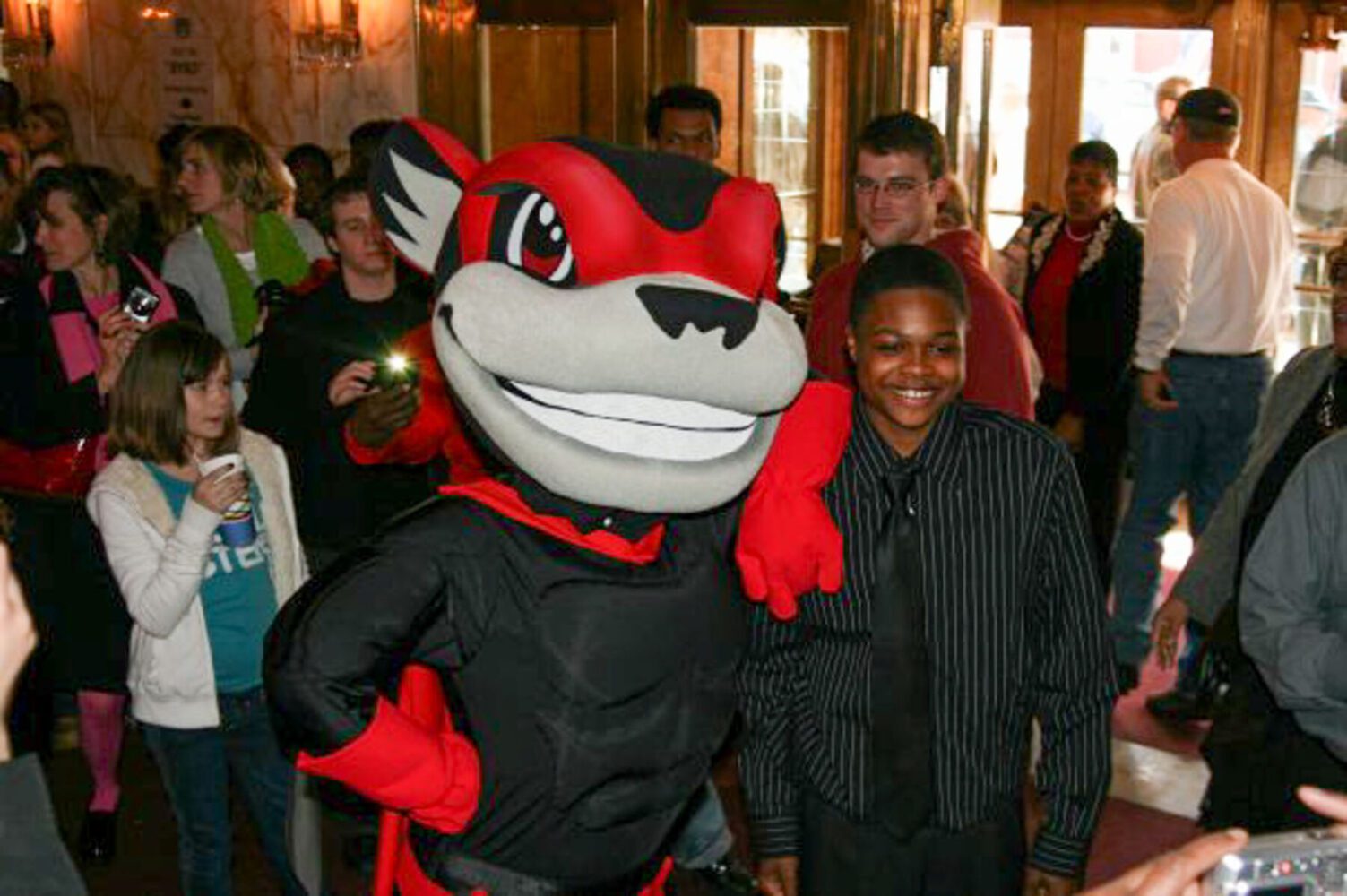
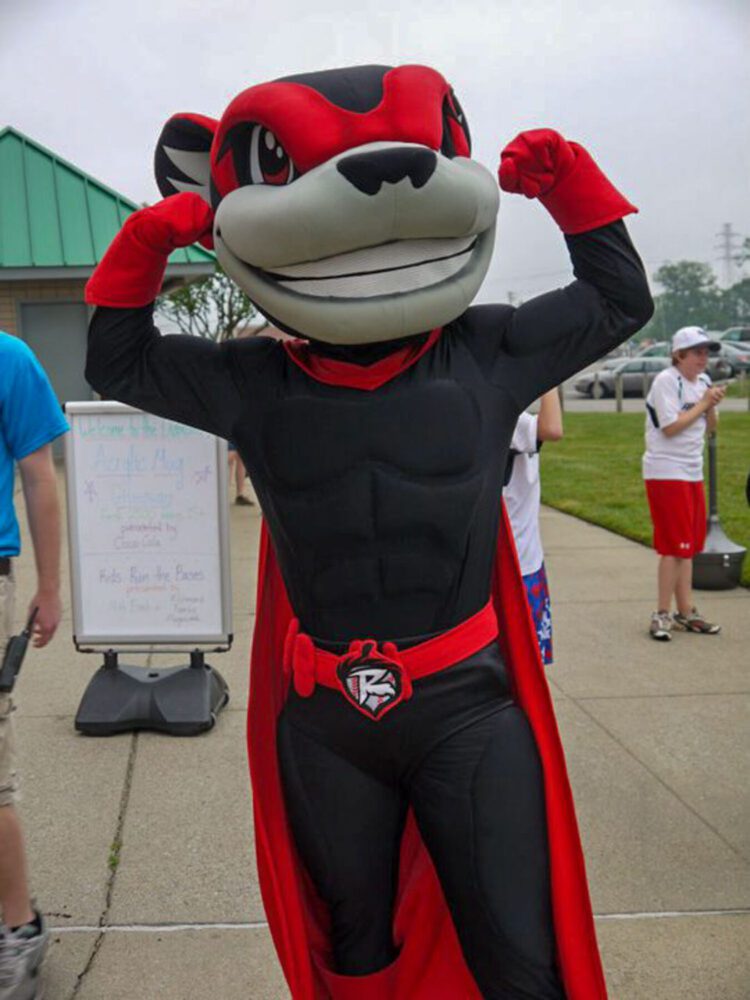
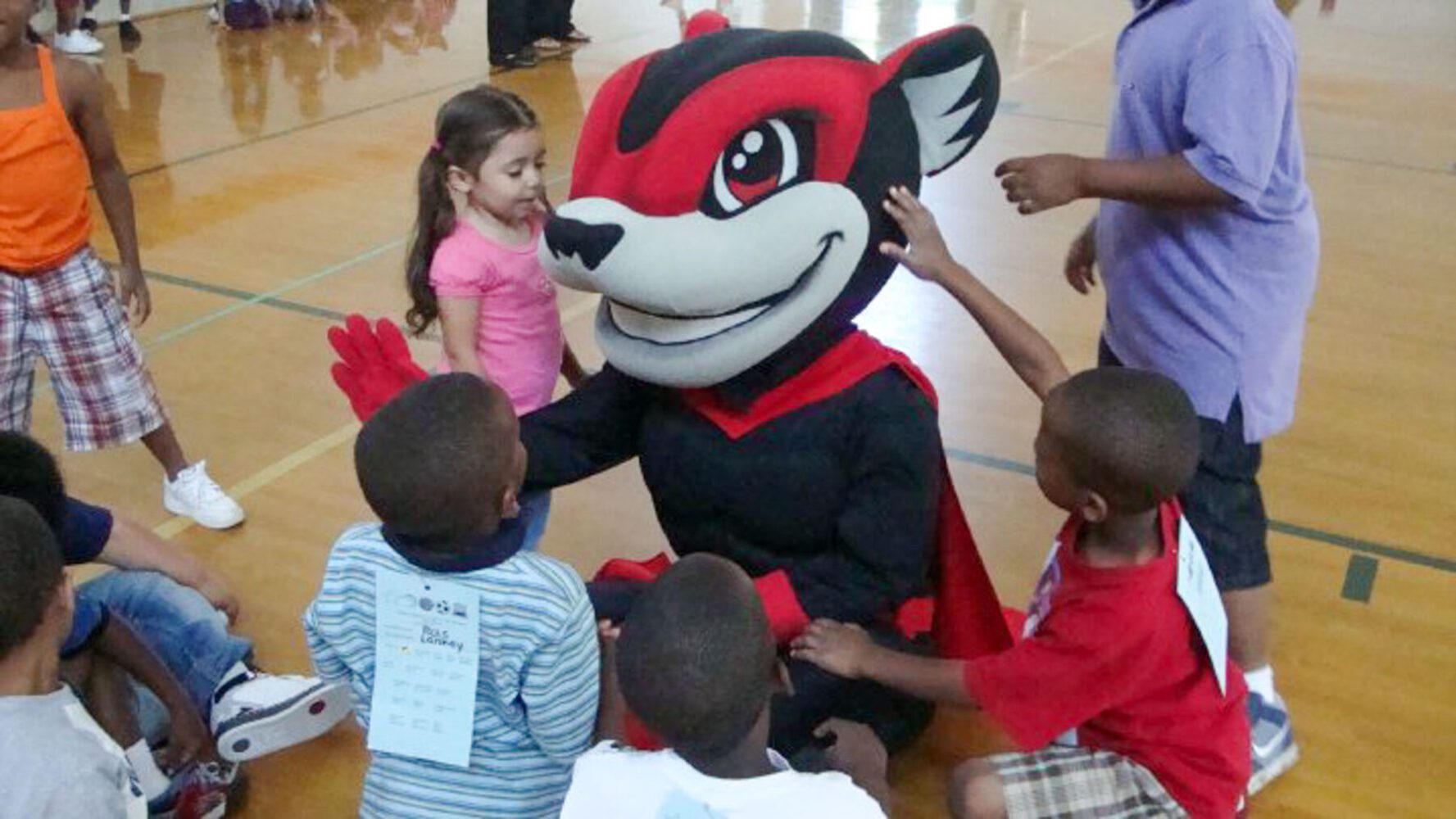
Photos courtesy of the Richmond Flying Squirrels / Nutzy Facebook page, circa 2010–2011.
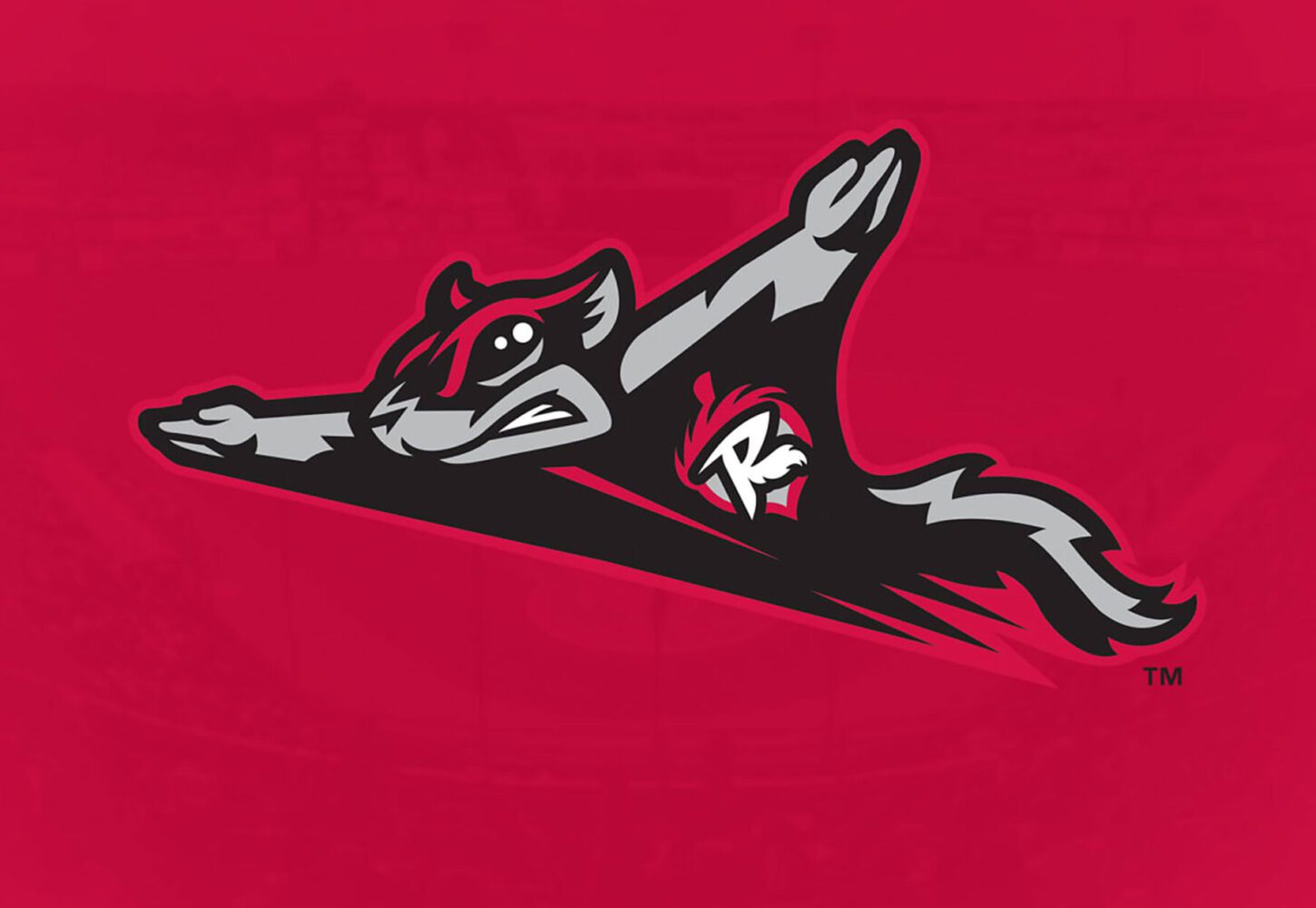
The Flying Squirrels
The franchise held a public naming contest before the team debuted. Several options made the final round, including names tied directly to the James River.
One entry stood out. “I once saw a poster listing endangered species in Virginia and one of them was the Northern Virginia flying squirrel,” Domino said. “When somebody submitted that name, it brought me right back to that.”
Only one person had submitted the name.
Domino liked it immediately. Others were less enthusiastic. “At the time people thought we were crazy,” Domino said with a laugh. “I heard all the comments. Worst name ever. People saying they’d never come to a game.
“I told everybody in the office you’ve got to have thick skin, because we’re going to get killed in the beginning. Everybody’s going to say it’s a stupid name and they’re never going to come to a game. But I had gone through this before with other teams. The key is you just let it play out.”
Domino said the rollout was designed to let the criticism burn itself out. “You announce the name and you let all the vitriol kind of wear itself out,” he said. “You don’t respond on social media. You don’t get into arguments with people. The same people just keep talking to each other about how bad it is until they run out of gas.”
Only then does the rest of the brand come together.
“About three weeks later you come out with the logos. Now all of a sudden people start saying, ‘Okay, that’s not a bad logo.’ Then two or three weeks after that you introduce the mascot, and now it all makes sense. That’s when it crystallizes and you’re off and running with your franchise.”
The mascot unveiling happened at the Byrd Theatre. Domino knew exactly how to stage the moment. “You pack the house with kids,” he said. “School buses, third graders, fourth graders, confetti guns, giveaways. The kids are having a blast.”
Even skeptical adults tend to soften when they see that. “They might not approve at first,” Domino said. “But they see the kids having a great time and they understand why you’re doing it.”
And just like that, Nutzy entered Richmond’s vocabulary.
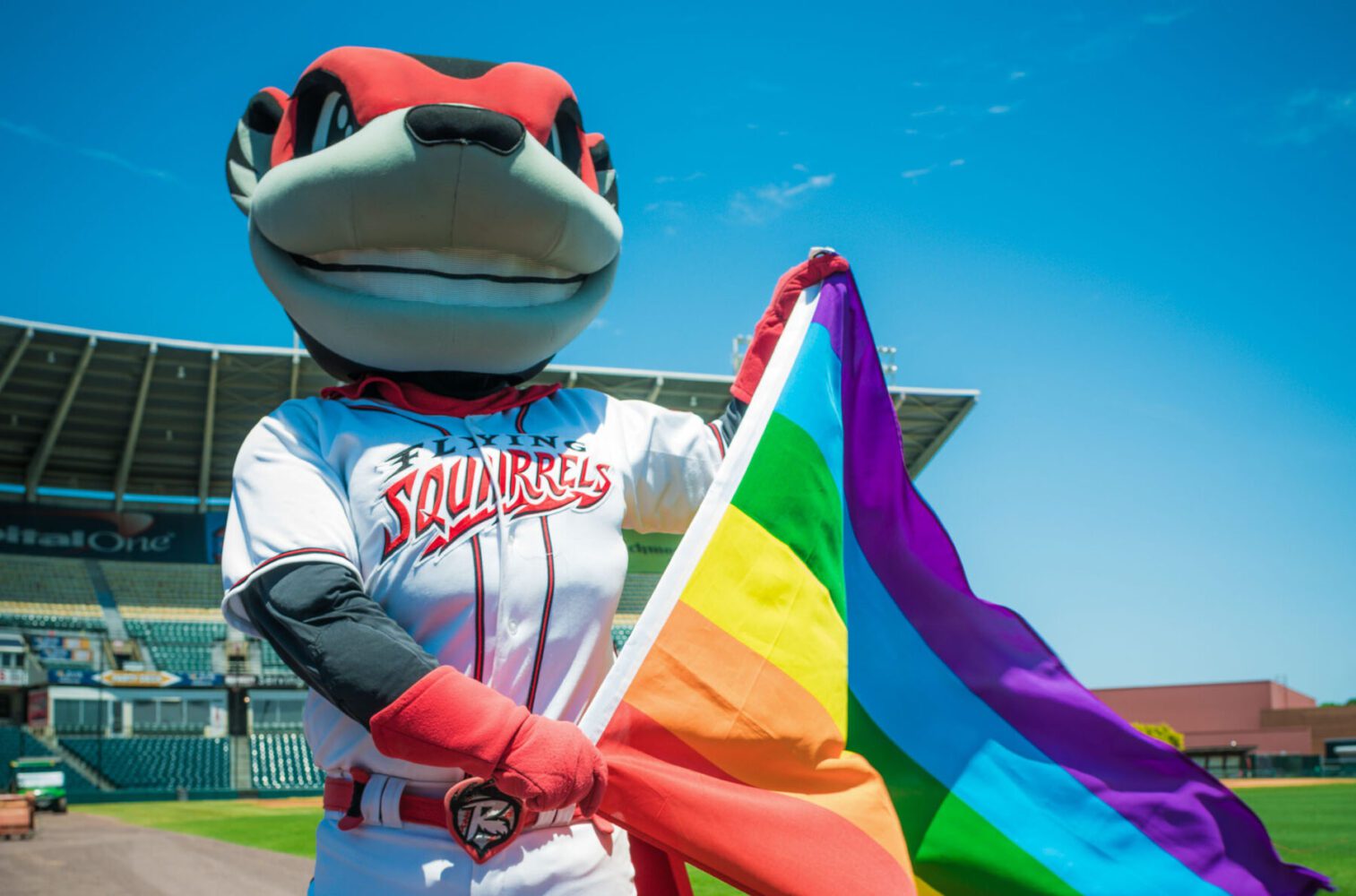
Turning an Underdog Into a Hero
For Domino, the flying squirrel worked because of what it represented. “A squirrel is kind of a benign little creature,” he said. “It doesn’t look like it’s going to hurt anybody. It’s just kind of there. Everybody sees squirrels. They’re everywhere.”
But the trick, he said, was changing how people saw it. “Now all of a sudden you make that flying squirrel look like a superhero. You put a cape on him. You make him look tough, a little heroic,” Domino said. “You’ve taken this little character and turned it into something bigger.”
That transformation was the point. “You’re taking an underdog and making it into something more than an underdog,” he said. “People embrace that.”
Looking back, the timing may have helped. Richmond, the forever underdog, was on the come up.
Around the same period the Flying Squirrels arrived, Richmond itself was going through a shift. Murals were beginning to spread across the city. Restaurants that would define Richmond’s modern food scene were opening. Craft breweries and cocktail bars were popping up in neighborhoods that had felt quiet for decades.
Just down the street from The Diamond, Scott’s Addition was starting its own transformation. What had been a largely industrial district was beginning to fill with breweries, restaurants, and new apartment buildings. Today thousands of people live within walking distance of the new stadium.
The city was experimenting with a new identity. In that environment, a team built around a slightly absurd mascot and a night-out-at-the-ballpark atmosphere didn’t feel quite as strange as it might have a decade earlier. And Richmond responded almost immediately. The Flying Squirrels led their league in attendance during their first season, drawing hundreds of thousands of fans back to The Diamond after a year without baseball.
“We were profitable in the first year,” Domino said. “There was so much excitement around the squirrels.”
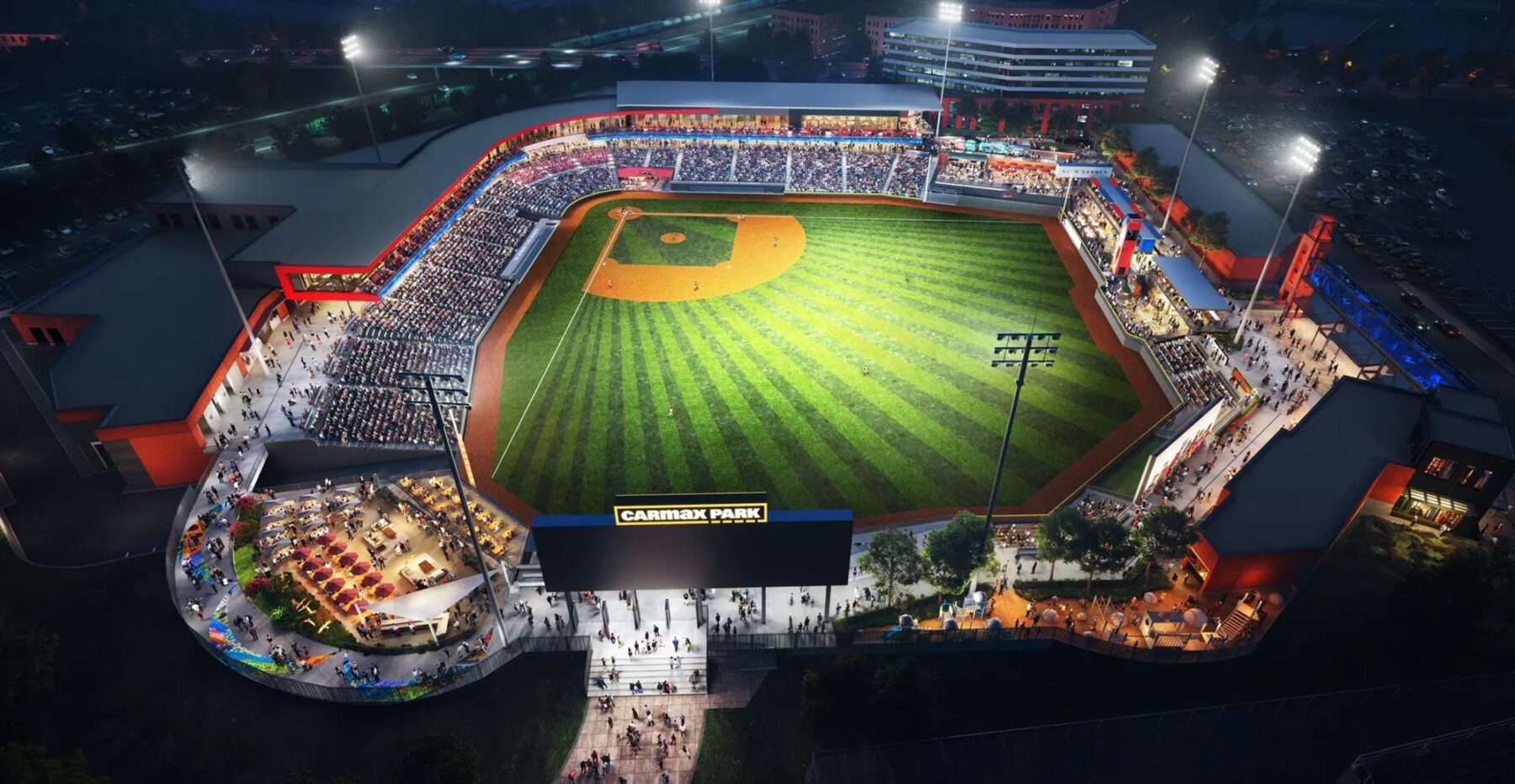
Photo courtesy of the Richmond Flying Squirrels,
Building Something That Lasted
Like most minor league teams, the roster turned over constantly. Players arrived, developed, and moved on. Some reached the major leagues. Many didn’t. But Domino’s attention during games rarely focused on the field anyway.
“I don’t even look much toward the field when the game is going on,” he said. “I’m watching the concession lines. I’m watching the promotions between innings. Are they going smooth? Is everybody having a good time?”
That mindset shaped the franchise from the beginning. The players might change every year, but the experience around the game stayed consistent. Over time, the Flying Squirrels became part of the rhythm of Richmond summers. Kids grew up with Nutzy. Families built traditions around weeknight games at The Diamond.
Domino eventually moved on, continuing his career helping teams launch and rebuild across the minor league system. But the structure he helped create in Richmond kept running. “They’re a big part of the fabric of the Richmond community now,” he said.
Now the city is preparing to open a stadium that may end up being one of the best minor league ballparks in the country. For Domino, seeing that happen carries a certain satisfaction. “Richmond deserves it,” he said.
But when he looks back on his time here, the moment that stands out isn’t the mascot reveal or the attendance numbers. It’s the beginning. “I’m most proud of getting the whole thing up and running in five months,” Domino said. “That was the biggest challenge I’ve ever gone through.”
Fifteen years later, Richmond baseball is still running. Nutzy is still dancing on the dugout, the kids are still lining up for giveaways. And the flying squirrel that once sounded like a strange idea has become the most recognizable symbols in Richmond sports.
Chuck Domino may have moved on, but the team he helped build is still here.
Main photo of Nutzy and Nutasha via Richmond Flying Squirrels/Twitter
Support RVA Magazine. Support Independent Media in Richmond.
At a time when media ownership is increasingly concentrated among corporations and the uber wealthy, RVA Magazine has remained one of Richmond’s few independent voices. Since 2005, the magazine has provided grassroots coverage of the city’s artists, musicians, and communities, documenting the culture that defines Richmond beyond the headlines.
But we can’t do this without you. A small donation, even as little as $2, one-time or recurring, helps us continue to produce honest, local coverage free from outside interference. Every dollar makes a difference. Your support keeps us going and keeps RVA’s creative spirit alive. Thank you for standing with independent media. DONATE HERE.
We’ve got merch HERE
Subscribe to the Substack HERE
And Reddit HERE
And YouTube HERE