
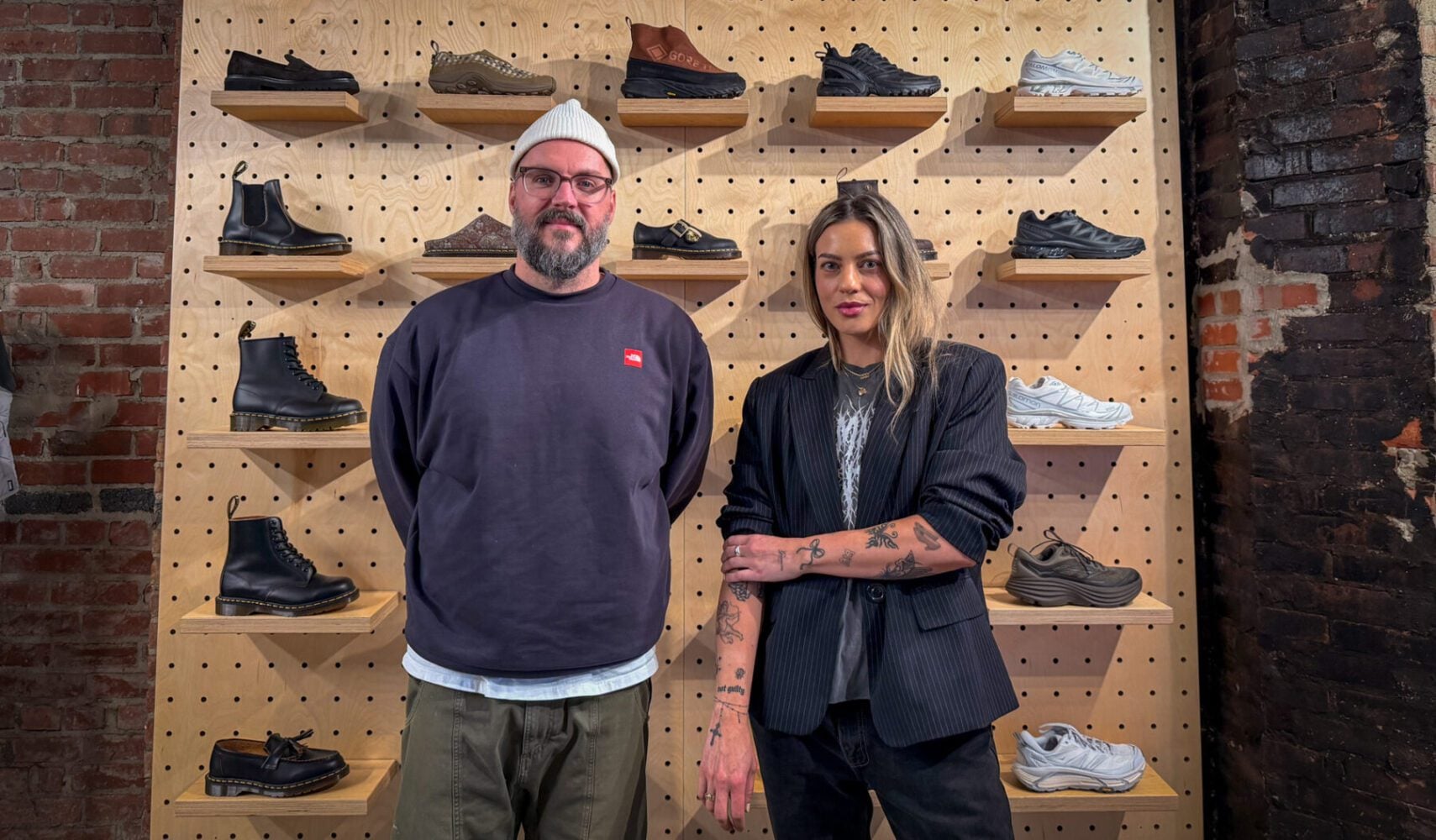
When you walk into Homme Essentials the first thing you notice is the space is warm, intentional, and stocked with pieces that seem chosen with care rather than trend-chasing urgency. That’s by design. Co-owners Alan Long and Christina Campitell have been shaping this place for years, drawing on their very different backgrounds in retail and design to build a shop Richmond didn’t quite know it needed.
I sat down with both of them in their Bellevue location to talk about how Homme Essentials came together, why they’ve committed to slow, thoughtful retail, and what it really takes to run a small business in a world that thinks everything should ship overnight.
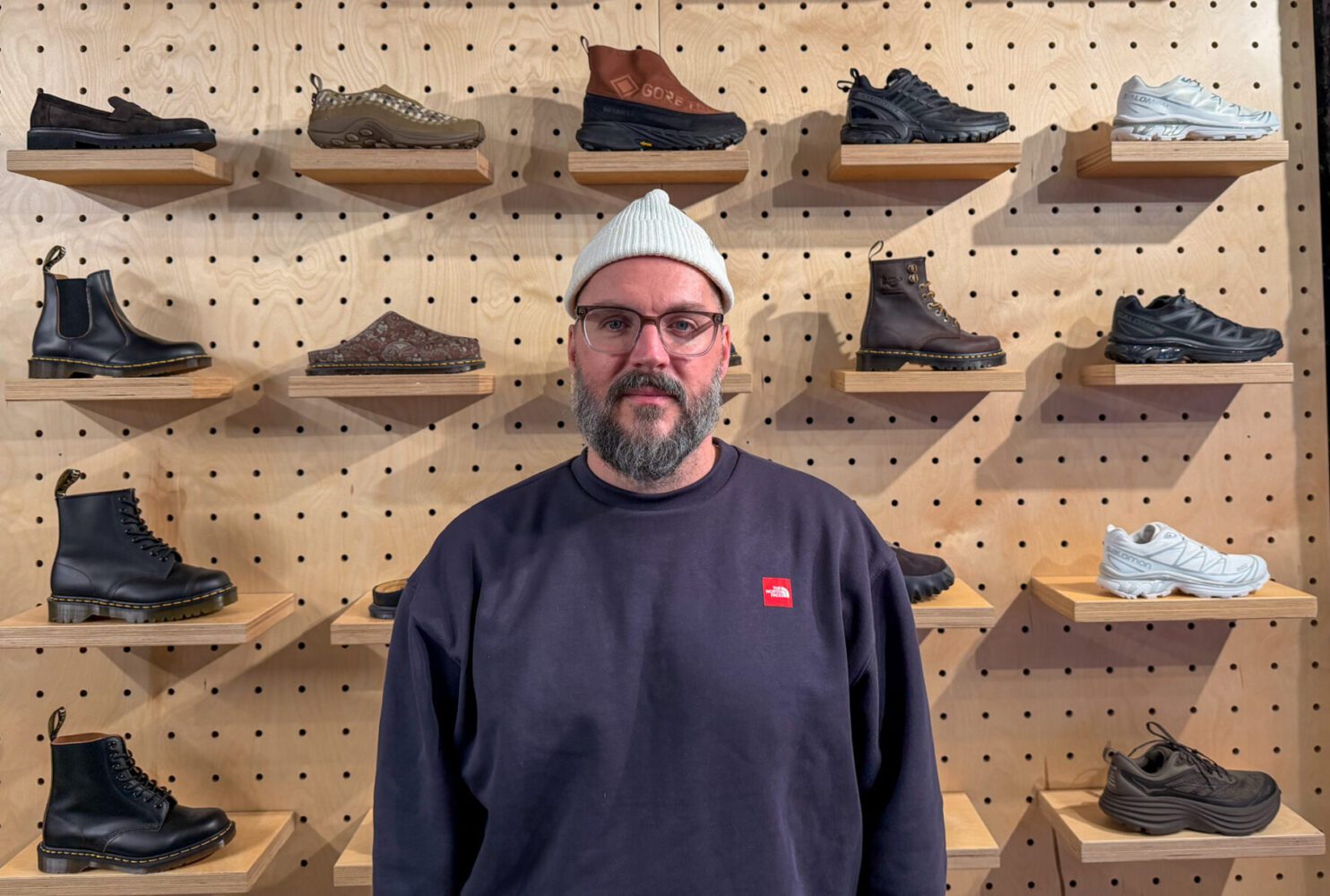
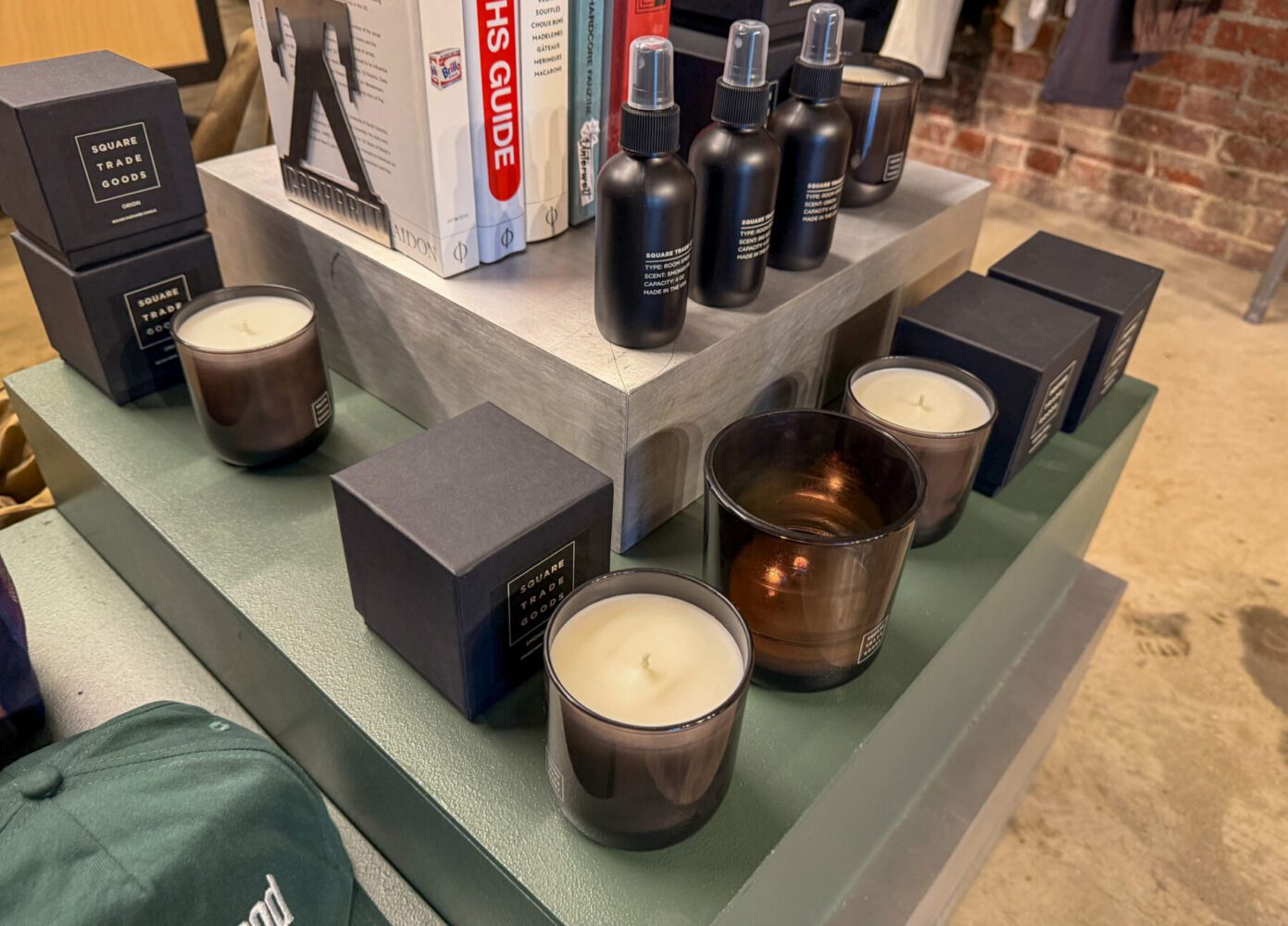
Homme Essentials didn’t start as a clothing store. It started with candles.
Alan founded Square Trade Goods Co. back in 2012 and spent years traveling to menswear trade shows, meeting other independent brands that, like him, were growing slowly and deliberately. He wasn’t trying to be a gift company. He wanted to live in the boutiques, the small curated spaces that treat objects like they matter. Over time, he noticed something: a lot of these emerging brands weren’t represented anywhere in Virginia.
That gap turned into an idea. Square Trade was growing. He had relationships with great makers. And, as he says with a laugh, he was feeling a little bored. So he opened a small store. Then Christina walked in.
Christina first encountered Alan’s work at Nine Roses. They were burning a custom Square Trade scent, Vega, and she became obsessed. At the time she was working for Need Supply Co, where Alan was also a wholesaler, so one day he walked into the store to deliver product and she made the connection: “Wait, you’re the one who makes that scent I love.” A few years later, after Need shuttered and the pandemic wiped out her job, she found herself consulting for Alan. She didn’t expect to be pulled back into retail. She even tried real estate. But as she puts it, this work is “like water rolling off my body.” It’s where she fits.
Her professional background is deep. At Need Supply she helped grow the business during its rapid expansion years, worked on store remodels, managed flagships in New York and Seattle, led customer experience, and dove into the analytical side of ecommerce. That combination of instincts and data runs all through Homme Essentials.
Both owners talk a lot about intentionality. They buy together. They argue, debate, edit, and reconsider. They carry harder-to-find brands because they want pieces with longevity and real value.
Trends matter less now, they say. Customers are choosing fewer, better things. People want quality that wears in, not out. And Homme Essentials leans into that. You can get a forty-dollar tee here, or you can buy an eight-hundred-dollar coat. Either way, they’ll walk you through why it costs what it costs, how it was made, and how long they expect it to last.
“We’re not concerned with every person walking out the door with a bag,” Alan says. “We want people to leave feeling good about what they bought.”
Before they landed in Bellevue, Homme Essentials spent five years in a small space off Lafayette Street. Then the building sold, and the rug got pulled out from under them. No backup plan, no new lease, no timeline. They launched a temporary pop-up at Vinyl Conflict while they scrambled for a permanent home.
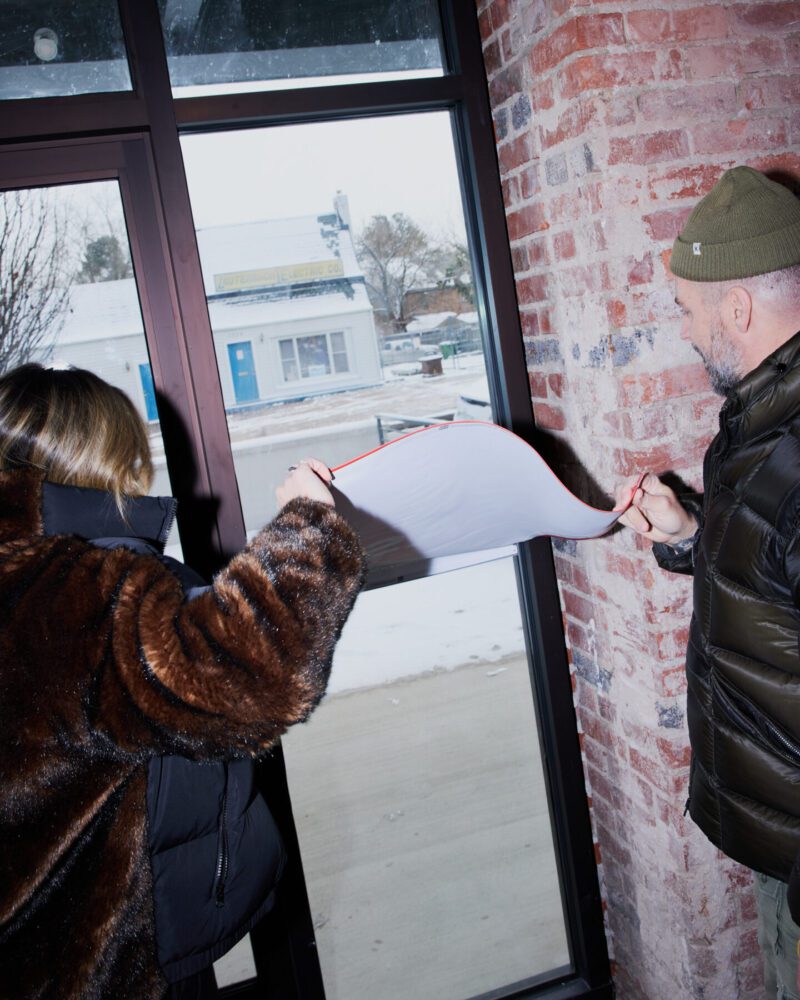
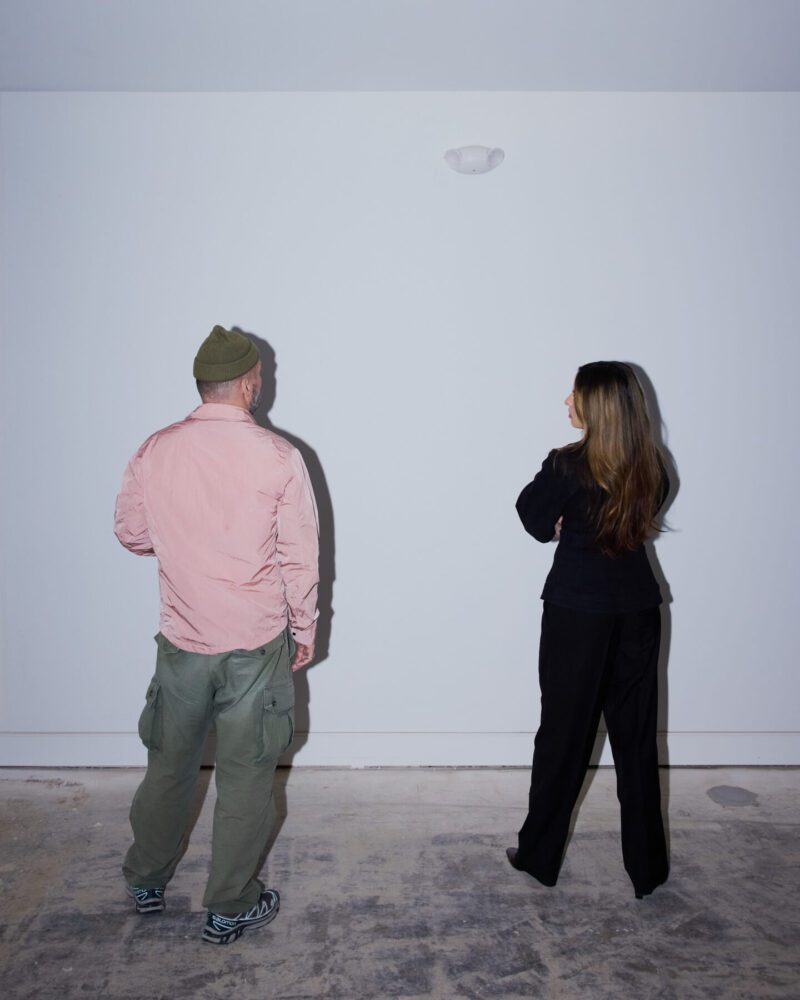
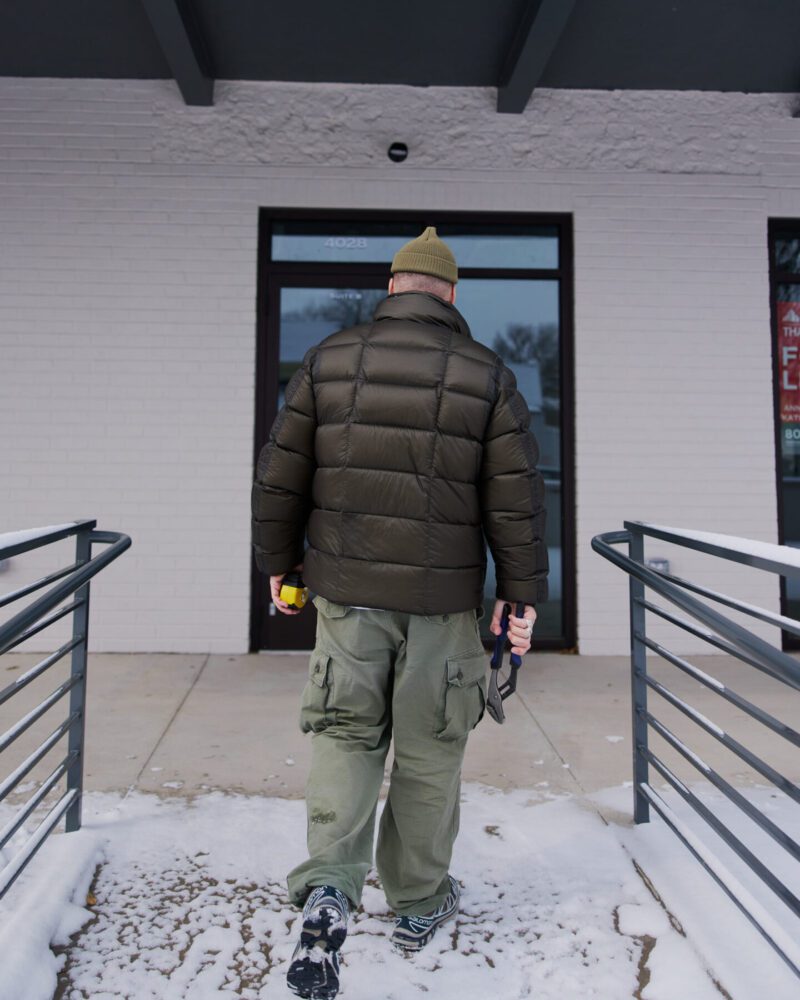
Finding this space wasn’t the hard part. Building it was.
They did nearly everything themselves: design, buildout, fixtures, shelving, paint. Just a four-person crew made up of the two of them and their fathers. Christina, with her background in store planning and remodels, led the charge. They had almost no budget, but they had a vision. And building it by hand made the final result feel earned.
“We had to make something out of nothing,” Alan says. “But once we got close to the finish line, it was obvious this was going to be a very good thing for us.”
The Bellevue neighborhood turned out to be the right fit: a walkable block in a residential area, enough space to finally introduce women’s clothing more fully, and a customer base that feels aligned with what they’re building.
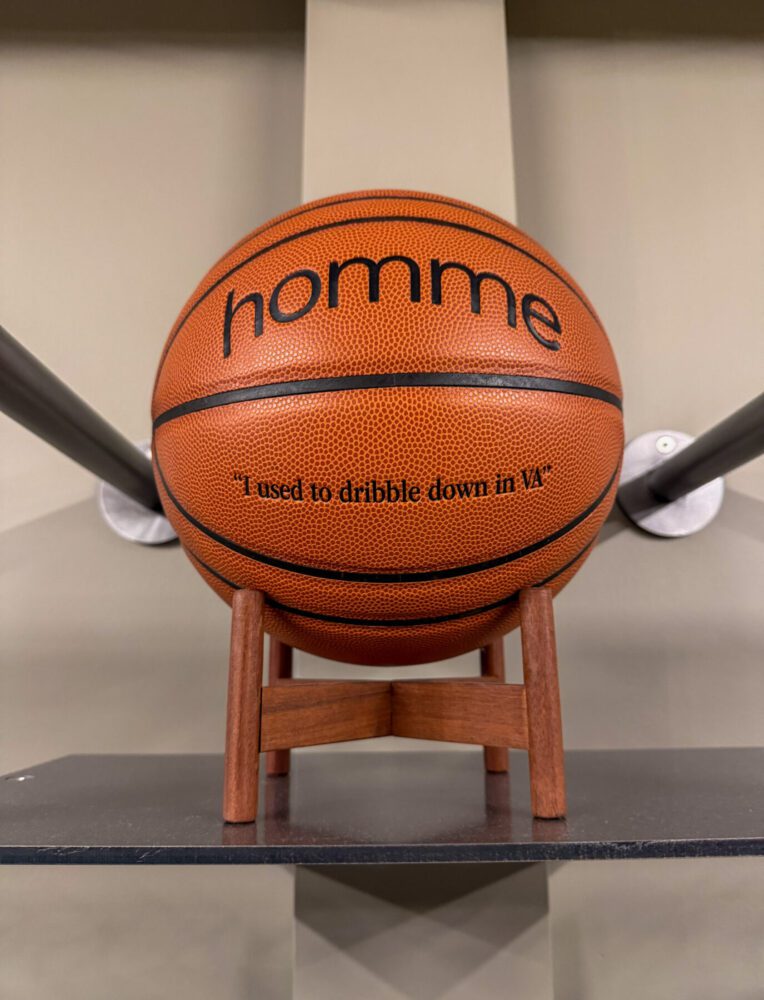
Customers see the clean lines, the racks, the calm environment. What they don’t see is the grind.
Late-night website merchandising. Early-morning order pickups. Shoveling snow before opening. Managing customer service emails. Buying appointments months in advance. Planning collections a year out. And, of course, being physically in the store far more often than the posted hours suggest.
People assume a good Instagram presence equals stability. In reality, small retail is a long, daily slog. But both owners still like it. They like the struggle, strangely enough. And they really like the moments that make it feel worthwhile.
Alan told me about being at the Whole Foods hot bar when a stranger walked up to thank him for the backpack his wife bought him from Homme Essentials. A few minutes later, another shopper complimented the same backpack. “Those little moments,” he said, “are what make all the hard parts worth it.”
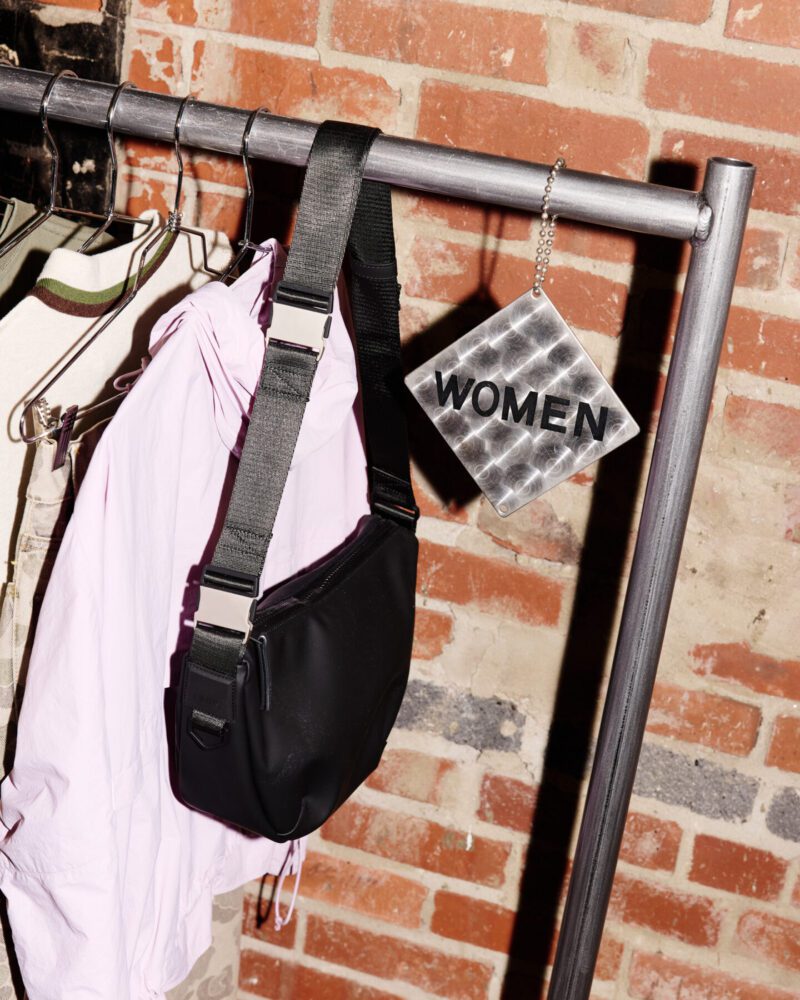
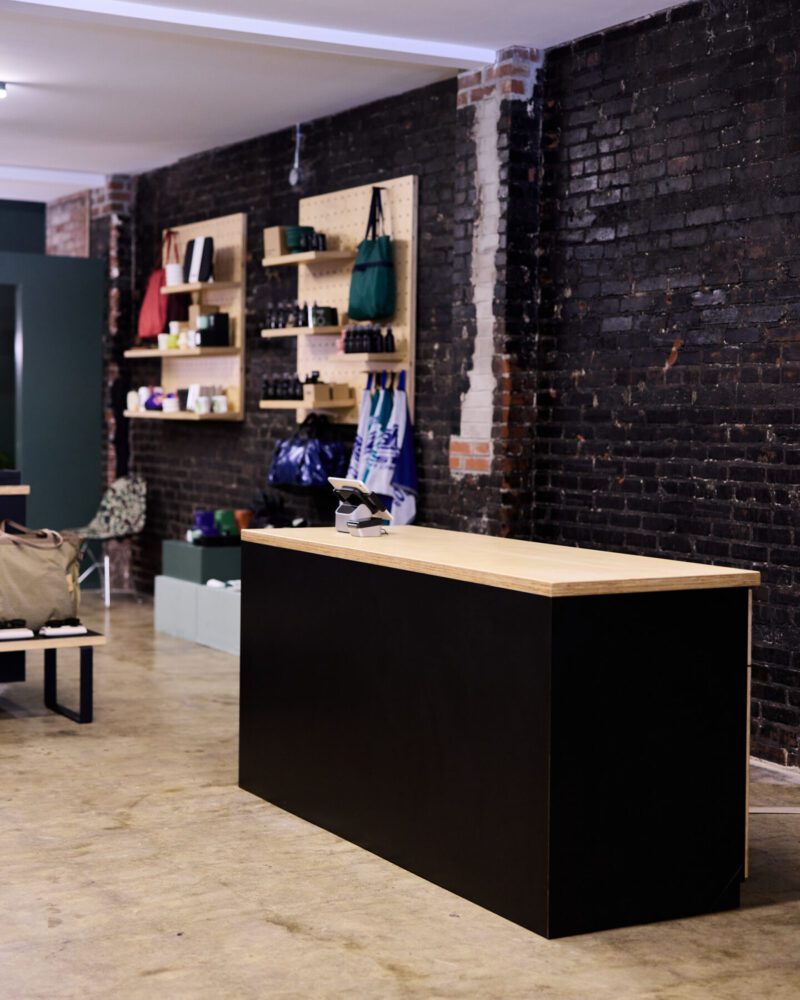
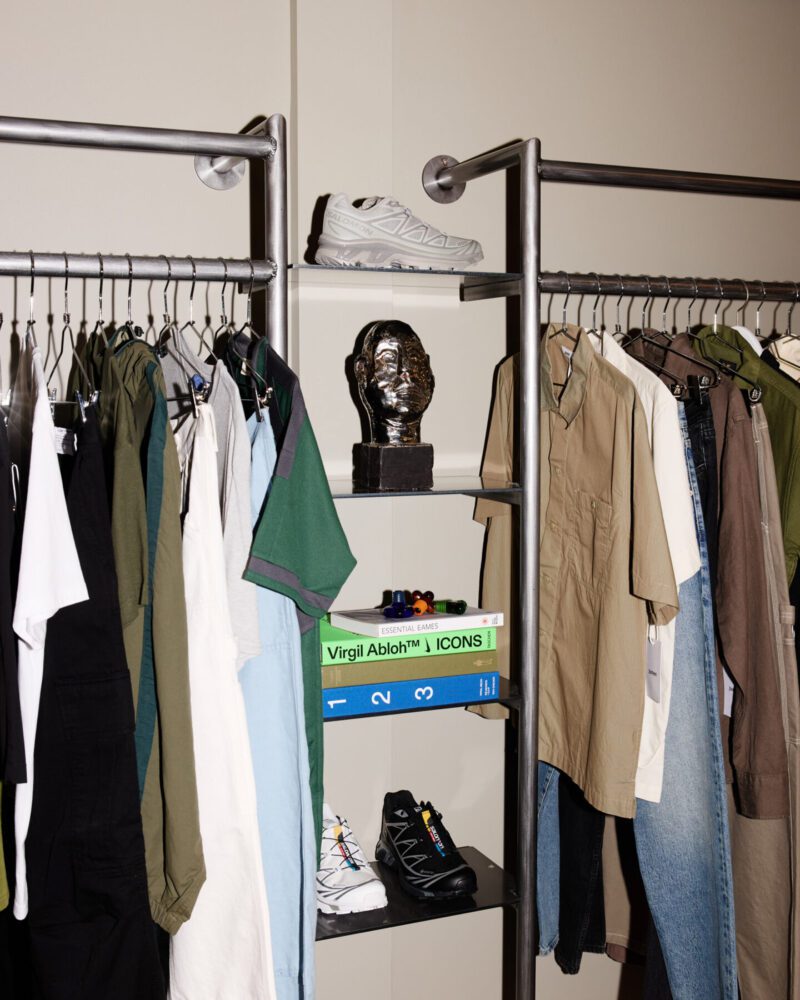
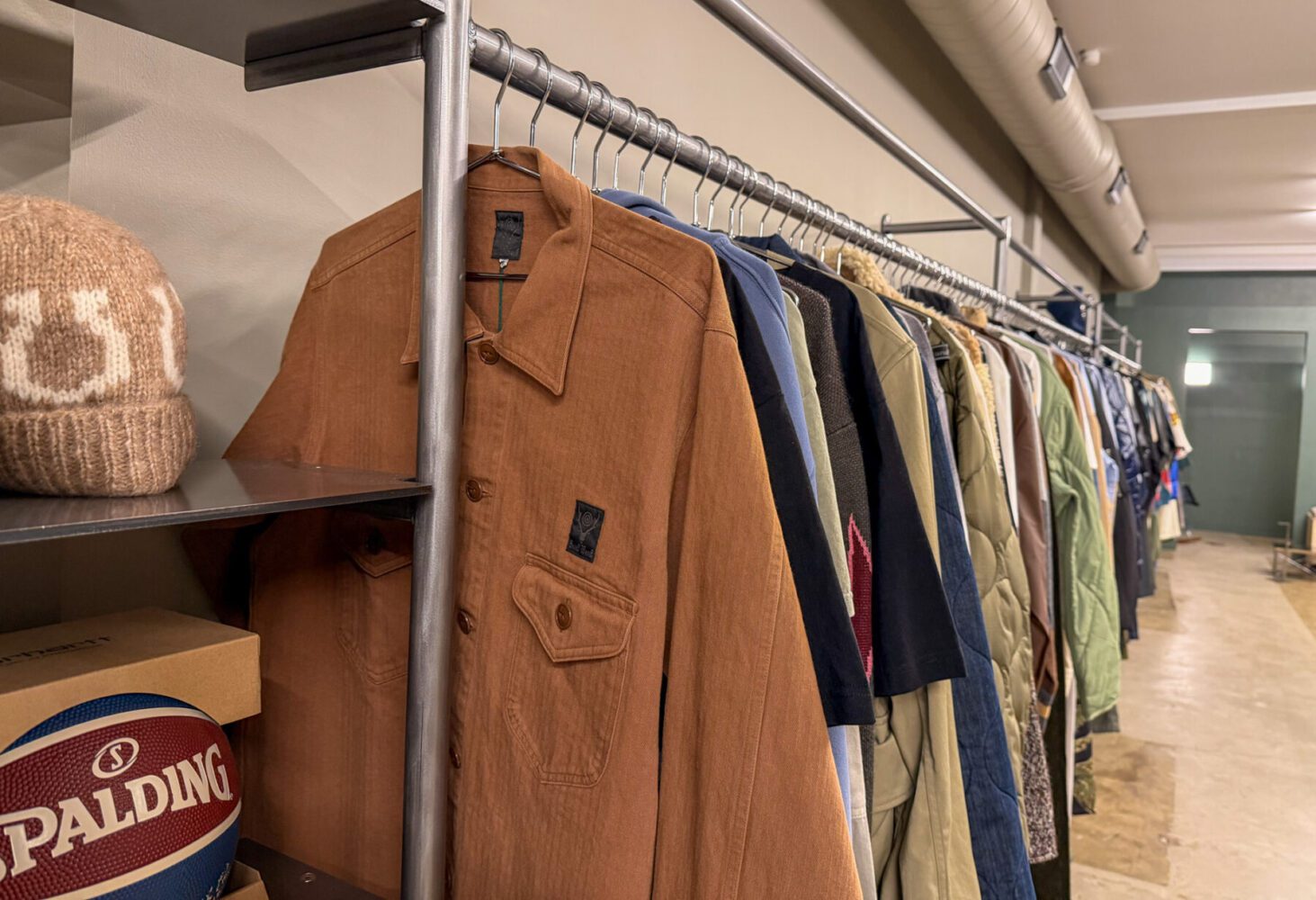
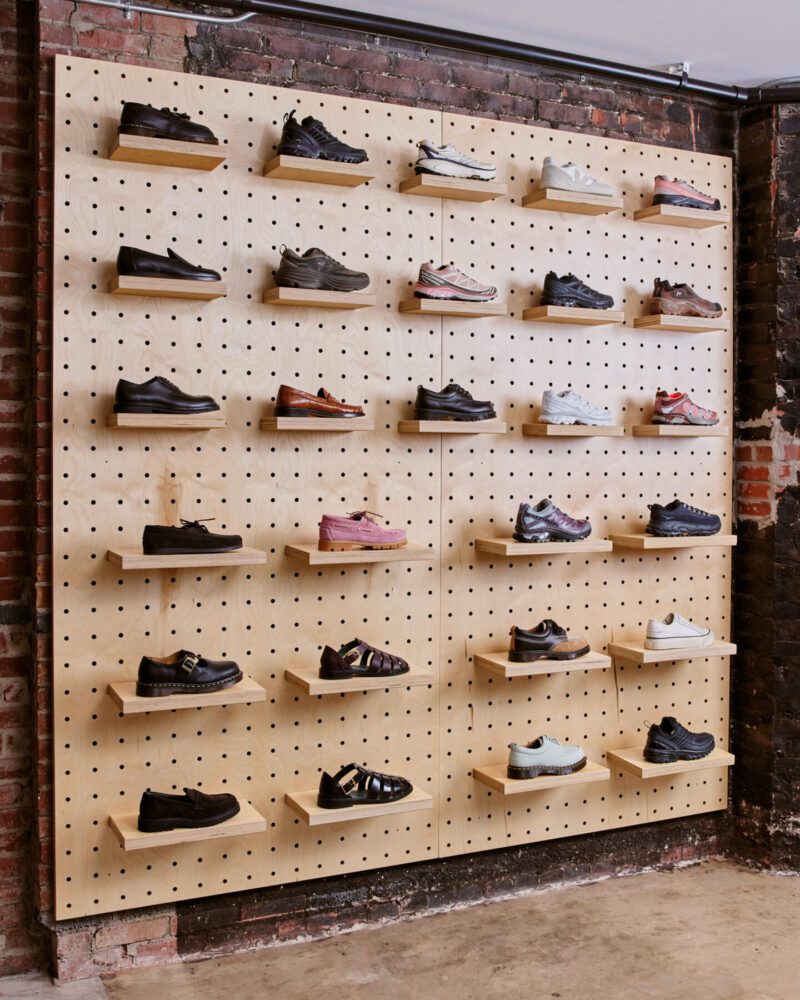
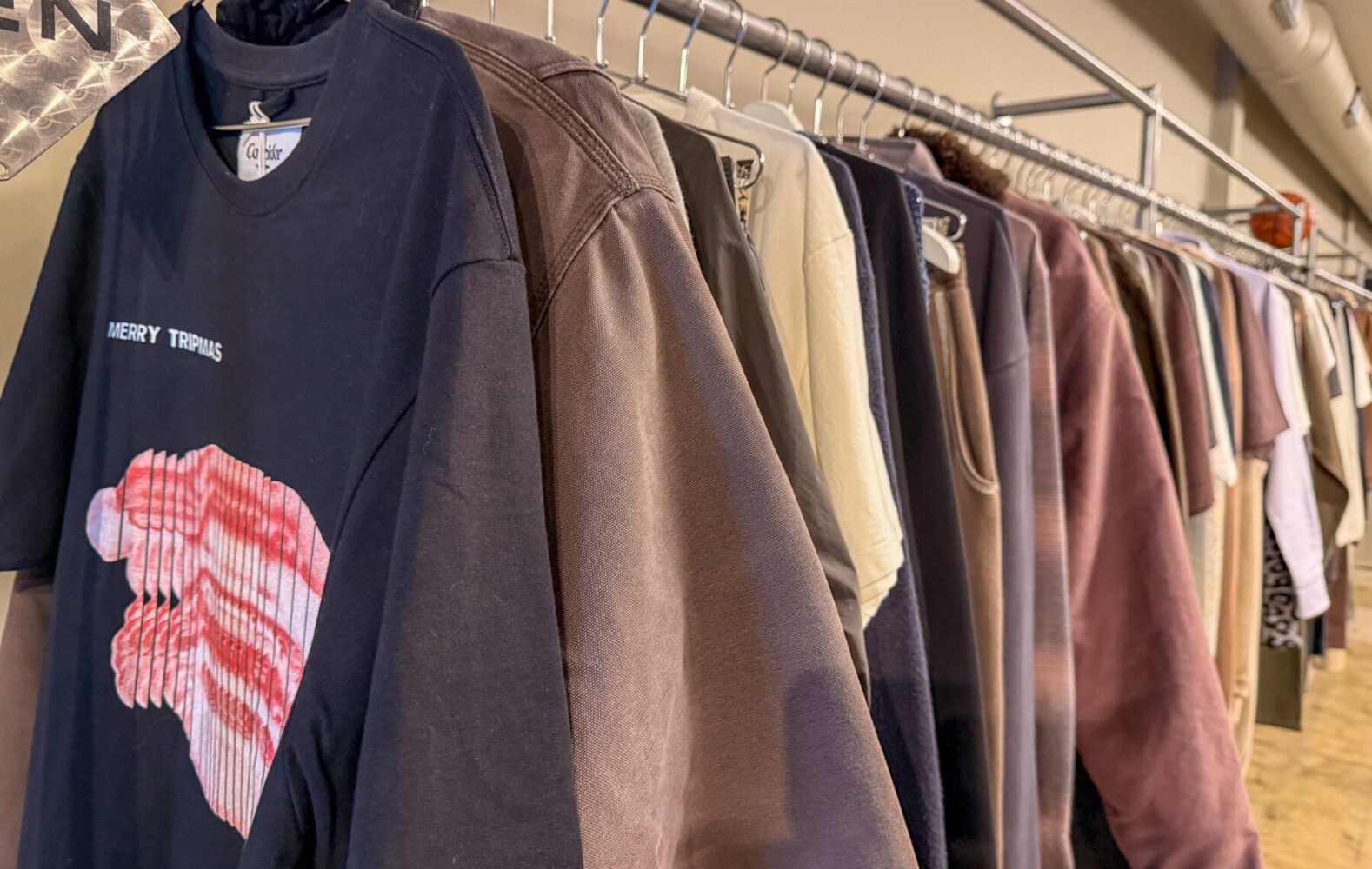
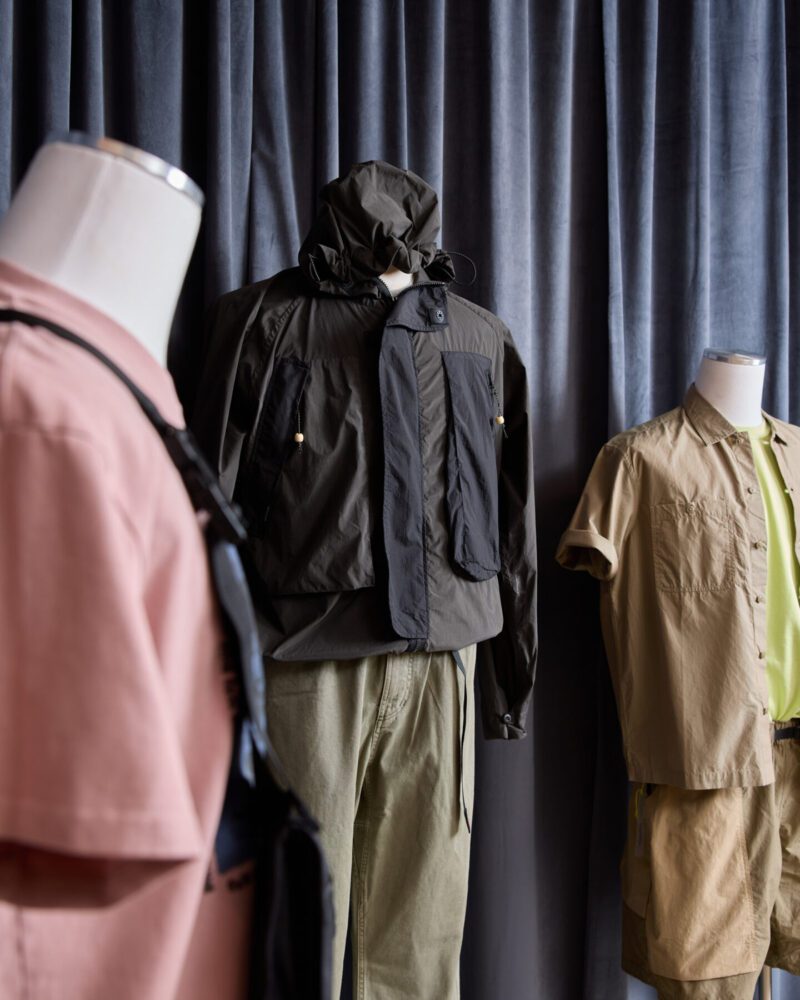
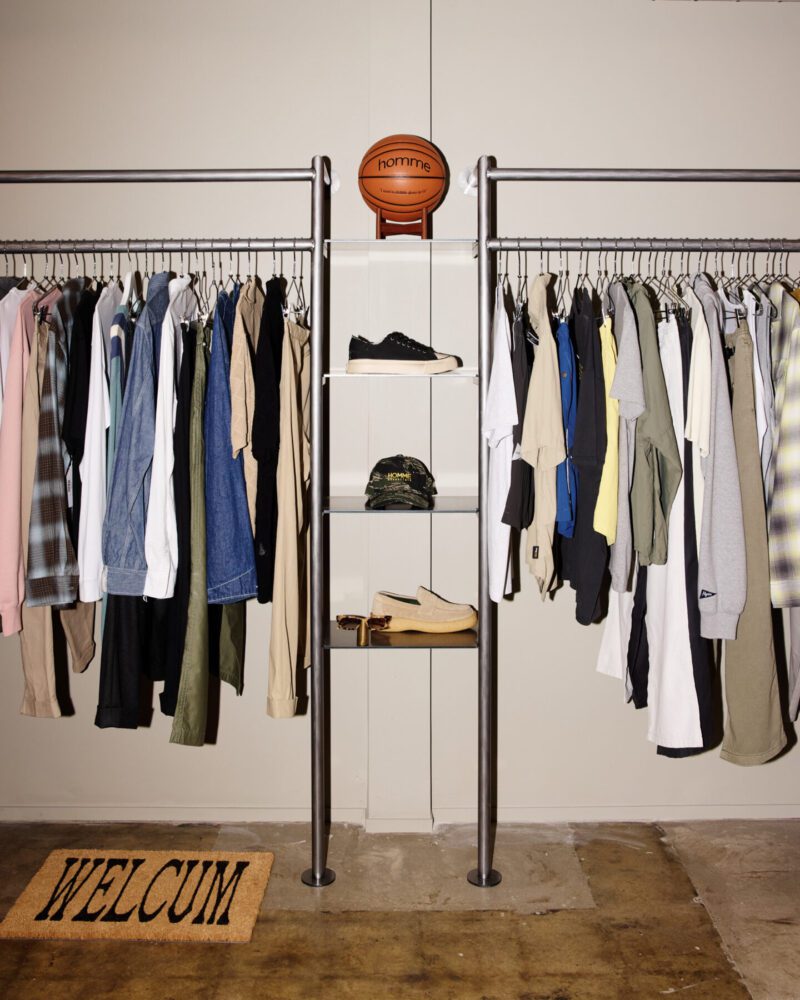
One thing both owners are clear about: brick-and-mortar still has value, especially in a post-pandemic world. Christina jokes that people underestimate how fast “same-day shopping” is. You want something now? Walk in and buy it.
People miss tactile experiences. They miss conversations, trust, and guidance. And they want a place where quality is explained, not implied. That’s why Homme Essentials exists.
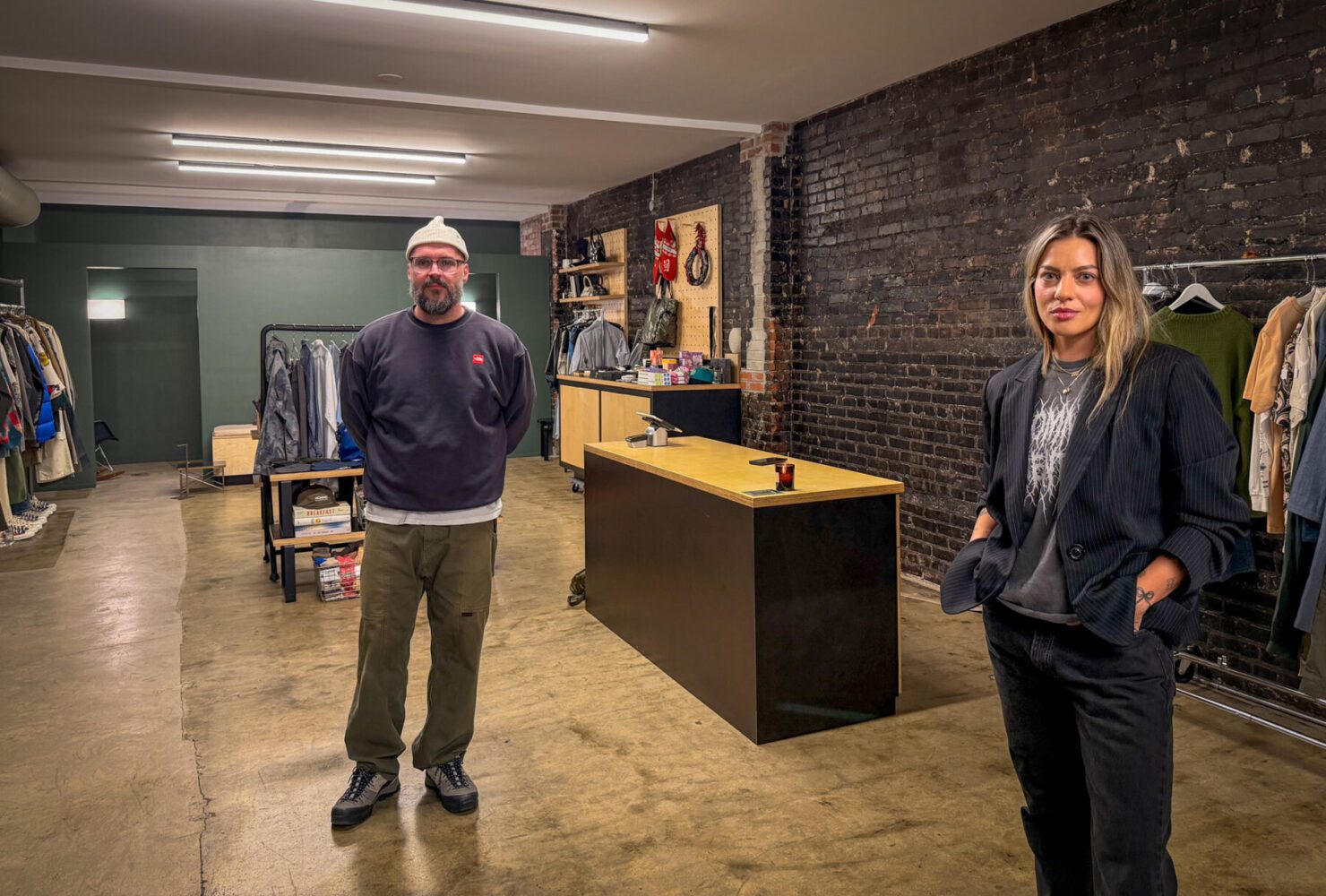
As they approach their sixth year, Alan and Christina seem grounded but optimistic. They know small business is hard and the margins are tighter than most people realize. They know Amazon has changed customer expectations in ways that are tough to compete with.
But they also know this: people are paying attention. Nearly 800 Richmonders voted for them in our Readers’ Poll this year. New customers find them every week. And the neighborhood has embraced them in a way that feels encouraging.
They built this place piece by piece, often literally with their own hands. And it shows. Homme Essentials isn’t just another boutique. It’s a perspective on how to shop local, how to buy less but better, and how to build a business around trust instead of volume.
“It’s not easy,” Christina says. “But it’s worth it. And Richmond deserves a store like this.”
Support RVA Magazine. Support Independent Media in Richmond.
At a time when media ownership is increasingly concentrated among corporations and the wealthy, RVA Magazine has remained one of Richmond’s few independent voices. Since 2005, the magazine has provided grassroots coverage of the city’s artists, musicians, and communities, documenting the culture that defines Richmond beyond the headlines.
But we can’t do this without you. A small donation, even as little as $2, one-time or recurring, helps us continue to produce honest, local coverage free from outside interference. Every dollar makes a difference. Your support keeps us going and keeps RVA’s creative spirit alive. Thank you for standing with independent media. DONATE HERE.
We’ve got merch HERE
Subscribe to the Substack HERE
And Reddit HERE
And YouTube HERE