

The second Islamic holiday, Eid-ul-Adha, is right around the corner. Eid-ul-Adha, literally meaning “Feast of the Sacrifice,” commemorates the story of sacrifice by Prophet Ibrahim (Abraham) in the Islamic faith.
Eid-ul-Adha falls on the 10th day of the last month of the Islamic lunar calendar, Dhul-Hijjah. On the Gregorian calendar, it will fall on Aug. 21 this year.
The story of Ibrahim is very similar between Islam, Christianity, and Judaism.
In Islamic tradition, Ibrahim is ordered by Allah in a dream to sacrifice his son, Ismail (Ishmael), as an act of obedience and dedication to his Lord. As Ibrahim was about to sacrifice his son, Allah stopped him, giving him a lamb to sacrifice in place.
Christian and Jewish tradition details the same story, except Allah ordered Ibrahim to sacrifice his other son, Ishaq (Isaac).
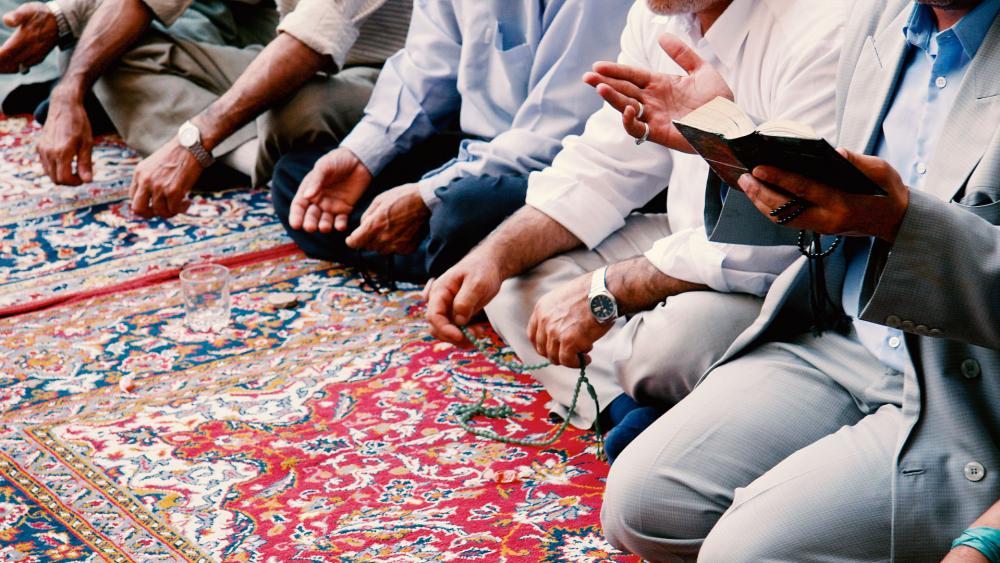
In remembrance and reflection of Ibrahim’s exceptional devotion to Allah, Muslims around the world slaughter an animal to honor Ibrahim’s sacrifice thousands of years ago. Whether it be a lamb, sheep, or goat, the animal must be slaughtered according to proper, civil standards. The meat sacrificed is then divided into thirds; one-third to be shared with family, one-third for friends, and one-third for the poor. The sacrifice, called “qurbani,” should be made by anyone who has the financial means and access to do so.
Eid-ul-Adha simultaneously marks the pinnacle of Hajj, the pilgrimage taken by around 2 million Muslims every year. Hajj is one of the five pillars of Islam, and every Muslim should complete the six-day pilgrimage once in their lifetime if they can afford it and are in good health.

Hajj takes place from the 8th and 13th of Dhul-Hijjah, or August 20-25 on the Gregorian calendar. The journey to Mecca consists of different sacred rituals, including a symbolic stoning of the devil and multiple circlings of the Islamic House of God, called the Kaaba. The circlings, called “tawaf,” are a symbol demonstrating the unity of the millions of Muslims moving around the Kaaba in harmony, saying prayers.
For many Muslims, Eid-ul-Adha is a different type of celebration compared to our first holiday of the year, Eid-ul-Fitr, which is celebrated right after Ramadan, a religious month of fasting. The celebration of Eid-ul-Adha is rooted in generosity and giving – everything from the donation of the qurbani to other forms of charity is encouraged as the day runs its course.

Every Muslim family will observe the holiday in their own way. But on August 21, you’ll find millions of Muslims around the world getting up early in the morning for a ritual Eid prayer, followed by gift-giving, offering charity, and spending time with family amongst other festivities. To join in on the fun and high spirits, you can wish your Muslims friends, neighbors and coworkers “Eid Mubarak,” the greeting used on Eid.