When I called Nicolás Aguilar earlier this week, he was standing on a Richmond street corner waiting to meet a few of the men who appear in his new exhibition at Art Brigade inside Health Brigade. They were planning to attend the opening together later that evening, a small but meaningful reversal. He had spent years sitting with them in their world. Now they would step into his.
Aguilar, born in Mexico City in 1989, trained at the Centro de Capacitación Cinematográfica and has worked as a sound engineer for film, a documentary filmmaker, and, over the years, a first responder, cave diver, swimming coach, teacher, and independent publisher. For much of his adult life he has lived without a fixed home, moving between Mexico City, the Yucatán Peninsula, Virginia, California, and Japan. A backpack for clothes, a backpack for his camera. and work where he can find it.
“I’ve had this necessity to be on the move since I was very young,” he told me. “To know people, know places, explore, and get to know myself in the process.”

He has been photographing on 35mm film with the same camera since the late 1990s, a point-and-shoot Kodak he first carried as a teenager. Back then it was about documenting friends and summer days. Later, after encountering the work of Czech photographer Josef Koudelka, whose images of Roma communities left a deep impression on him, the camera became something else, a way of entering other worlds.

As a skateboarder growing up, Aguilar spent most of his time in the street. He remembers being drawn to the people who seemed to inhabit it fully.
“There was a thing that when I was a kid, I wanted to be a vagabond,” he said. “I admired the liberty and the freedom that I would see in these folks. The street just seemed like it belonged to them.”
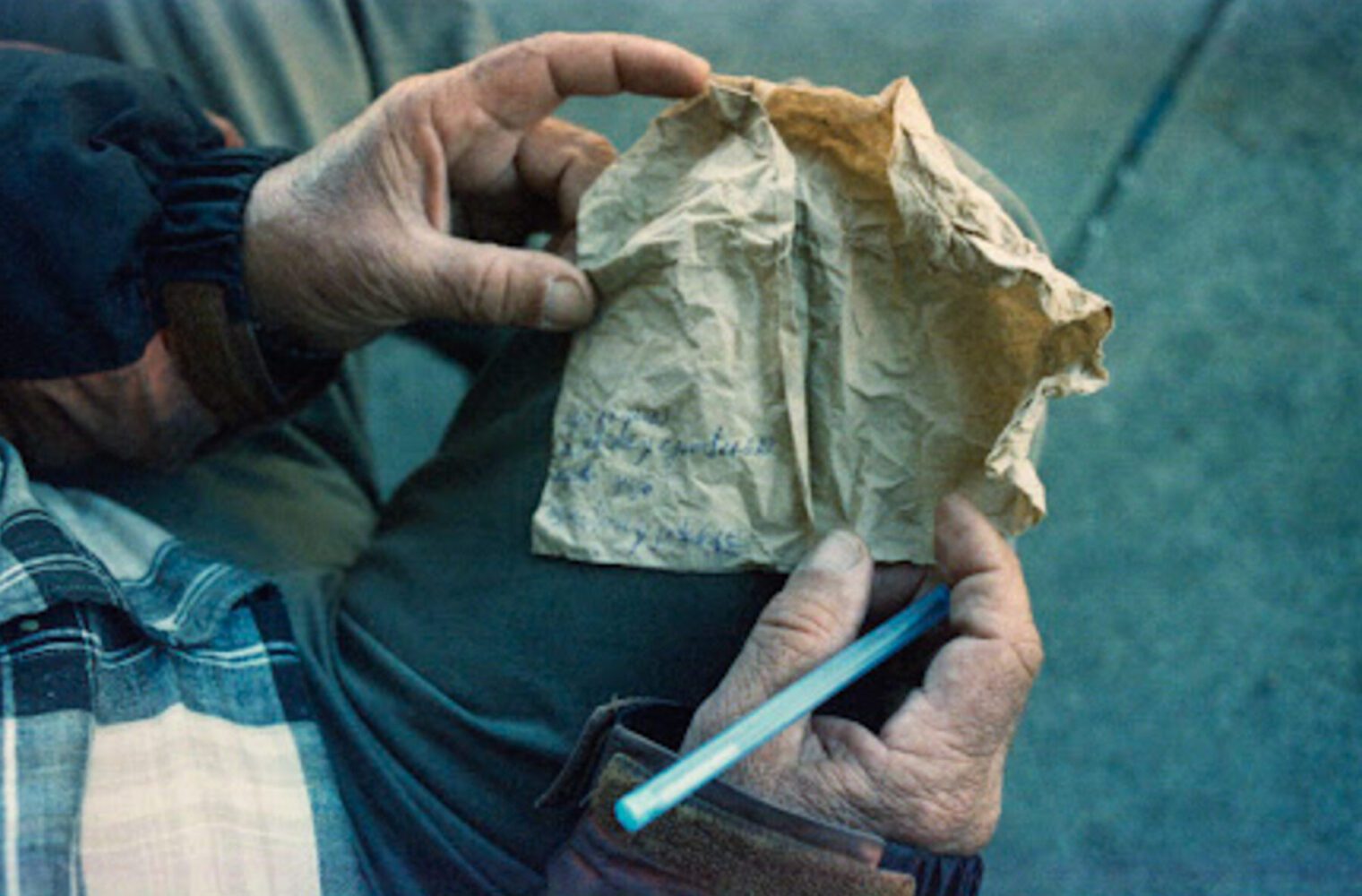
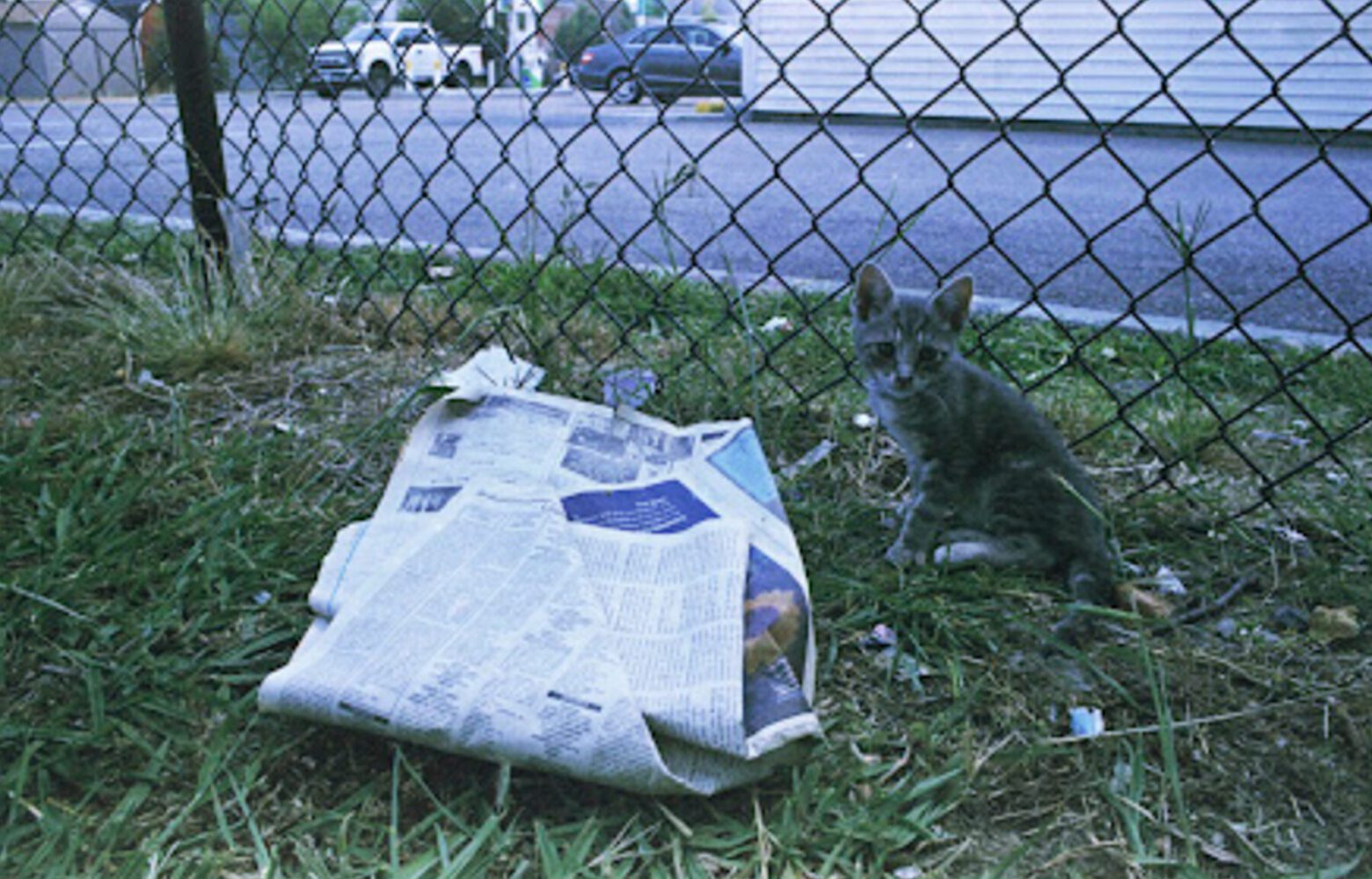
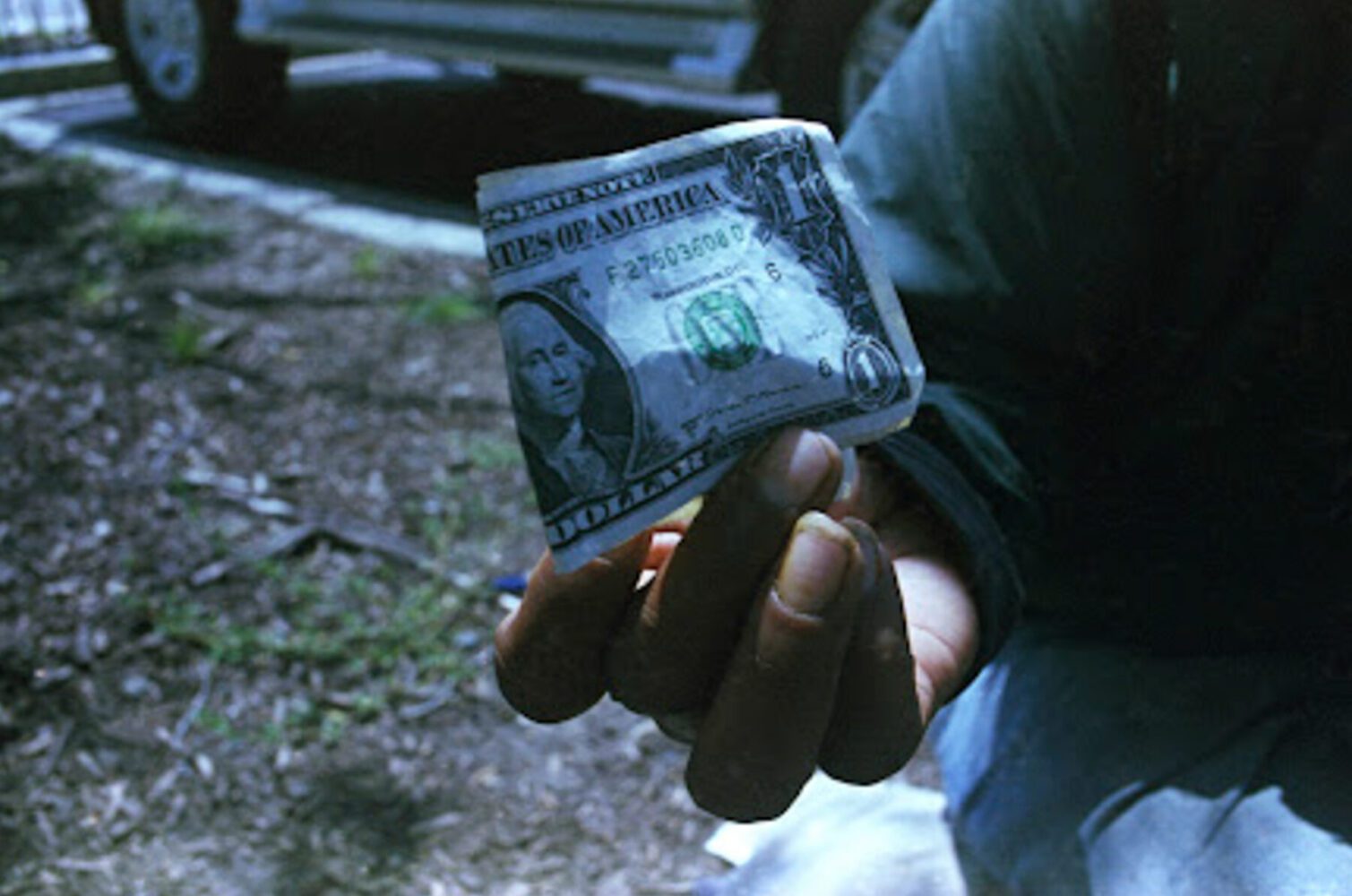
That early interest eventually evolved into a long-term project. The photographs now on view at The Art Brigade inside Health Brigade were created in Richmond between 2023 and 2025. They focus on what he calls “a strong community of people who inhabit the streets.” Some are unhoused or day laborers waiting for work. Some are simply passing through. The label matters less to him than the shared reality of public space.
“I call them inhabitants of the street,” he explained. “There are so many different ways of inhabiting public space. Those are our streets.”

He spent years getting to know them, and during that first year he said he hardly pulled the camera from his bag. He sat with them. He listened. The photographs came later, unfolding naturally out of time spent together rather than any rush to document.
“The friendship is not the result of the photos,” he told me. “It’s the other way around. The photos are the result of a friendship.”
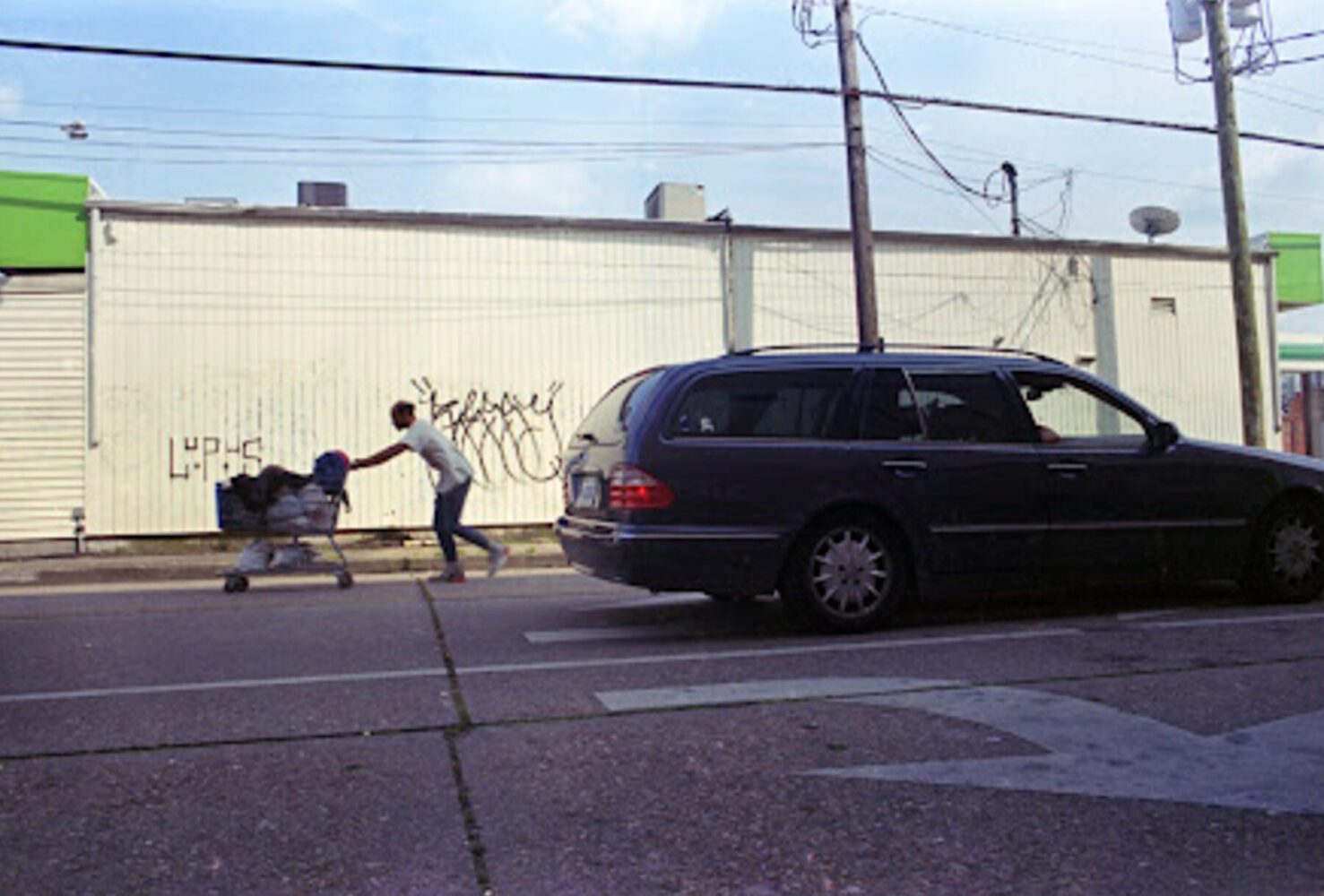
That ethic extends into the frame itself. According to the exhibition text, the photographs were made “always with their participation and consent,” and in some cases by both the artist and the “protagonists” of the images. Aguilar uses that word intentionally.
“They decide how their picture is taken,” he said. “How to pose, where to pose, how they want to be depicted. That makes it not just my show. It’s our show.”
The collaboration feels especially at home at Health Brigade, a long-standing Richmond institution that pairs healthcare access with community-centered programming, something we explored recently in our conversation with Edward Peters about the organization’s broader work. Aguilar first encountered the Art Brigade gallery while attending another photographer’s opening and began talking with Julie, who runs the space. What started as a casual conversation turned into something aligned around shared values.
“I think the photos are my way of doing what they do,” he said. “Bringing visibility to regular people. Not to save anyone. Just to be fair. To be respectful of people’s dignity.”
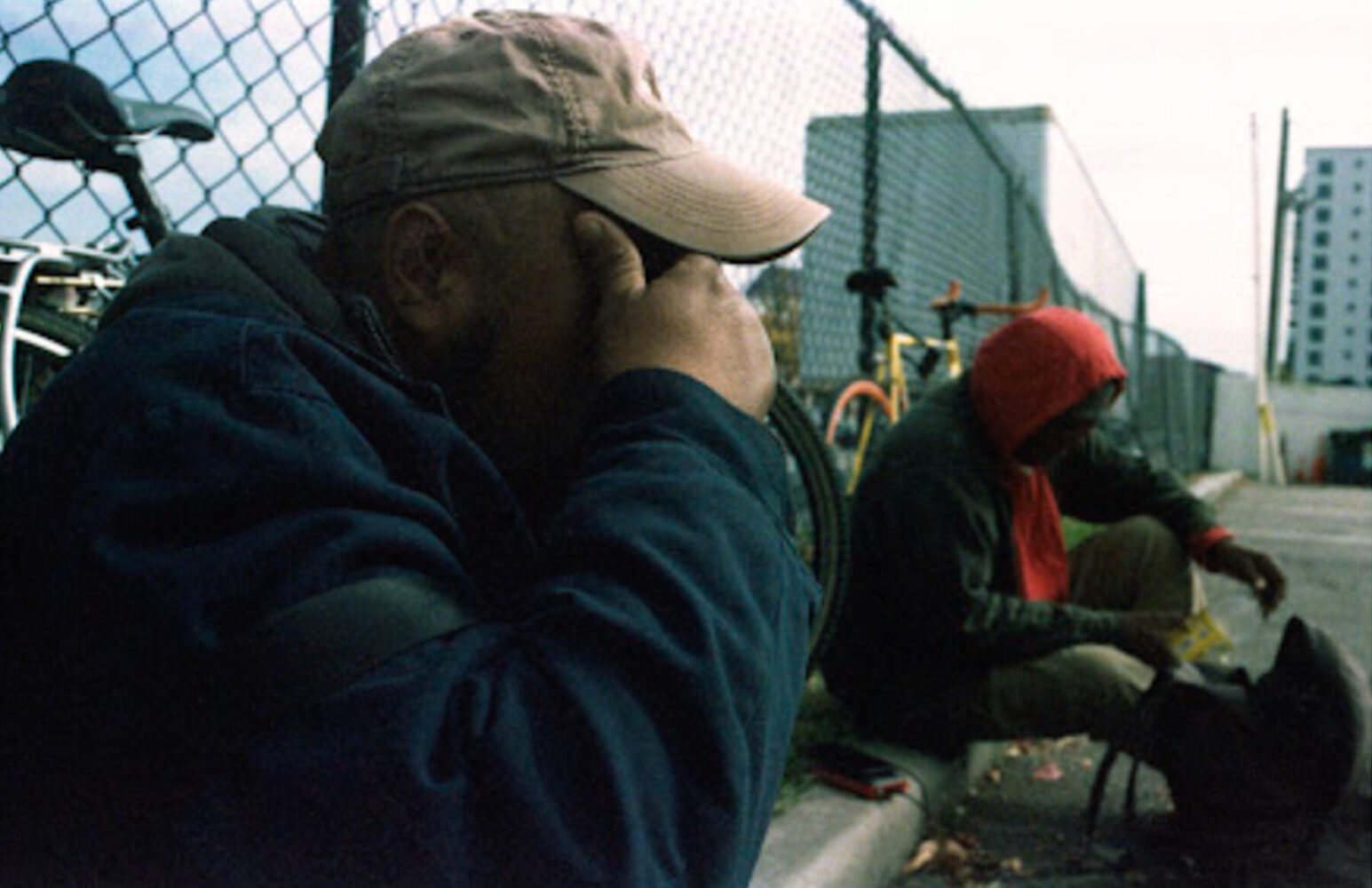
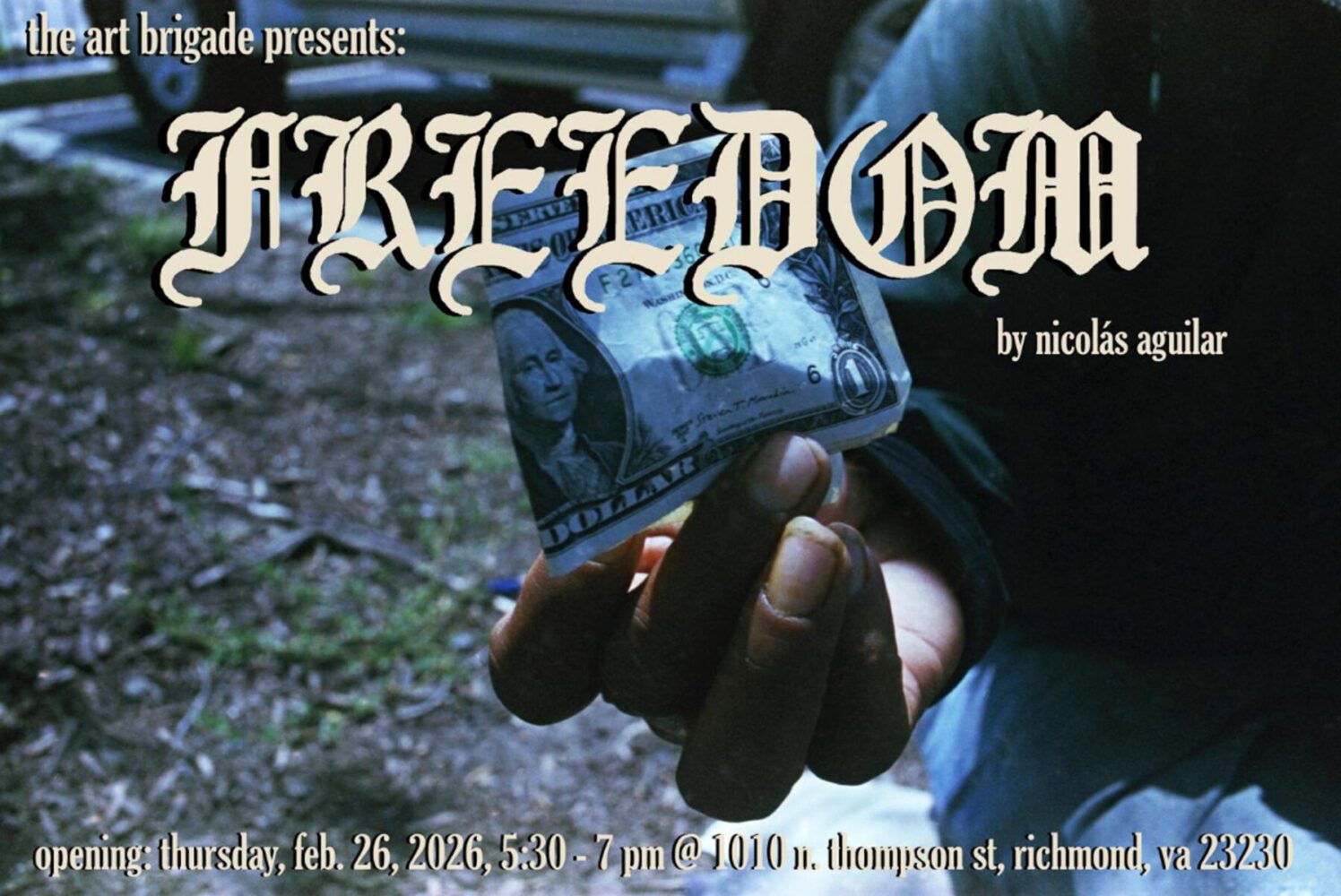
The exhibition poses a question that lingers: “What is the price of freedom?” As a child, he admits, he romanticized the idea of being a hobo. As an adult, the question carries more weight.
“These photos are raising some issues,” he said. “I just invite people to come and see them. Maybe get rid of some biases we might have. Let yourself be carried away by the images.”
For Aguilar, the exhibition is less about presenting answers than creating a space for exchange. He talks about communion, about putting on each other’s shoes, about remembering that “we’re all here together, not against each other.”
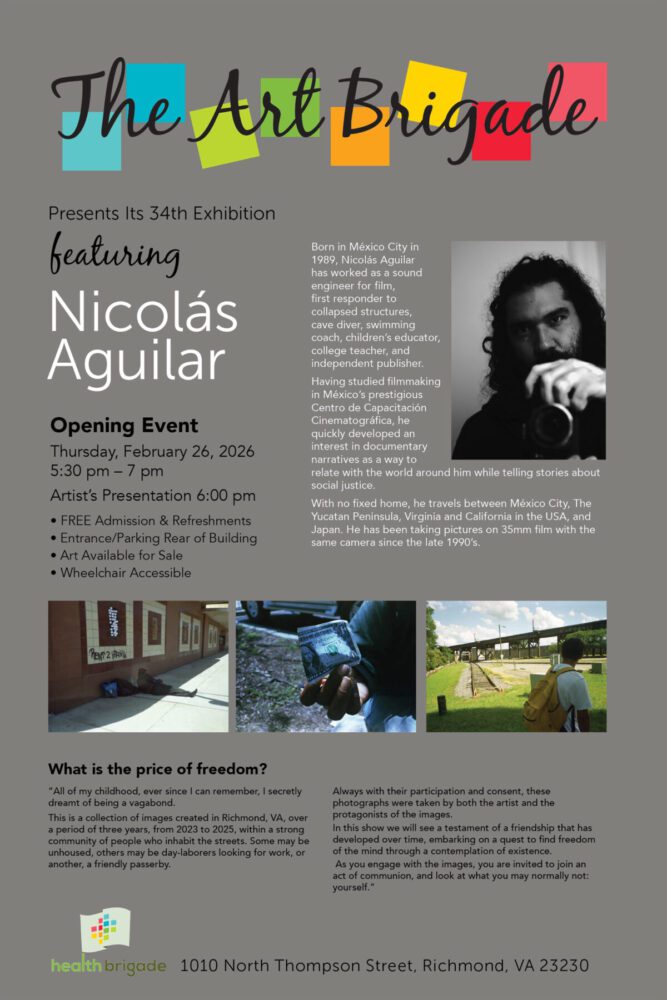
The show runs for two months starting February 26th at The Art Brigade at Health Brigade, 1010 North Thompson Street. Admission is free.
Support RVA Magazine. Support Independent Media in Richmond.
At a time when media ownership is increasingly concentrated among corporations and the uber wealthy, RVA Magazine has remained one of Richmond’s few independent voices. Since 2005, the magazine has provided grassroots coverage of the city’s artists, musicians, and communities, documenting the culture that defines Richmond beyond the headlines.
But we can’t do this without you. A small donation, even as little as $2, one-time or recurring, helps us continue to produce honest, local coverage free from outside interference. Every dollar makes a difference. Your support keeps us going and keeps RVA’s creative spirit alive. Thank you for standing with independent media. DONATE HERE.
We’ve got merch HERE
Subscribe to the Substack HERE
And Reddit HERE
And YouTube HERE