
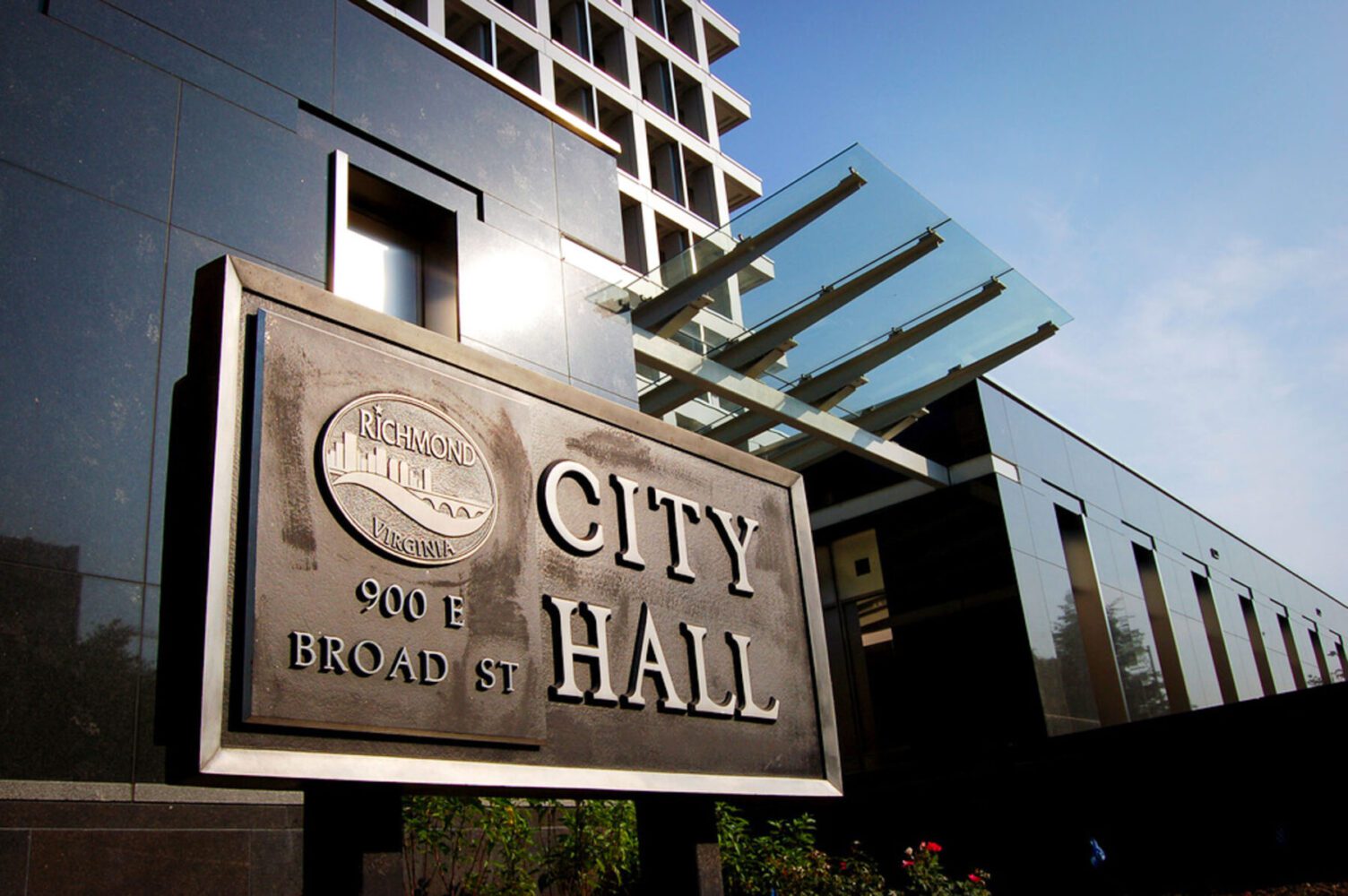
As Sunshine Week wrapped up, Richmond picked up a distinction that’s less celebration and more indictment.
The city was named a 2026 recipient of the “City of Darkness” Award, part of The Foilies, an annual project from the Electronic Frontier Foundation and MuckRock that calls out the worst offenders when it comes to government transparency.
Established in 2015, The Foilies are released each year during Sunshine Week, a national initiative focused on open government. The project is designed to highlight, often with a bit of dry humor, the agencies and officials that “thwart the public’s right to know” through excessive redactions, delays, or outright obstruction of public records requests.
This year, Richmond made the list.
At the center of the criticism is the city’s newly created FOIA Library, a system that on paper looks like a move toward greater public access, but in practice has raised concerns about who controls that access and how much of it the public will actually see.
According to The Foilies’ award statement, Richmond opted against a plan that would have published all eligible public records released under Virginia’s Freedom of Information Act. Instead, City Council backed an alternative proposal from the mayor’s office that gives the administration authority to decide which records make it into the library.
That means the same officials who may be the subject of those records are also responsible for determining what gets released.
Under the current framework, the FOIA Library will include only a subset of records, filtered based on criteria set by the administration. That includes whether documents are considered “relevant” to city business or useful for “accountability.” The justification, as cited by the city, is concern that “transparency without context” could be confusing to the public.
Critics, including those behind The Foilies, aren’t buying that reasoning and the concerns don’t stop with the library.
Richmond is also in the middle of an ongoing legal battle involving former city FOIA officer Connie Clay, who alleges she was fired for pushing the city to comply with public records law. Clay has described the city’s FOIA process as “chaotic and mismanaged,” and claims it failed to meet legal standards.
In response, attorneys representing the city have sought to block Clay from filing FOIA requests related to her termination and attempted to secure a gag order limiting her ability to speak publicly about the case. The financial cost is already significant. Rather than settle the dispute for $250,000, the city has spent more than $633,000 in taxpayer funds on legal fees, with the case still ongoing.
Both the trial and the rollout of the FOIA Library are expected to play out this summer, setting up what could be a defining moment for how Richmond handles transparency moving forward.
Original reporting on this by local reporter Josh Stanfield
Full write up from The Follies below.
The City of Darkness Award – Richmond, Va.
Richmond’s creation of a new FOIA Library may seem like a step toward transparency, but there are questions about the city’s commitment after it left the same officials subject to records requests in charge of curating which records might be released.
Faced with a plan to post all of the city’s eligible public records released under Virginia’s “sunshine” law, the Richmond City Council instead opted to go with the mayor’s alternative proposal. That plan lets the mayor’s administration — the same one that might be the subject of those records — decide what’s worth posting to the library.
Instead of providing access to all public records that the city released under the Virginia Freedom of Information Act, the library will only contain a subset that officials believe meet certain criteria, including records that the administration deems “relevant” to city business or that would aid “accountability.” The city cites concerns that “transparency without context” might be too confusing for the average citizen. Forgive us for having more faith in Richmond residents than its leaders do.
The city’s secrecy shenanigans extend beyond the FOIA library.
In an ongoing legal battle, attorneys representing Richmond asked a judge to prohibit former city FOIA officer Connie Clay from filing FOIA requests seeking information about her firing, and sought a gag order to prevent her from talking about the case. Clay alleges she was fired for insisting the city comply with public records law, describing what she calls a “chaotic and mismanaged” and illegal FOIA request process. Rather than agree to a $250,000 settlement, Richmond has spent more than $633,000 in taxpayer funds on legal costs. The trial and the FOIA library launch are both slated for the summer of 2026.
Support RVA Magazine. Support Independent Media in Richmond.
At a time when media ownership is increasingly concentrated among corporations and the wealthy, RVA Magazine has remained one of Richmond’s few independent voices. Since 2005, the magazine has provided grassroots coverage of the city’s artists, musicians, and communities, documenting the culture that defines Richmond beyond the headlines.
But we can’t do this without you. A small donation, even as little as $2, one-time or recurring, helps us continue to produce honest, local coverage free from outside interference. Every dollar makes a difference. Your support keeps us going and keeps RVA’s creative spirit alive. Thank you for standing with independent media. DONATE HERE.
We’ve got merch HERE
Subscribe to the Substack HERE
And Reddit HERE
And YouTube HERE