
This article is part of the official Virginia Pride Festival Guide, released ahead of the celebration on Saturday, September 27.
Presented with the support of Out RVA, Allianz, Hit Play, Virginia Lottery, CarMax, Bank of America, CoStar Group, Genworth, CapTech, and Bar West, with media support from Richmond Times-Dispatch, Richmond Magazine, Queer RVA, and RVA Magazine. Special thanks to Steve Davis of River Fox Realty for his support.
The complete Pride Guide is available for download HERE, and you can also visit our dedicated festival page for all event details, schedules, and updates as your one-stop hub for everything Pride Fest HERE.
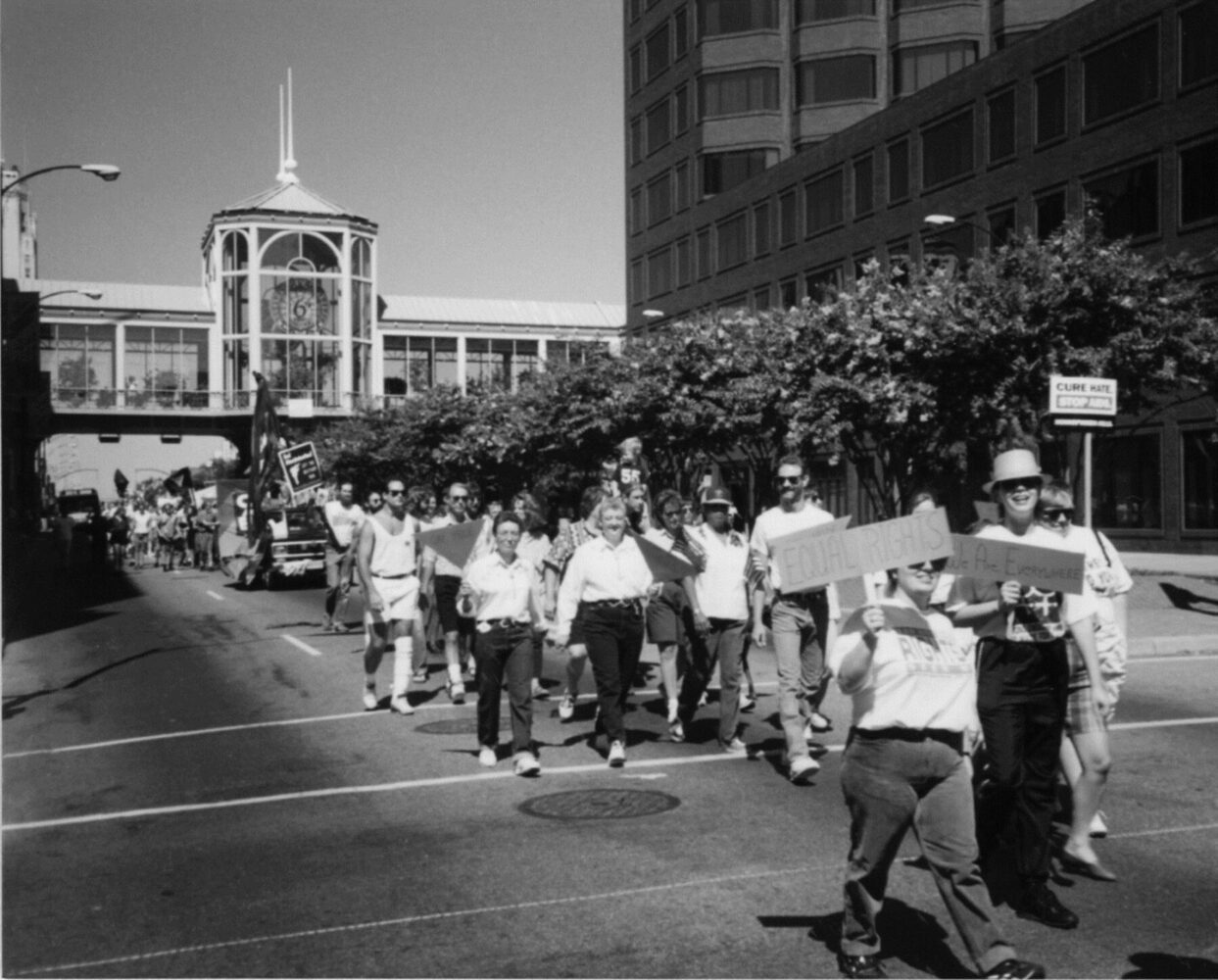
In 1975, Richmond was a conservative city by any measure, but it was also home to a small but determined group of women ready to carve out space for themselves.
Among them was Beth Marschak, a young activist deeply involved in women’s politics and community organizing. What began as a workshop on lesbian issues at a statewide women’s political caucus meeting quickly grew into something larger: the formation of the Richmond Lesbian Feminists.
“I was active in the Richmond Women’s Center and the Virginia Women’s Political Caucus,” Marschak recalls. “At the national level, they had caucuses, Black, Latina, labor, lesbian. I thought, why not here? We held a workshop on lesbian rights, and what happened was that many of the women who came weren’t there for the caucus, they wanted their own organization. So we started one.”

The group’s first meeting was held at Pace Methodist Church by Monroe Park. At first, it operated as a statewide organization with chapters in Richmond, Charlottesville, and Tidewater, but eventually it became clear that each chapter needed to focus locally. Richmond’s chapter endured, and nearly fifty years later, it still exists.
In those early years, the stakes were high. “In the 70s, very few people were out publicly,” Marschak explains. “There was enormous discrimination and fear. People could lose their jobs or custody of their children.” At the time, sodomy laws were still on the books, and while they were rarely used against lesbians directly, they were often wielded in custody battles as a threat. “A woman could be asked about her sexual practices in court. If she admitted to certain acts, she could be guilty of a felony in Virginia and that was grounds to deny her custody.”


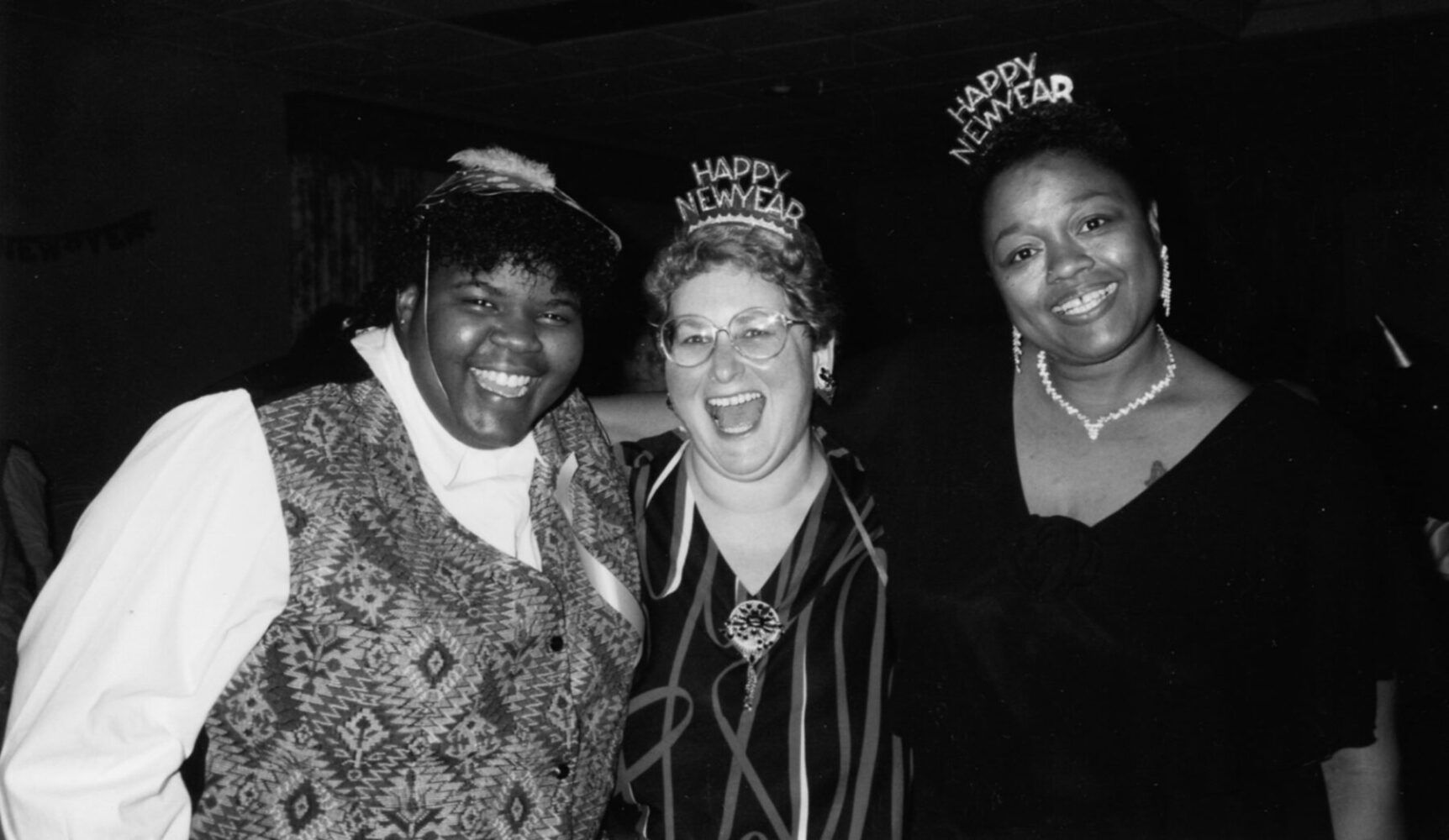


The Richmond Lesbian Feminists offered both political advocacy and social refuge. Potlucks, dances, and discussion groups created space for connection, while coalition work with feminist and gay rights organizations pushed issues like workplace equality, housing rights, and the repeal of sodomy laws. By the 1980s, the group was organizing full-fledged lesbian festivals at Pocahontas State Park, bringing together musicians, performers, workshops, and outdoor activities for weekends of community building.

That same decade brought new challenges with the AIDS epidemic. Many lesbians became caregivers for gay men, while also joining protests demanding the government act.

In the 1990s, the Sharon Bottoms custody case where a Richmond woman lost custody of her son solely because she was a lesbian galvanized the group again. “It brought national attention,” Marschak says. “And while she didn’t win her case, it exposed the injustice of what so many women had already been quietly experiencing.”
Over the decades, the group adapted. Early on, it communicated through a one-page newsletter called The Flyer. Later, it shifted to email, and today, members connect through Facebook and Meetup. The organization now counts over 2,000 members, though participation varies from active volunteers to women who simply want the reassurance of knowing the group exists. “For some, just having that connection matters,” Marschak says. “It’s knowing they’re not alone.”

Richmond itself has changed dramatically since the 1970s. Back then, queer bars kept their windows covered for privacy, and entry often required knocking and being recognized at the door.
Today, Pride draws tens of thousands to the city, and LGBTQ people are more visible and accepted. Still, Marschak cautions against complacency. “There’s more acceptance, but it’s not complete. Hate crimes still happen. Political attacks still happen. You can trace some of that back centuries, to laws and religious teachings that justified discrimination. That structural oppression doesn’t just vanish.”
For younger activists, Marschak offers advice rooted in her decades of experience: build community first. “The basis of any political action is community,” she says. “It’s not just lobbying or sending postcards. It’s creating spaces where people get to know each other, feel supported, and can organize together. And the most effective organizers are always the ones from within the community they’re organizing.”
Nearly fifty years later, the Richmond Lesbian Feminists remain a testament to that philosophy: be flexible, resilient, and committed to ensuring lesbians have a place in both the city’s history and its future.
Main photo: First LGBTQ+ Rally 1977, photo courtesy of Beth Marschak.
Support RVA Magazine. Support Independent Media in Richmond.
At a time when media ownership is increasingly concentrated among corporations and the wealthy, RVA Magazine has remained one of Richmond’s few independent voices. Since 2005, the magazine has provided grassroots coverage of the city’s artists, musicians, and communities, documenting the culture that defines Richmond beyond the headlines.
But we can’t do this without you. A small donation, even as little as $2, one-time or recurring, helps us continue to produce honest, local coverage free from outside interference. Every dollar makes a difference. Your support keeps us going and keeps RVA’s creative spirit alive. Thank you for standing with independent media. DONATE HERE.
We’ve got merch HERE
Subscribe to the Substack HERE
And Reddit HERE