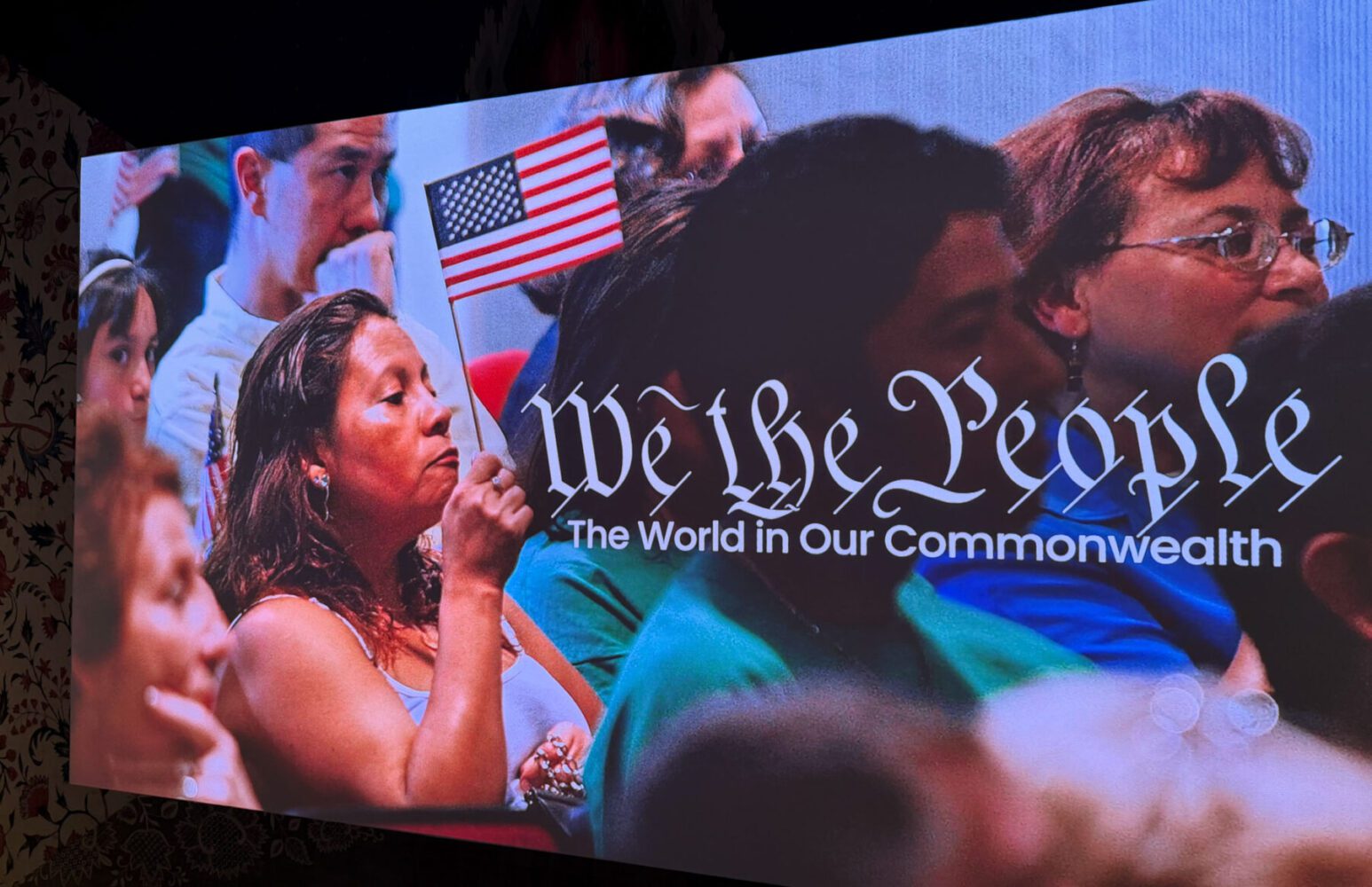
Walking into this exhibit, it’s hard not to think about the moment it’s opening into.
Immigration isn’t some abstract issue right now. It’s at the center of national conversation again, shaping policy, headlines, and how people talk about who belongs and who doesn’t. It’s one of those topics that gets reduced quickly, turned into something simple, when it’s anything but.
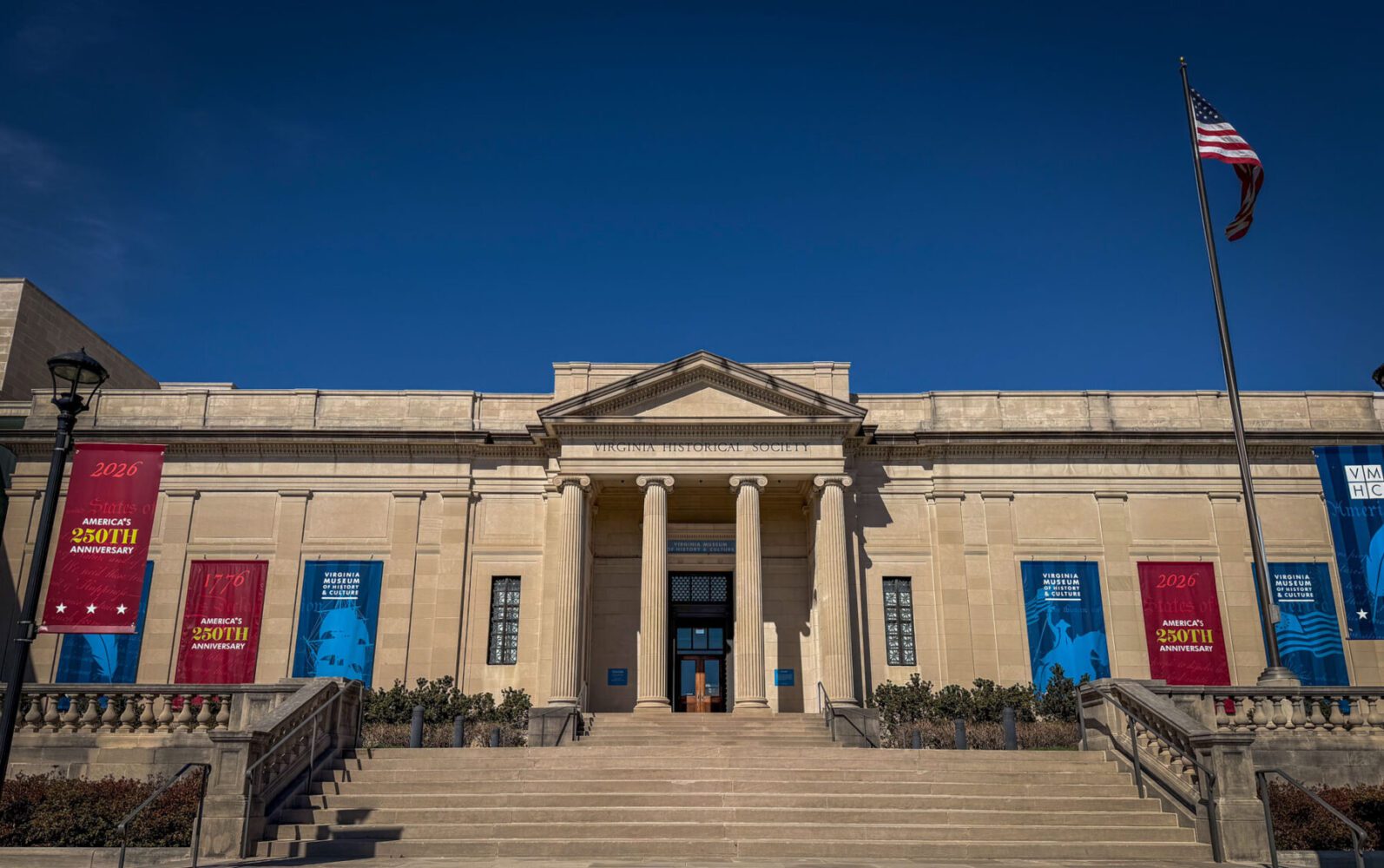
That context sits in the background as you move through We The People: The World in Our Commonwealth at the Virginia Museum of History & Culture, opening this weekend.
And I am not coming to it without bias. My mother is an immigrant. She came here, went through the process, and has always been proud to be an American. That pride is real, and it shaped how I see our country.
Because of that, the exhibit lands a little differently. What stood out wasn’t just the documented history, but how intentional everything feels. It doesn’t try to argue with you. It focuses on people and lets their stories carry the weight, which ends up cutting through a lot of the noise and getting closer to why immigration, in Virginia and beyond, matters.
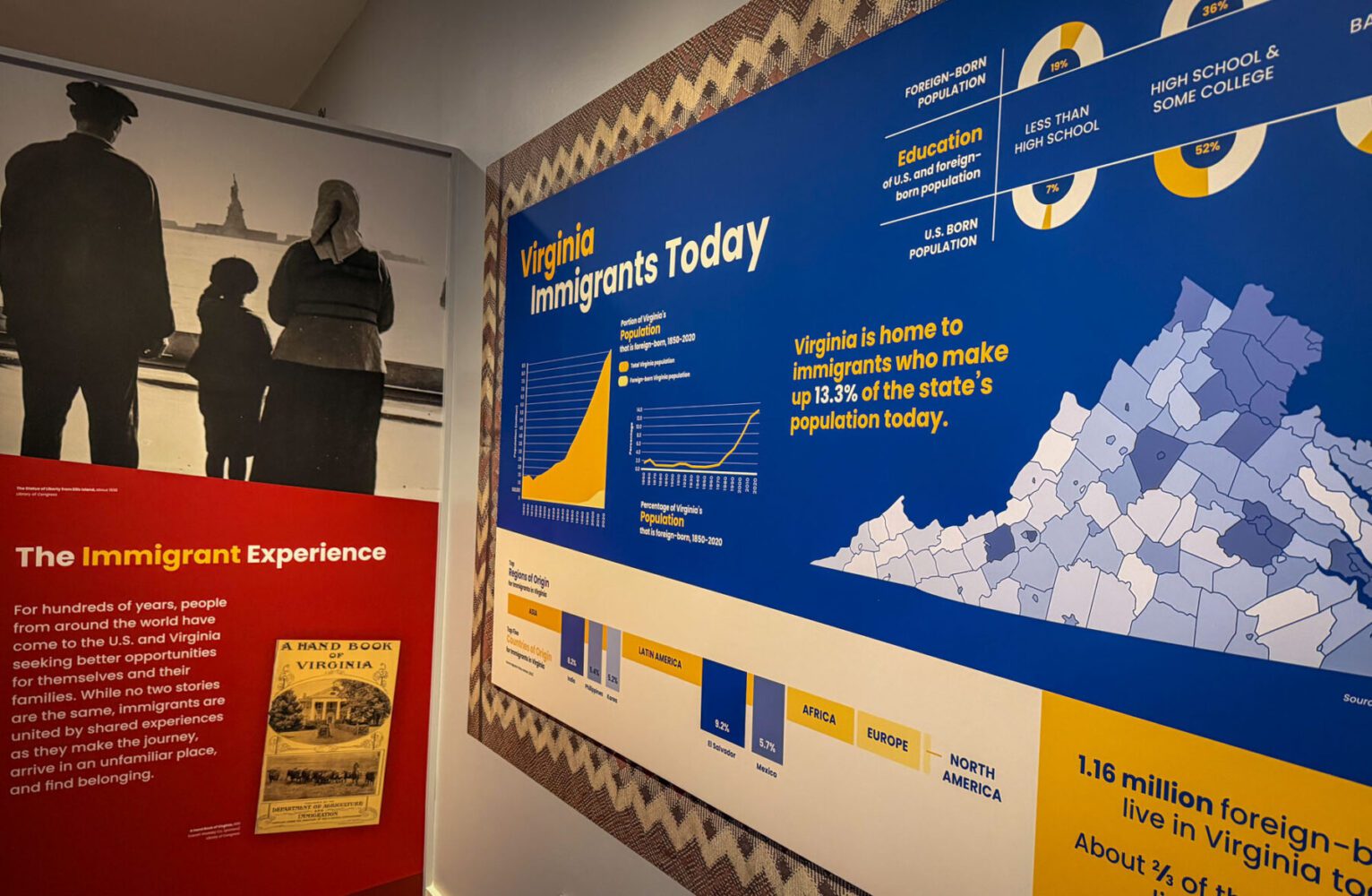
The exhibit starts in the present, looking at who immigrants in Virginia are today, then moves outward from there, following the process of becoming American.
Ahead of the opening, I spoke with Julie Kemper, curator at the Virginia Museum of History & Culture, and Noah Tinsley, the researcher behind the project, and later walked through the exhibit with Tinsley as it was being finalized.
Starting With People, Not Timelines
We The People follows the arc of the immigrant experience itself. Julie Kemper, curator at the Virginia Museum of History & Culture, said the team didn’t start with a fixed narrative. They started with a question: what should an exhibit about immigration in Virginia actually be, and what should it avoid?
To answer that, they went out into the state. “We spent several months traveling around the Commonwealth, meeting with immigrants, second generation immigrants, people who work with immigrant communities,” Kemper said. “And asked those same questions, and more than anything, just heard their stories and their perspective.”
Those conversations shaped the exhibit and follows the experience of leaving home, arriving, finding work, building community and figuring out a new identity, something that’s usually a mix of where you came from and what it means to be American.
From there, it moves into education. Not just formal education, but learning how to navigate a new place. Language, systems, expectations, and then for the next generation, it shifts again. Education becomes about opportunity, about figuring out how to succeed here generationally.
“We start with who are Virginians today,” Kemper explained. “And then, rather than following the chronology of history, we follow the chronology of the immigrant experience. The idea is to focus on people, to not make immigration this kind of blob of things or experiences, but about specific people.”
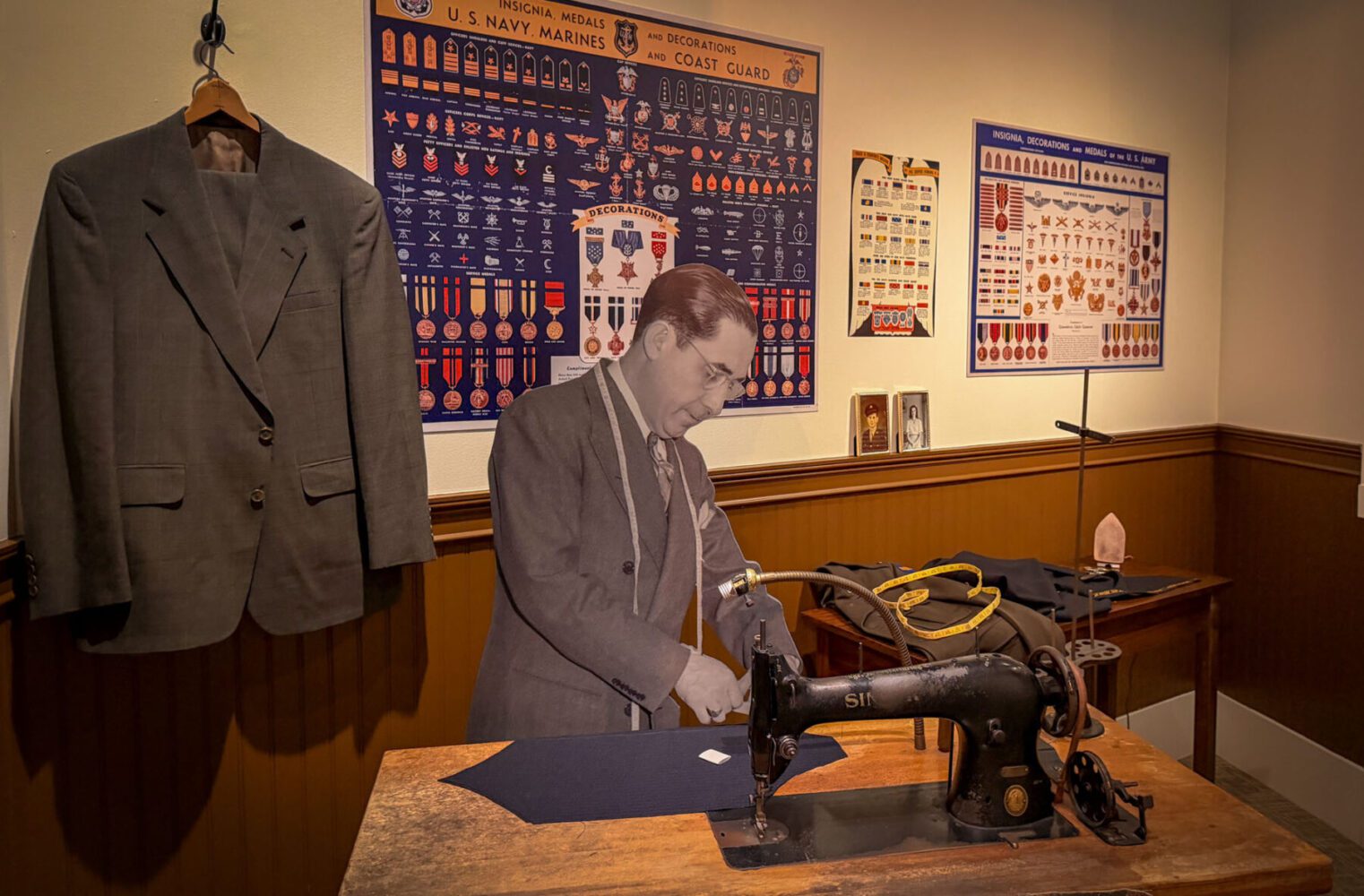
A refugee’s bag carried out of Vietnam. A German-language pamphlet advertising Virginia after the Civil War. A tailor’s tools used across a lifetime. They’re not just artifacts. They’re decisions, risks, and realities made tangible.
A Familiar Pattern, Repeated Across Time
One of the more effective choices in the exhibit is how it pairs stories across centuries.
A German immigrant in the 1800s alongside a Bolivian family in the late 20th century. Different circumstances, different pressures, but often the same underlying experience. That pairing is deliberate. Throughout the exhibit, earlier and more recent stories sit next to each other. Not to suggest they’re the same, but to show how often the experience itself repeats.
As researcher Noah Tinsley explained during the walkthrough, it’s about holding both ideas at once. The differences matter, but so do the shared elements.
“There are a lot of different circumstances,” Tinsley said, “but that experience of coming to an unfamiliar place after you’ve left your home and you’re looking around, maybe you don’t speak the language… there are those sort of core similarities.”
He described a lot of the variation as coming from the broader context, time period, politics, economics. But underneath that, the experience itself stays recognizable.
“A lot of the differences are more… ornamental, almost,” he said, “and we’re trying to emphasize that.”
That’s where the exhibit quietly does its work. It doesn’t flatten those differences or pretend every story is interchangeable but it does challenge the idea that what we’re seeing now is something entirely new.
Part of that, Tinsley said, comes down to perspective. “If you’re only focused on what’s happening right now, it can feel immediate, even overwhelming but if you can kind of zoom out a little bit and understand the cycles,” he said, “you can put it into a larger context.”
Virginia’s Shift Happens Later Than You Think
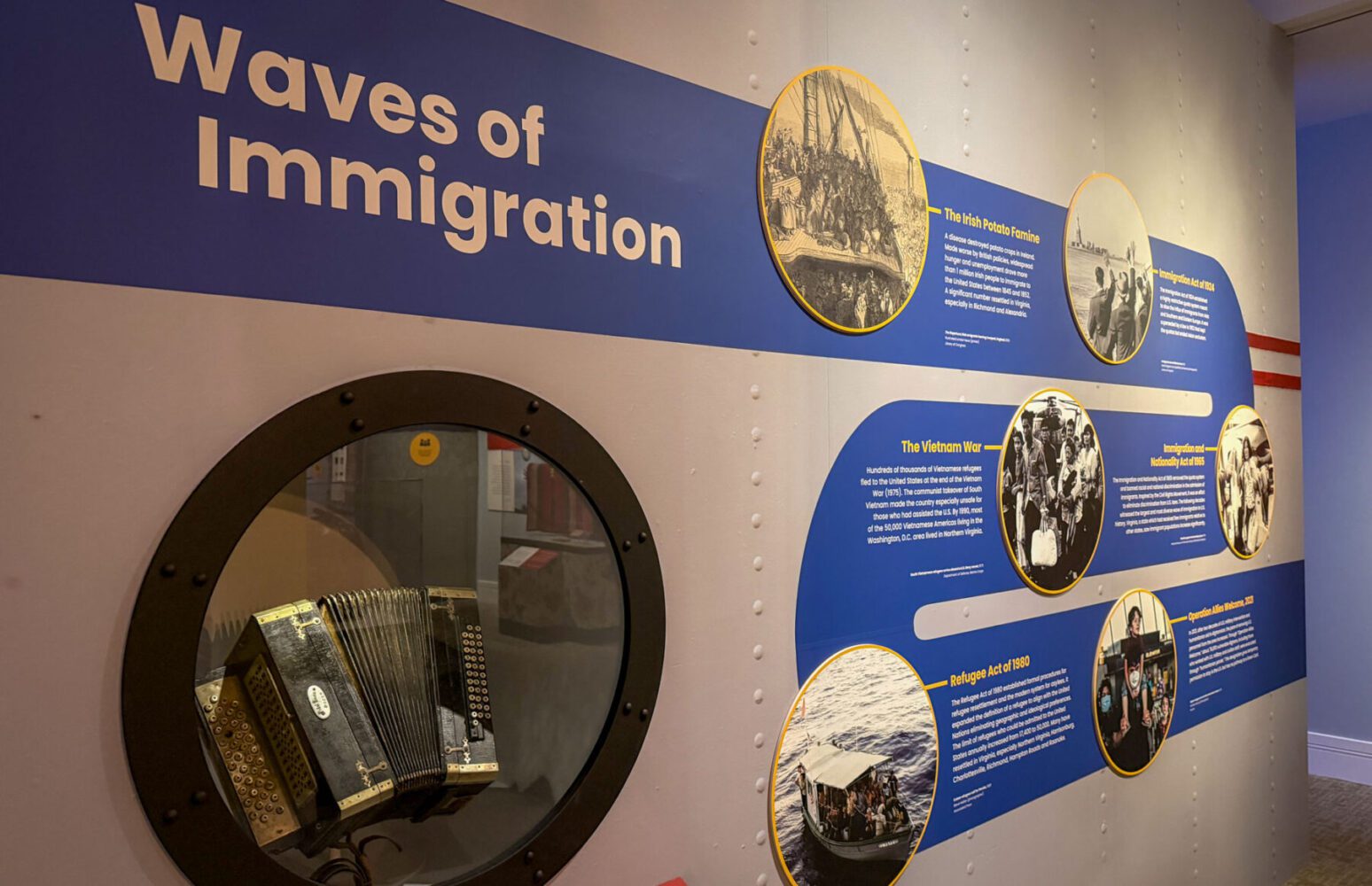
There’s a moment in the exhibit that reframes how you think about Virginia itself. Right at the beginning, a graph shows immigration into the state over time. For long stretches, it stays relatively flat. Then, in the late 20th century, it rises quickly.
Julie Kemper, curator at the Virginia Museum of History & Culture, said that contrast is intentional. “We literally have data on the wall… and it shows this very steady, slow incline,” she said. “And then around 1965 you just get this boom of immigration in Virginia.”
For most of its history, Virginia wasn’t a primary destination. “It was primarily agrarian. There wasn’t a lot of industry,” Kemper said. “There were other places that offered more opportunity.”
Researcher Noah Tinsley pointed to the same pattern in the historical record. “A lot of immigration… was going to the North or the Midwest,” he said. “There were relatively fewer immigrants that were coming to Virginia.”
And even when people did arrive, they often weren’t coming directly. “The vast majority has been landing especially in New York and then kind of coming down,” Tinsley said.
What changes is a combination of policy and opportunity. The Immigration and Nationality Act of 1965 reshapes who is able to come to the United States, removing earlier restrictions that had largely favored European immigrants. In the decades that follow, immigration from Asia, Latin America, and elsewhere increases significantly. That becomes the real inflection point nationally, and Virginia follows that shift.
“You start getting more refugees in the ’70s and ’80s and there were job opportunities there,” Kemper said.
Tinsley tied that growth directly to what was happening in Northern Virginia. “As the federal government is expanding… people are moving in from around the country and then also around the world,” he said.
That expansion creates a kind of pull. Virginia becomes less of a place people pass through and more of a place they stay.
And the exhibit doesn’t overstate any of it. It just lays out the shift, lets you see the change over time, and leaves you to connect what that means for what the state looks like now.
Identity Isn’t a Final Step
If there’s a through line in We The People, it’s identity. Not as something you arrive at, but something you continue to work through.
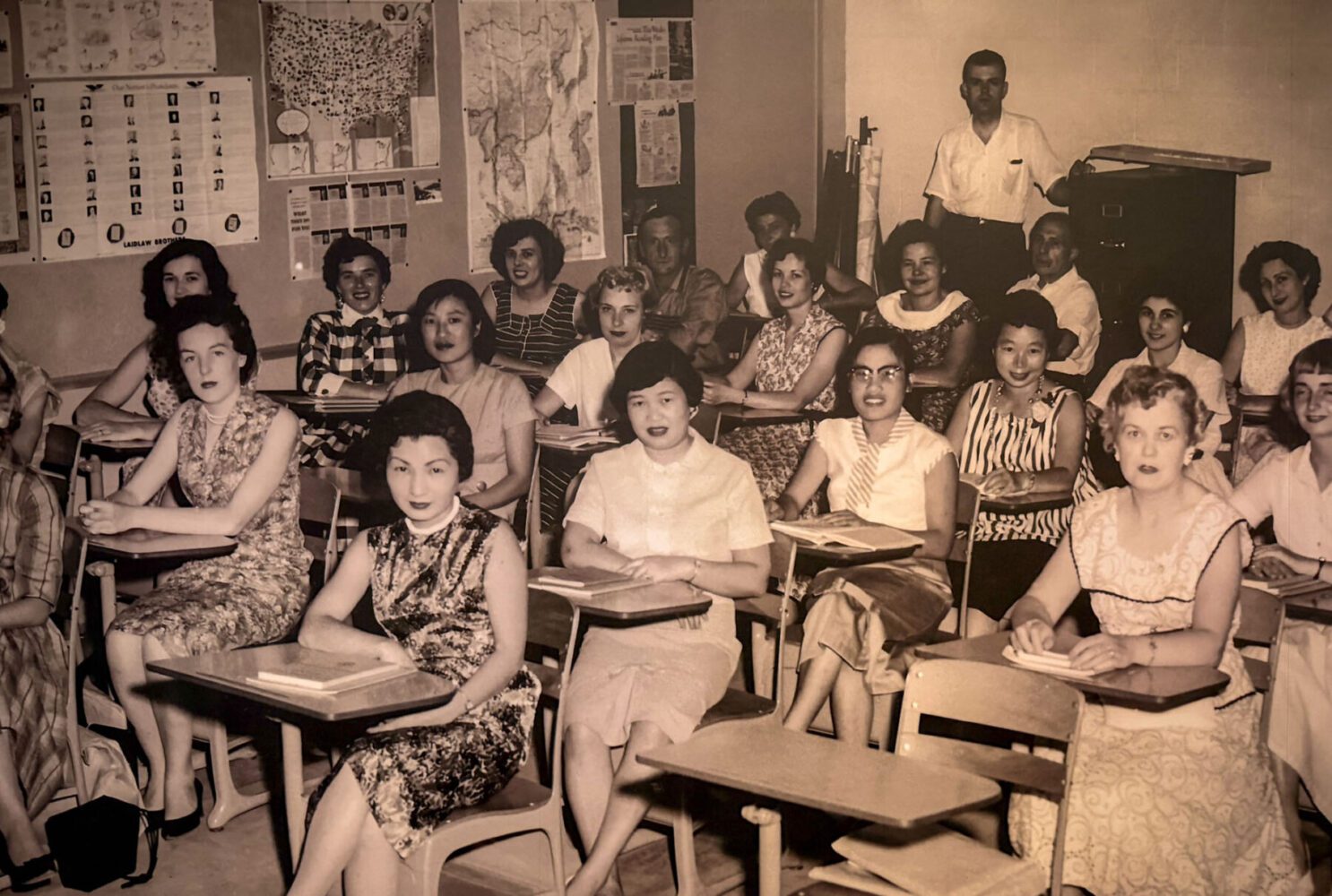
That shows up throughout the exhibit. There’s a section on Americanization classes, where immigrants were once taught how to fit into a very specific version of American life. There are stories of families holding onto language and culture while navigating something new. And there are oral histories that sit somewhere in between.
As Noah Tinsley explained during the walkthrough, that tension isn’t new, and it doesn’t really resolve. “It’s that dual nature of how do I be not either or, but both,” he said, describing how people hold onto where they come from while figuring out how they fit into where they are now.
Julie Kemper said that idea came up repeatedly during their conversations across the state. “Identity was a really important aspect of being an immigrant,” she said. “Not only relating to where they came from, where they are today… it’s very personal, but it’s also on a community level.”
For me, being American never looked like one thing. It was hot dogs and hamburgers, sure, but it was also rice on the table and kimchi as a topping on my burger. That mix didn’t feel unusual at home. It just felt normal as a combination or evolution of our family culture.
What we think of as “American” isn’t fixed. It’s shaped over time by the people who arrive, what they bring with them, and how that gets folded into everyday life. Not replaced or erased, just added to. The exhibit doesn’t try to define that for you. It shows how it happens, then gives you space to think about it.
The final section, modeled loosely after a restaurant, centers in part on Stella Dikos, one of Richmond’s more recognizable immigrant stories. Her family kept The Village going and later opened Stella’s, both are well known city restaurants and institutions. It’s a clear example of how immigrants contribute to the city’s culture and become part of its story.
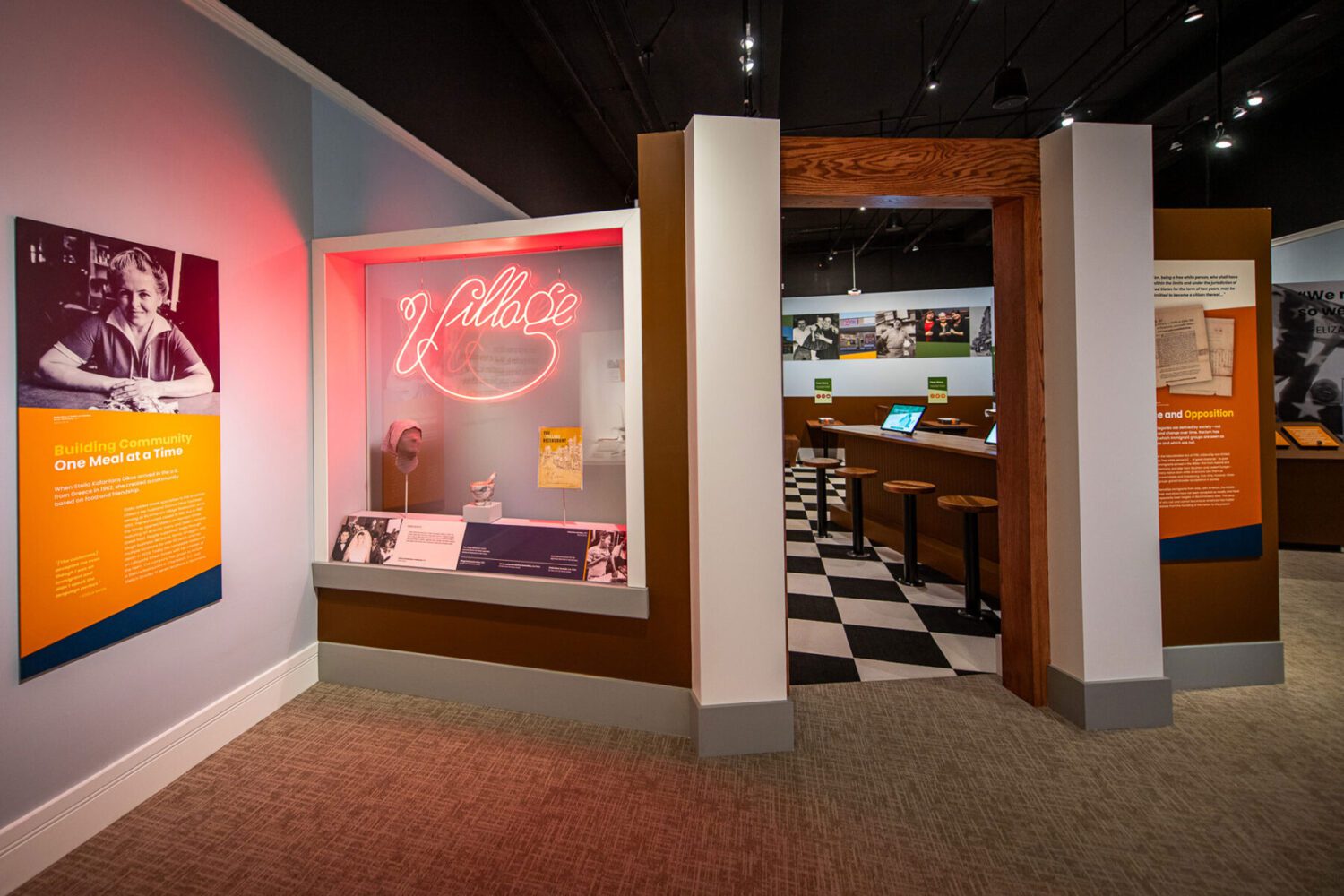
The space itself is set up to sit, reflect, and leave your own response. It’s a simple idea. Culture isn’t something you just archive. It’s something you share, adapt, and live out in public.
What it means to be American is still being worked out. It probably always will be.
What You Take With You
What this exhibit really does is start a conversation. Immigration and race have always been part of this country’s history, but they’re often reduced to talking points. This exhibition steps away from that and focuses on people as they are, individuals with stories, choices, and lives that don’t fit neatly into a headline.
What you take with you after walking through it is the point. It opens the door to a broader question. What does it mean to be an American? A Virginian? A Richmonder? Or more simply, what does it mean to find a place to belong.
The exhibit doesn’t answer that but it just gives you enough to understand how we got here.
We The People: The World in Our Commonwealth
March 21, 2026 to September 7, 2026
at Virginia History Museum.
You can get your tickets HERE
Support RVA Magazine. Support Independent Media in Richmond.
At a time when media ownership is increasingly concentrated among corporations and the wealthy, RVA Magazine has remained one of Richmond’s few independent voices. Since 2005, the magazine has provided grassroots coverage of the city’s artists, musicians, and communities, documenting the culture that defines Richmond beyond the headlines.
But we can’t do this without you. A small donation, even as little as $2, one-time or recurring, helps us continue to produce honest, local coverage free from outside interference. Every dollar makes a difference. Your support keeps us going and keeps RVA’s creative spirit alive. Thank you for standing with independent media. DONATE HERE.
We’ve got merch HERE
Subscribe to the Substack HERE
And Reddit HERE
And YouTube HERE