Editor’s Note: Reminder, the sculptures are located on private property and are not open for general visitation. Access is available only through scheduled guided tours, with Labor Day weekend currently expected to be the final tour on the calendar. Tour information is available HERE.
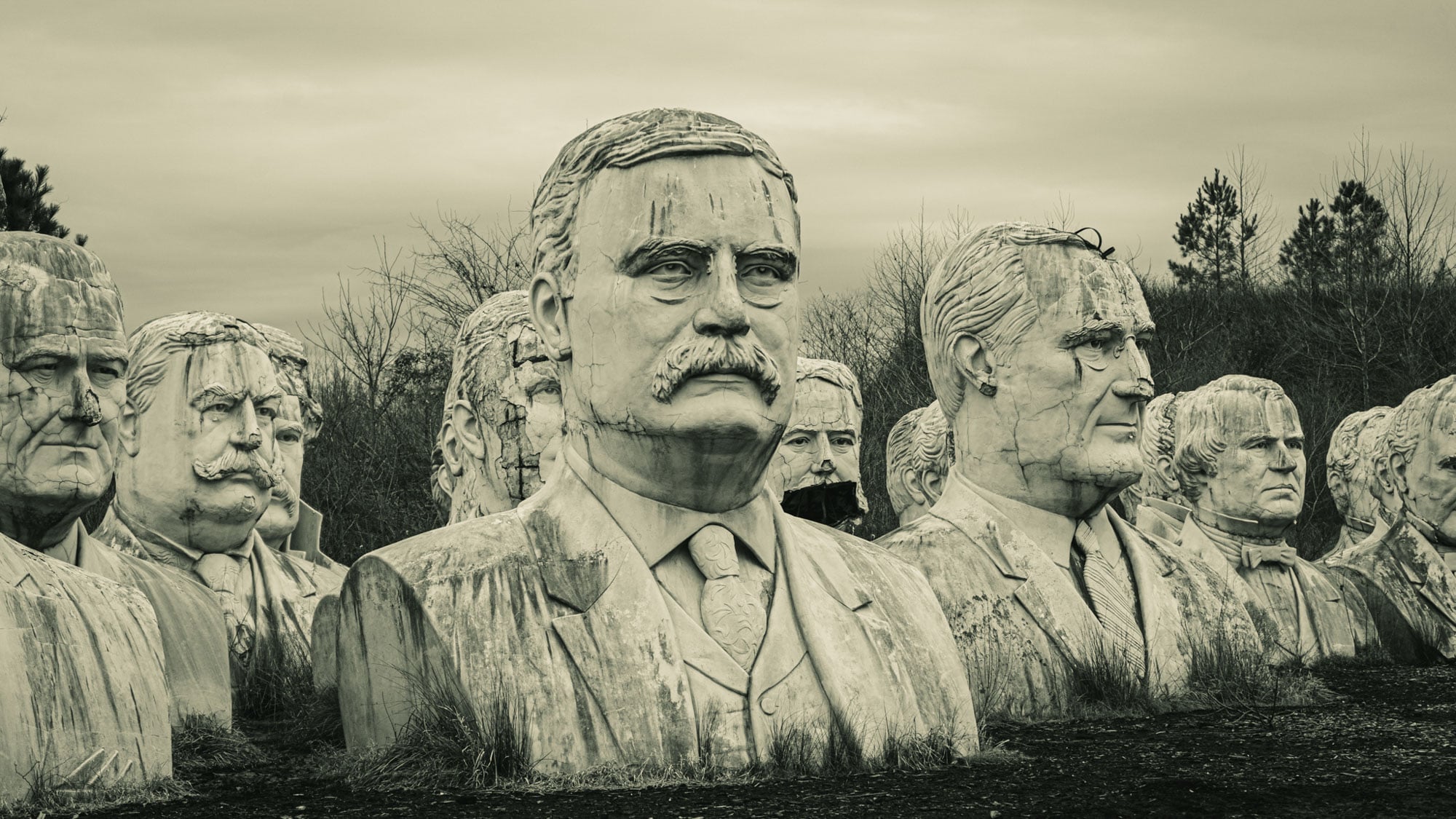
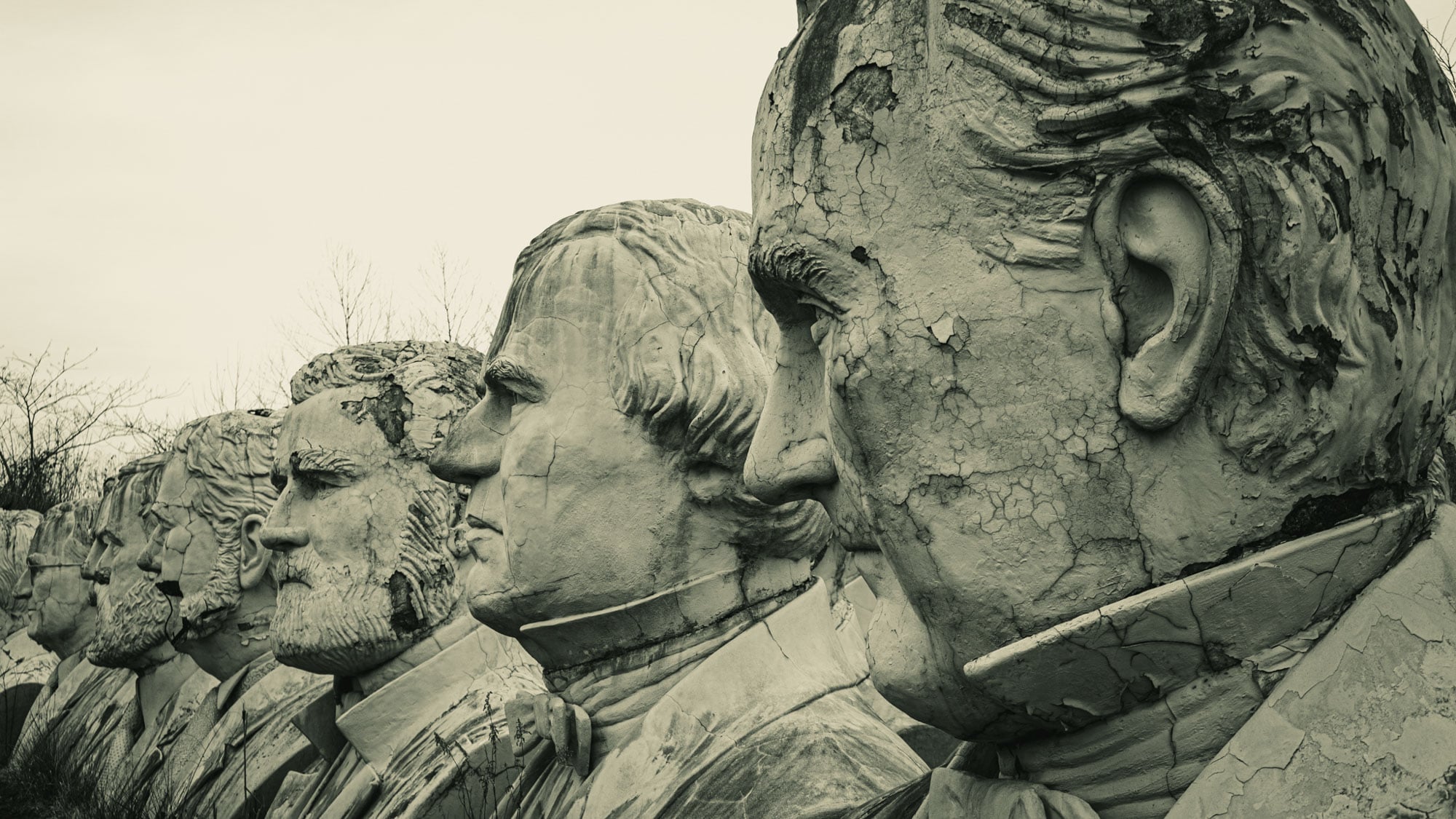
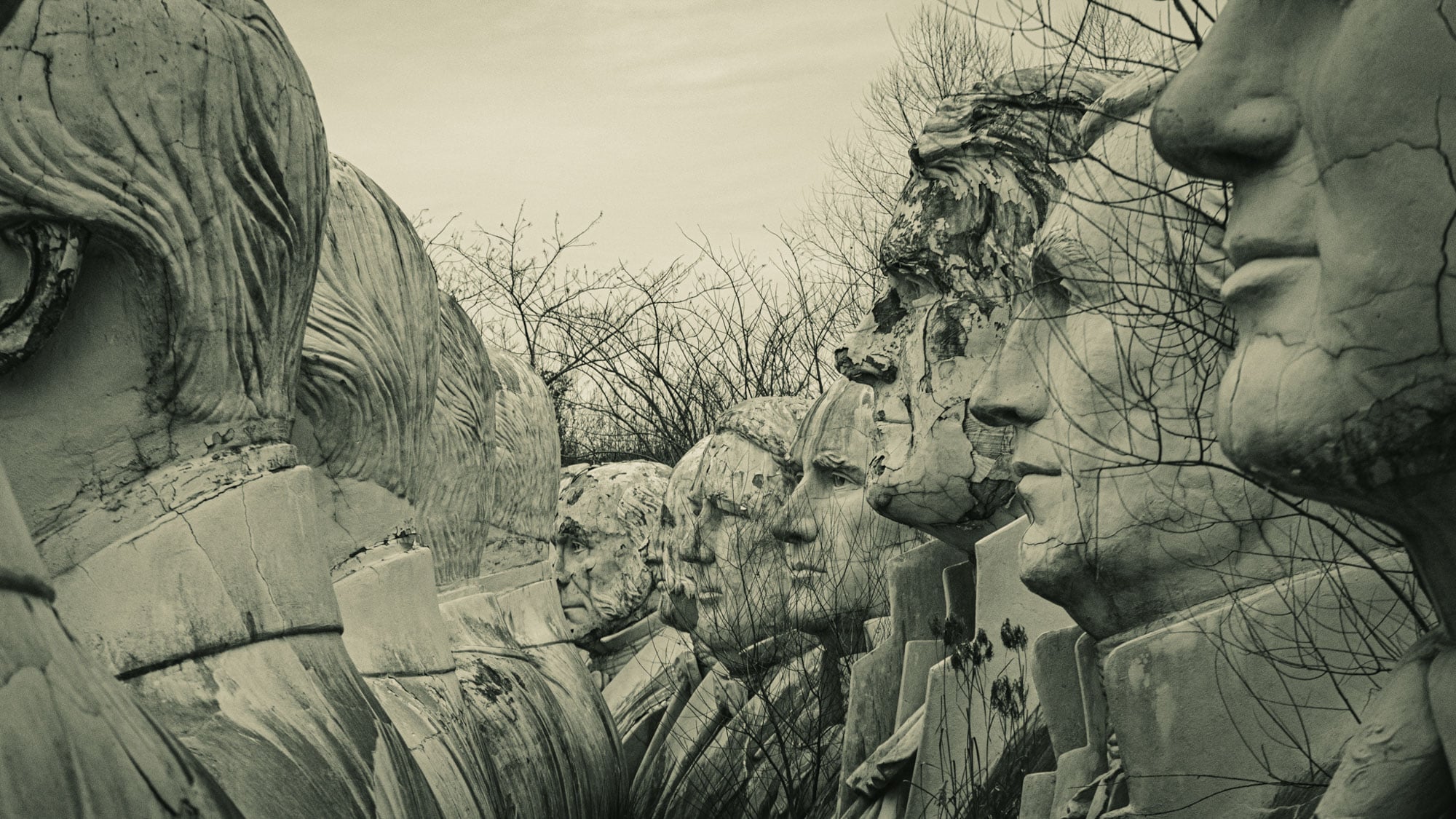
On an industrial property outside Williamsburg, forty-two American presidents have spent the last fifteen years waiting.
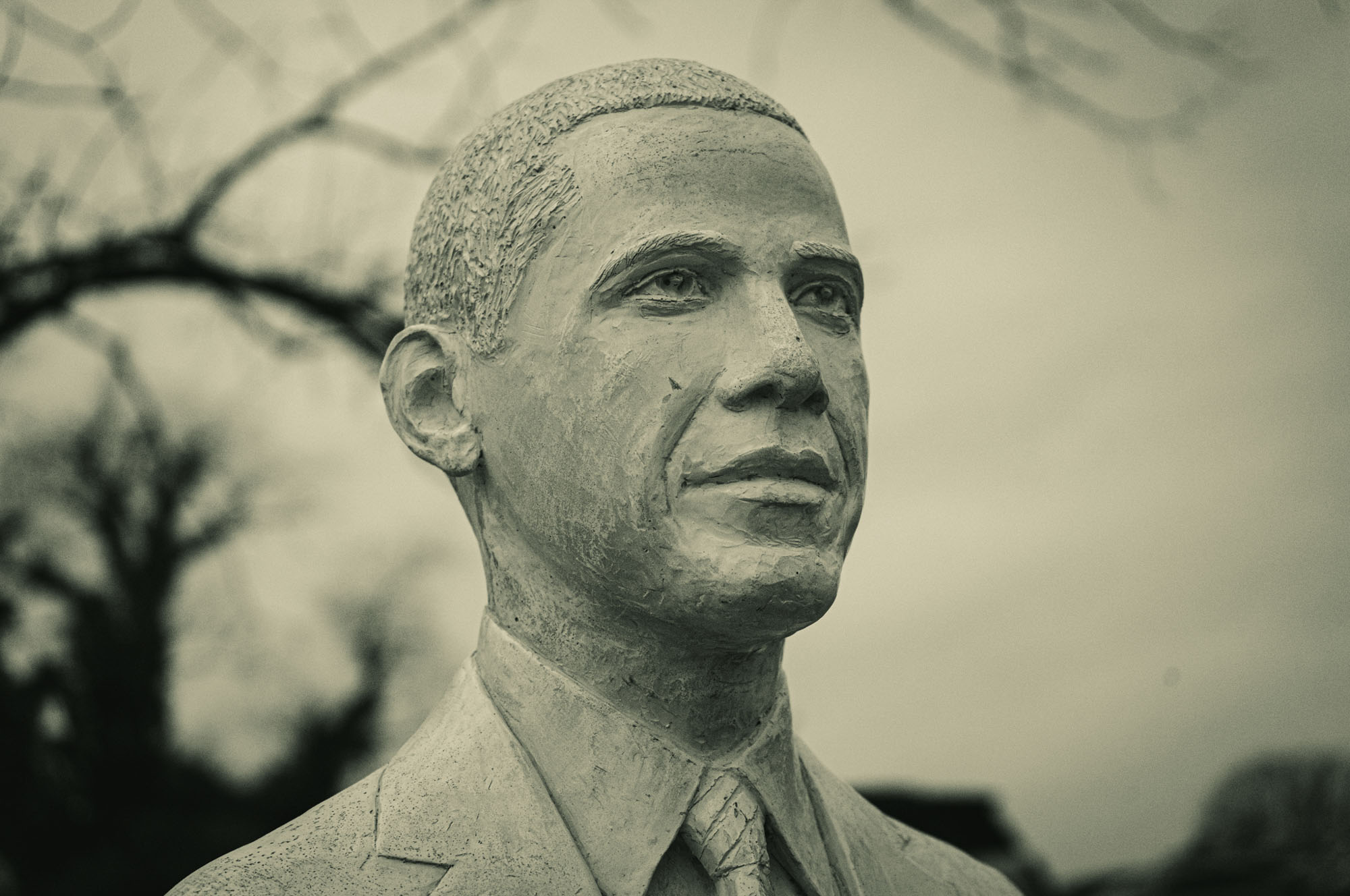
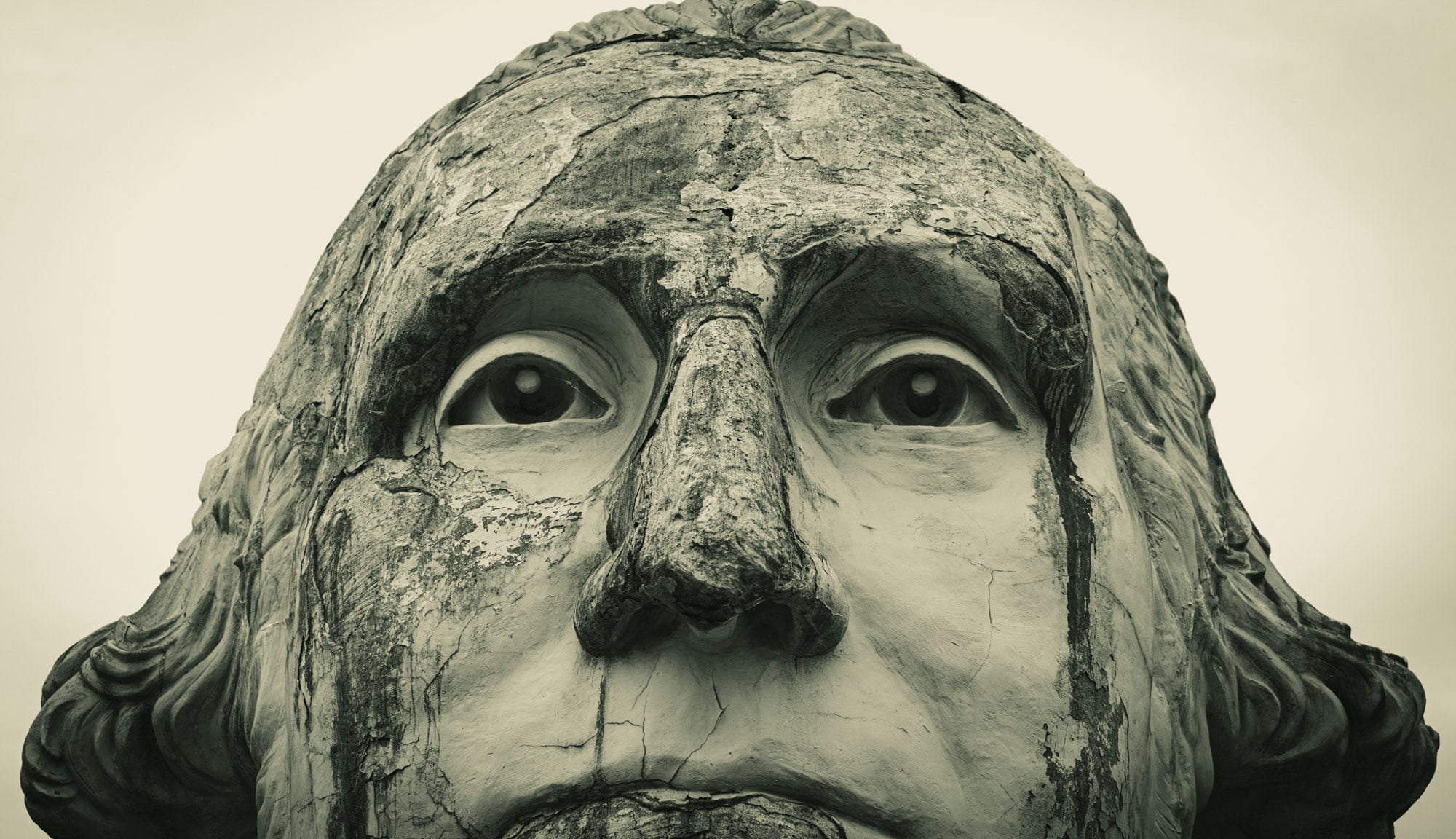
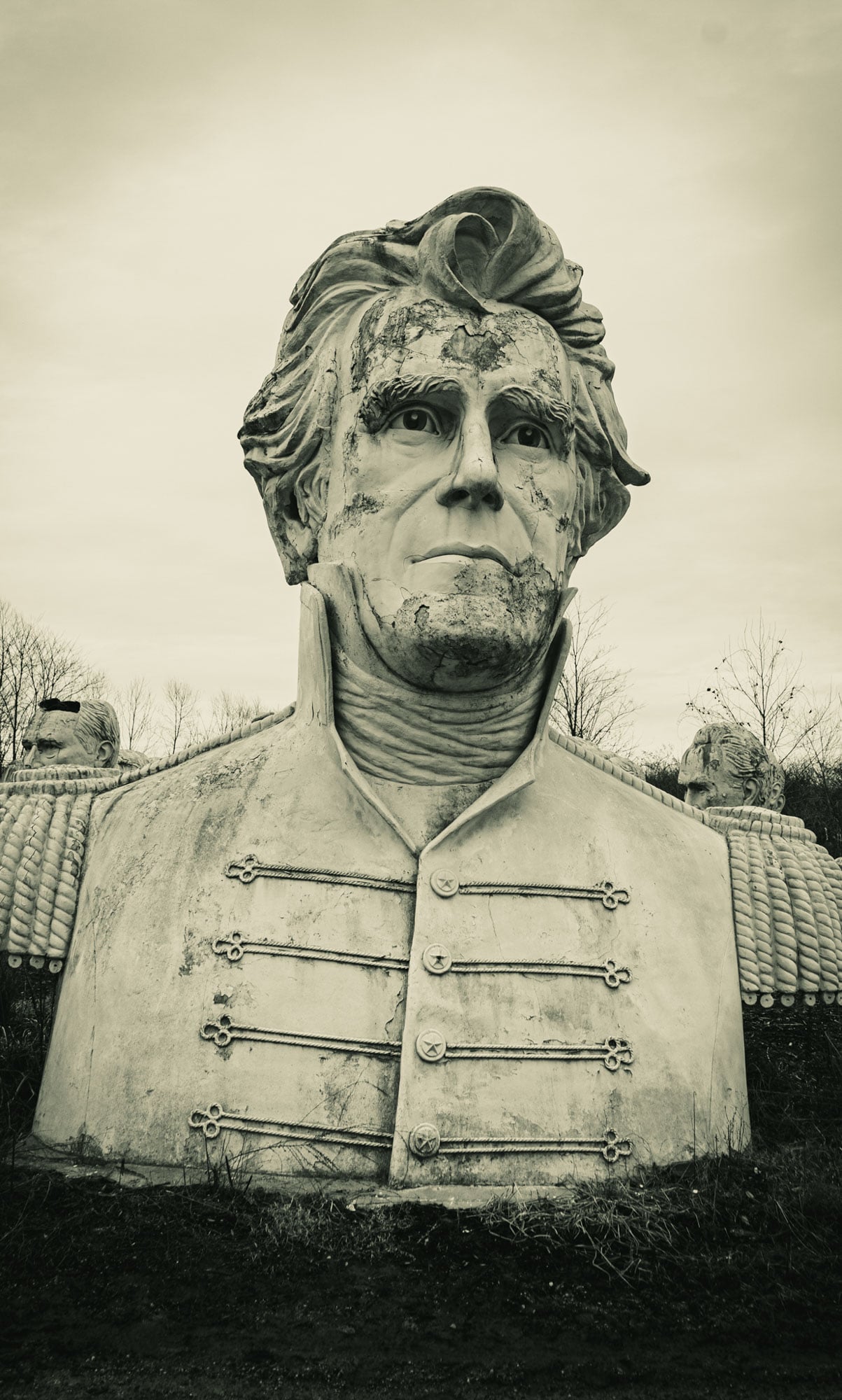
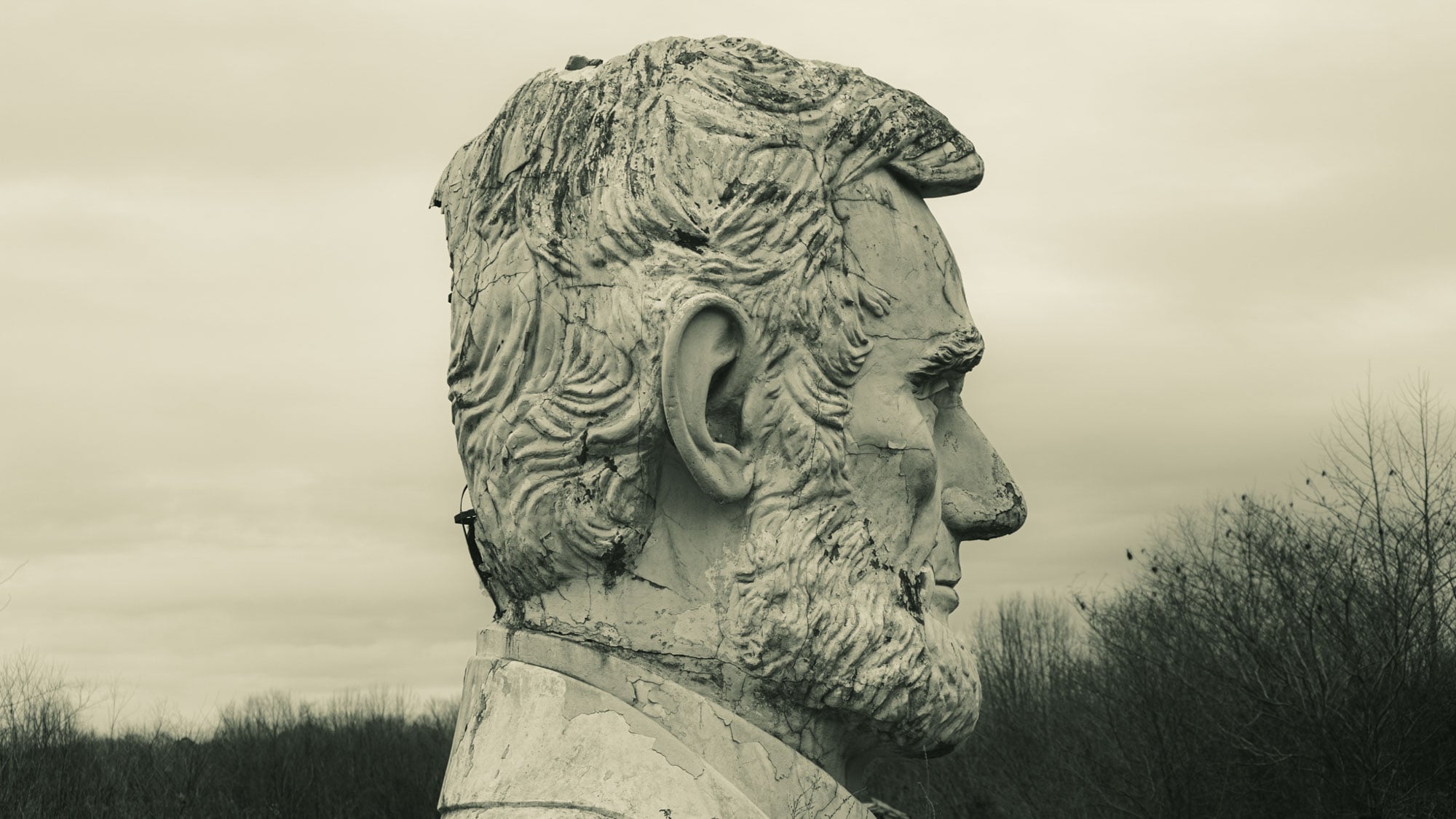
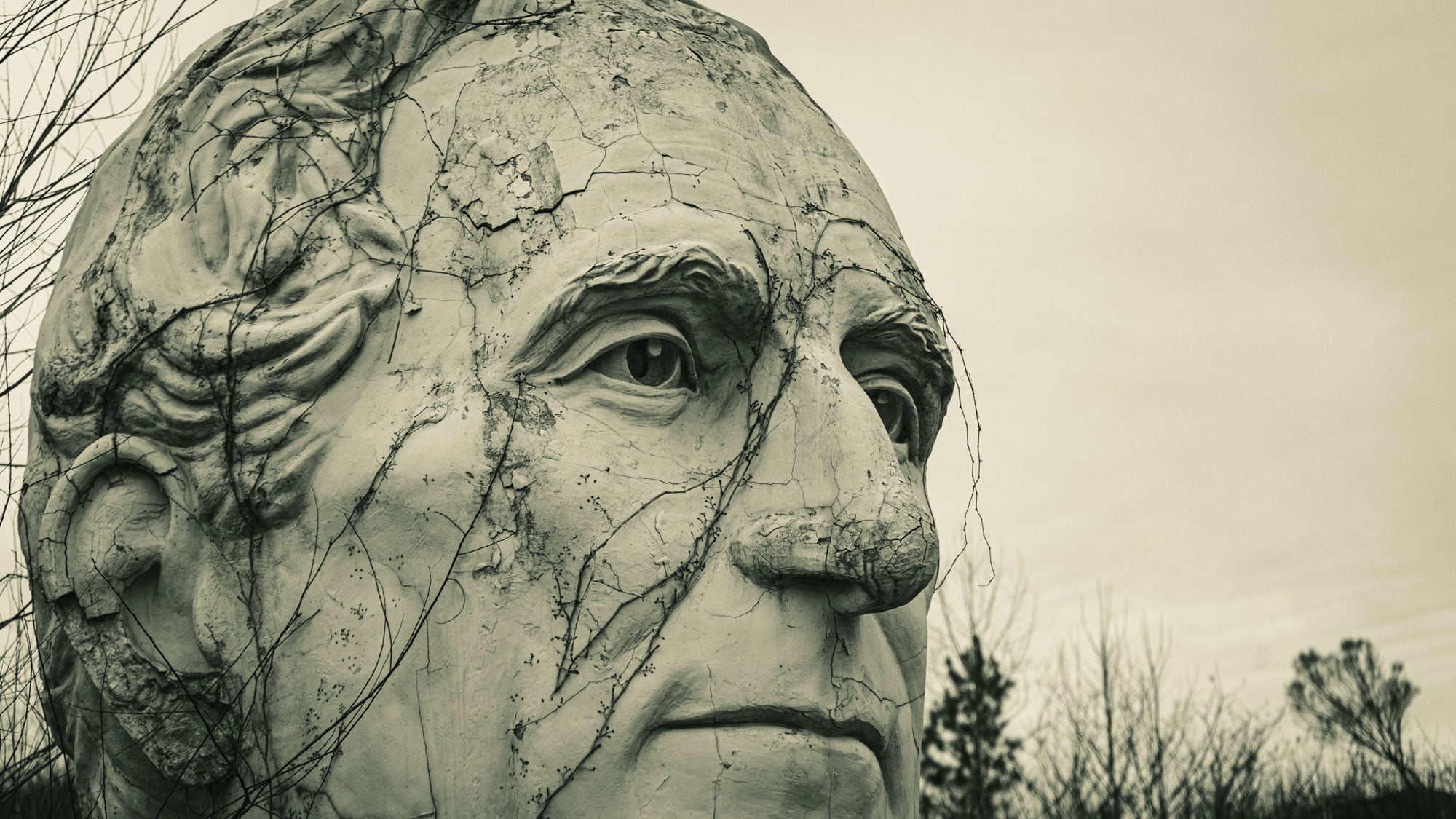
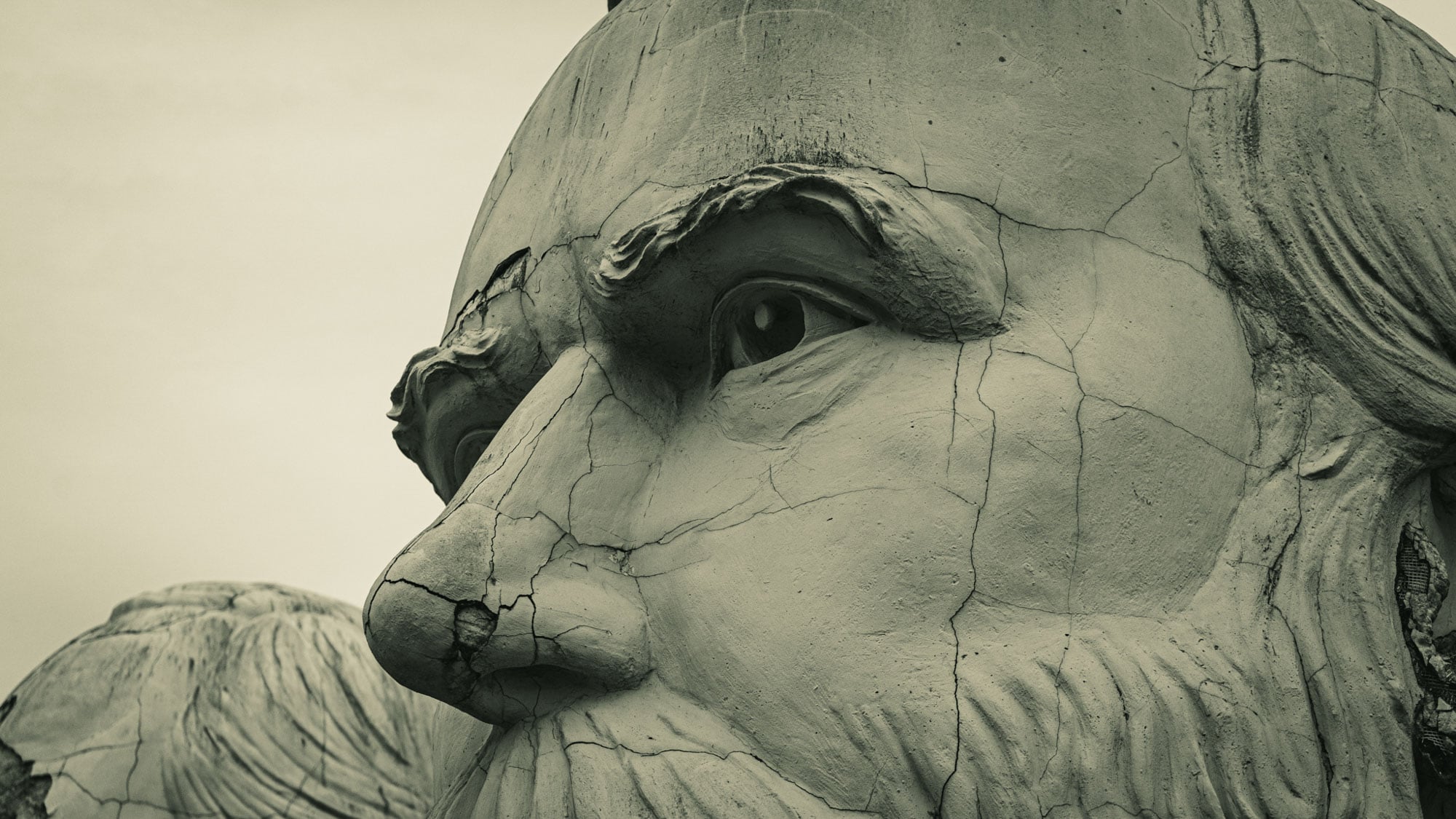
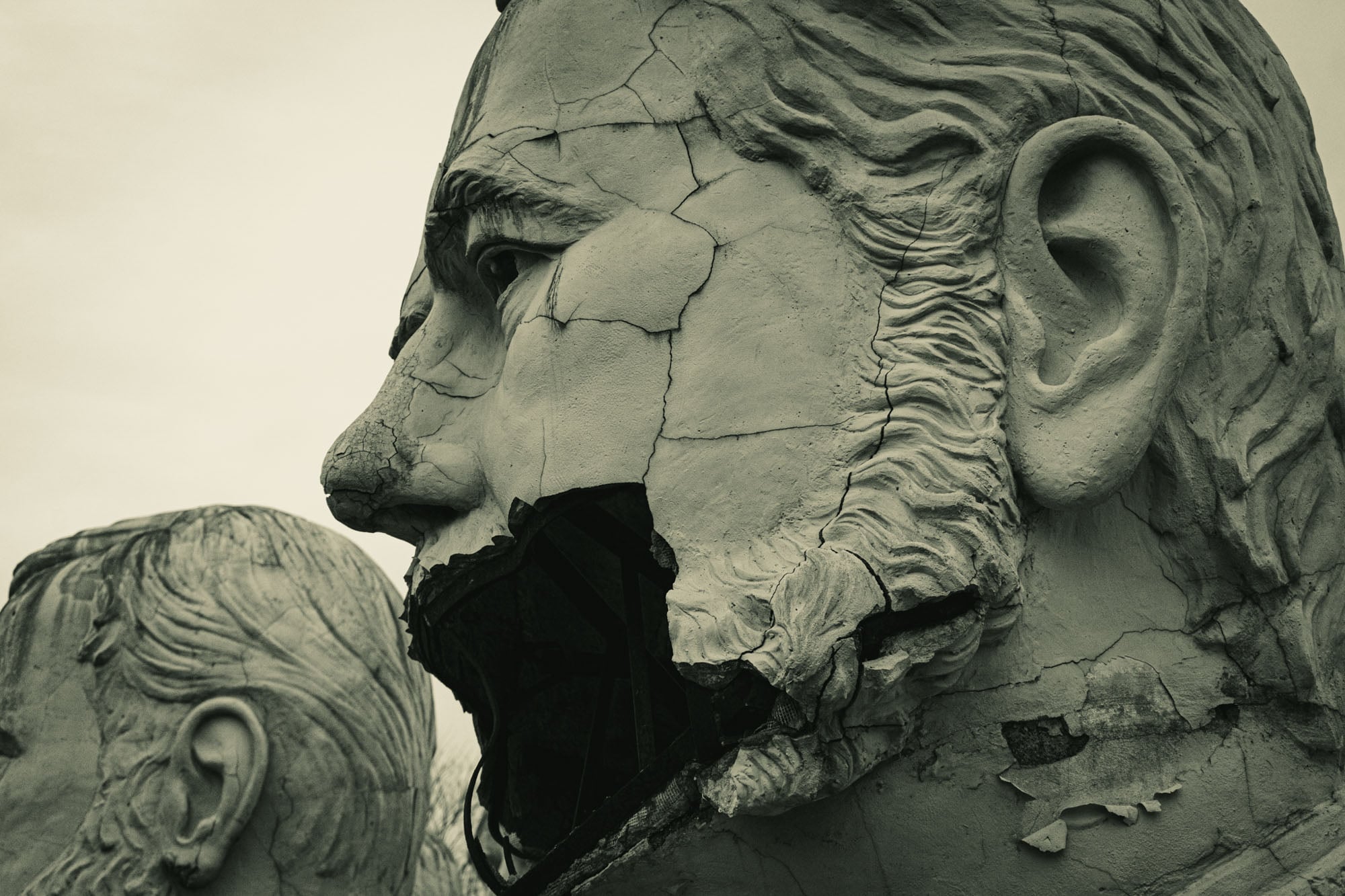
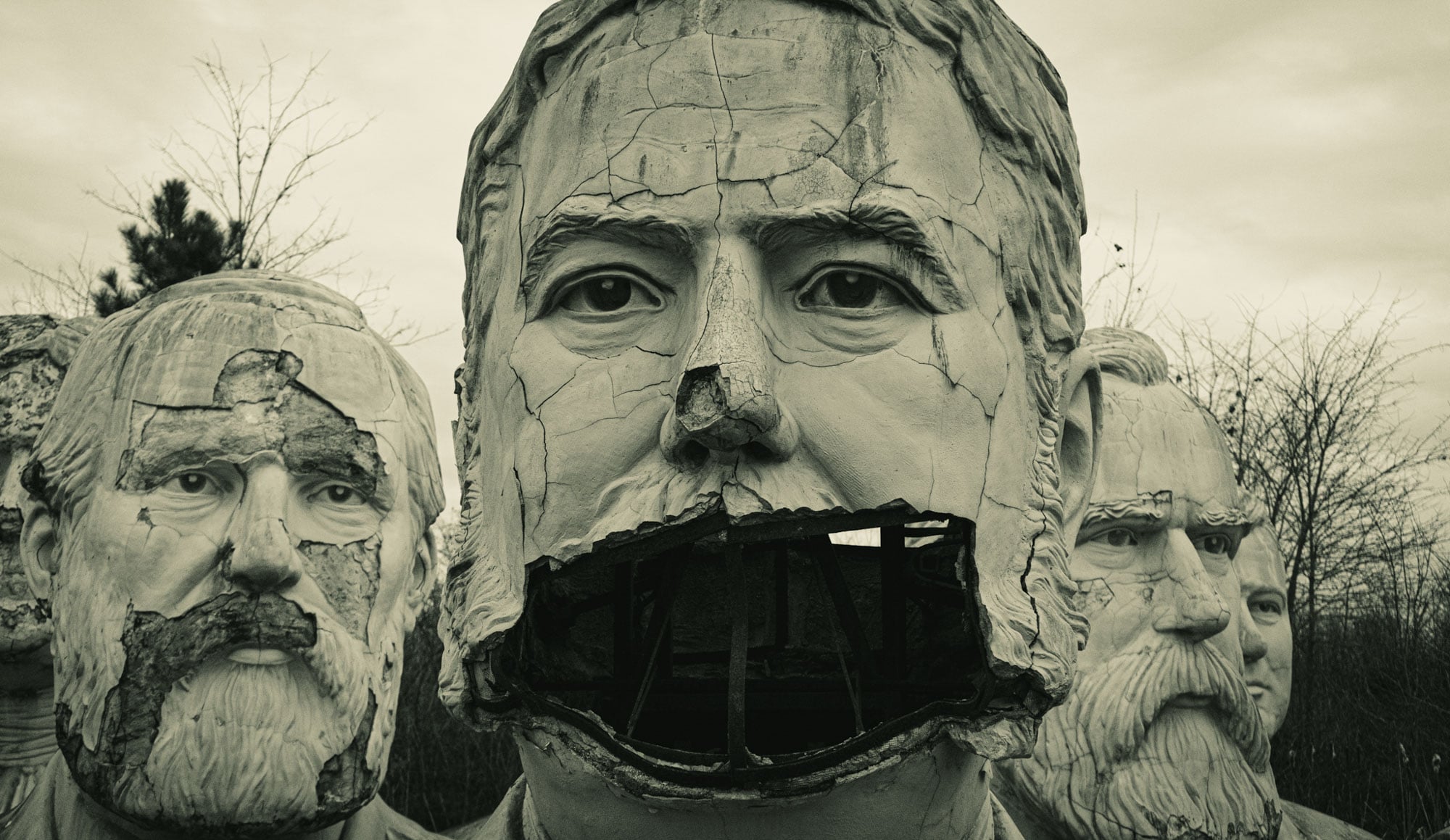
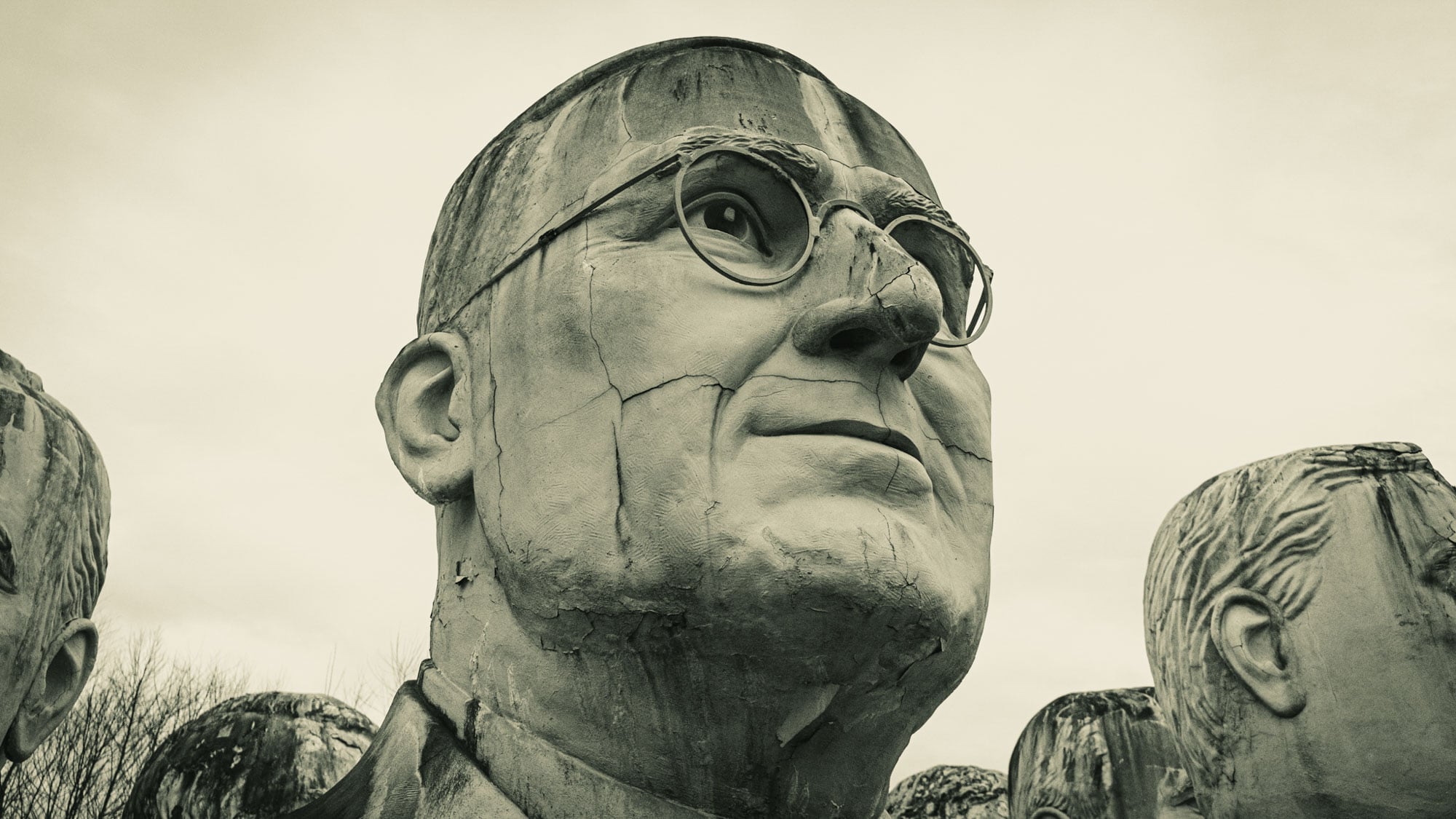
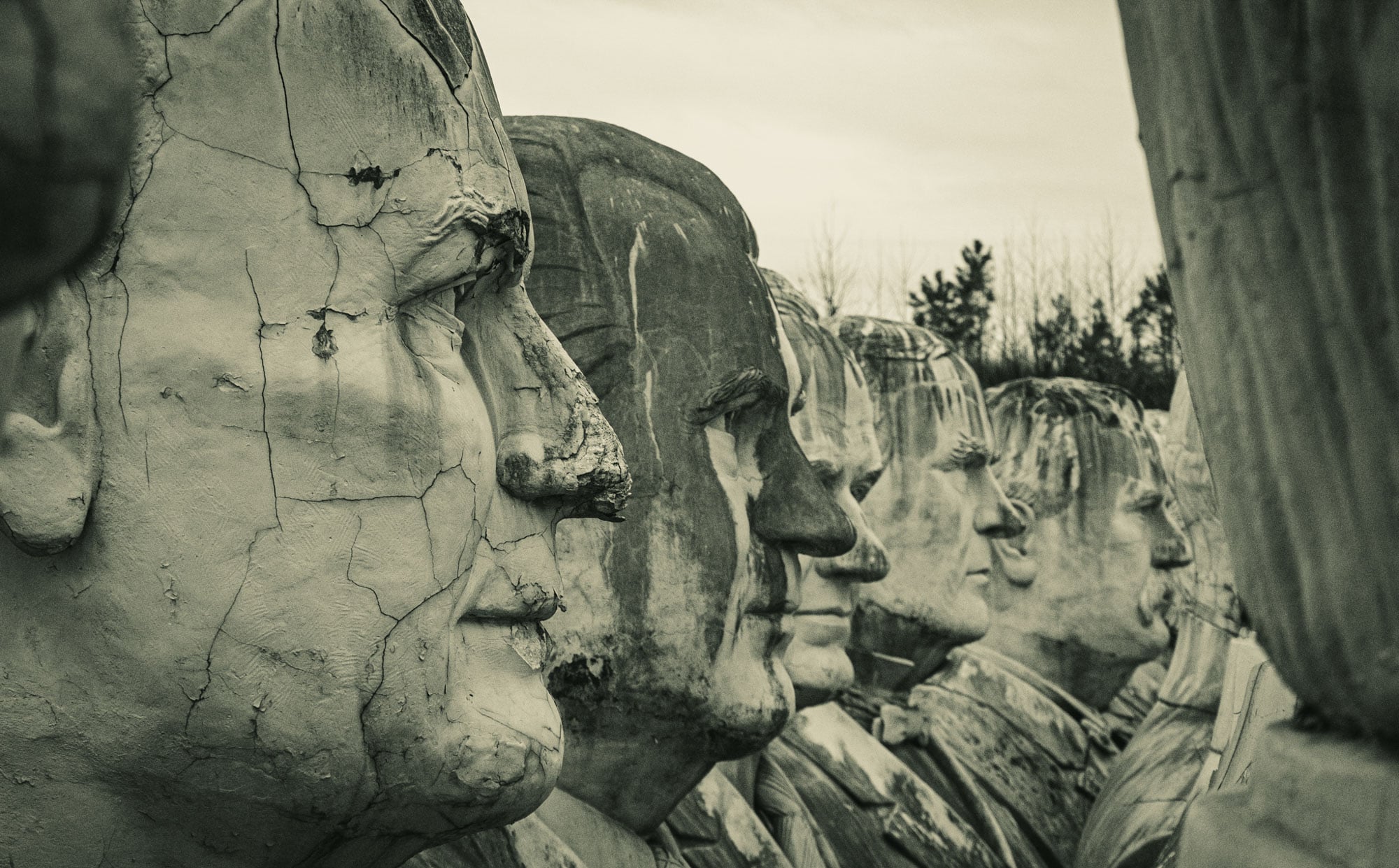
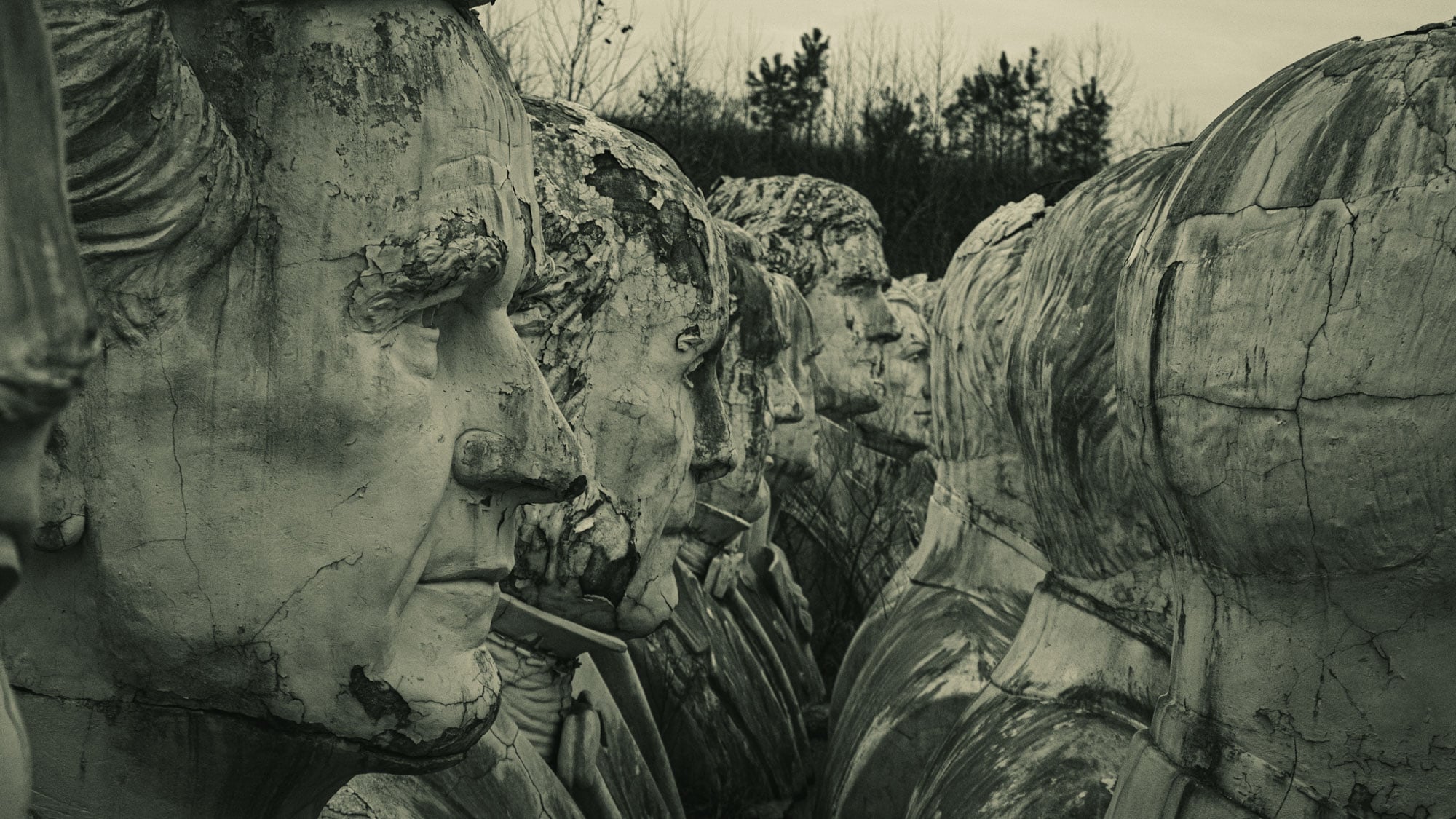
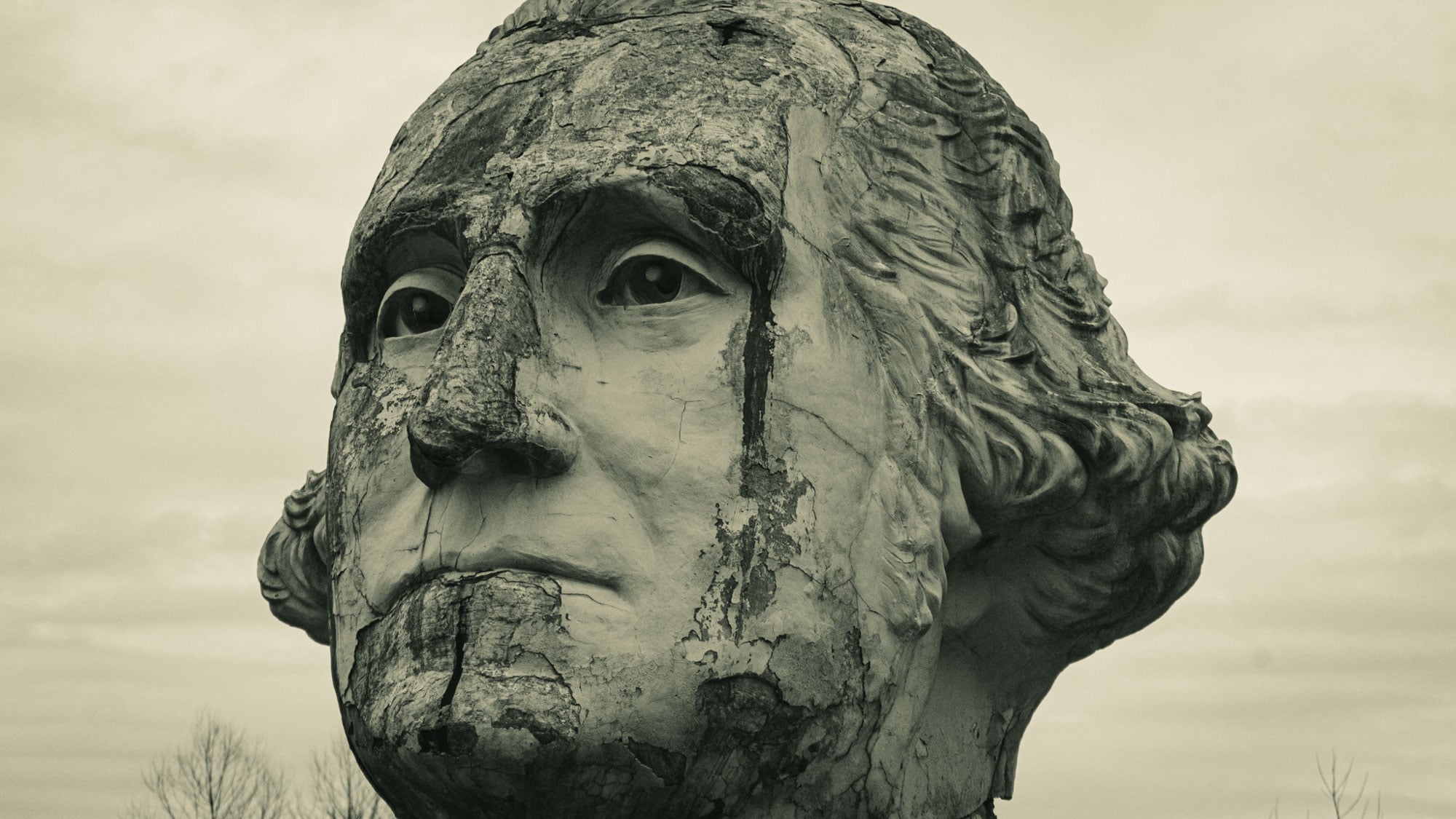
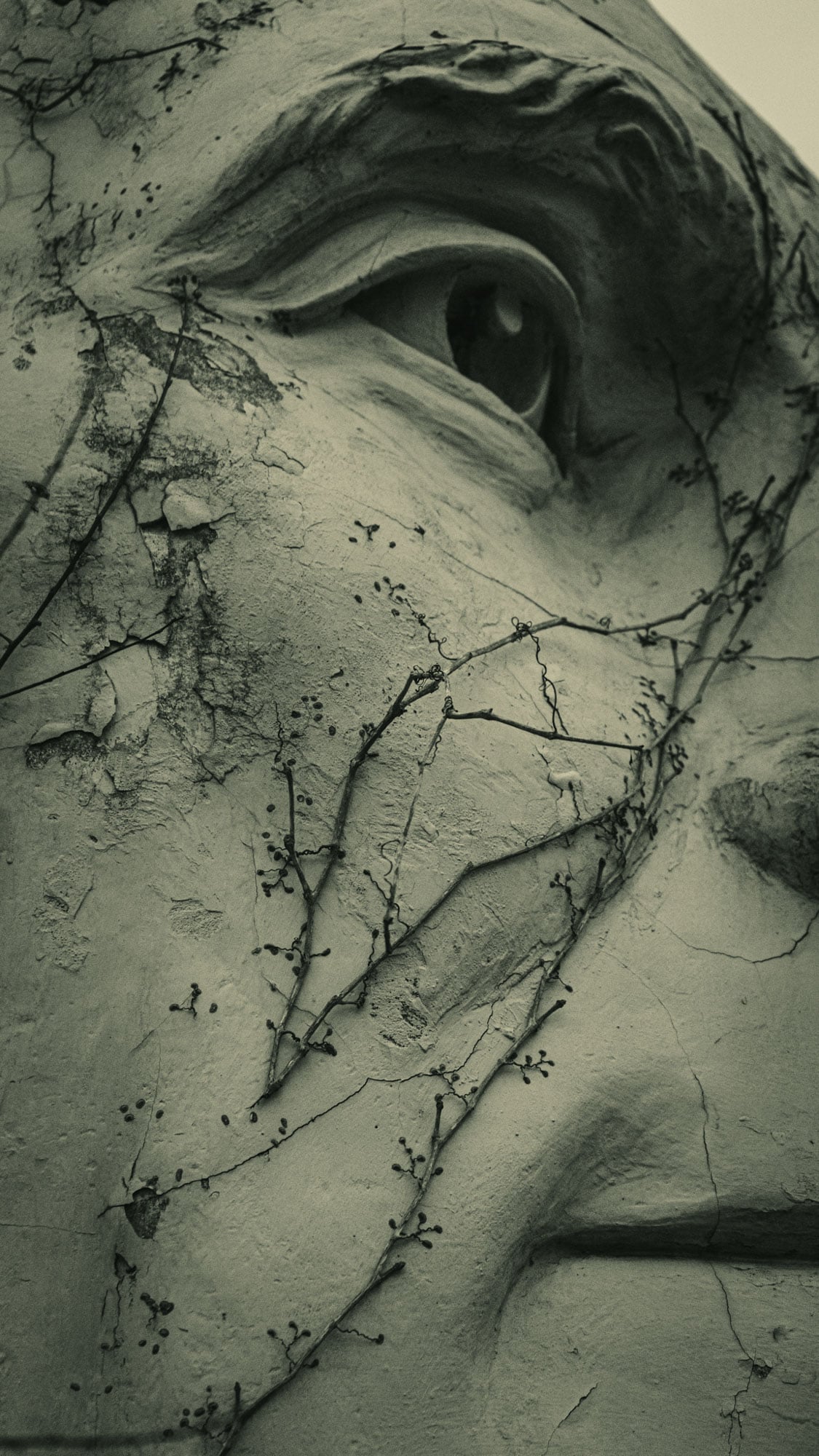
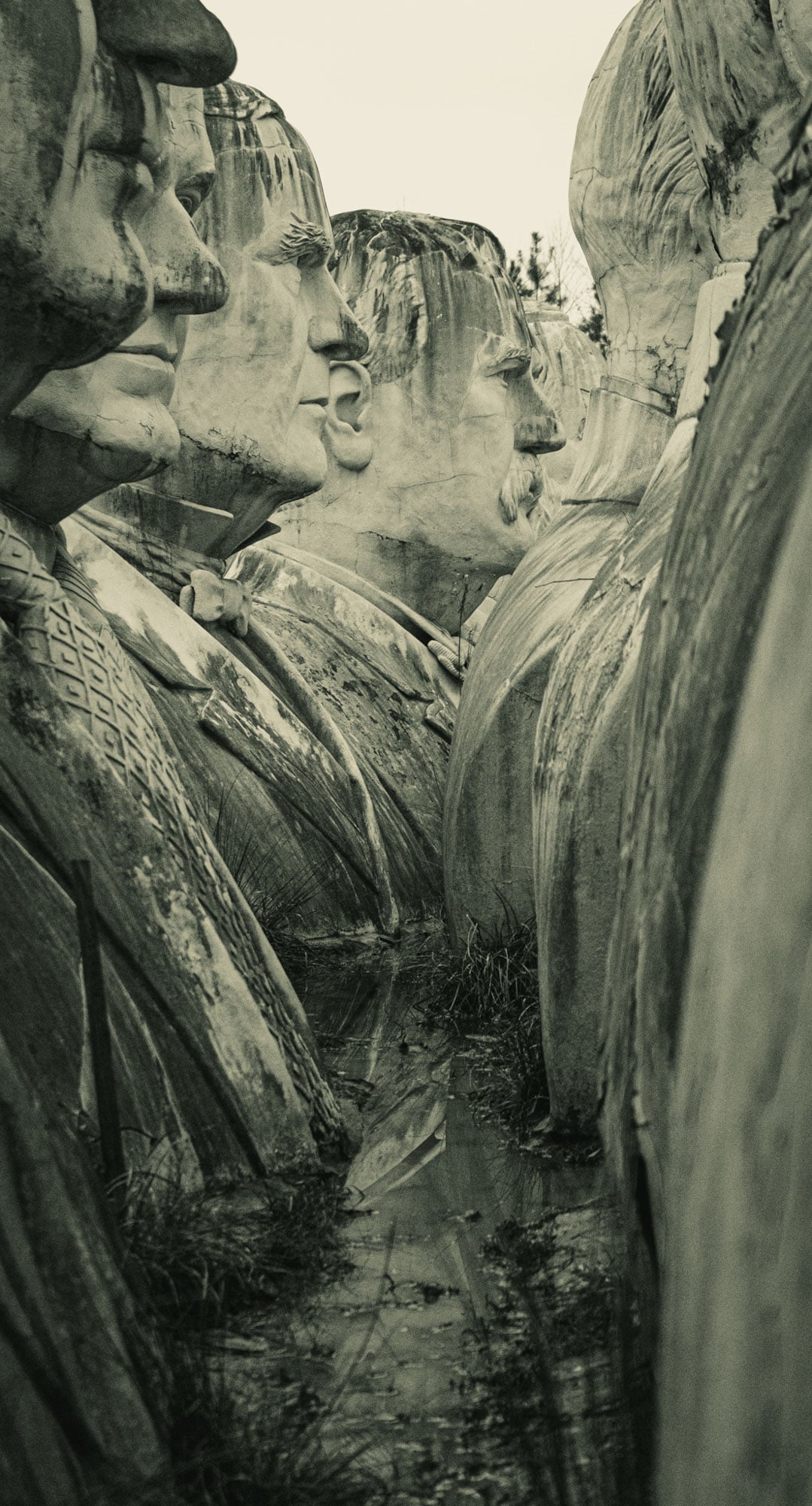
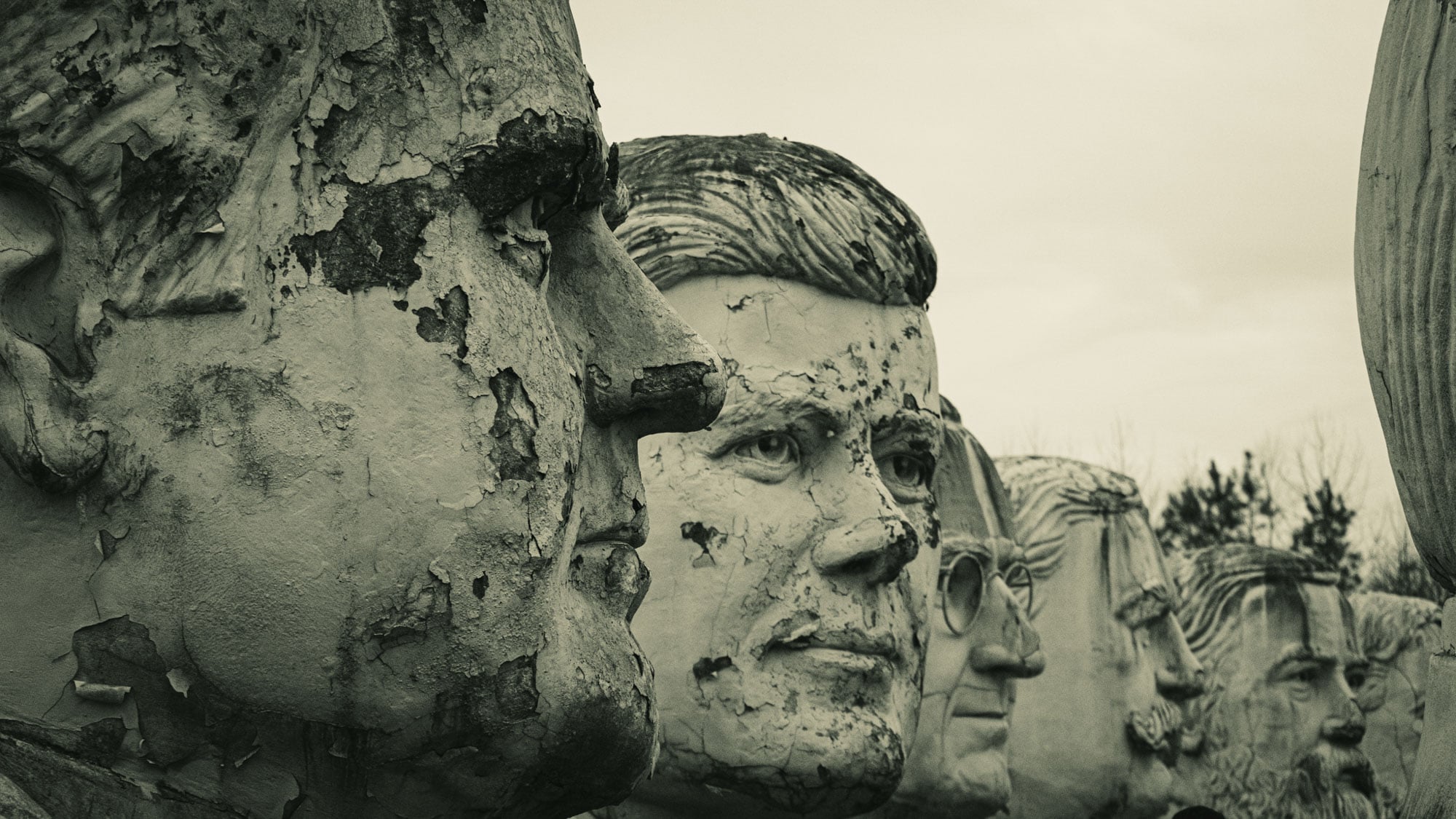
George Washington’s face is streaked black from rain. The back of Abraham Lincoln’s head has split open, exposing the steel skeleton beneath the concrete. Thomas Jefferson’s cheeks are fractured. Grass grows around their bases while puddles collect between them after every storm. They wait in the mud.
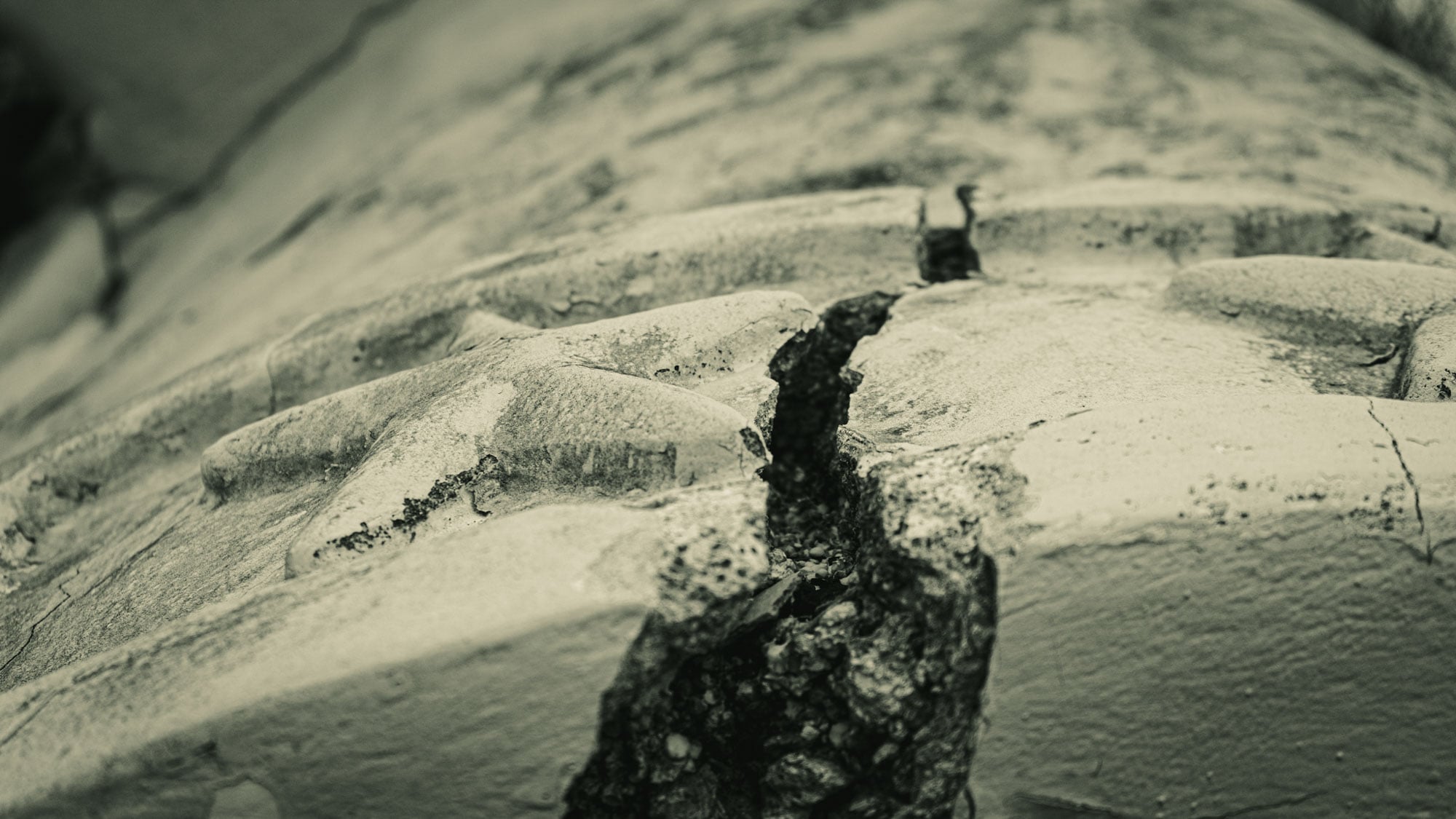
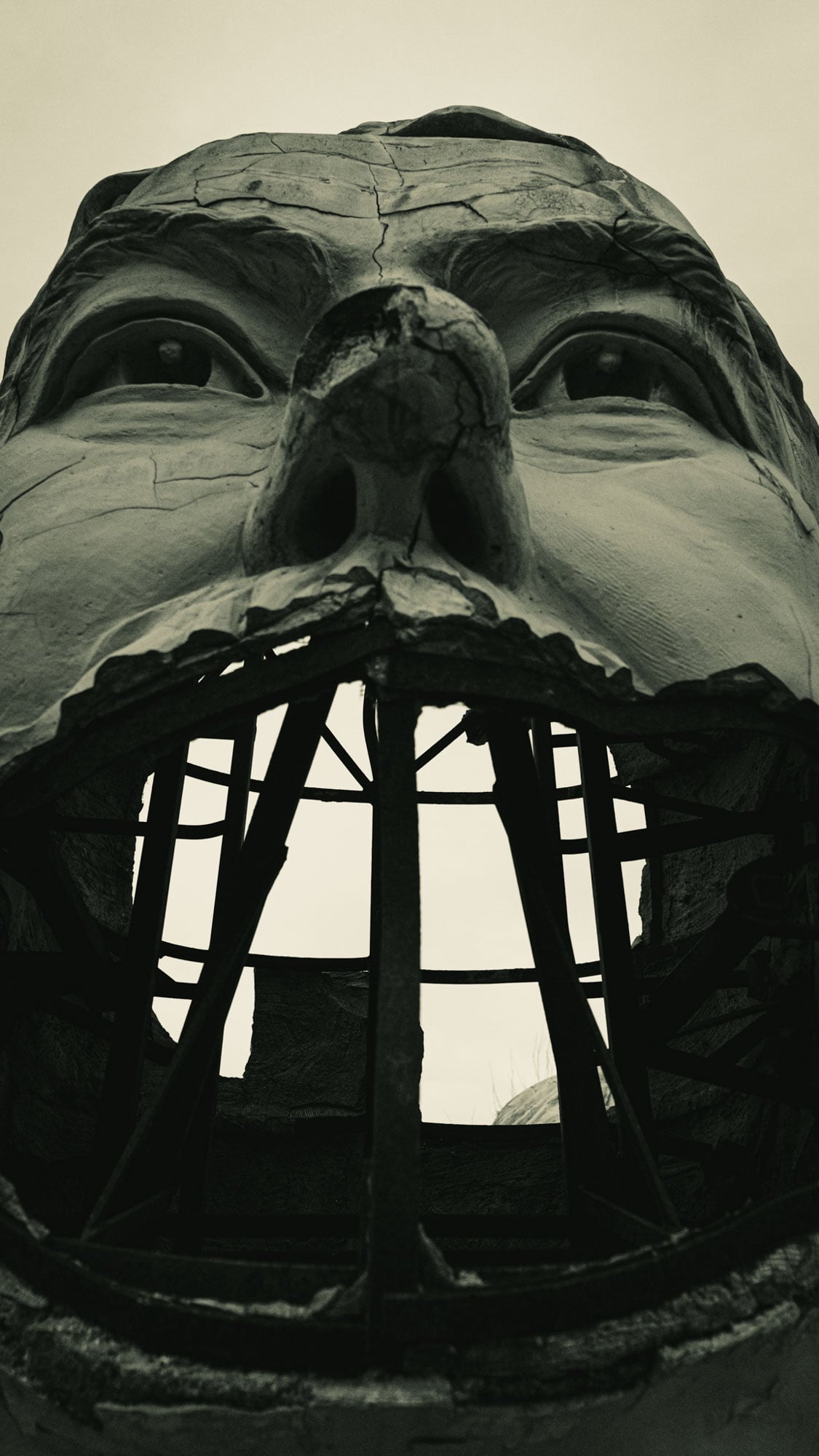
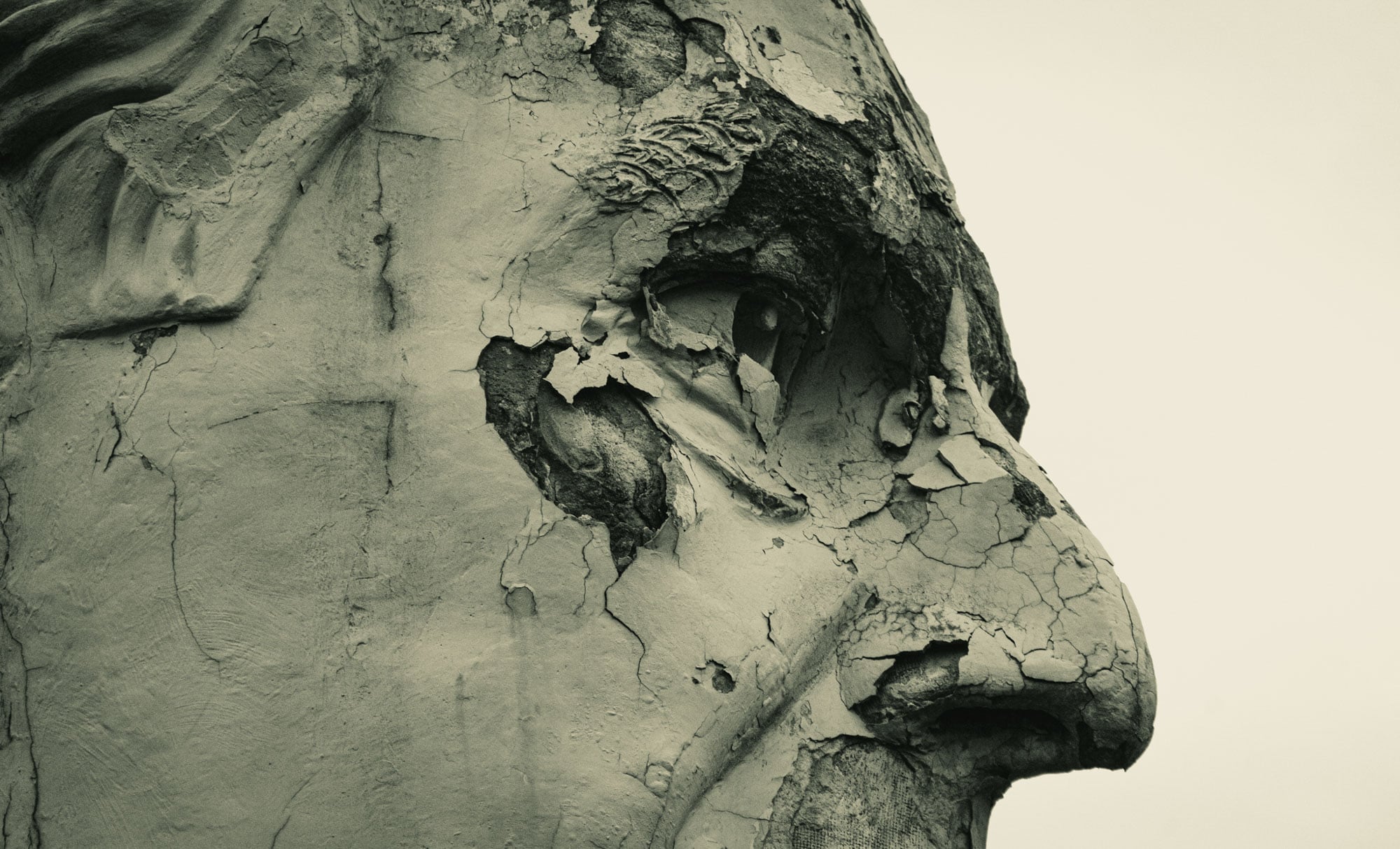
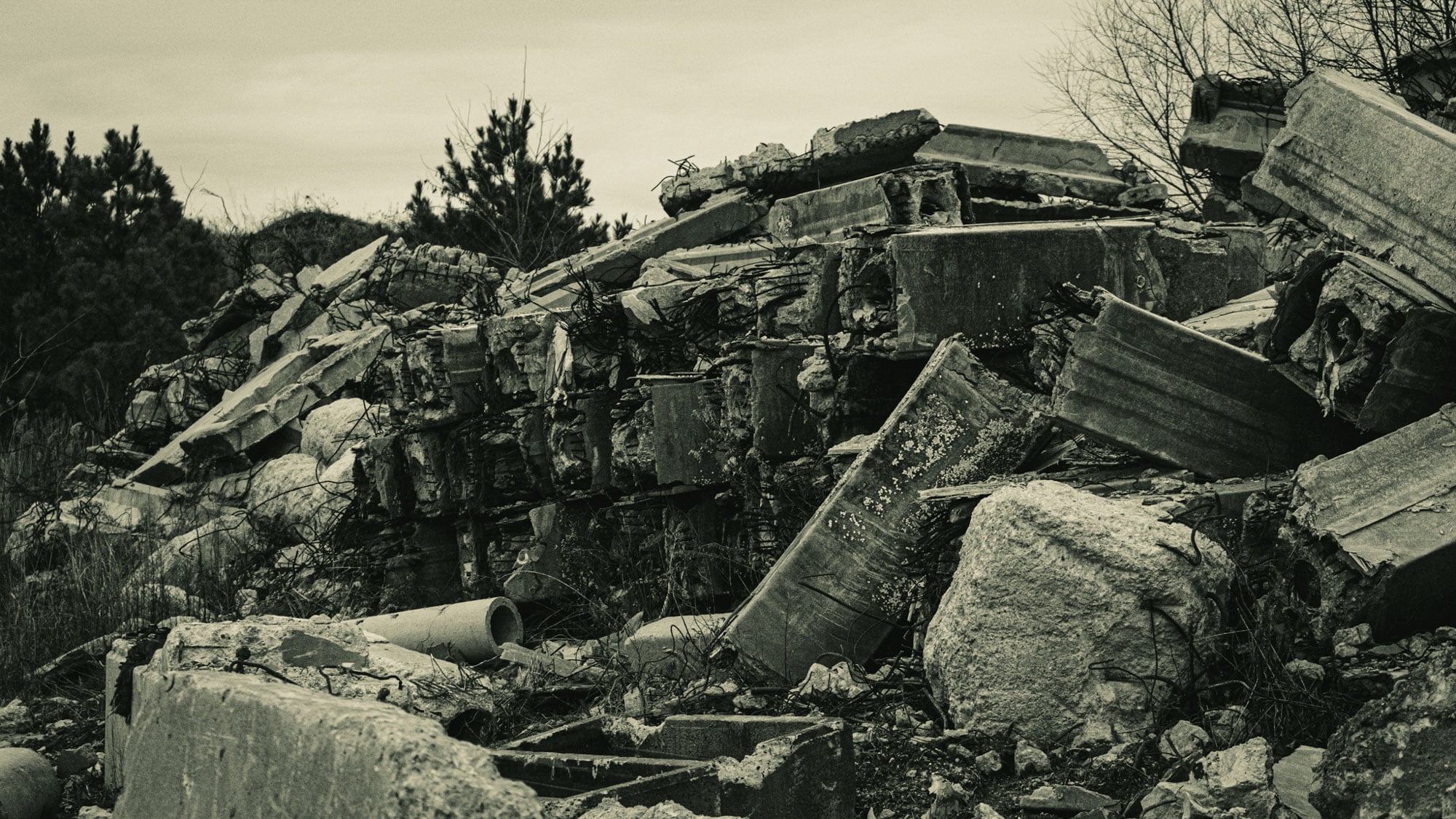
Each sculpture stands roughly 20 feet tall and weighs several tons. They appear to be carved from solid stone but beneath the surface a framework of steel rebar supports layers of metal mesh, plaster, styrofoam, and thick concrete that give each president both its enormous scale and surprising fragility.
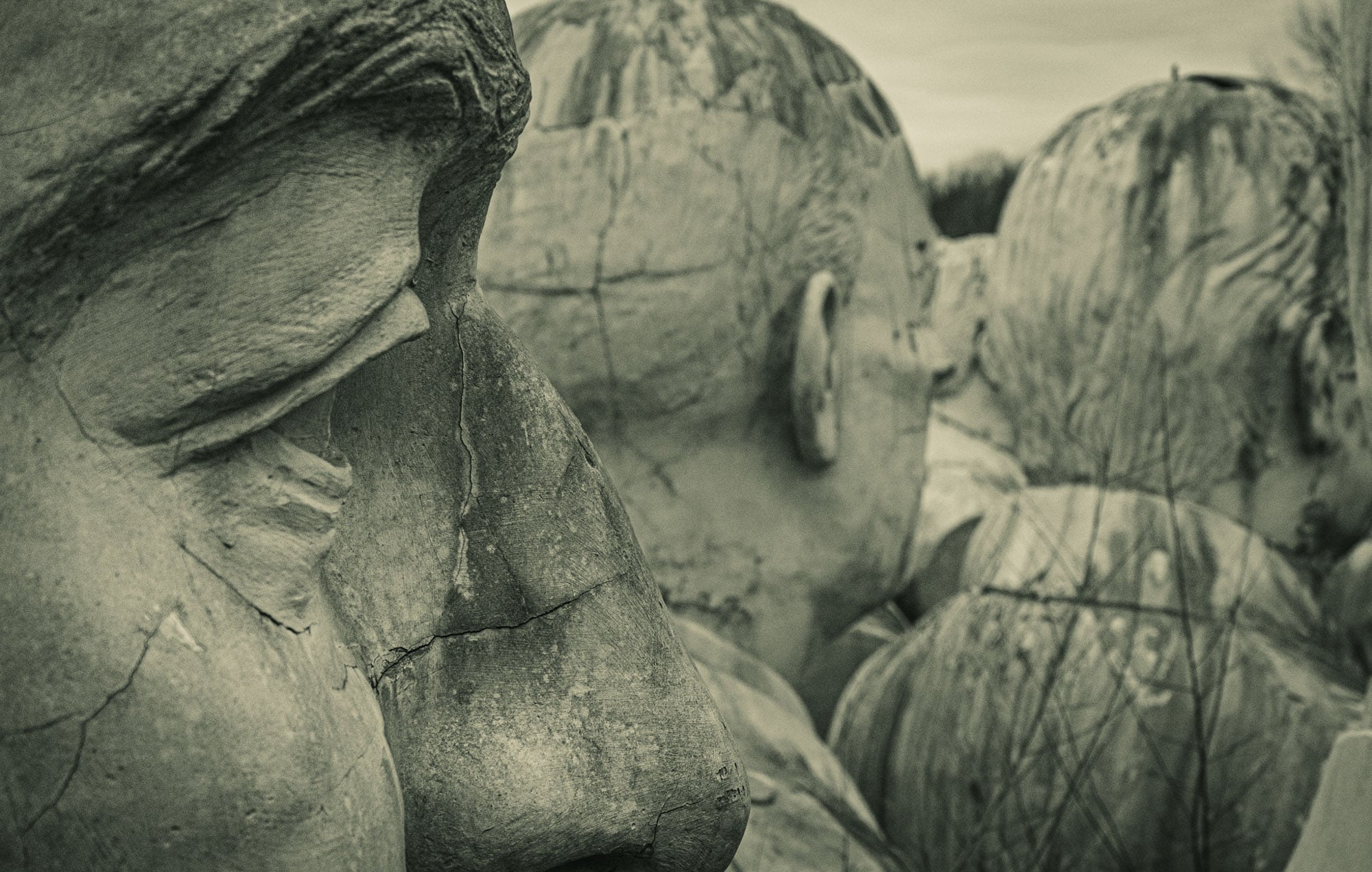
Fifteen years of rain, freezing winters, and relentless Virginia summers have peeled away the concrete skin, revealing how they were built. Every fracture exposes another layer, making the sculptures feel less like monuments and more like men, worn down by time.
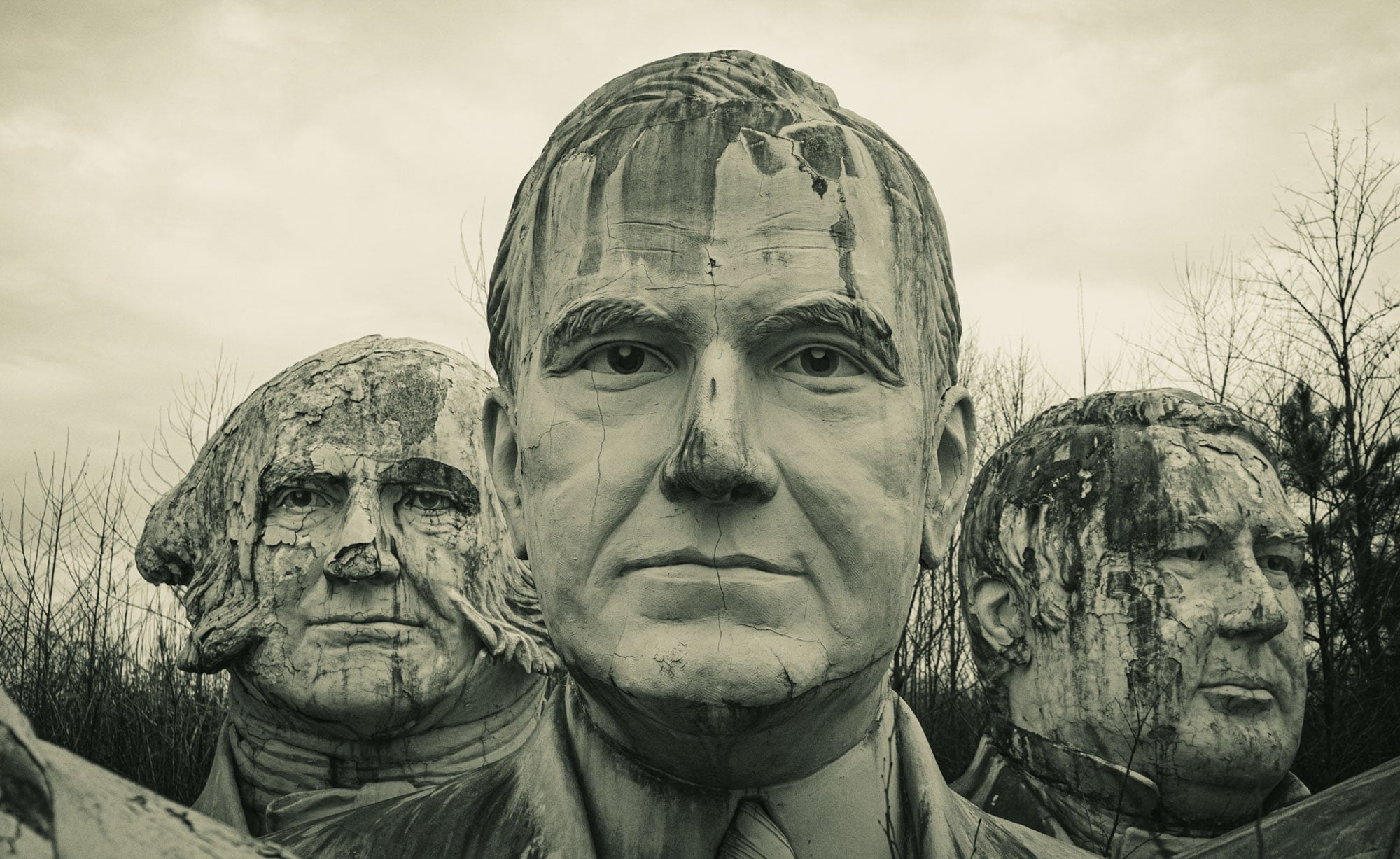
When these monumental sculptures debuted at Presidents Park in 2004, they were pristine. They were built to celebrate the office of the presidency and offer visitors a walk through American history.
But few people came.
Part of that was the Great Recession, part of it was poor management. By 2010, Presidents Park had closed and the sculptures were slated for destruction. Howard Hankins, who had helped build the original attraction years earlier, was hired to crush the massive concrete heads after the property changed hands but he couldn’t do it.
Hankins spent weeks relocating all forty-two sculptures to his nearby industrial property. He wasn’t trying to create a museum or tourist attraction. He simply couldn’t bring himself to destroy them and his hope was simple: maybe one day someone would want them.
So for years, the presidents stood quietly behind the gates of Hankins’ business, weathering Virginia’s seasons as the world largely forgot they were there.
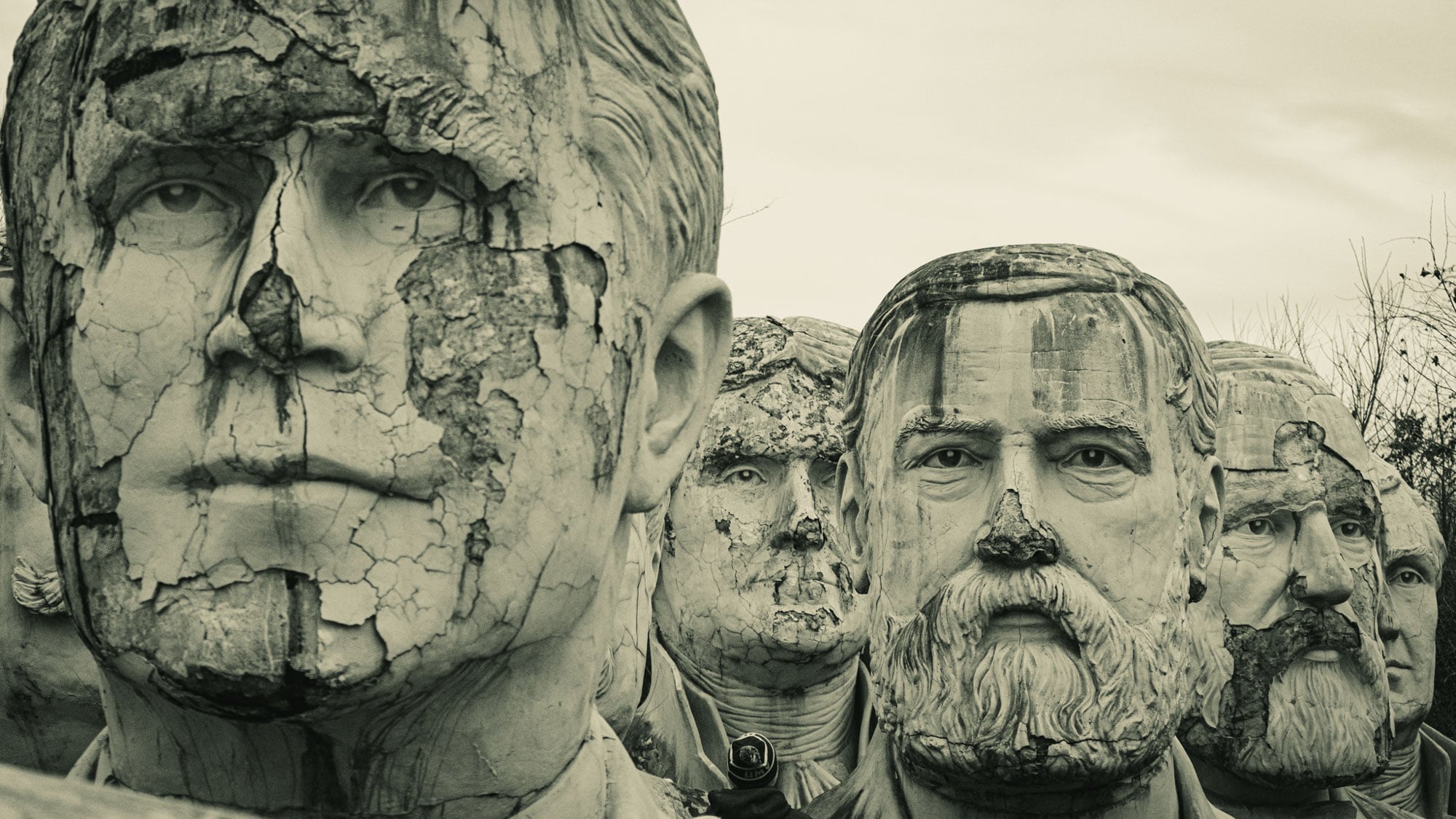
Photographer John Plashal discovered them almost by accident.
A medical device salesman by profession, photography became his excuse to wander Virginia’s back roads searching for forgotten places. What began as a hobby grew into a photography book, speaking engagements across the Commonwealth, and eventually a proposal to Hankins.
“I said, ‘Listen, I think this is an interesting place. I think people would enjoy it. If you want to make your money back on what you spent moving them here, and then some, let’s collaborate.'”
What started as an experiment has grown into one of Virginia’s most unusual cultural experiences. Thousands of people have visited over the years, and nearly 800 toured the site this past weekend alone, all drawn to a place that was never intended to become a destination.
Ironically, it was only after the attraction failed that the sculptures found an audience.
“I ask people all the time, ‘What’s the allure?'” Plashal says. “It’s the decay. It’s the juxtaposition of these 42 men of significant power that deserve more, falling apart and stuck in a mud pit.”
Some visitors arrive because they remember Presidents Park and wish they had seen the sculptures when they were new. Others come because the future of the heads is once again uncertain, hoping to see them where they’ve stood for more than a decade before they move on to whatever comes next.
Then there are those who simply want to learn. During the tours, Plashal shares the history of the sculptures, presidential trivia, and even some of the odd stories behind them.
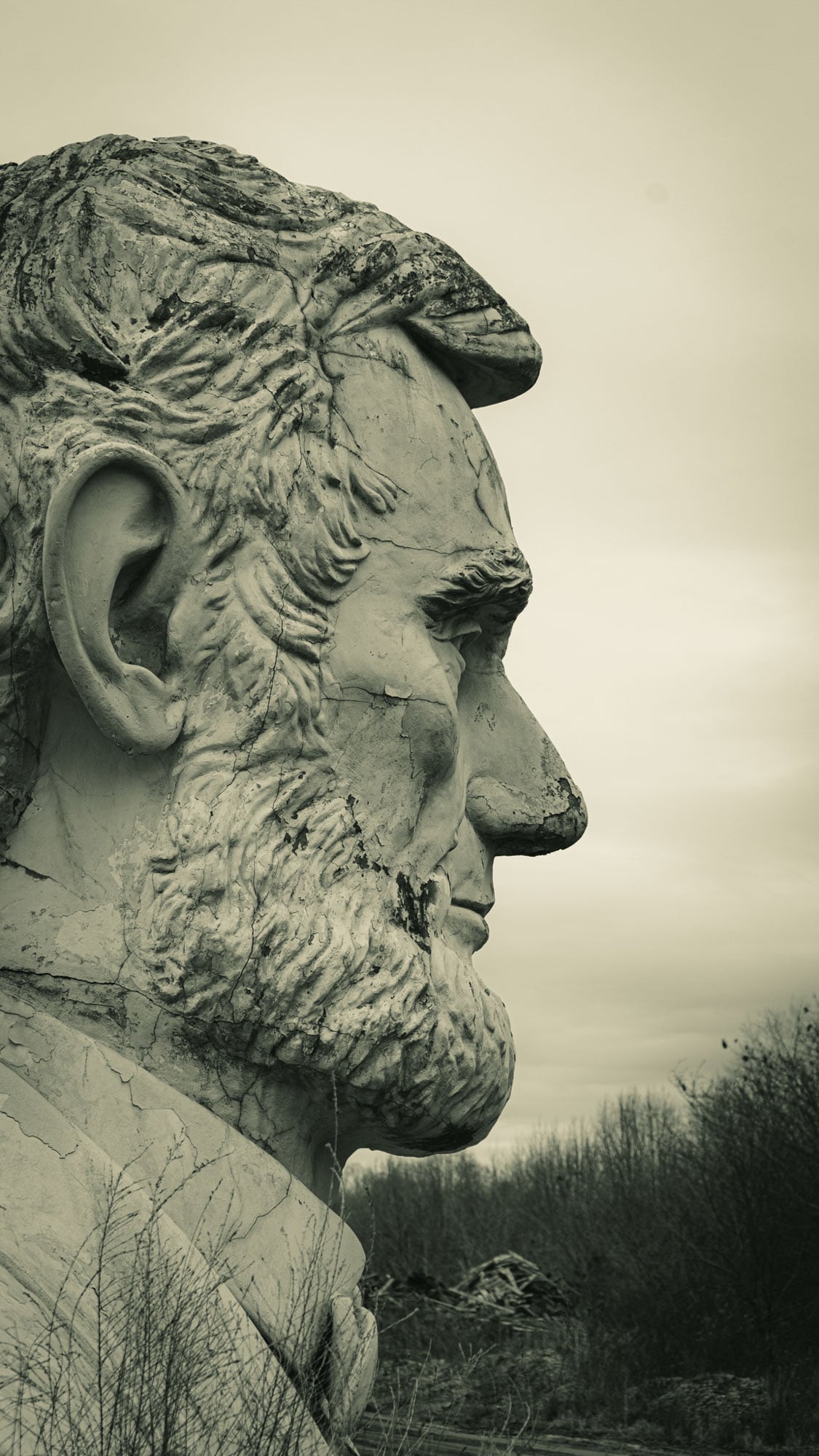
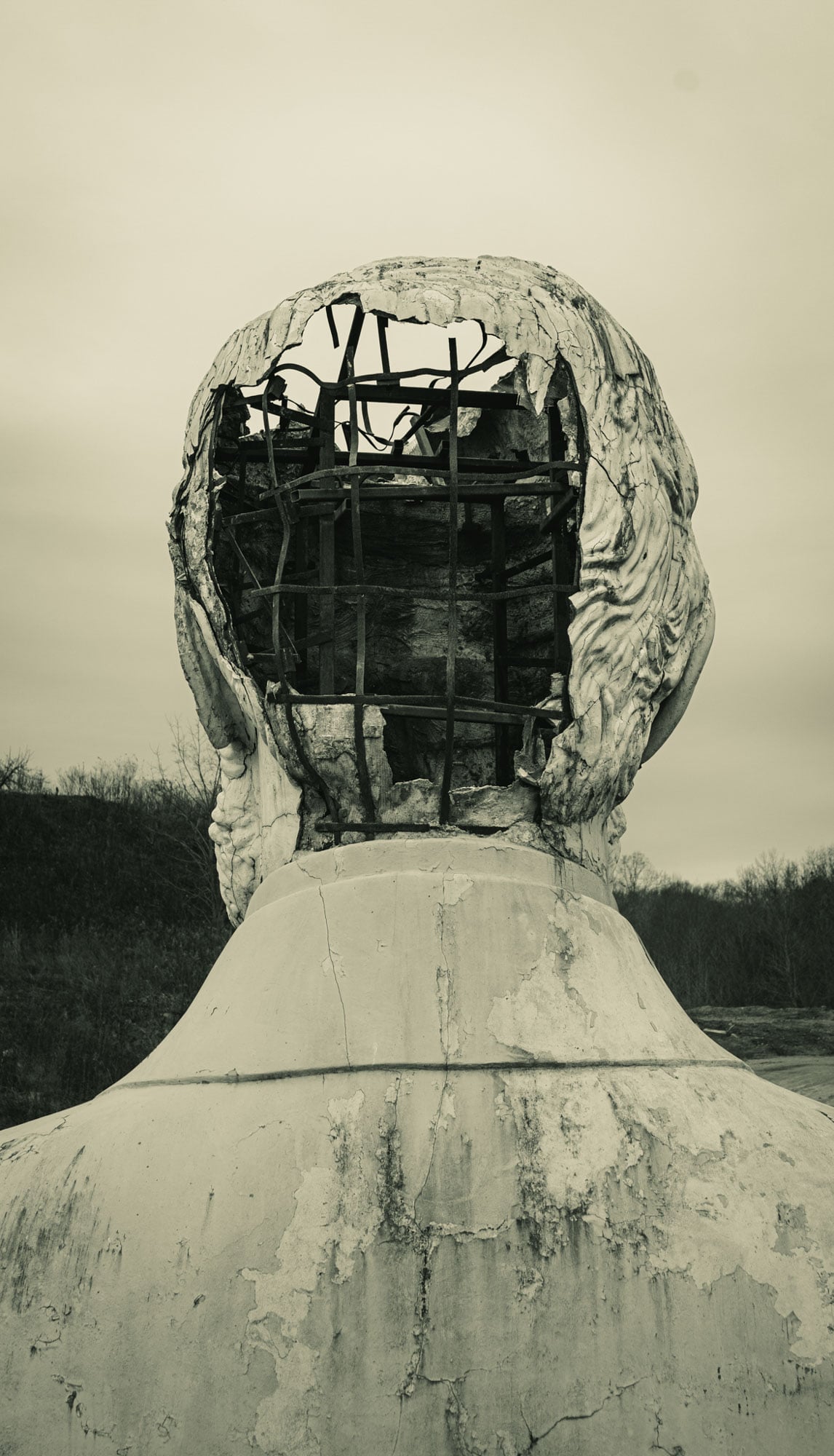
Photos by Mike Avey
The sculptures were created by renowned Texas artist David Adickes, whose larger-than-life public works can be found across the country. He originally envisioned installing the project in Washington, D.C., but eventually turned to Williamsburg, believing the Historic Triangle offered the next best setting for a walk through presidential history. The Williamsburg collection became the first of three complete presidential sets he created.
Each presidential bust cost roughly $30,000 to produce in the early 2000s, making the project a multi-million-dollar artistic undertaking. Before a single full-scale sculpture was cast, Adickes sculpted every president as a smaller clay model, studying paintings and historic photographs to create what he described as “the best likeness” of each man to hold the office.
“I just wanted to do the best likeness of each guy that was president.”
Politics, he later said, had little to do with the work.
A second collection was later installed in South Dakota, where that Presidents Park also eventually closed, while a third remains at Adickes’ Houston studio.
Adickes, who died earlier this year in his late 90s, lived long enough to learn that his sculptures had found an audience he never expected.
During a conversation with Plashal recorded in 2022, the photographer asked whether he realized just how internationally popular the weathered heads had become, attracting visitors from across the United States and around the world.
“I didn’t even know they were that popular,” Adickes replied. “Are they known abroad?”
When Plashal told him they had become an international destination, the artist paused.
“That’s news to me,” he said. “I’m glad to hear it.”
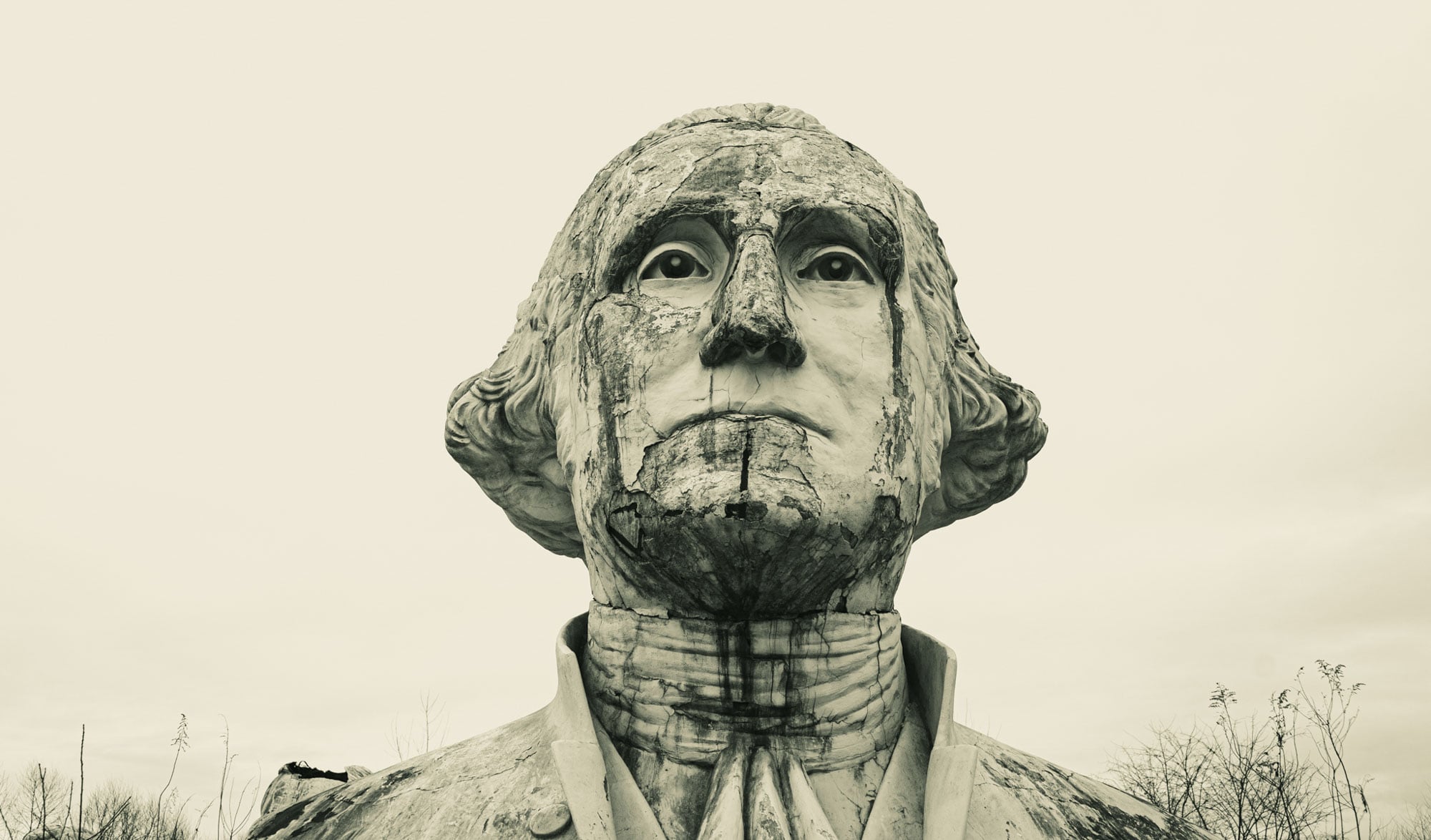
Now, the future of the heads may be changing once again. A proposal before James City County would preserve the sculptures as part of a mixed-use development, relocating them to an open-air museum elsewhere on the property. County leaders recently delayed a decision until October, leaving the sculptures, once again, in a familiar state of limbo.
Perhaps that’s fitting. David Adickes sculpted the presidents. Howard Hankins refused to destroy them. John Plashal shared their story. Time gave them meaning.
For now, they continue to wait.
Photos by Mike Avey
Support RVA Magazine. Support Independent Media in Richmond.
At a time when media ownership is increasingly concentrated among corporations and the wealthy, RVA Magazine has remained one of Richmond’s few independent voices. Since 2005, the magazine has provided grassroots coverage of the city’s artists, musicians, and communities, documenting the culture that defines Richmond beyond the headlines.
But we can’t do this without you. A small contribution, even as little as $2, one-time or recurring, helps us continue to produce honest, local coverage free from outside interference. Every dollar makes a difference. Your support keeps us going and keeps RVA’s creative spirit alive. Thank you for standing with independent media. SUPPORT HERE.
We’ve got merch HERE
Subscribe to the Substack HERE
And Reddit HERE
And YouTube HERE