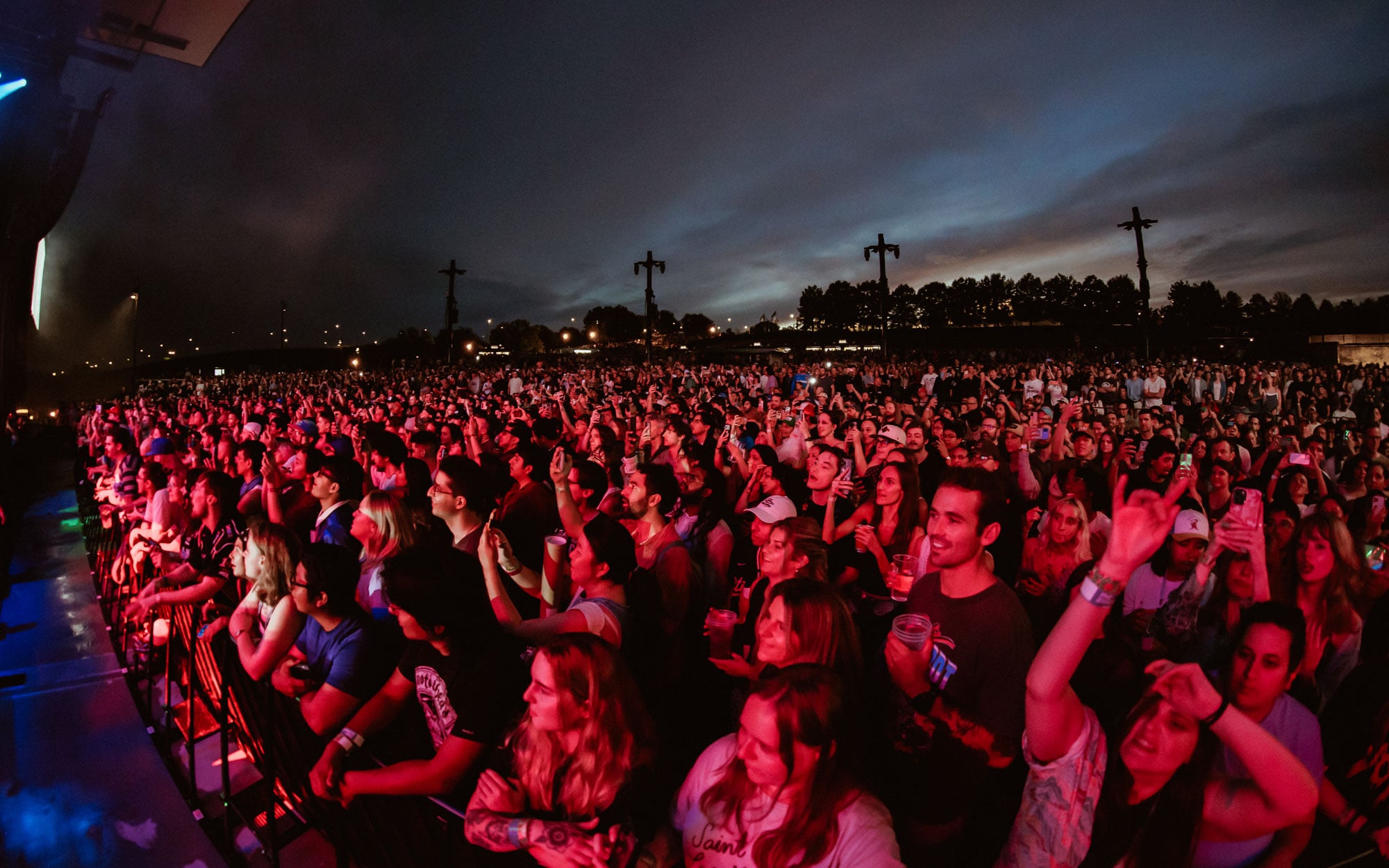
Ahead of Iron Blossom, we talked with veteran promoter Ken Macdonald about the city’s changing live music ecosystem, from clubs to festivals and the Allianz Amphitheater.
Richmond has always been a music town, but going back decades there were gaps in the local scene. And now that has changed, and this weekend’s Iron Blossom is a good way to explain what and why that matters.
Around a decade ago, we had small clubs like The Camel and Strange Matter, mid-capacity rooms like The Broadberry, Alley Katz and Canal Club, and then a jump up to The National. There were plenty of local bands working their way through them, but once an artist reached a certain point, there weren’t many options left. To keep climbing, the move was, literally, to move into another city’s music ecosystem.
A healthy music scene needs somewhere for bands to start, and somewhere for them to go when they get bigger.
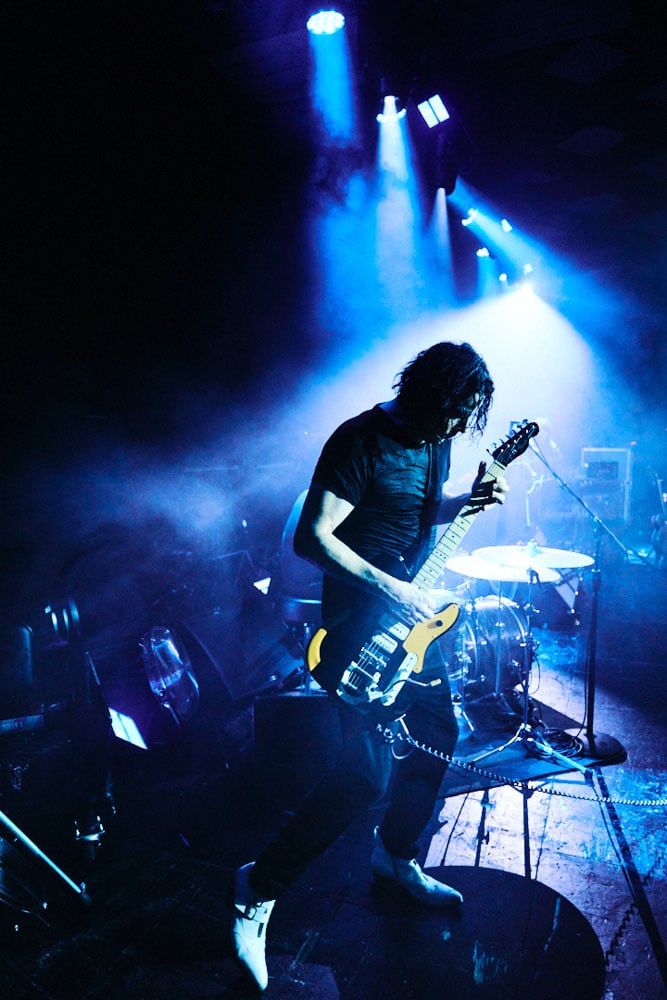
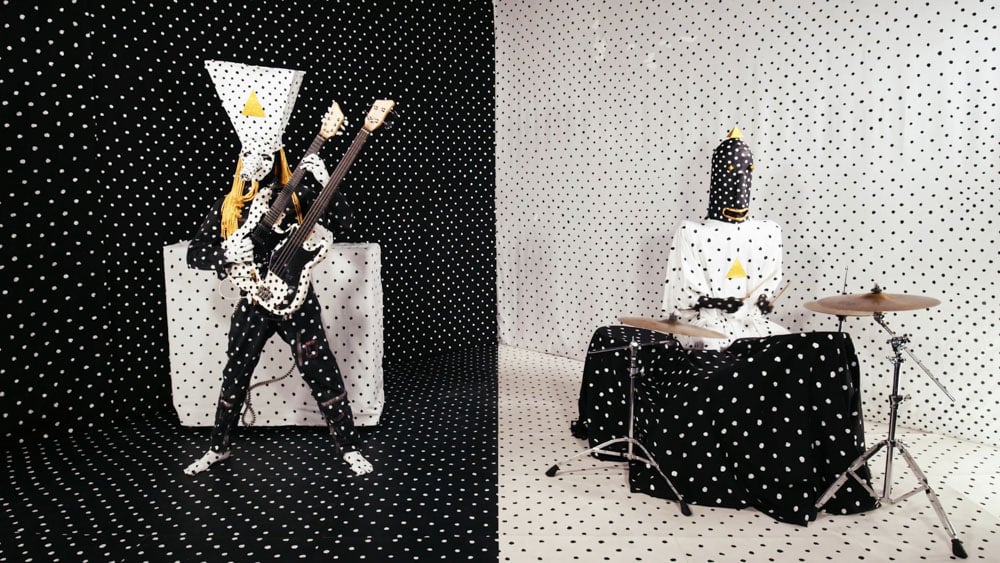
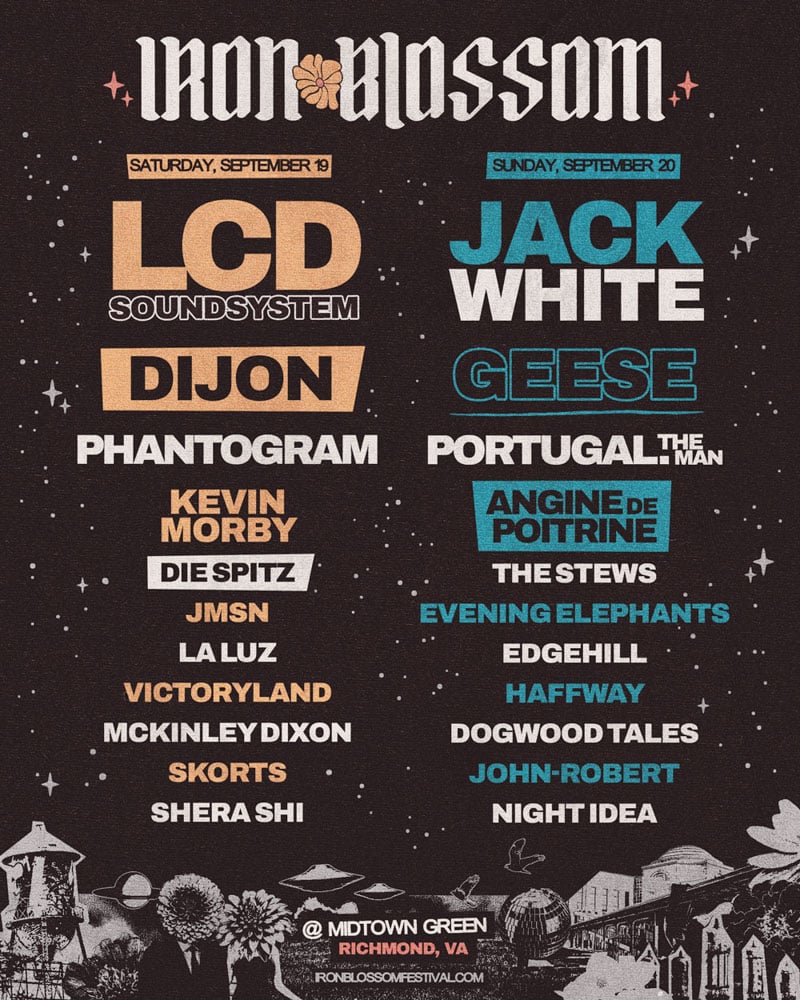
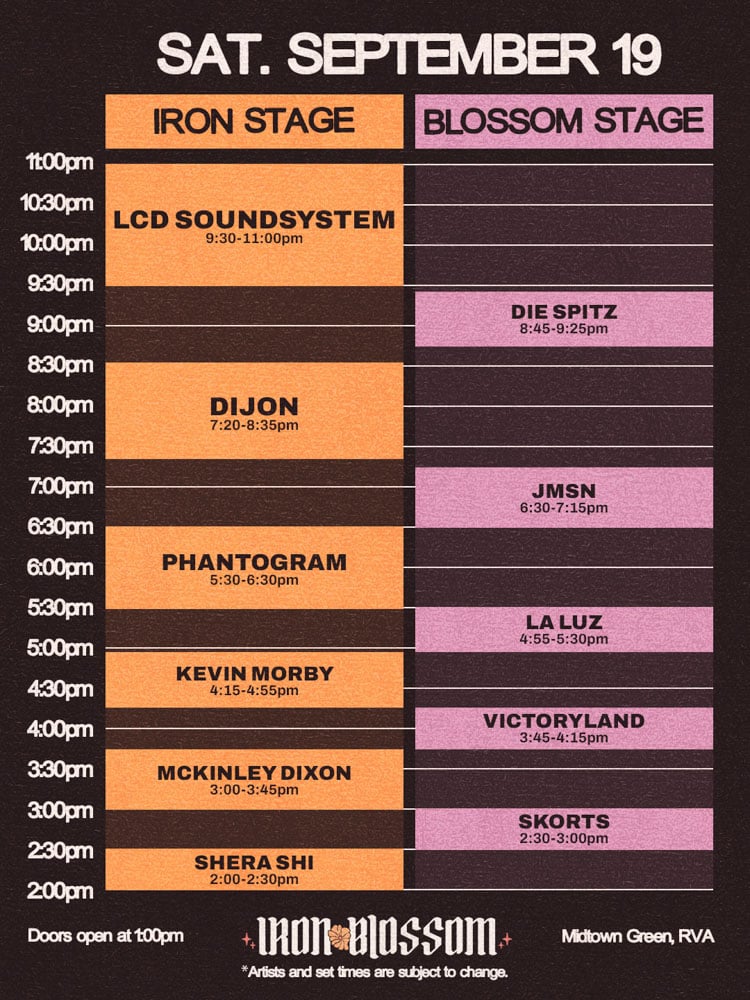
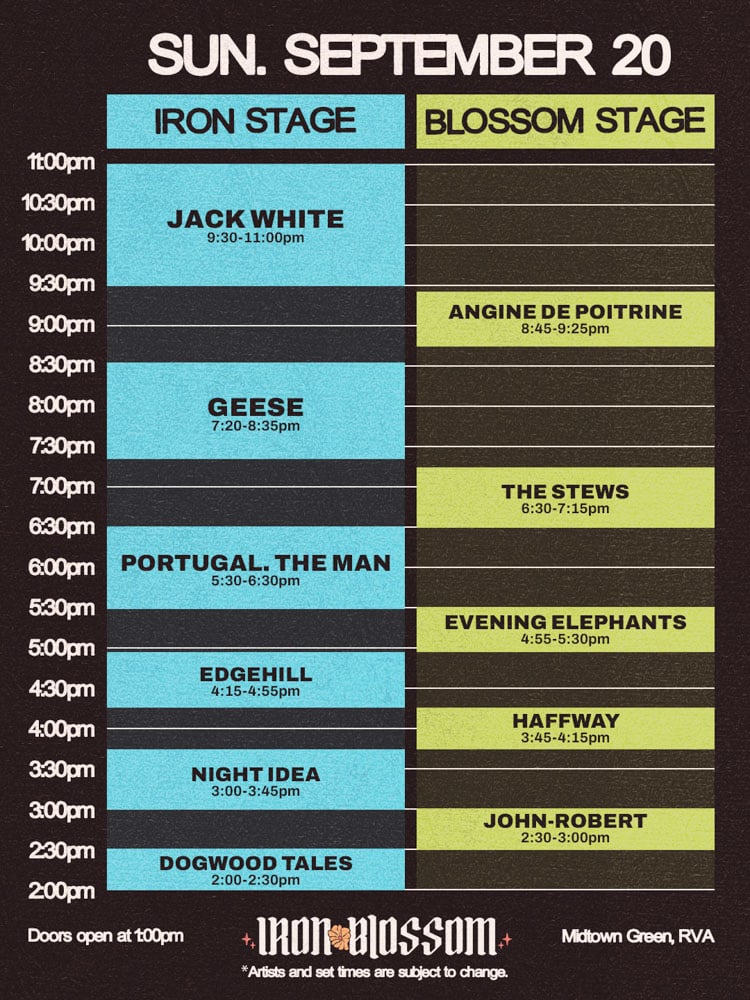
This weekend, Iron Blossom Music Festival returns to Midtown Green with its strongest lineup yet. Jack White and LCD Soundsystem sit at the top, with Portugal. The Man, Phantogram, Dijon, Kevin Morby, Geese, Die Spitz and Richmond acts including McKinley Dixon, Night Idea and Shera Shi filling out two days of music.
Behind the festival is Ken Macdonald, president of Virginia Beach-based concert and event company IMGoing. Iron Blossom may only be entering its fourth edition, but Macdonald’s history promoting concerts in Virginia goes back nearly four decades.
“I started in the concert business in Virginia in 1988, so way back when,” Macdonald told me. “And my ties to Richmond, I’ve done a lot of shows in Richmond since then. Even shows at a place called the Flood Zone, which was a legendary club,” he said
In the 90s, Macdonald ran the amphitheater at the old State Fairgrounds. “In those days, we had Tina Turner and Aerosmith and Elton John and Jimmy Buffett,” he said. “It was the first amphitheater in the state.”
But Macdonald’s career started at the other end of the ladder. “I had come out of college and I was in Illinois. My brother was working for Cellar Door Concerts in Florida,” he said.
Then in 1988, a job opened up in Norfolk running the Boathouse, a 2,460-capacity club. Macdonald’s post-college experience had been in retail, so he learned the concert business on the job.
“These were different times,” he said. “It was like, ‘Oh, you got a brother? I mean, this is a family-type business, right? Let’s see what he can do.’”
“This is when Psychedelic Furs were young, and Red Hot Chili Peppers were young. Faith No More, and that whole era of Jane’s Addiction,” he said. “I was the same age as those guys at the time.”
The Boathouse was unusual for the era. Most clubs Macdonald remembers held 300, 600, maybe 700 people. The Boathouse held 2,460.
“There really wasn’t a network of clubs that were as big as this,” he said. “So many times a band would come in there, and they had never seen this many people.”
“The first time I think Chili Peppers saw 2,460 people was probably the Boathouse. The first time Living Colour saw that number of people was the Boathouse.”
From there, Macdonald started working his way into bigger shows and bigger venues, including outdoor shows at Strawberry Banks and eventually the Virginia Beach Amphitheater. As he moved through all those different levels of the concert business, he began to see how important it was to have places for artists to go as their audiences changed.
“We used to call it a cradle-to-grave strategy,” Macdonald said. “We would also have a saying at times: ‘We’ll see you on the way up, we’ll see you on the way down.’”
Because bands don’t necessarily get bigger forever. “They don’t all go like that,” he said. “They kind of will ebb and flow.”
Back when the concert business was dominated by independent regional promoters, Macdonald said the goal was to be able to work with an artist wherever they happened to be in that cycle.
“What we wanted to do then, when it was more of an independent business and there were independent promoters all over the country, is we would do artists at every level,” he said. “We’d do the clubs, theaters, the arenas, stadiums, amphitheaters.”
And eventually, festivals.
“Festivals kind of came more from outsiders,” Macdonald said. “They took pretty much a European idea and said, ‘Let’s do this in America.’”
“We, as a traditional promoter, were like, ‘Whoa, that’s a lot of work. You got the weather, and you got this, and you got that, and curating all these bands in this short period of time, that’s a lot of risk also.’ It took some disruptors to come in and say, ‘No, Lollapalooza is a good model, and Bonnaroo is a good model,’” he said.
Around the same period, in the late ’90s and early 2000s, the modern American destination-festival circuit was starting to take shape, with festivals like Coachella and Bonnaroo establishing a model that would eventually spread across the country.
“There’s some that are still around and some that aren’t, but they all kind of came together at the same time,” Macdonald said, “and mostly done a little bit by people that were outside of the real industry at the time.”
Macdonald eventually became part of that world himself, joining Bonnaroo in its second year and working on the festival for years.
Years later, Macdonald started looking at Richmond. “I had been doing shows in Richmond, knew Richmond well, had done music festivals in all sorts of other places, and looked at the market,” he said.
“It seemed like the right place at the right time,” he said. “If we could do it in a Richmond way and curate it correctly, make it more boutique, make it more unique, and not just give the same show that everyone gets. If we could do something special, because Richmond is a unique market.”
The idea that became Iron Blossom actually predates COVID, which derailed Macdonald’s original plan. It took another year or two after the pandemic for the concert business to recover enough for him and his partners to come back and execute it. But the reason for doing it hadn’t changed. “Richmond’s got great music history,” Macdonald said. “It was lacking in venues without the Coliseum, without a big amphitheater. The club level was strong. It was always good on the club level,” he said.
Richmond also had strong community events, but Macdonald saw “a really big void for shows.” “Coming in with this boutique, nationally recognized music festival, it just felt the time was right.”
But a festival like Iron Blossom needs multiple stages, concessions, vendors, VIP and GA+ areas and enough capacity to sell the tickets required to pay for national acts. “You have to have enough capacity and enough ticket sales to afford the bigger bands,” Macdonald said.
Midtown Green gave them the space to do it. “Without this, I can’t think of another place where we would be able to do it because Richmond’s pretty built out,” he said. “There’s not large, green, open-ended spaces inside the city.”
And Iron Blossom wasn’t happening in isolation.
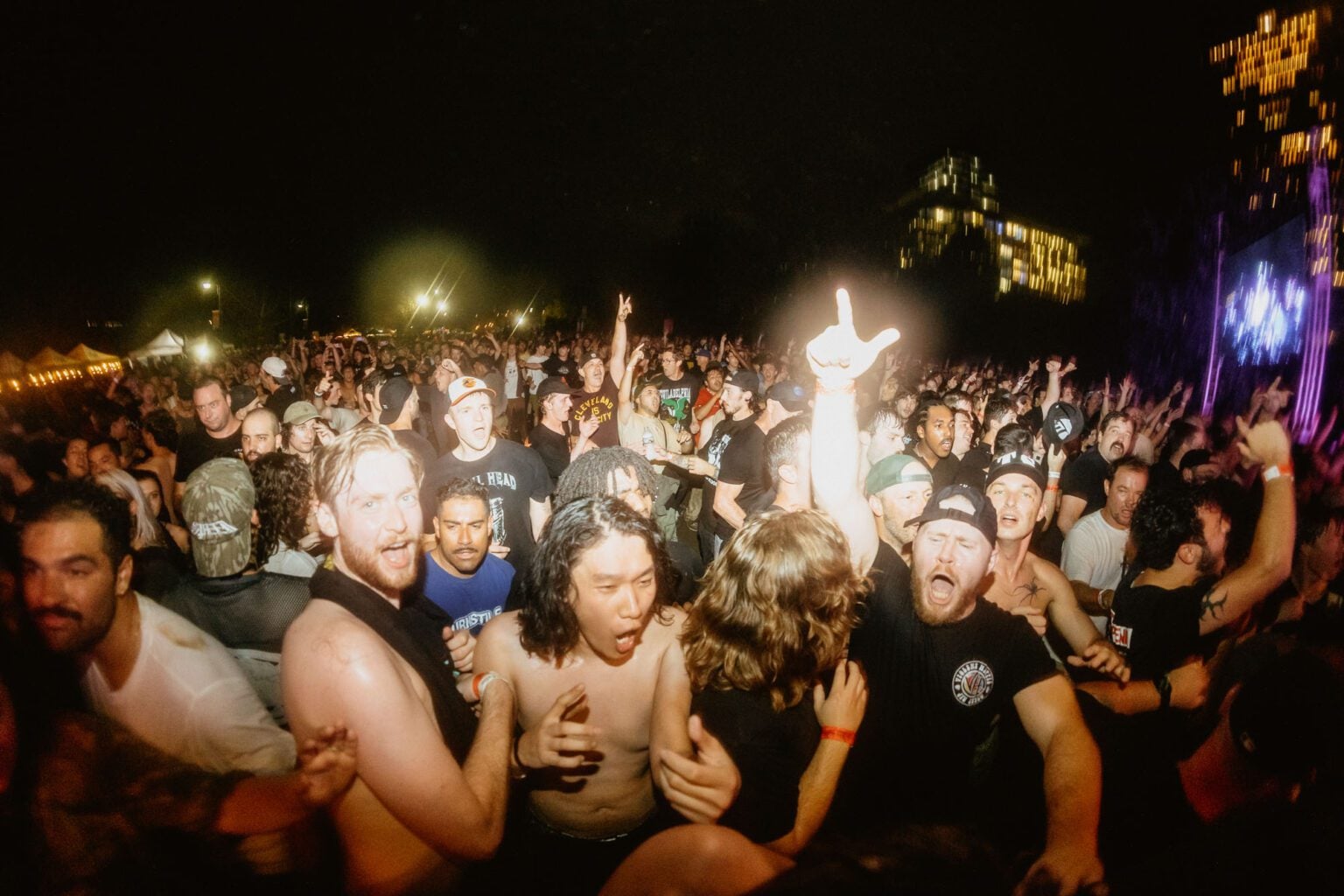
Brown’s Island has been part of Richmond’s music scene for decades. Everybody knows the Friday Cheers series and Richmond Folk Festival. But coming out of COVID, local promoters Lucas Fritz and Jessica Gordon’s Broadberry Entertainment Group started pushing the island in a different direction, bringing in larger standalone ticketed shows outside the traditional free show Venture Richmond model. Their Live Loud series launched in 2022, giving national touring acts that had outgrown Richmond’s clubs and theaters another place to play.
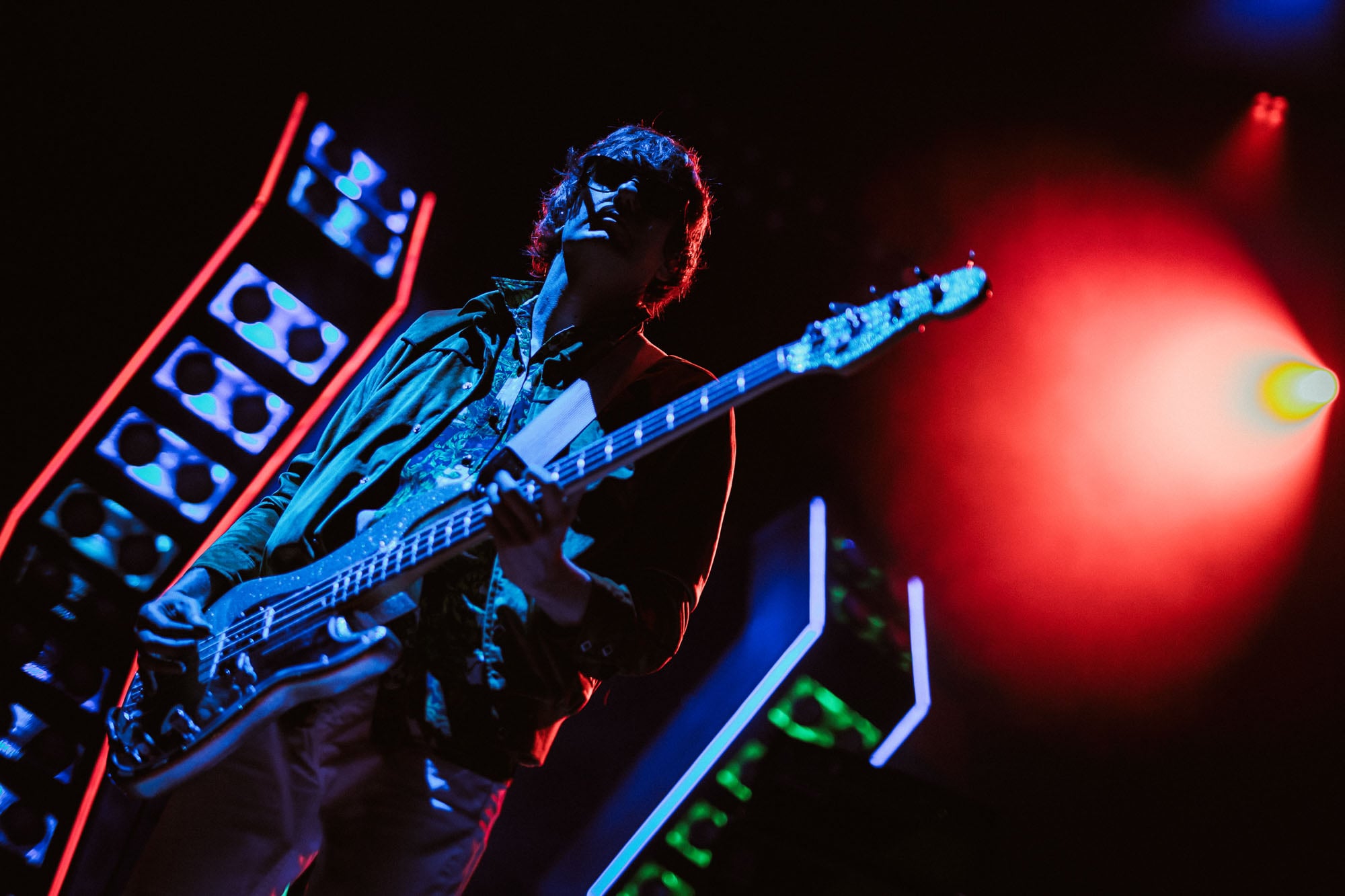
Then the next piece fell into place.
The Allianz Amphitheater opened on Richmond’s riverfront last year, giving the city a purpose-built outdoor venue for artists too big for The National but nowhere near stadium size.
Macdonald had a hand in that, too. “I was part of the amphitheater design team,” he said. “Coran [Capshaw] was the one that was kind of the tip of it, and he and I had been talking for 20 years, maybe more. Northern Virginia has Jiffy Lube Live, Virginia Beach Amphitheater at 20,000 capacity. There’s Portsmouth Pavilion in Portsmouth at 7,000. Looking at this market, we thought that there was a need for it.”
“We did a ton of work looking for a site, and we’d actually looked at the site where it sits now many, many years ago,” he said. “I went and looked at it, and I was like, ‘This will never become available. They’re not going to make this site available.’”
Sitting along the river, framed by the train trestle and Richmond skyline, the location almost seemed too good to be realistic. “It’s just like, well, it’s a nice idea, but it’s never going to happen,” Macdonald said. “And then it happened. We situated a great building, a great project on there, and Richmond has responded really well to it.”
Suddenly, the ladder looks very different. It’s not a perfectly straight ladder, but there are a lot more rungs than there used to be.
But Macdonald still sees one missing piece. “There’s still a Coliseum need, no doubt about it, for even a bigger multipurpose venue that the Richmond market needs,” he said. “But a music festival, I think those belong in the mix too. It’s different than just go to the show, opening act, headliner, go home. This is more a deeper dive. It’s a different experience than just a concert, and then it’s over.”
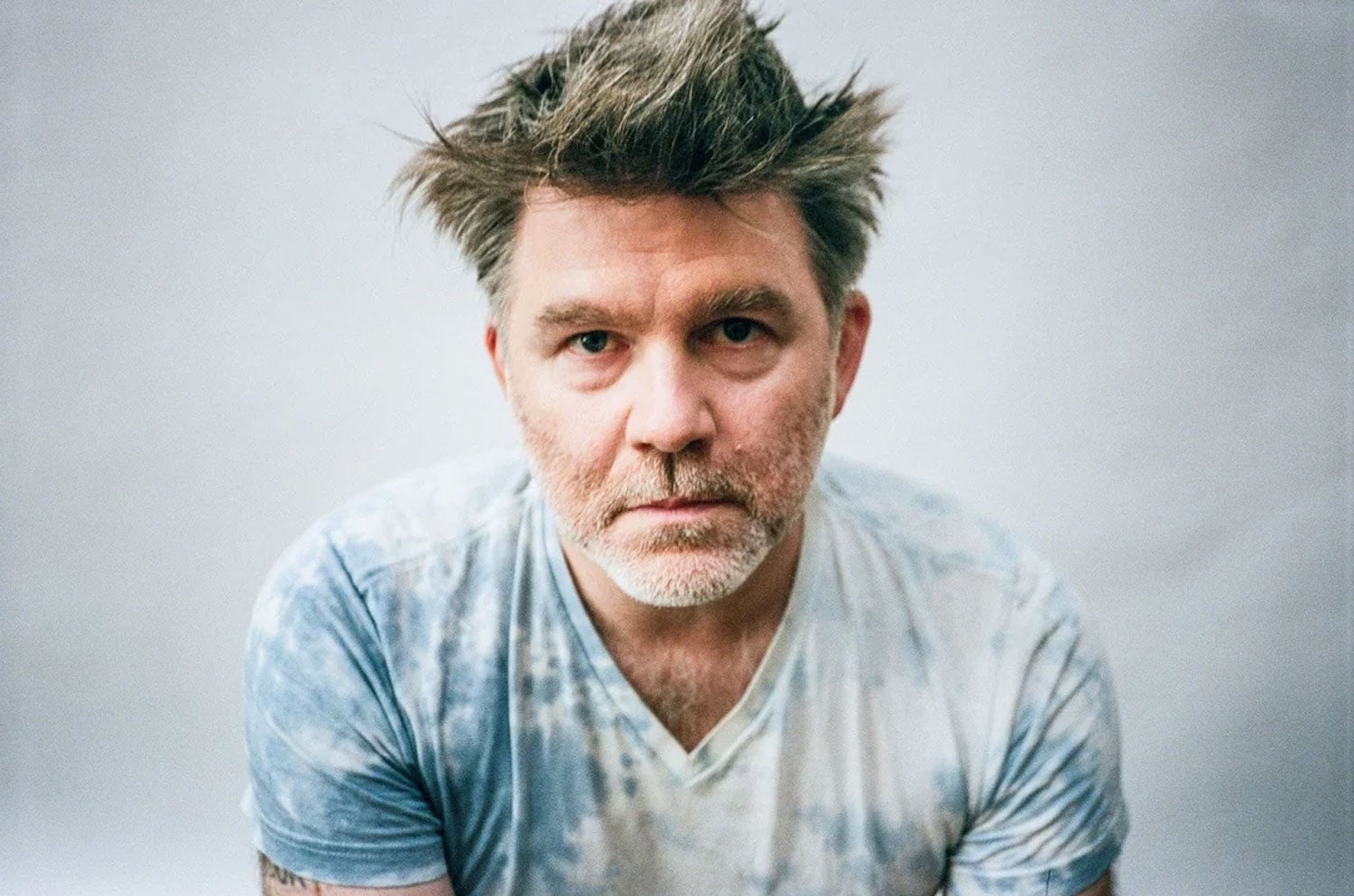
“When we had a chance at LCD and a chance at Jack White, and we looked at where they fit in, how long it’s been, if they’ve ever been here, that’s an opportunity that you just can’t pass up,” Macdonald said.
Booking a festival, he explained, is a combination of numbers, availability and instinct. “It’s part science with data and analytics and numbers, and part who’s available,” he said. “But part is who can you build a great show around?”
“If you’ve got real artists that have fan bases that are open to other arts and other artists, you can do a lot with that,” Macdonald said. “Versus if you have a certain headliner that they’re just like, ‘We want to see this headliner. We’re not interested in anybody else.’”
He sees Jack White and LCD Soundsystem as the former. “These artists lend themselves to musical exploration, in my opinion, and so they’re perfect for building the rest of the bill of a festival around,” he said.
That matters when the rest of the bill includes Dijon, Geese, Die Spitz, Kevin Morby and Richmond artists sharing the same grounds.
“You’re hoping that those headliners, like you, are not close-minded. Like, ‘I’m totally set in my music. I don’t want to hear anything new or different,’” Macdonald said. “We’re hoping that they’re getting things that are new and different, and they’re open to it. It kind of brings back the days of music exploration, where you kind of had to go see it a little bit to really appreciate it.”
That might be another part of what makes a healthy music ecosystem in 2026. There’s more music available to us than ever, but Macdonald thinks something has been lost in the way we discover it.
“Now I think we’re reliant on our music algorithms telling us, ‘Hey, here’s what’s next, here’s what’s next,’” he said. “But that’s not the same as, now you’re going to be in an environment to see that artist live that hopefully or maybe you weren’t thinking about seeing.”
“And then you’re like, ‘Okay, I get them. I want to learn more about them,’” Macdonald said. “Those opportunities seem to be fewer and fewer, and music festivals still give you that opportunity.”
“With ticket prices being high, people are careful about, ‘Okay, I’m going to go see this show because I know what I’m going to get,’” he said. “And a music festival is going to open them up to saying, ‘I’m opening up to see new music.’”
There’s also the communal side of it. “You get surrounded by other people that just love music, and generally people that like people and want to commune and be part of a gathering and experience around other people,” Macdonald said.
I came back to a baseball analogy without really meaning to but I’ve always imagined the Richmond music scene as a minor league system built to get acts to the big leagues.
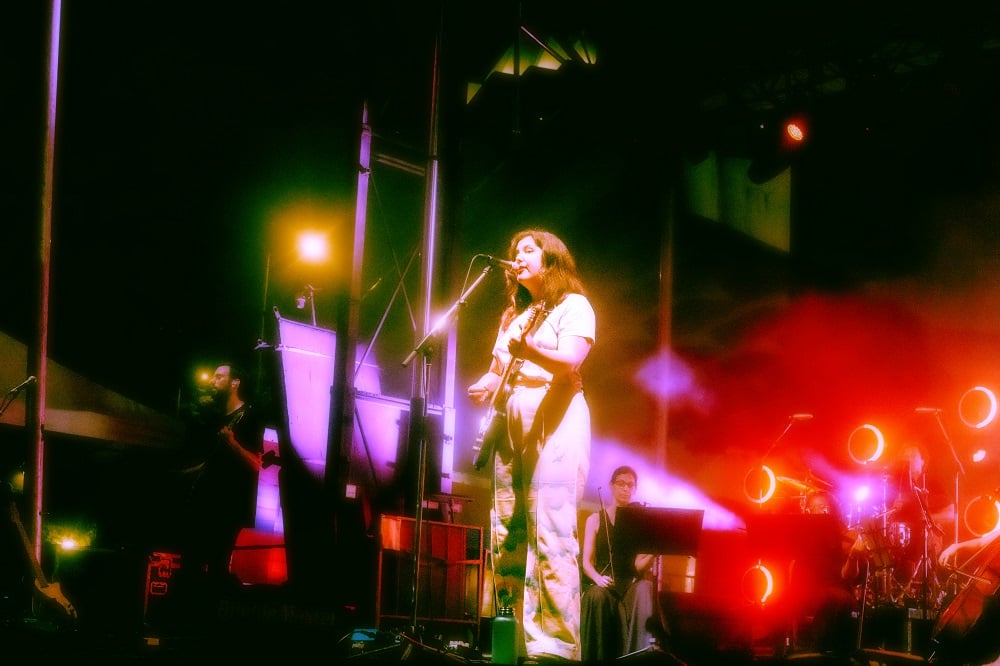
We saw it firsthand with multiple Grammy winner and homegrown talent Lucy Dacus back around 2014. She went from packing a coffee shop to The Camel, then The Broadberry and eventually selling out The National. After that, there wasn’t really another rung on Richmond’s ladder. To keep growing, she had to play bigger rooms somewhere else.
But by 2022, the ladder had started to change. Dacus came home for a show on Brown’s Island, playing to a crowd that stretched across the island.
Now there’s Brown’s Island, the Allianz Amphitheater, festivals like Iron Blossom and, if Richmond eventually gets a replacement for the Coliseum, almost the entire ladder.
“That’s what you need,” Macdonald said. And for him, the more complete that ecosystem becomes, the better it is for everyone in it. “More music, better music,” he said. “It gives bands a chance to see other music and fans to see other music.”
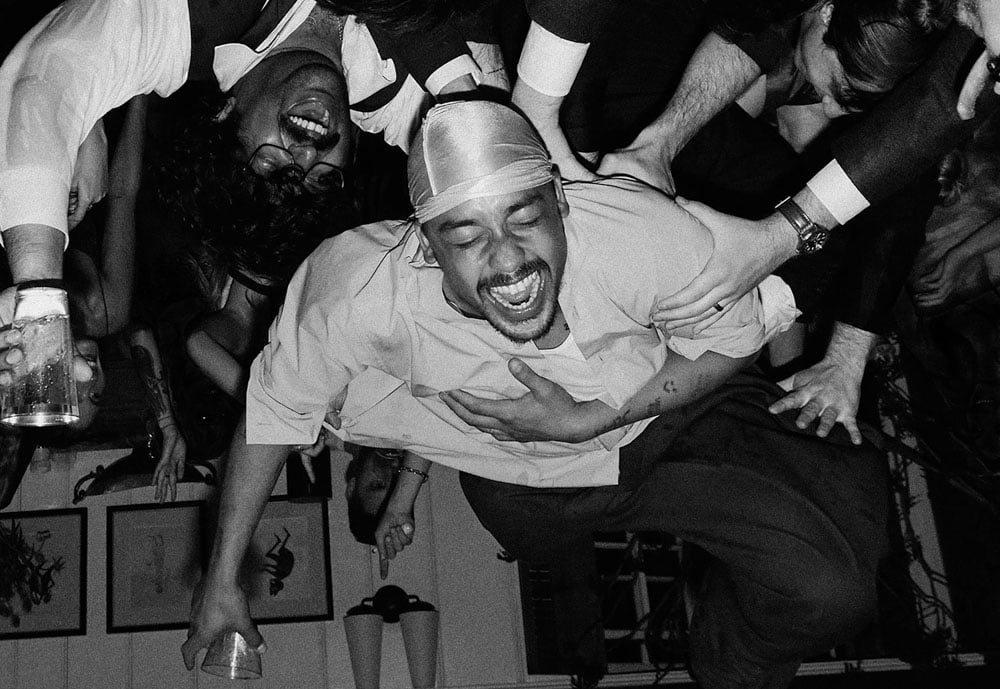
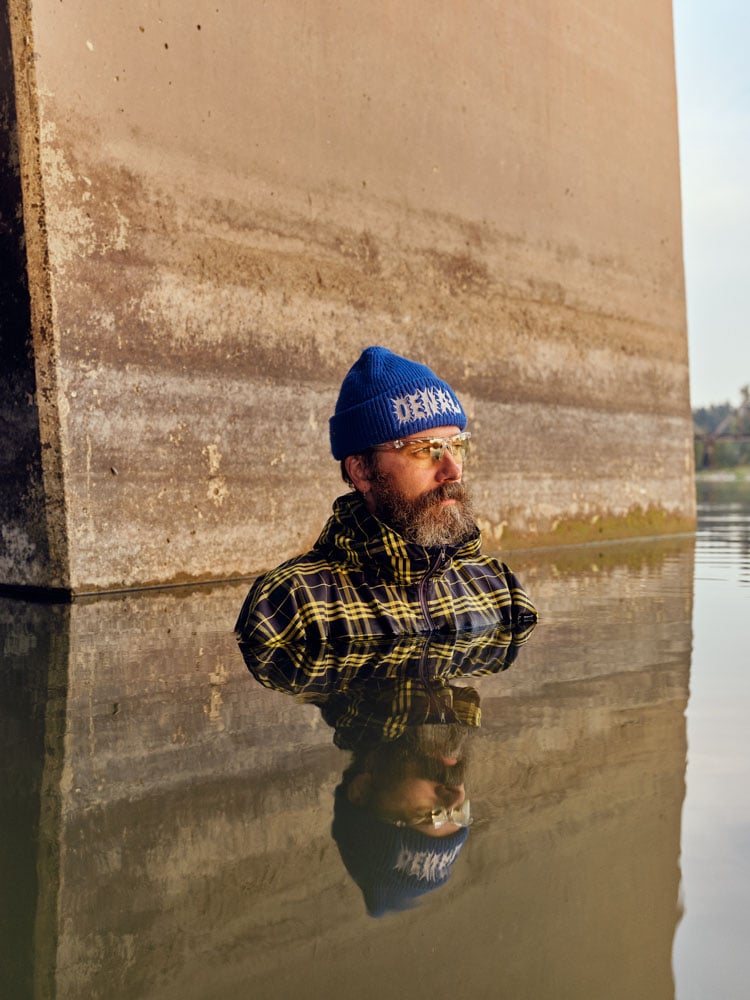
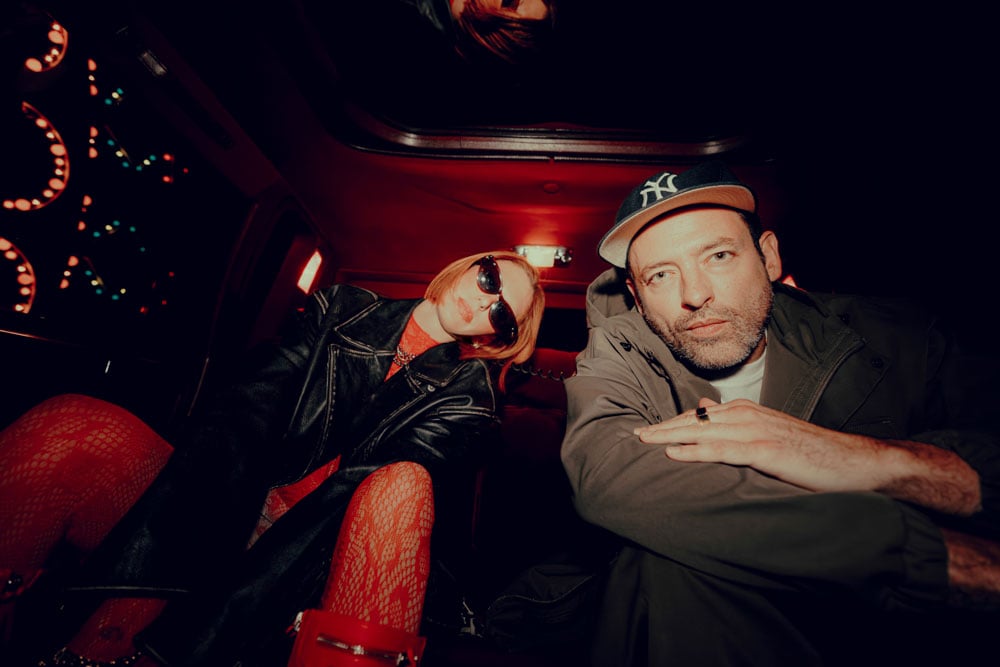
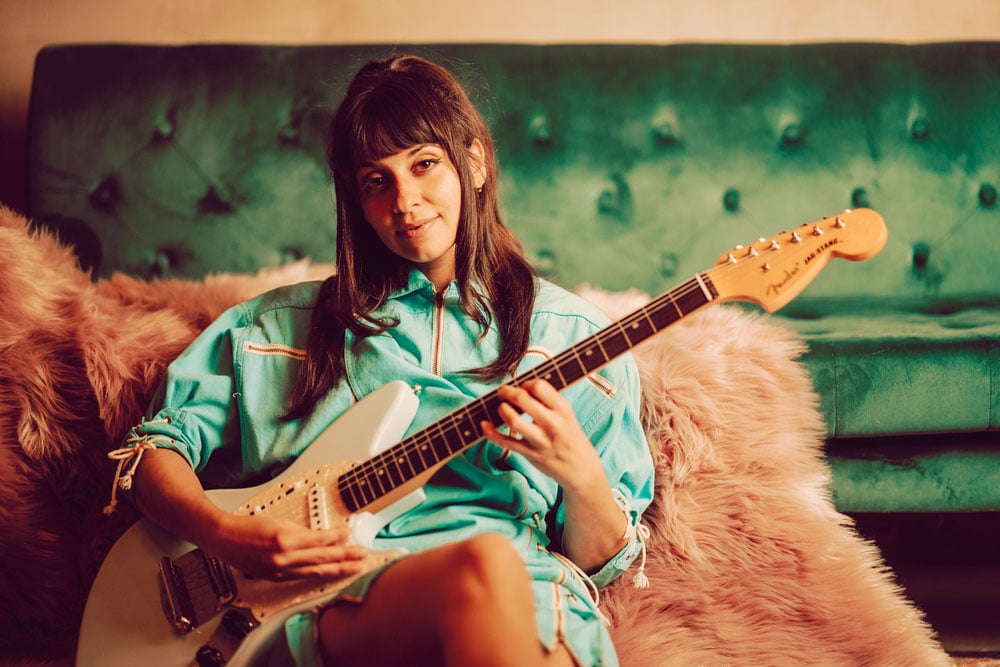
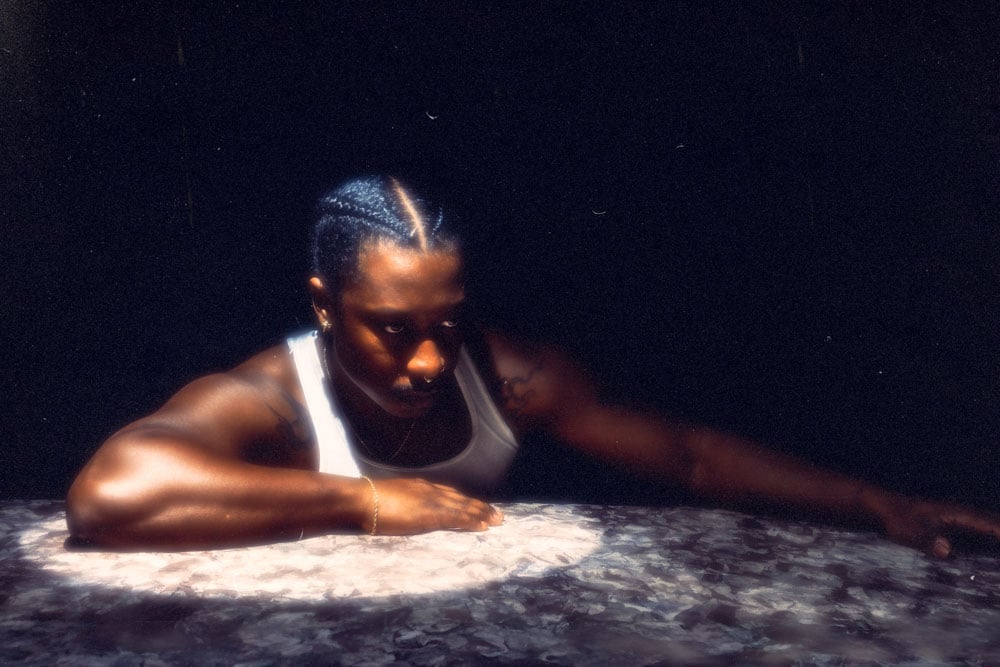
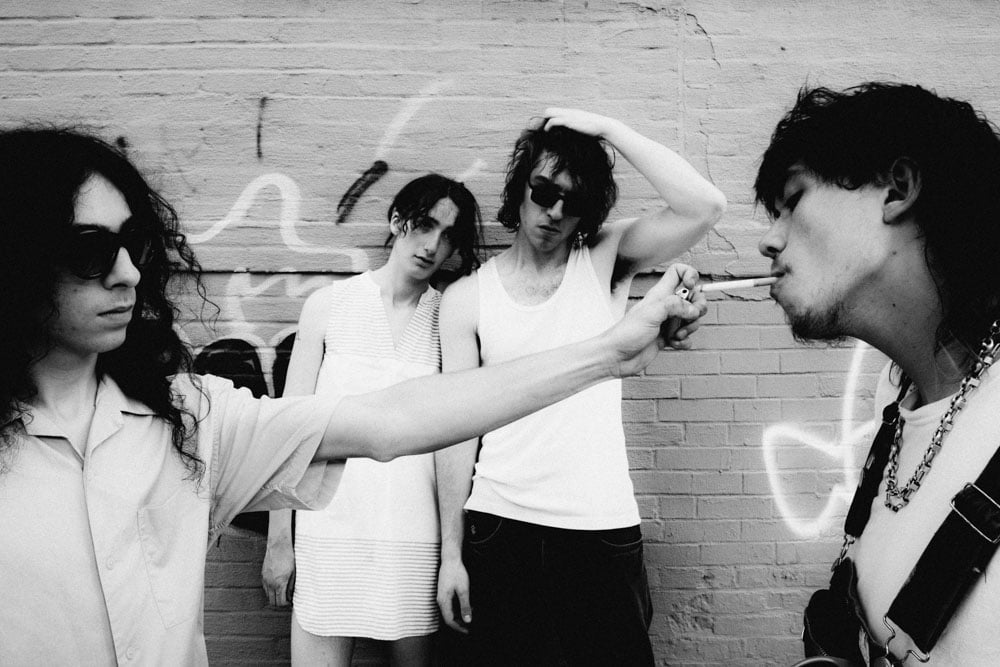
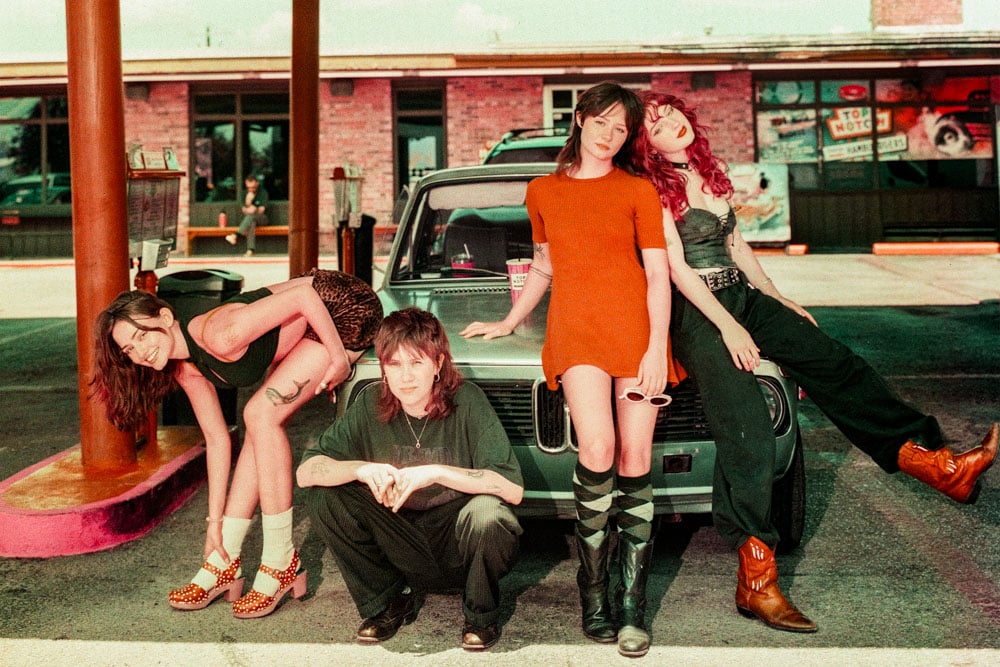
Top left to right: Dijon, Portugal. The Man, Phantogram Bottom left to right: Shera Shi, McKinley Dixon
Press photos of artists performing at Iron Blossom Music Festival this weekend.
That matters even more now, Macdonald thinks, because there isn’t one dominant lane telling everyone what they should be listening to.
“There’s such diverse tastes in music,” he said. “It’s not like we all just listen to an old rock station and they tell us, ‘These are the bands you’re supposed to be listening to.’ You can use music festivals to kind of figure out, ‘Who should I be listening to?’ because music is so all over the place now.”
After nearly 40 years promoting concerts, Macdonald still talks about live music like somebody who enjoys being around it. “You know what? I do,” he said when I asked if he was still having fun. “After all these years, I can’t imagine doing something else.”
Part of that is what happens after the lights come up and everybody goes home. Macdonald has produced enough concerts that people still approach him about shows he worked decades ago. He mentioned the Allman Brothers at the Mosque, Tim McGraw and Faith Hill at the Richmond Coliseum and the Indigo Girls at the Flood Zone.
“They remember it,” he said. “It’s an opportunity really to create a positive experience that people truly may remember forever. These shows really stick in people’s memories, and it’s cool to be part of that.”
Macdonald even has a trick he uses when he finds himself sitting at a table with people he doesn’t know. “I don’t want to talk about myself, so it’s like, ‘Hey, what was the first show you ever went to?’” he said. “And boom, you’re off to the races. These shows are just such big moments for people.”
We talked about how these shows can be a touchstone and you remember when and who you were with. I mentioned mine was Nine Inch Nails at the Richmond Coliseum.
He laughed and started digging through his own memories of Nine Inch Nails. He remembered doing them at the Boathouse, but then went further back.
“I definitely did Nine Inch Nails for the first time at the Flood Zone,” he said.
This was before “Closer,” I asked?
“Oh yeah.”
Then another memory came back. “I got mad at the singer Trent because they would use baby powder to make themselves whiter,” Macdonald said. “There’s baby powder all over the dressing room. And we had a show the next day.”
His crew had to mop the stuff up before they could do it all over again.
“I think Nine Inch Nails at the Flood Zone was, I believe, the first time I worked with them,” he said.
“These shows are just such big moments for people,” Macdonald said.

Richmond never lacked people who cared about music. What it lacked was some of the infrastructure for that music to grow. Now those pieces are finally filling in, with more places for bands to start, more places for them to grow and more places to see some of the biggest artists of this generation and generations past, all in the same city
And that’s a good thing for local music.
Iron Blossom Music Festival is this weekend. Buy your tickets HERE
Main photo by Joey Wharton
Support RVA Magazine. Support Independent Media in Richmond.
RVA Magazine has remained one of Richmond’s few independent voices. Since 2005, we have provided grassroots coverage of our artists, musicians, and communities, marginalized or otherwise, documenting the city’s culture that lies right under the surface and beyond the headlines.
But we can’t do this without you. A small amount, even as little as $2, one-time or recurring, helps us continue to produce honest, local coverage free from outside interference. Every dollar makes a difference. Your support helps keep us going and keeps the local creative spirit alive. Thank you for standing with independent media, and thank you for reading.
Show your SUPPORT HERE
Also, subscribe to the newsletter HERE
We’ve got merch HERE
Subscribe to the Substack HERE
And Reddit HERE
And YouTube HERE