
Do you remember the rollerblading guy with the American flag kit on September 12th? We will never forget the 11th for the horrors, but do you remember the 12th? The 13th? If you do, I don’t even have to say which year. If you don’t, let me tell you a little bit about your country.
I don’t know how many of you slept the night of September 11th, 2001, but we all woke up the same way. Fierce. Determined. Together.
Not since Pearl Harbor (and definitely never since) has the United States of America had such unity of purpose. The entire free world responded with sadness and emotional support for the only superpower that mattered. The idea of such a reaction from the globe is near unthinkable these days.
There is a clear delineation of this nation’s trajectory between the night we had to absorb the tragedy and the morning we woke to meet it.
Cops did their jobs. Firefighters were courageous. Medical and emergency teams were legends. Our National Guards were heroes. Republicans and Democrats, Independents and political abstainers, everyone, were on the one job of triage, to a national identity as well as in our homes and communities.
You didn’t have to live in NYC or Washington, D.C., to have been personally, irrevocably changed by the events of that day.
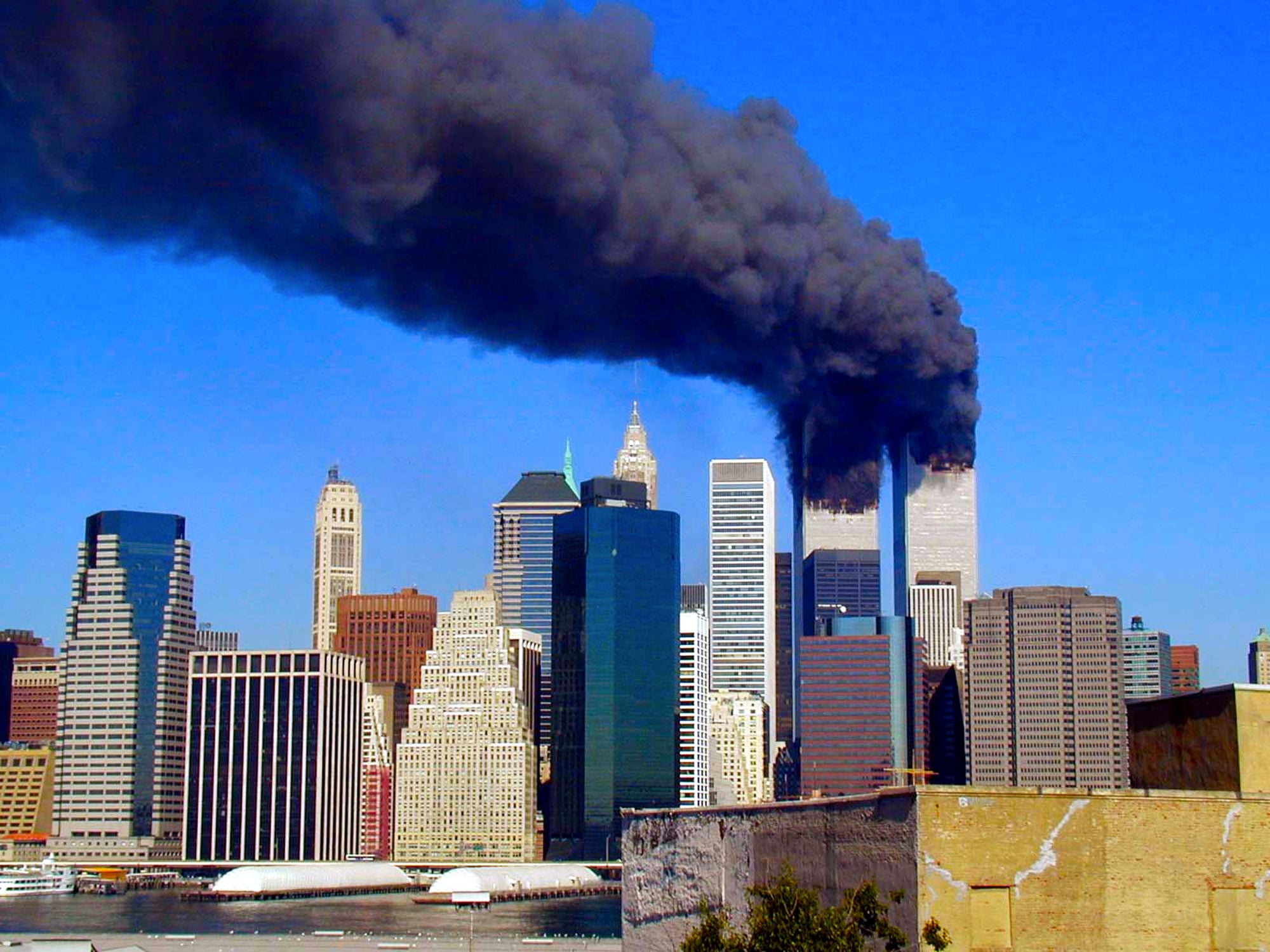

You would think that, twenty-five years after such an indelible event, our media would be replete with biopics and grand, sweeping stories of heroism. Beyond a grip of documentaries that fill the available streaming space each year, not to mention the plethora of conspiracy theory screeds, we have shown little creative will to revisit those days. And yet, these were among the most inspirational moments of the last half-century, speaking to the collective goodwill of the wounded.
If you lived in a major urban area, especially on the East Coast, you would have shivered at the eerie silence of the skies. Like the hum of a subtle HVAC system suddenly disengaging, there was an uncomfortable void of activity. Maybe our COVID years compare, but if you were around for this, at least you had some context and preparation for that.
If 9/11 happened in 2026, how would we fare? If 9/11 hadn’t happened in 2001, who would we be? No one who lived through the events of that day has gone without asking themselves these questions.
We mourn for the nation we were slowly becoming: kinder, more inclusive, cognizant of our sins, and on a steady path to cultural redemption. Instead, here we all are, aghast at how it all went wrong.
The Canadian Music Project’s 2013 musical, Come From Away, brings us back to the aftermath of 9/11 to remind us that we took care of each other when the chips were absolutely down. It gives us a reason to believe in our humanity. Come From Away is a tragic musical comedy draped in the kindness of strangers and the perplexity of receiving it.
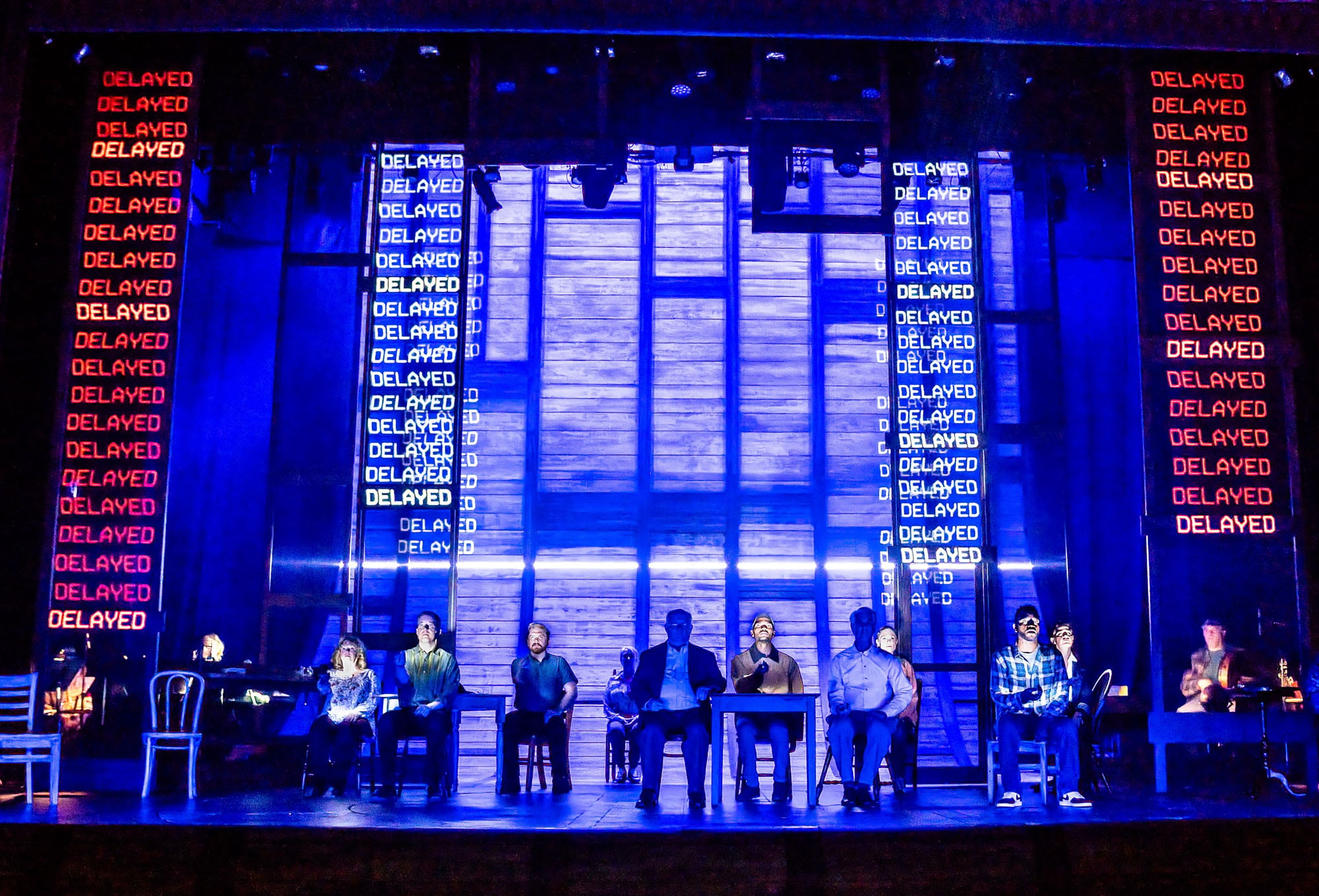
In the immediate aftermath of the attacks on the towers and the Pentagon, all flights in the air had to be diverted from major airports, as every single plane was now considered a potential weapon. Luckily for the authorities tasked with administering such a response, there was an enormous former refueling station and airport in the sleepy town of Gander, on the easternmost tip of North America in Newfoundland.
This true story, cobbled together from the anecdotal experiences of locals and their unintended visitors, details the chaos and casual generosity of people working together simply to keep it together.
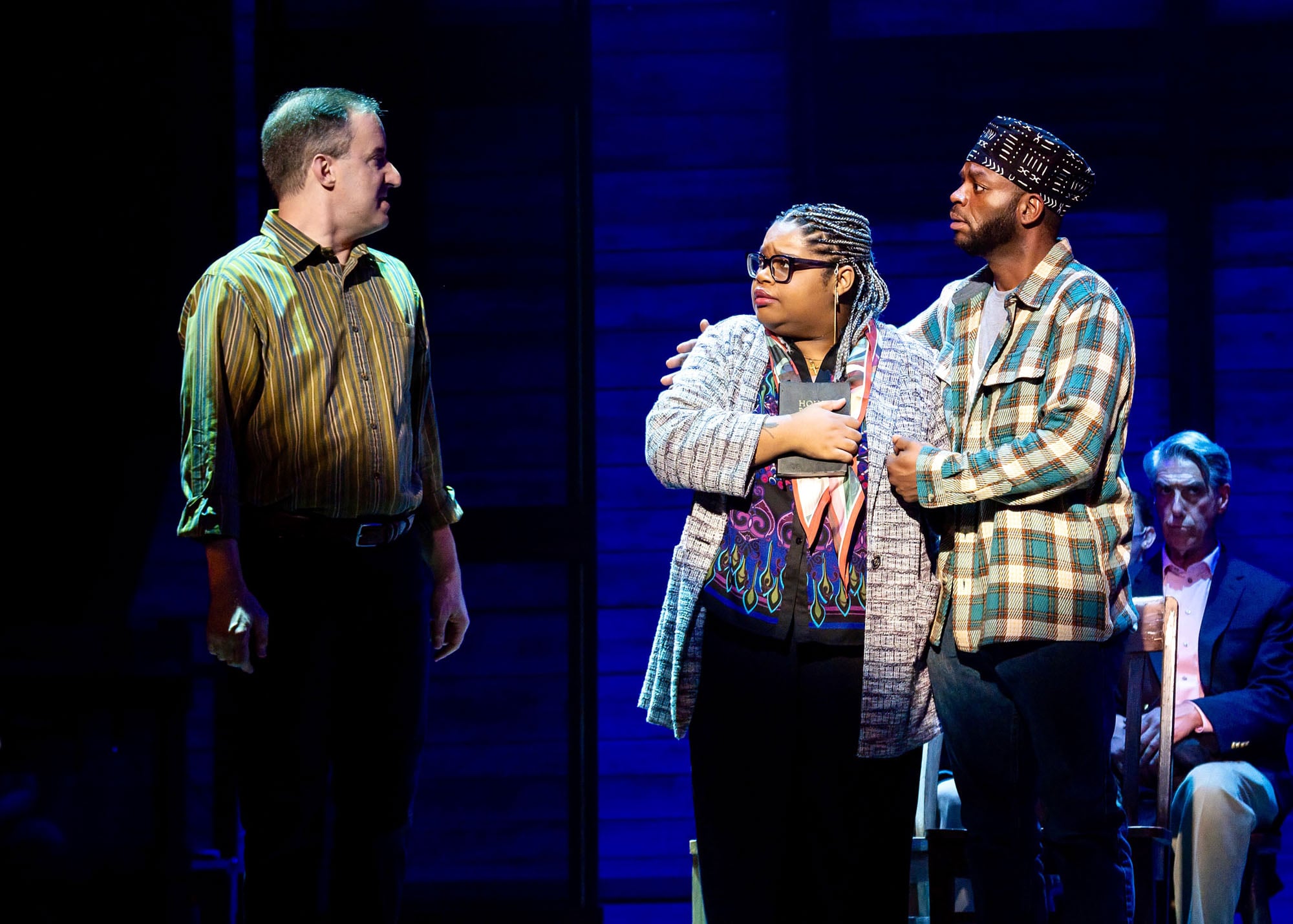
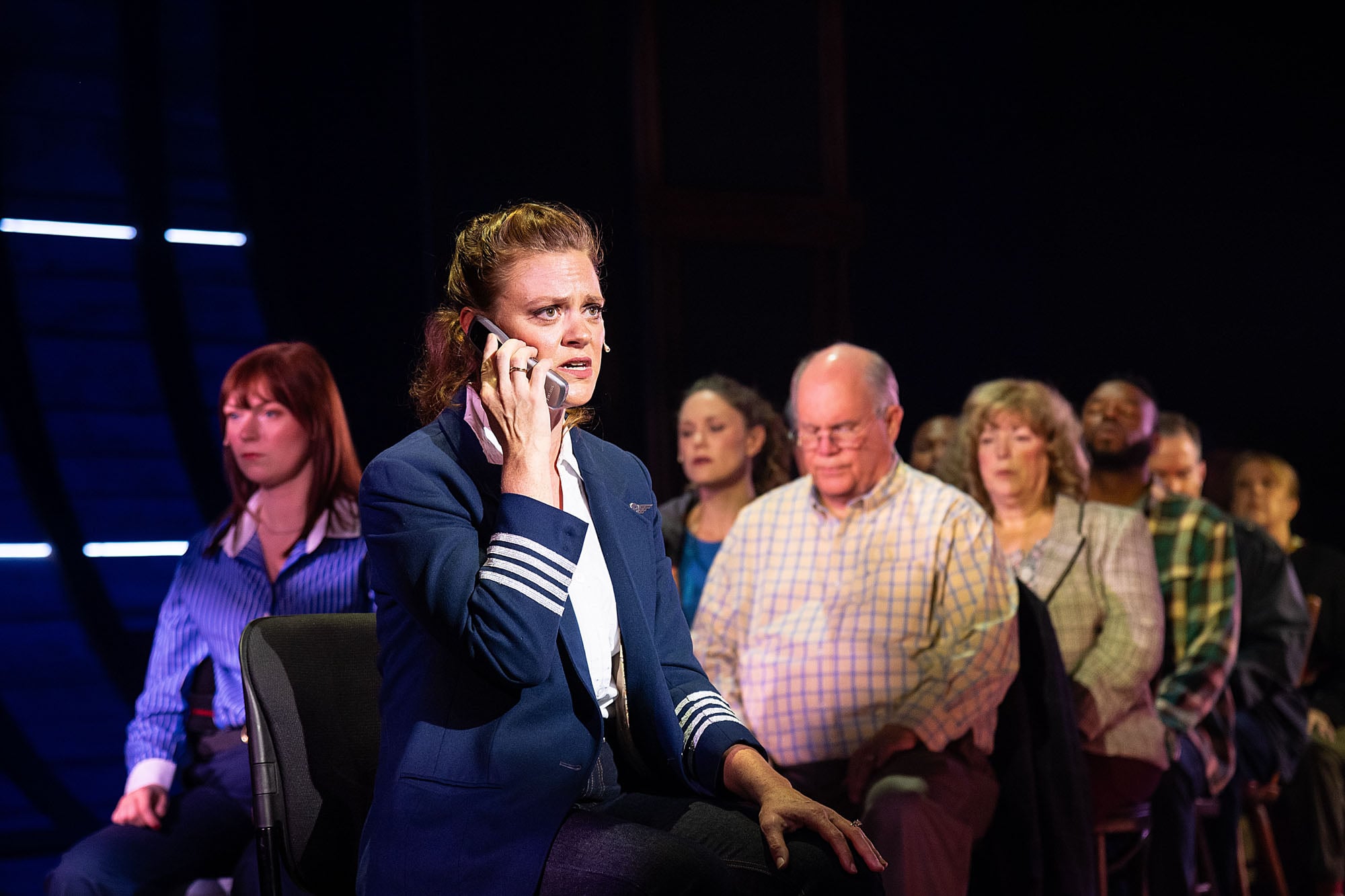
I haven’t seen a play like this, ever. There is no clear lead. There is no “A” plot. It’s pure ensemble and told with the pacing of a series of bittersweet hugs from a room of long-lost friends.
The backdrop of 9/11 is obviously present, but this show is about the details of the moment in Gander. The citizens of Gander were tasked with housing the equivalent of the entire town’s population on a moment’s notice. The play swiftly shrugs with the “of course we’re here to help” of it all.
It elevates a simple rising to the occasion, when strangers in your reach are displaced, scared, and out of options, to a folksy opera of hope and humanity.
There’s a bit of therapy about the experience. I kept thinking of Matt Damon’s outburst of tears at Robin Williams’ “it’s not your fault” mantra in Good Will Hunting as I watched the performance. I think a lot of us still have a fist clenched in our memories of that time that Come From Away reminds us of.
As I mentioned before, I think there’s a reason we don’t see a lot of movies about the event. It’s just too damn hard to find an angle from which it’s not triggering.
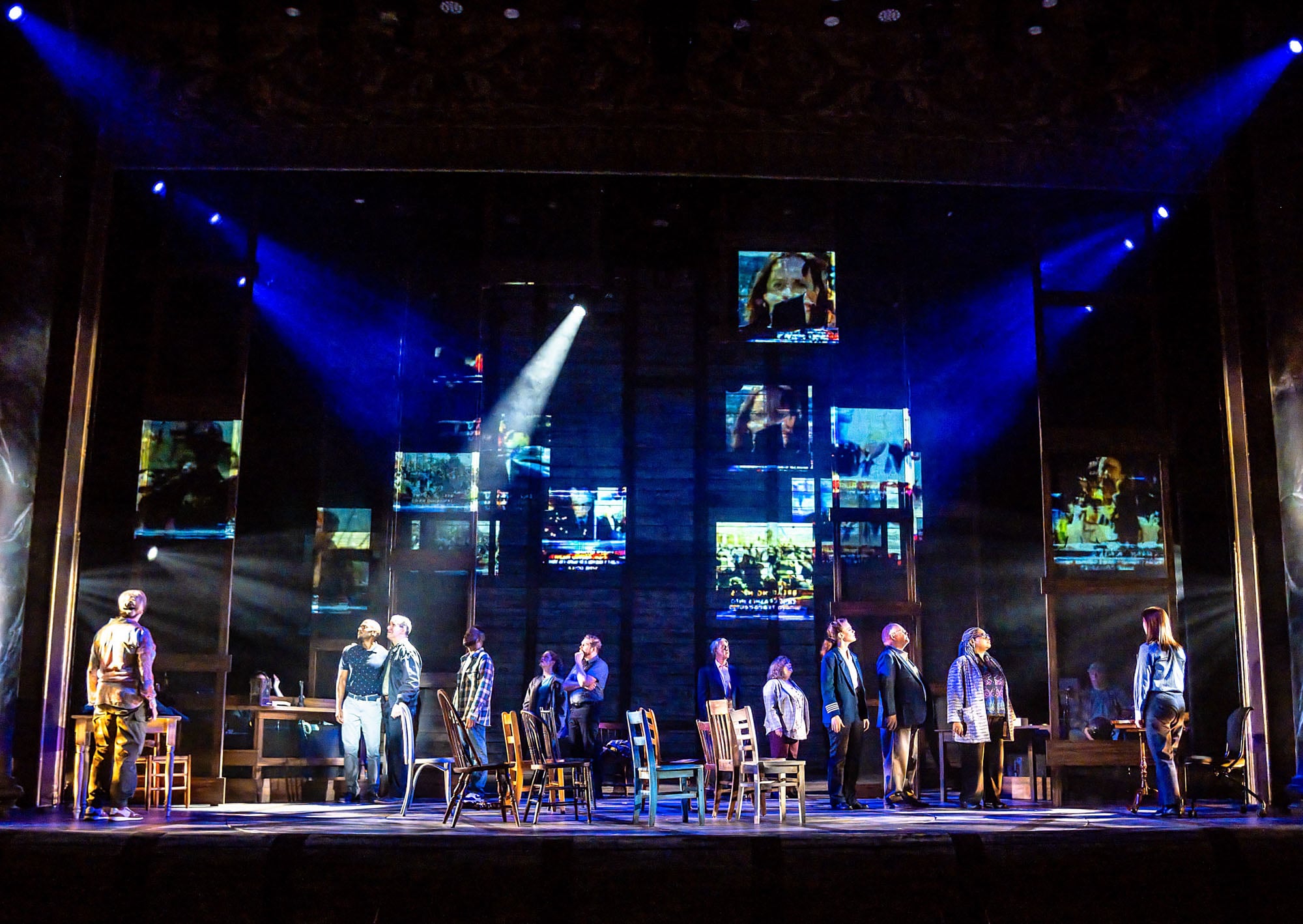
Virginia Rep bravely takes this on at full bore. Each of the actors plays several roles, as townspeople and displaced passengers, differentiated by local/other accents and subtle costuming changes.
There are sight gags, puns, double entendres, and straight-up comedy that share the moment with loss, loneliness, uncertainty, and terror. It is achieved without calling attention to the dichotomy, simply showcasing the resilience of the human spirit as it exists, often in contradiction to itself and its environment.
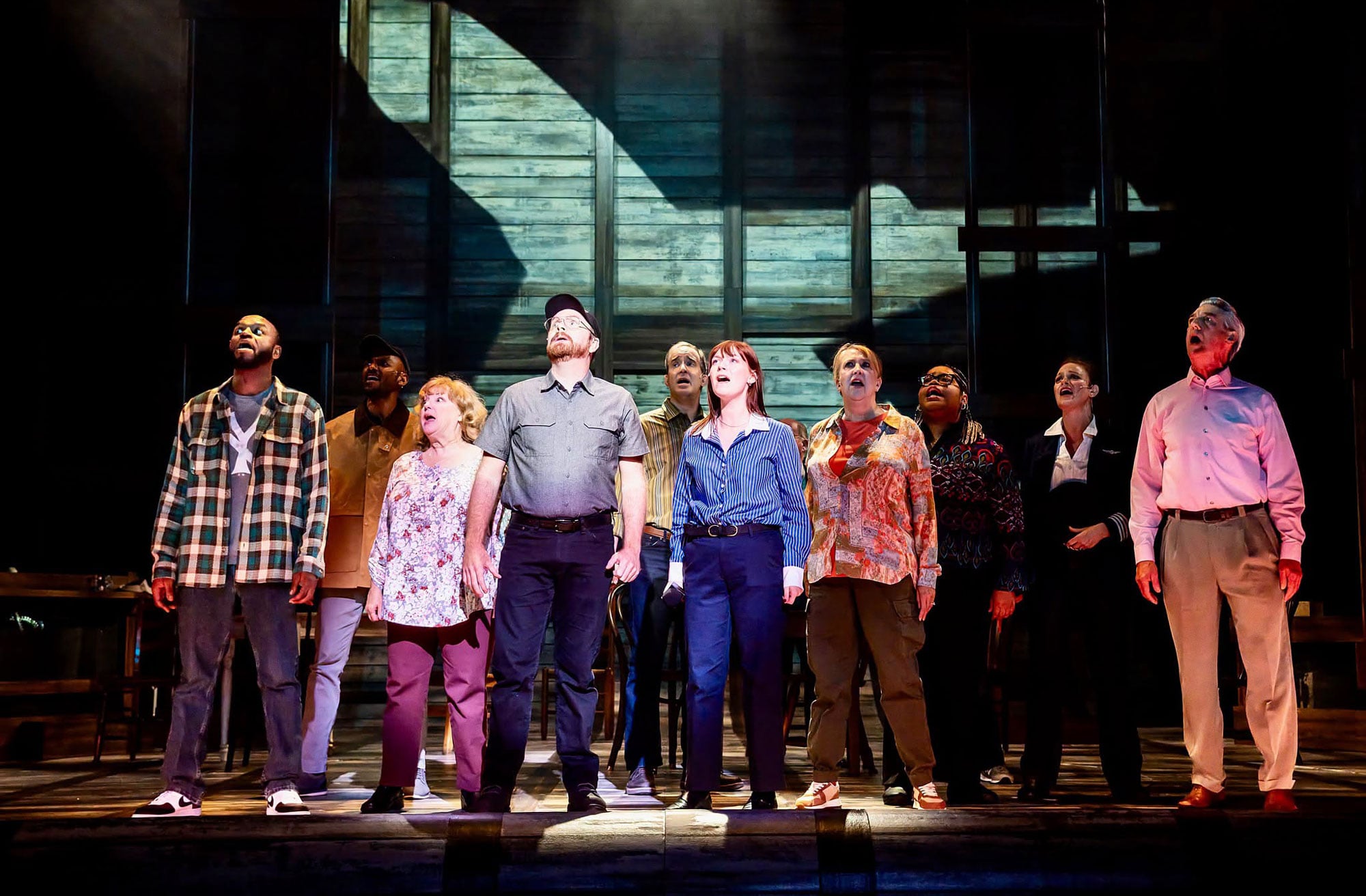
The ensemble shares the stage very well. It’s hard to pick out a singular performance amongst the cast, as they all play to the group dynamic. Sure, they all have their moments in the spotlight, but those yield, selflessly, to the next full-cast song or special moment of discovery by another actor. James Scales’ Mayor(s) possibly contain the pivot on which the action follows, but Susan Sanford’s local maven, Beulah, and Alia Bisharat Glidden’s pilot have equally powerful moments, lighthearted and dour ones. The pipes on Alia, though. Sheesh, that woman can sing.
Emilie Faith Thompson is always phenomenal, and the dynamics of Eddie Webster and David Lyve Watkins’ Los Angeles-displaced couple are hilarious. Ti Reneé Ames’ Hannah will give you the most confusing range of happy/sad tears you will experience in a theatre this year.
Rick Hammerly’s production of Come From Away is as unflappable as the Canadians who showed unconditional love to their fellow man that horrifying week in 2001. Especially as we experience a new national disgrace every day in 2026, it would do you good to remind yourselves of when we were the best we’ve ever been.
Go see this play. You will see nothing like it for a long time.
Main photo by Aaron Sutten
Support RVA Magazine. Support Independent Media in Richmond.
At a time when media ownership is increasingly concentrated among corporations and the wealthy, RVA Magazine has remained one of Richmond’s few independent voices. Since 2005, the magazine has provided grassroots coverage of the city’s artists, musicians, and communities, documenting the culture that defines Richmond beyond the headlines.
But we can’t do this without you. A small contribution, even as little as $2, one-time or recurring, helps us continue to produce honest, local coverage free from outside interference. Every dollar makes a difference. Your support keeps us going and keeps RVA’s creative spirit alive. Thank you for standing with independent media. SUPPORT HERE.
We’ve got merch HERE
Subscribe to the Substack HERE
And Reddit HERE
And YouTube HERE