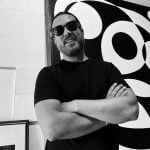
I went to Virginia MOCA expecting to hear Andy Howell talk about skateboarding.
Instead, I left thinking about community and how people find each other.
Howell’s installation opens Seamless, the museum’s new exhibition exploring the overlap between art and design. At first glance, it feels almost chaotic. A skateboard hangs in front of a wall layered with graffiti, hand lettering, sketches, and fragments that somehow resolve into a single visual language. It feels less like an exhibition piece than an invitation inside Howell’s sketchbook.
Before social media, before brands were scouting Instagram, before every trend was instantly copied, community was geographic. It was whoever showed up.
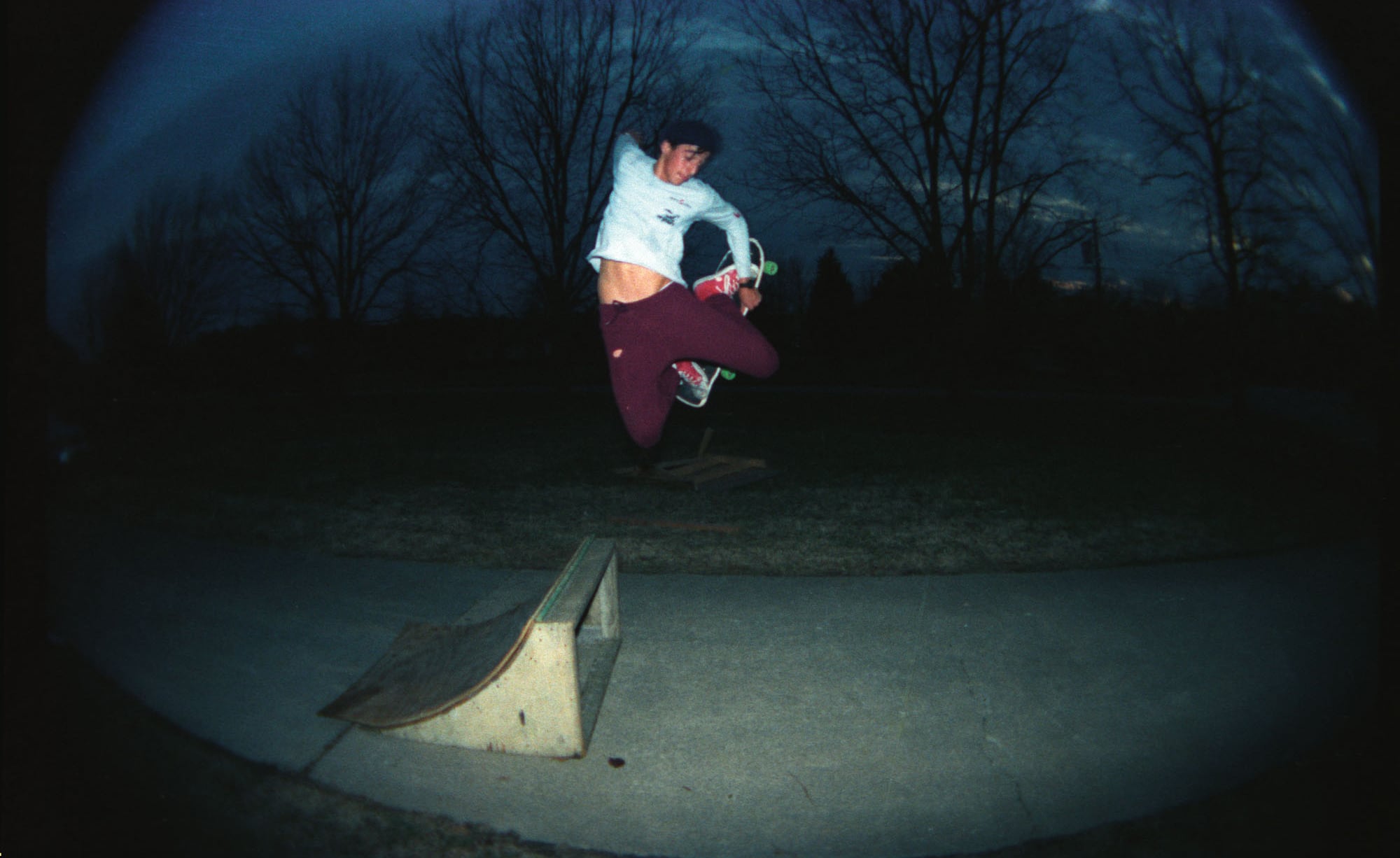
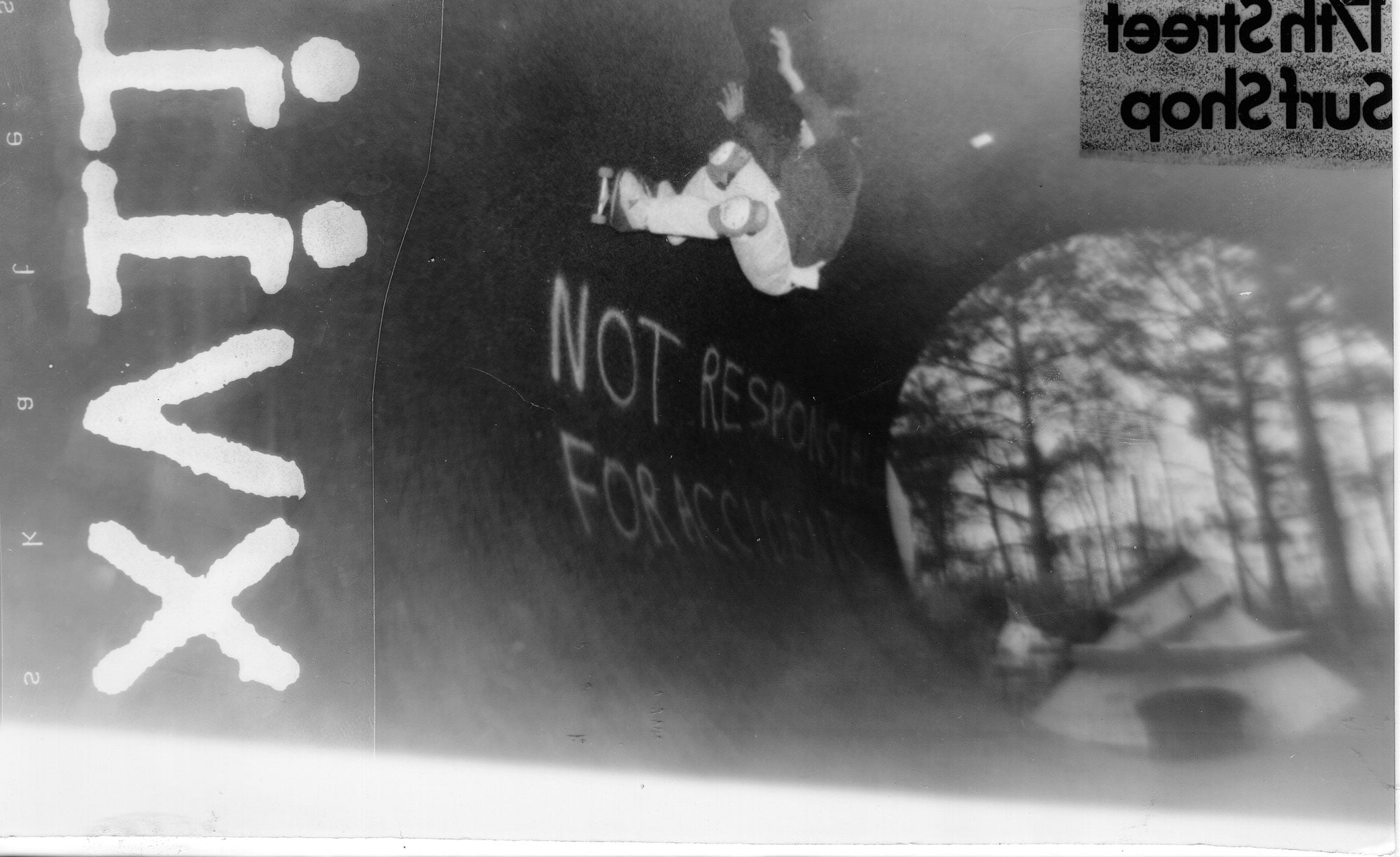
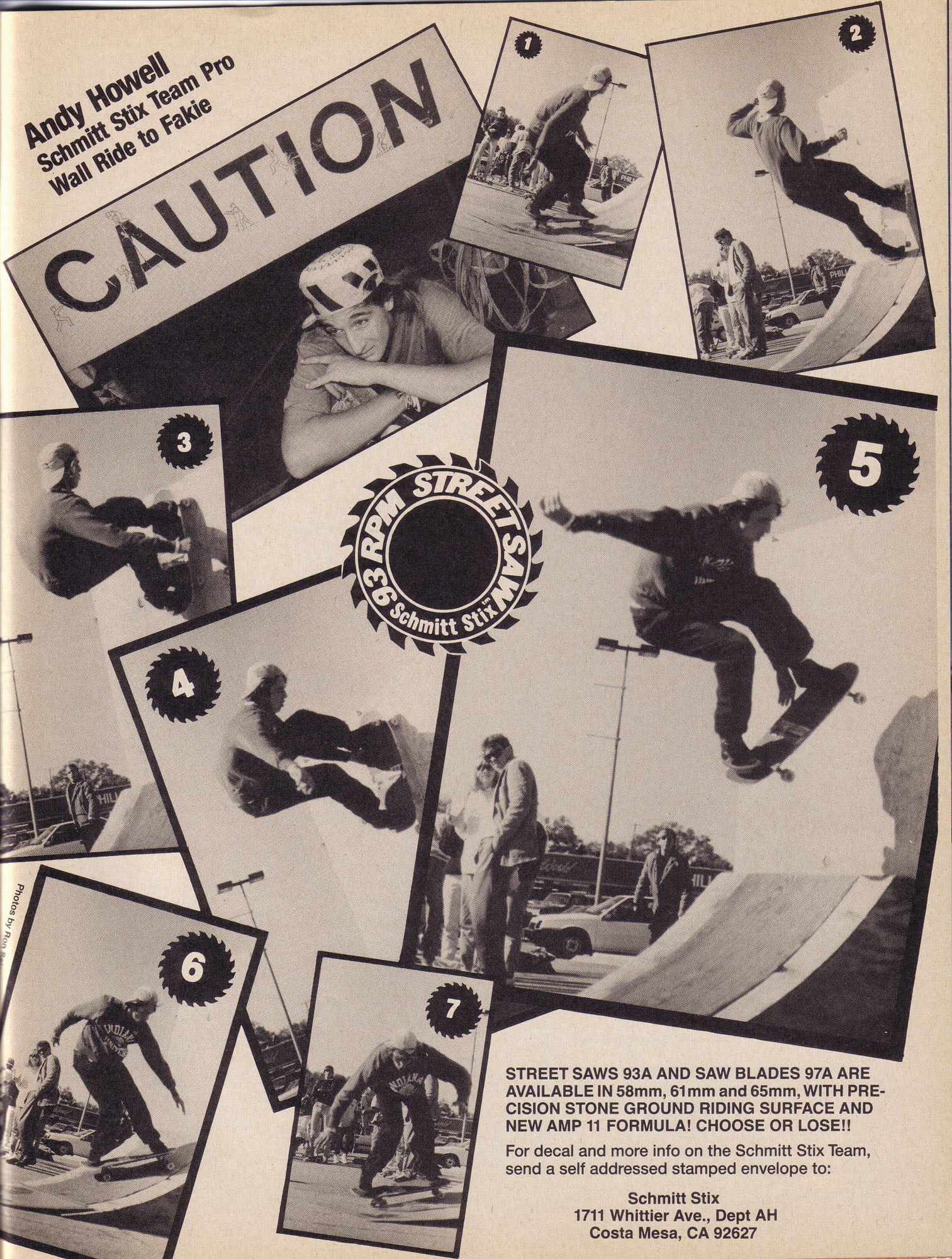
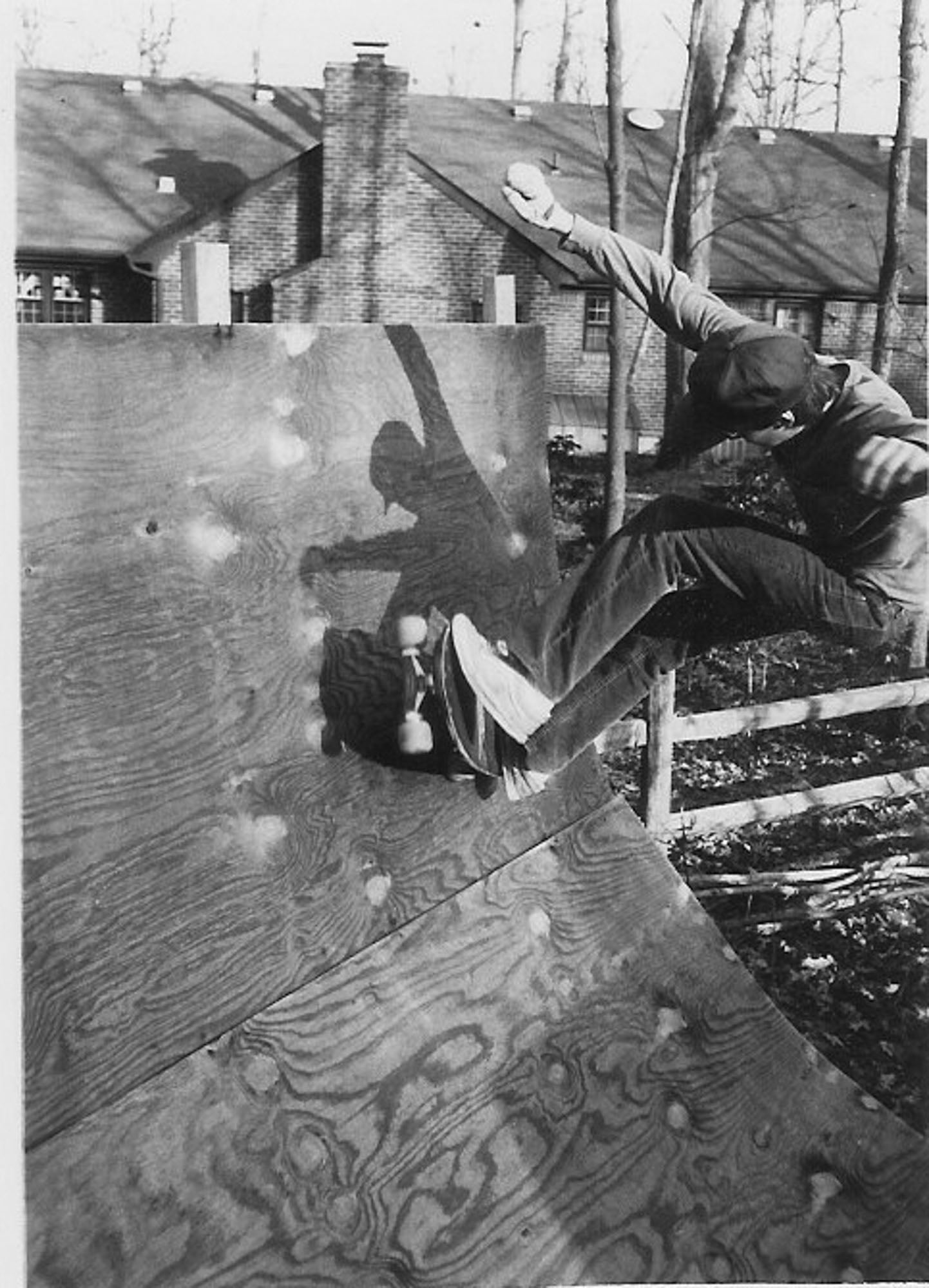
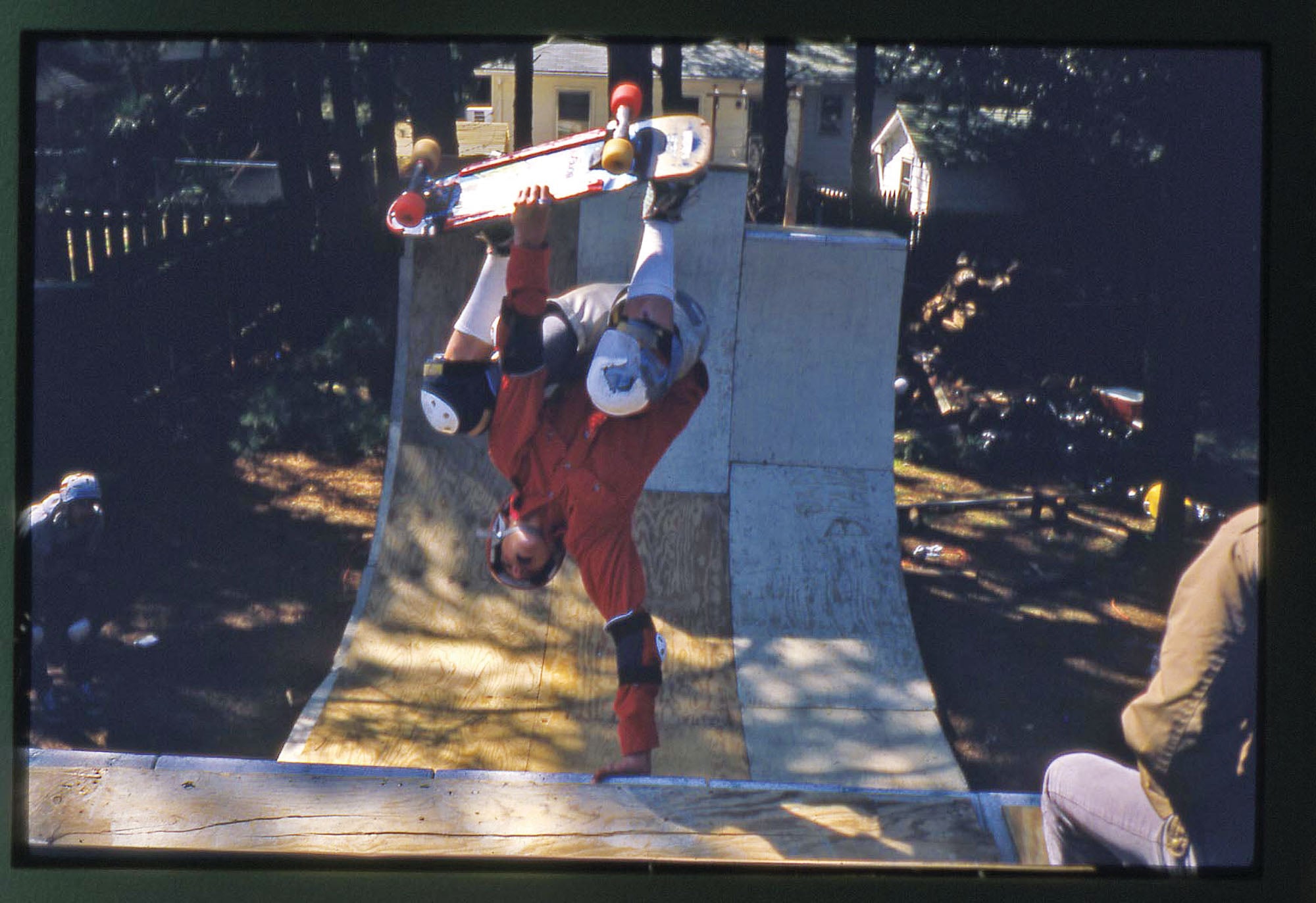
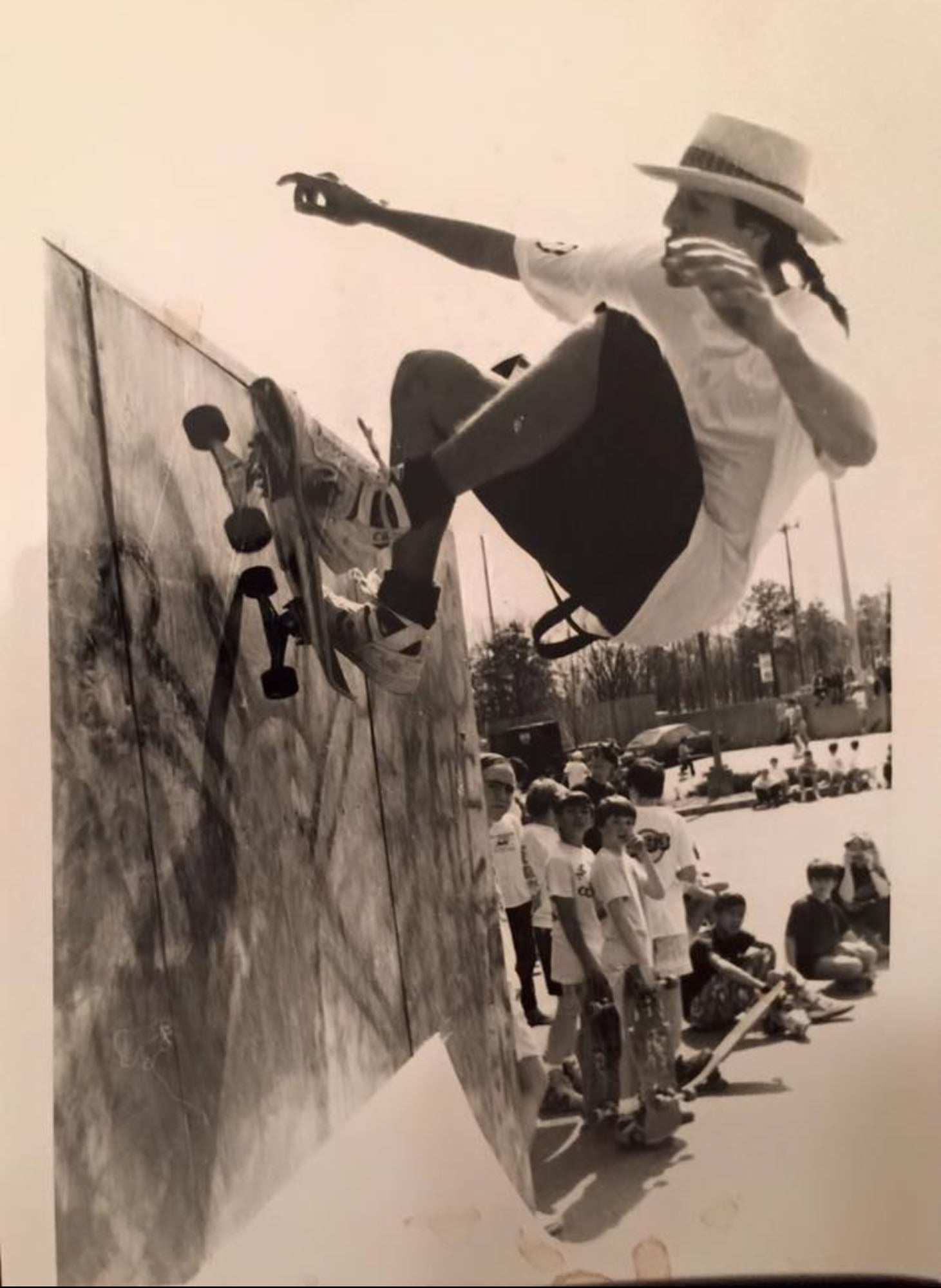
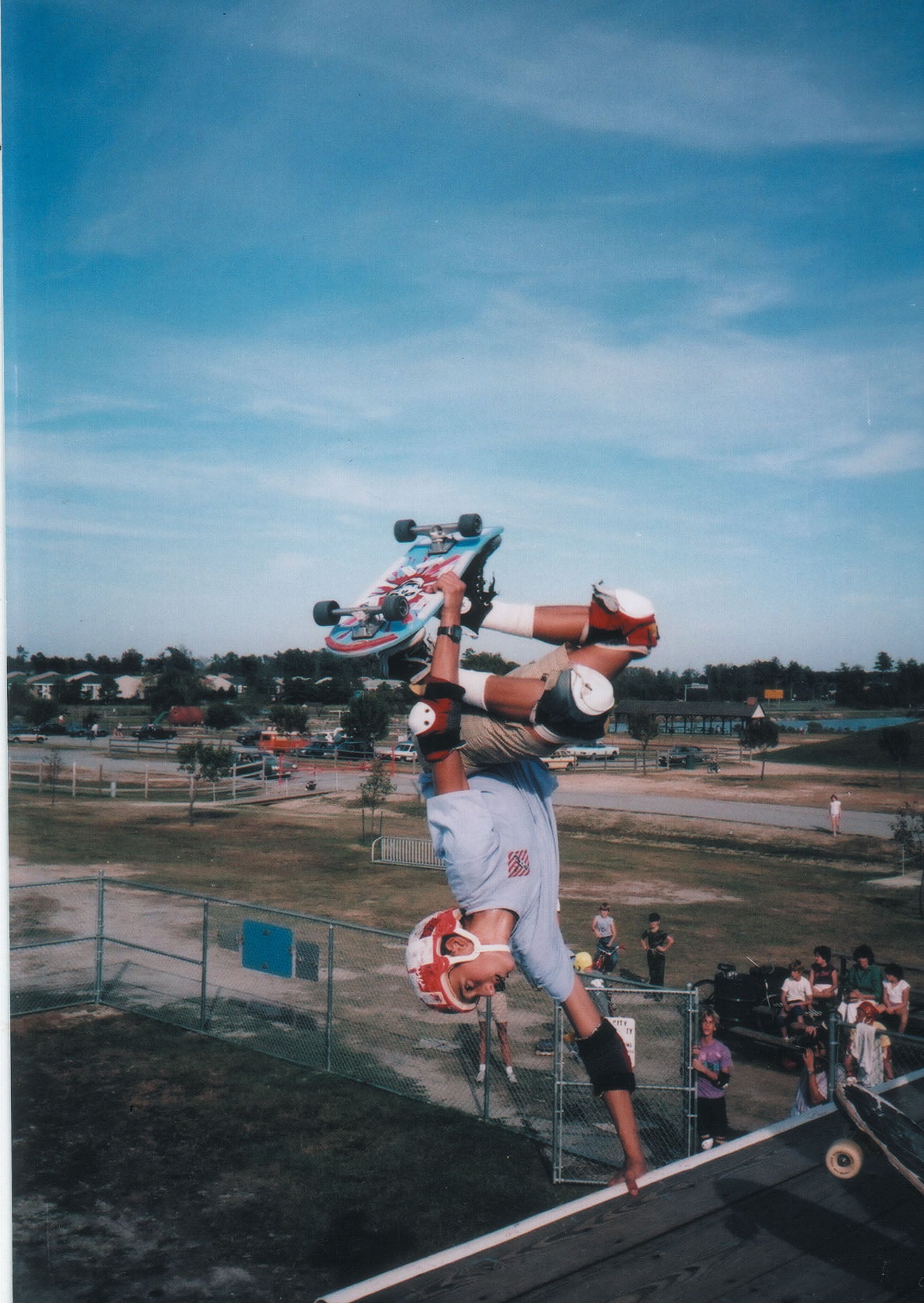
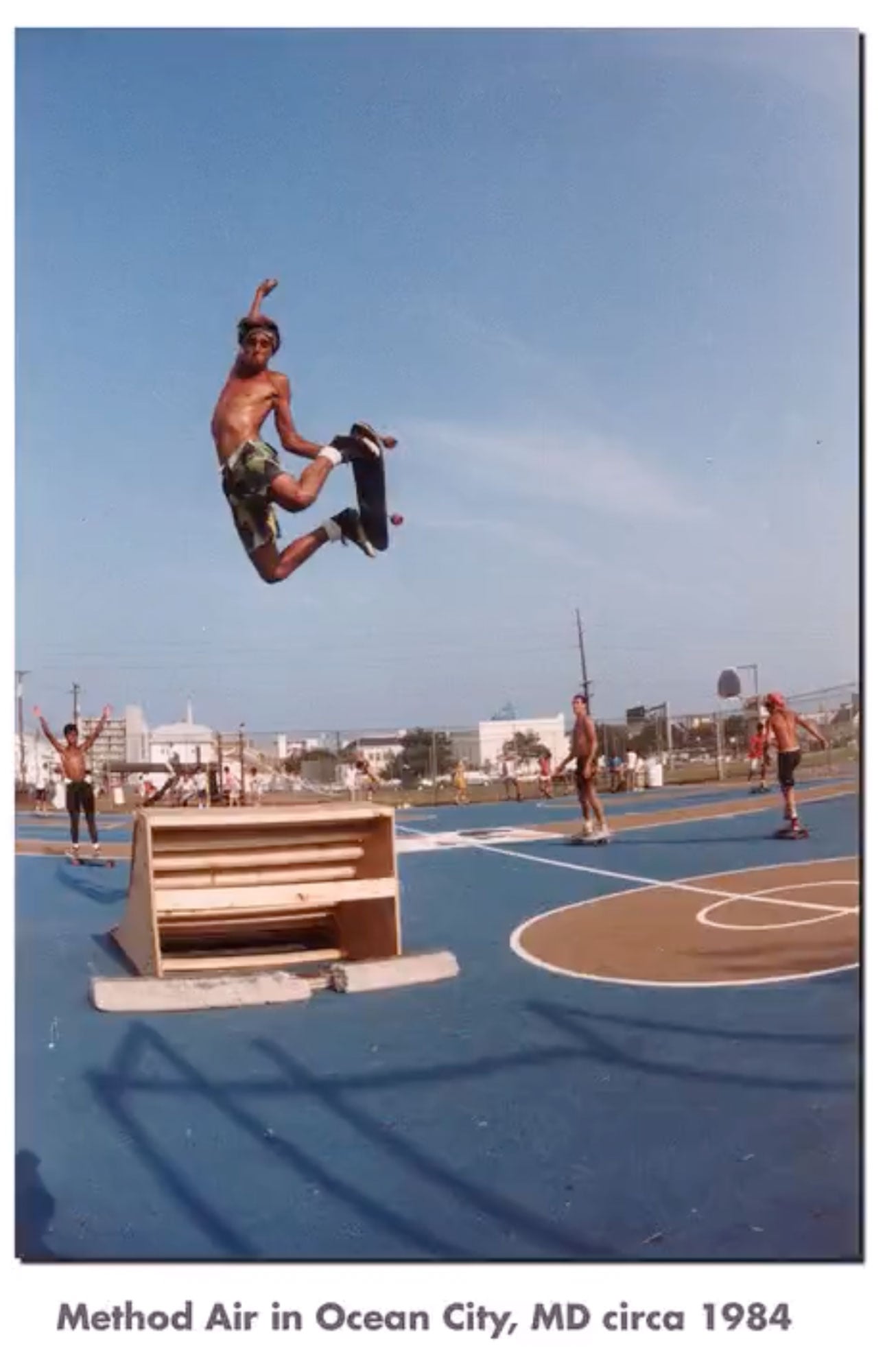
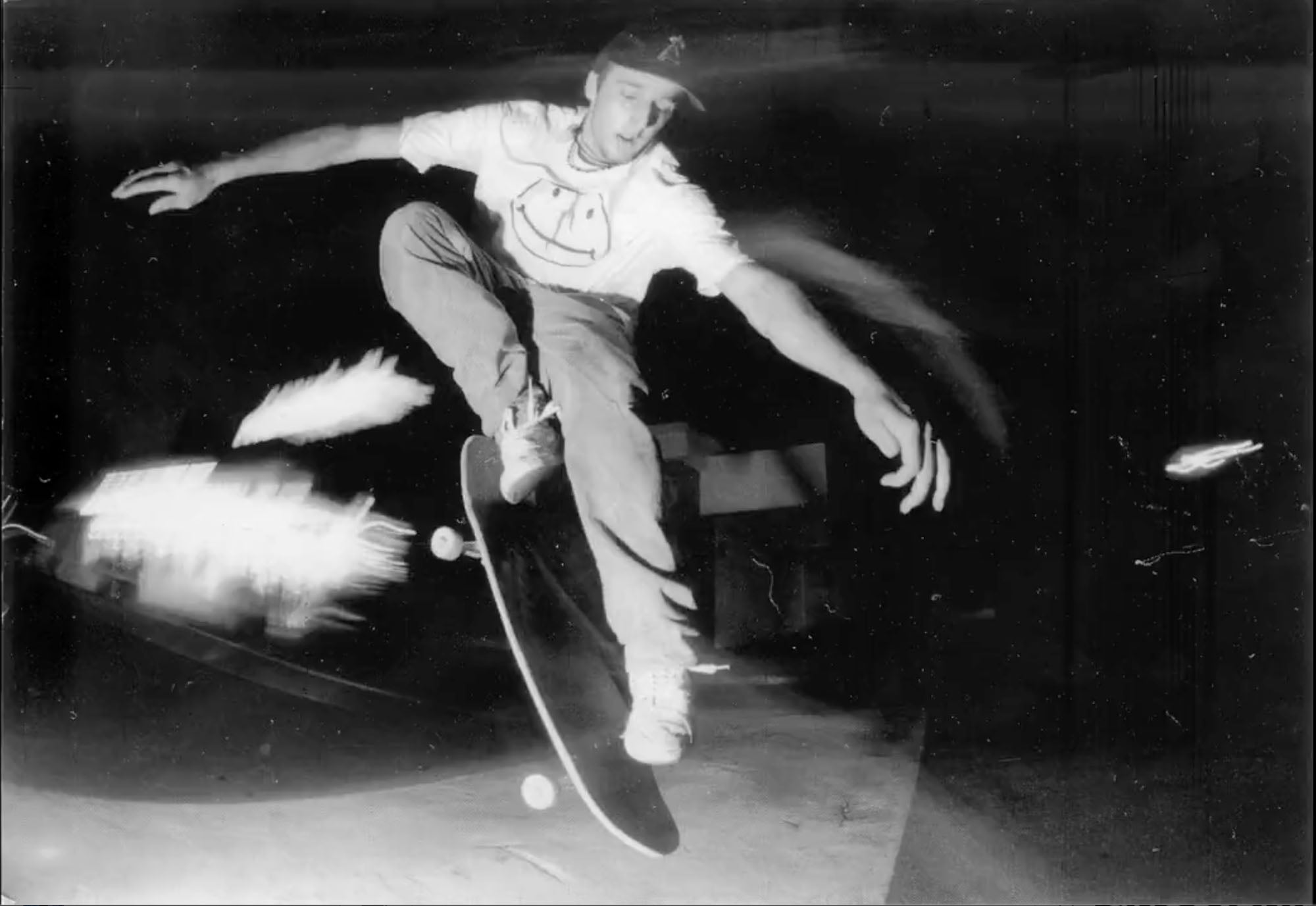
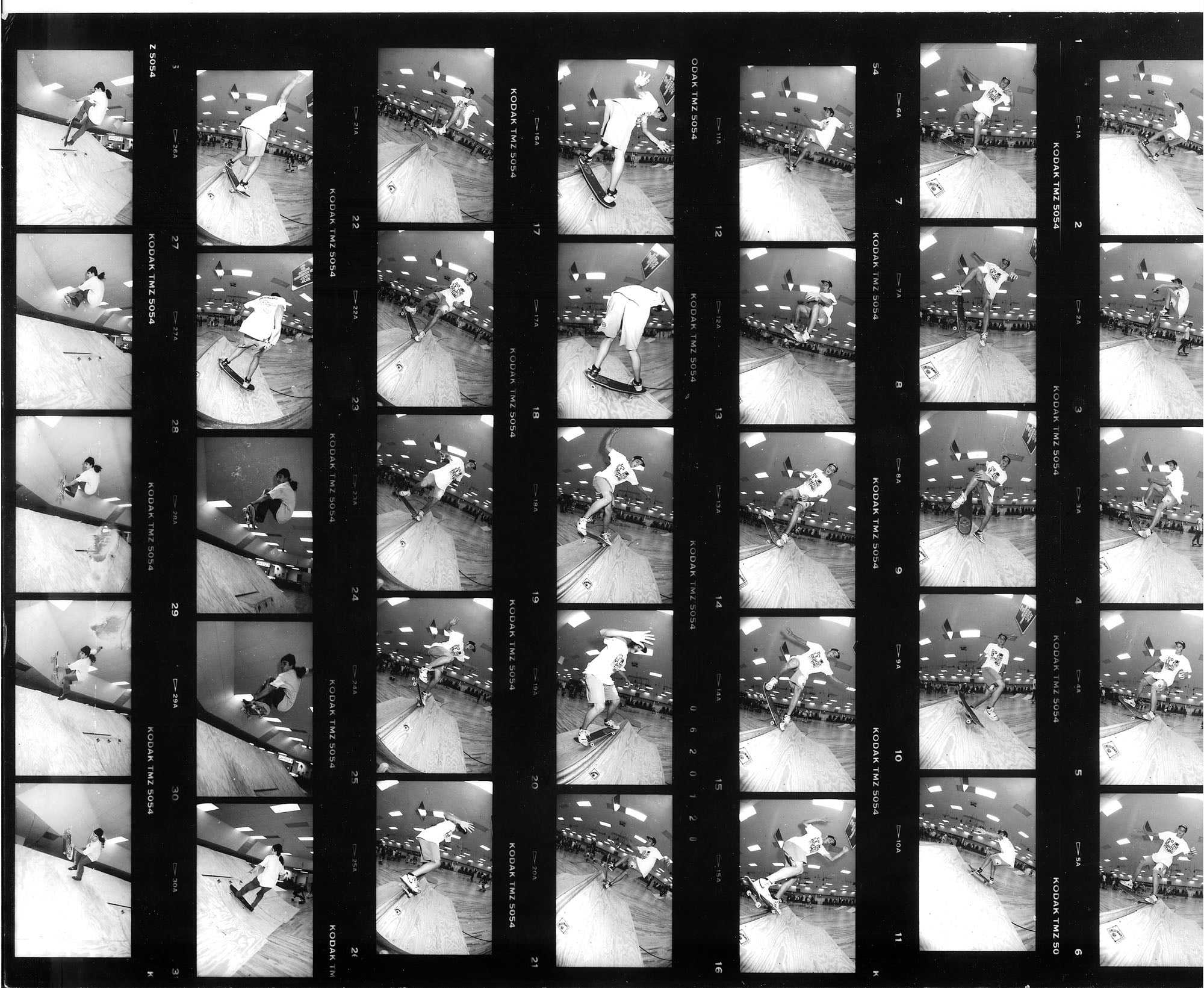
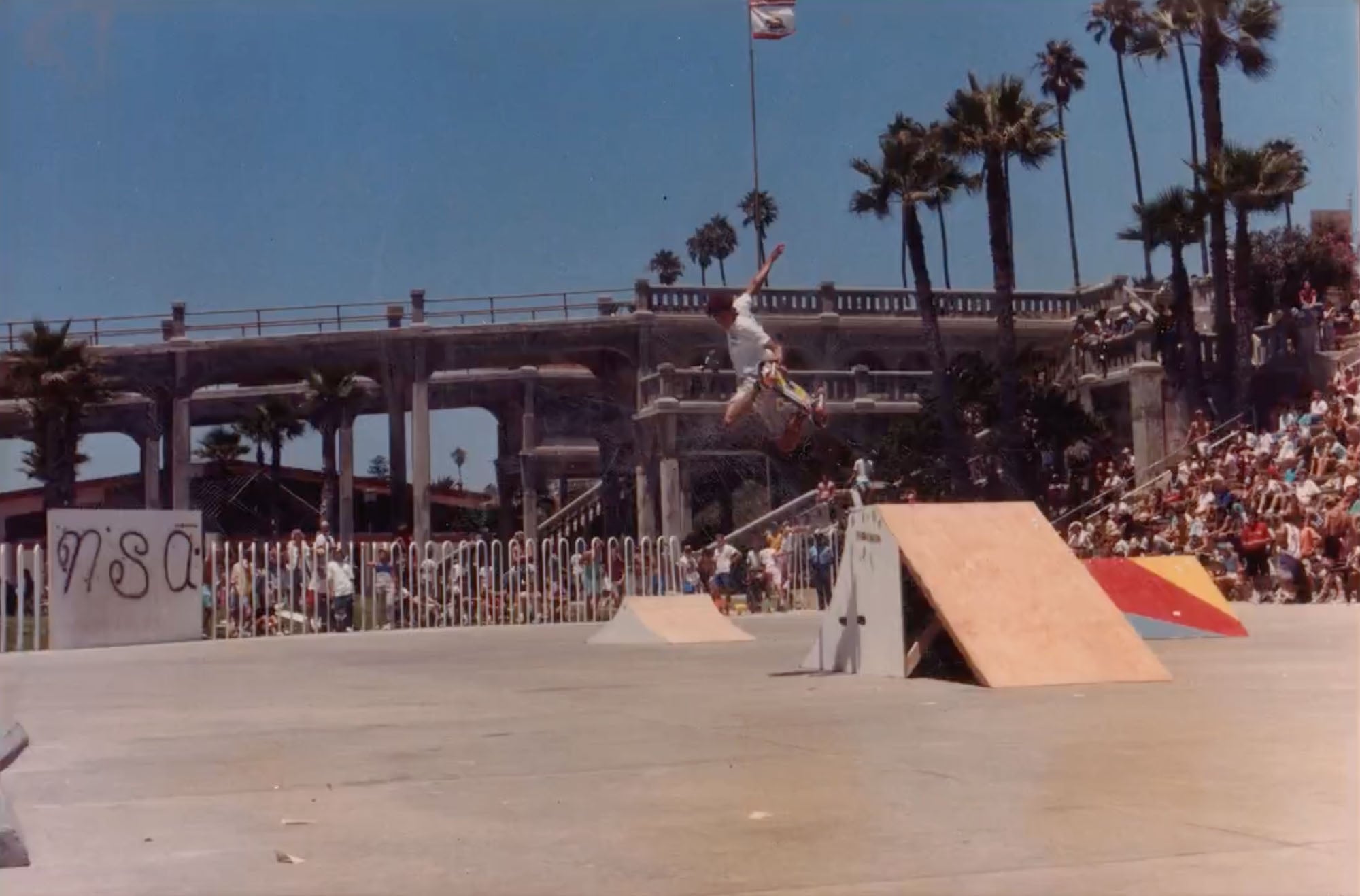
Long before the city built the famous vert ramp at Mount Trashmore in the mid-1980s, skateboarding was, as Howell put it, “basically illegal.” With few places to ride, kids built ramps out of “borrowed” wood in backyards and vacant lots and, in the process, built a community. They hung out at all-ages punk shows at Connection Hall, made photocopied zines to document the scene, and waited each month for Thrasher or the newly launched Transworld Skateboarding to arrive in the mail.
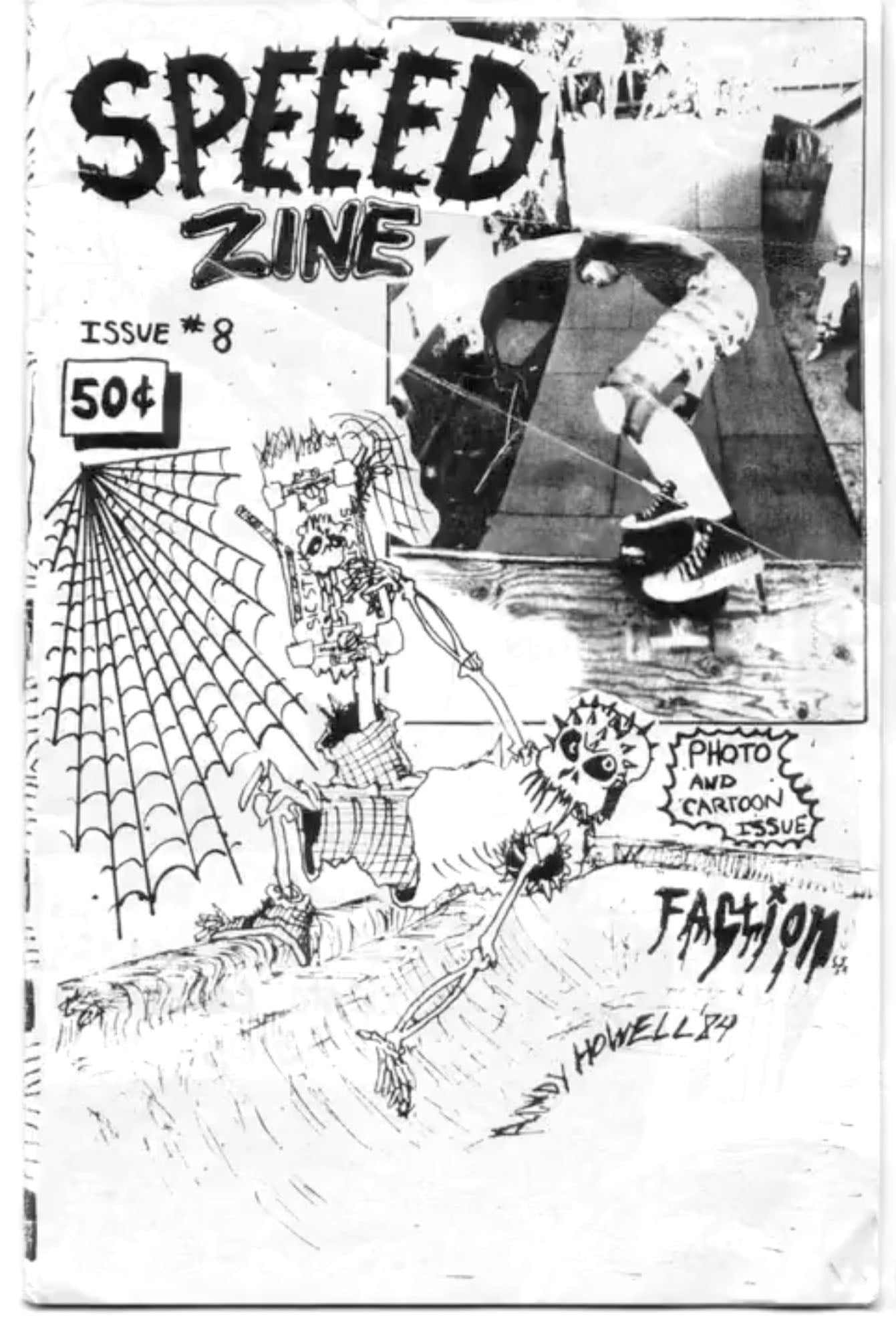
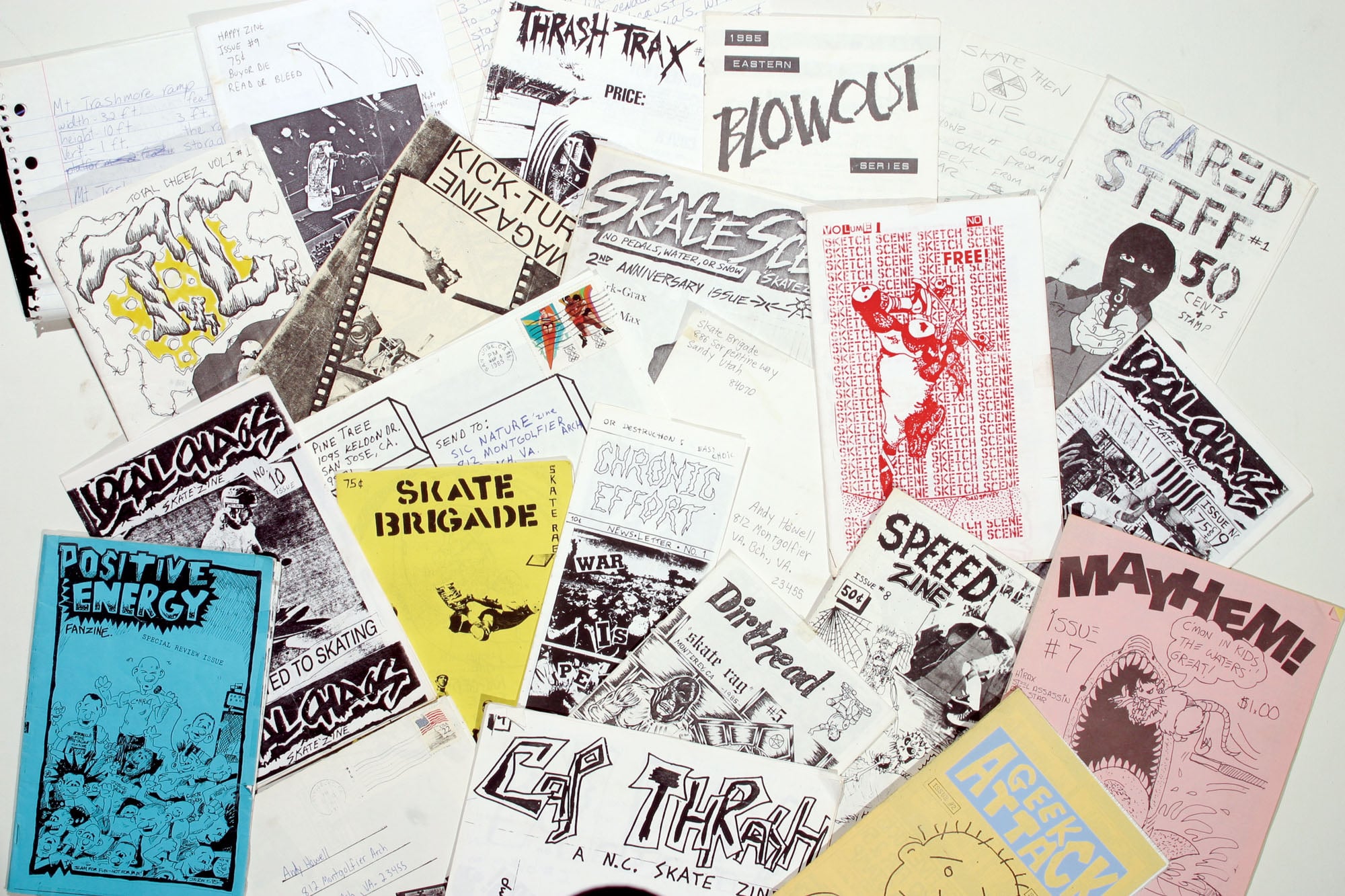
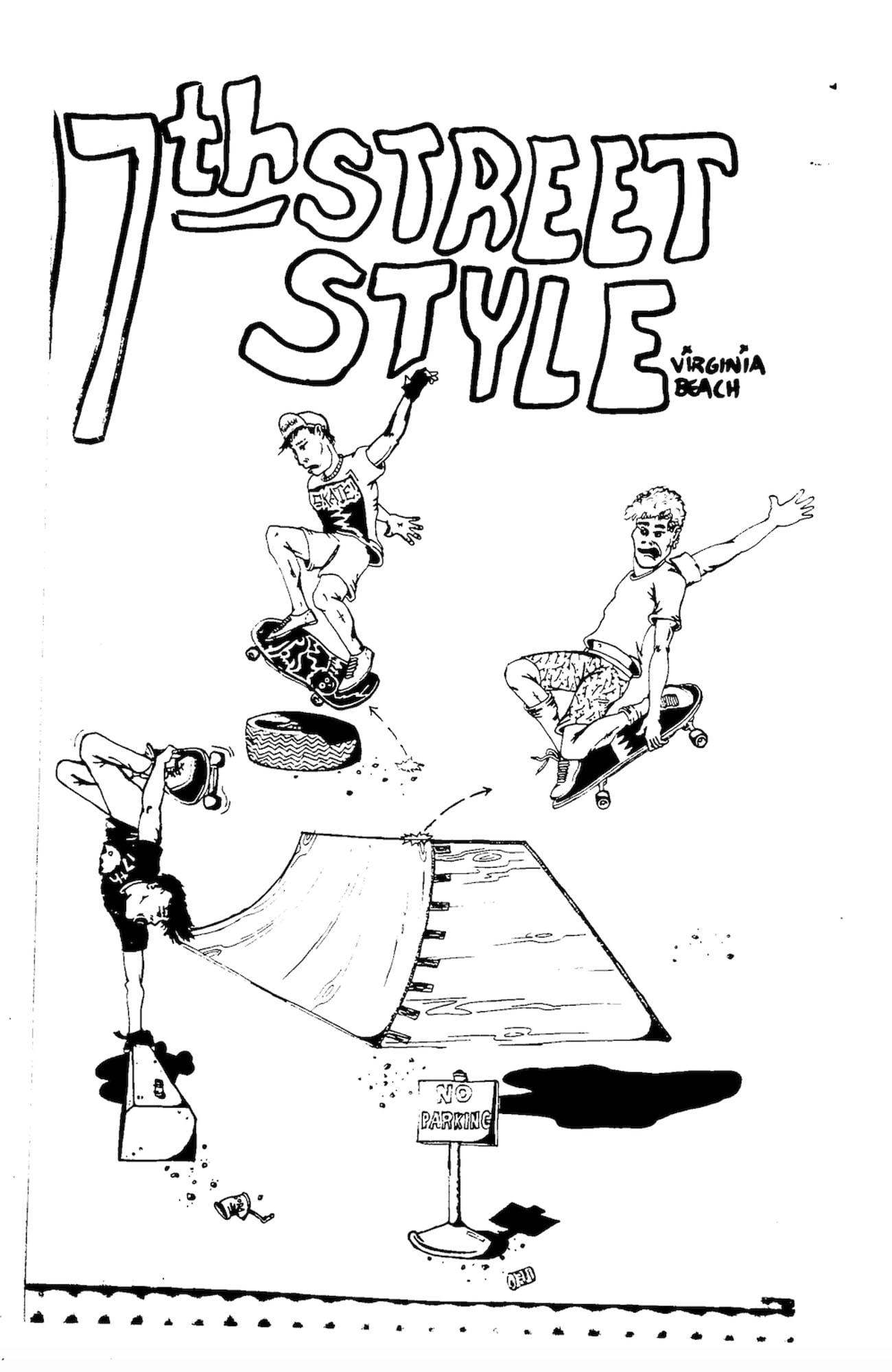
Courtesy of Andy Howell
“The horrible thing about that was that the entire industry was in California, and we could not access it,” Howell said. “The great thing about that was that the industry was in California, so we had to create our own scene completely from scratch.”
That’s the part of Virginia Beach’s story that often gets overlooked. By the time the city built one of the country’s first municipally funded skate ramps at Mount Trashmore, the scene was already thriving.
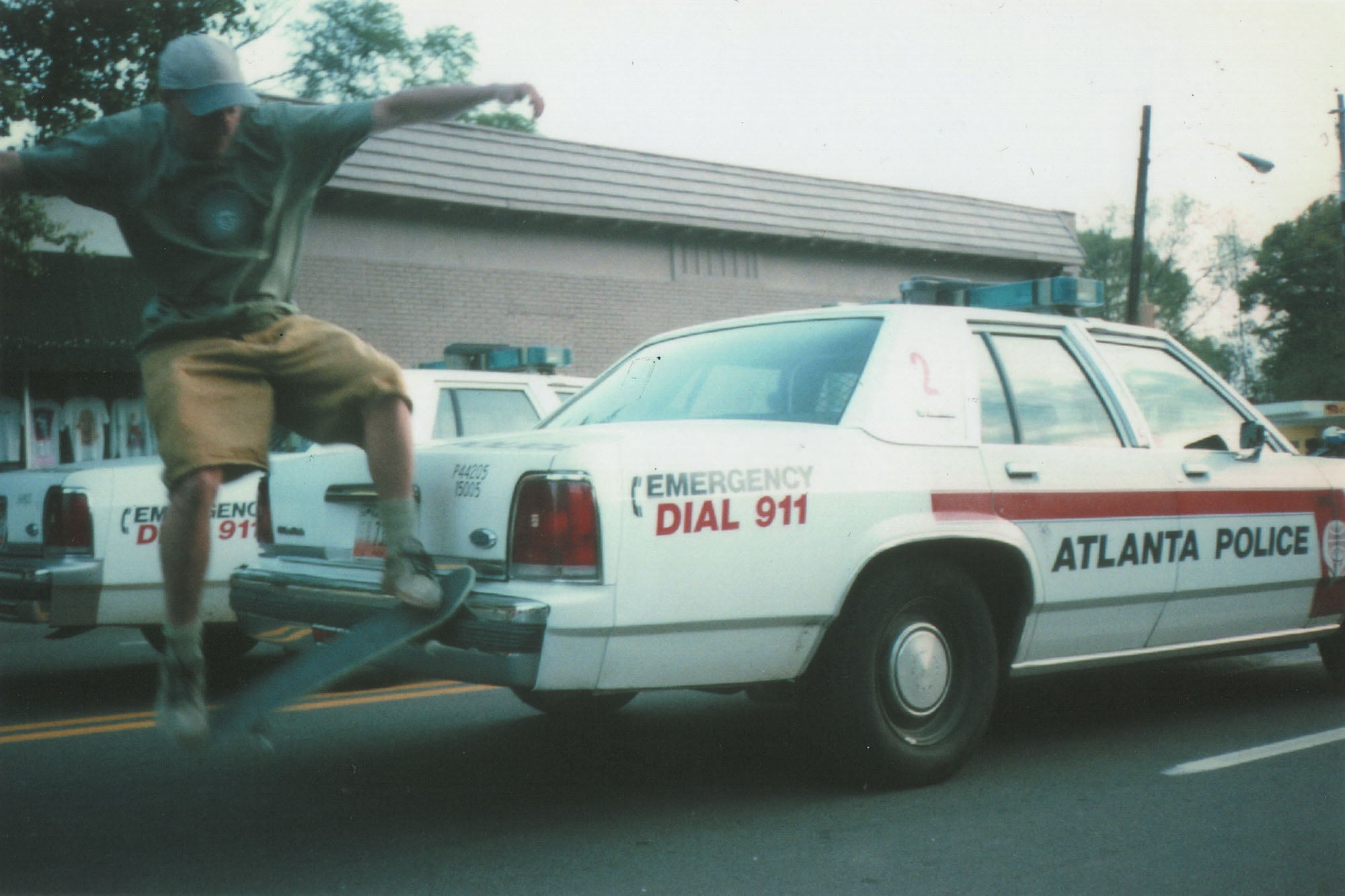
Howell eventually left Virginia Beach for art school in Atlanta, where he found another creative community that was just beginning to define itself. Southern hip hop hadn’t yet become the cultural force it would eventually become, but the city’s skateboarding, graffiti, music, and art scenes were already overlapping in much the same way they had back home.
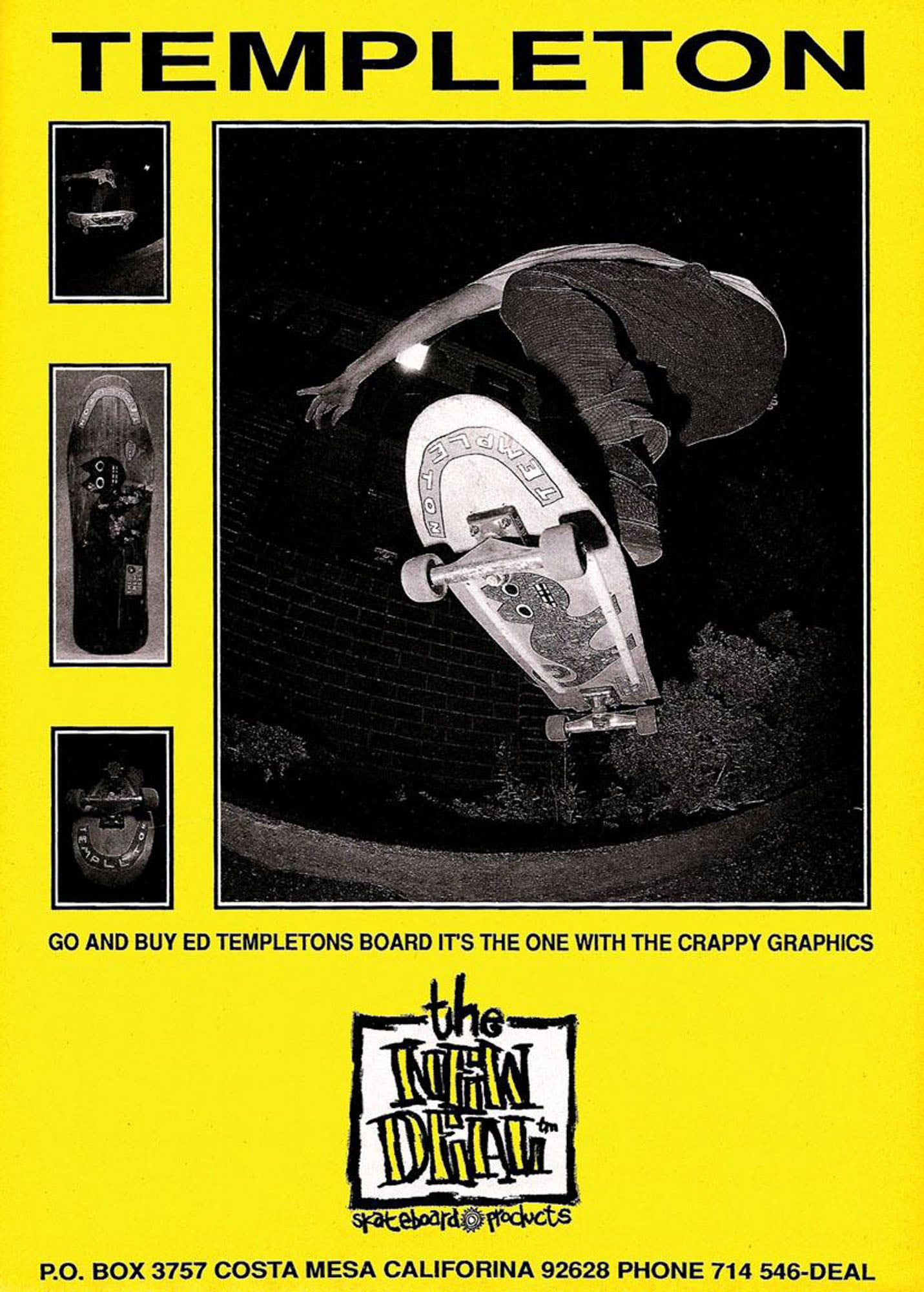
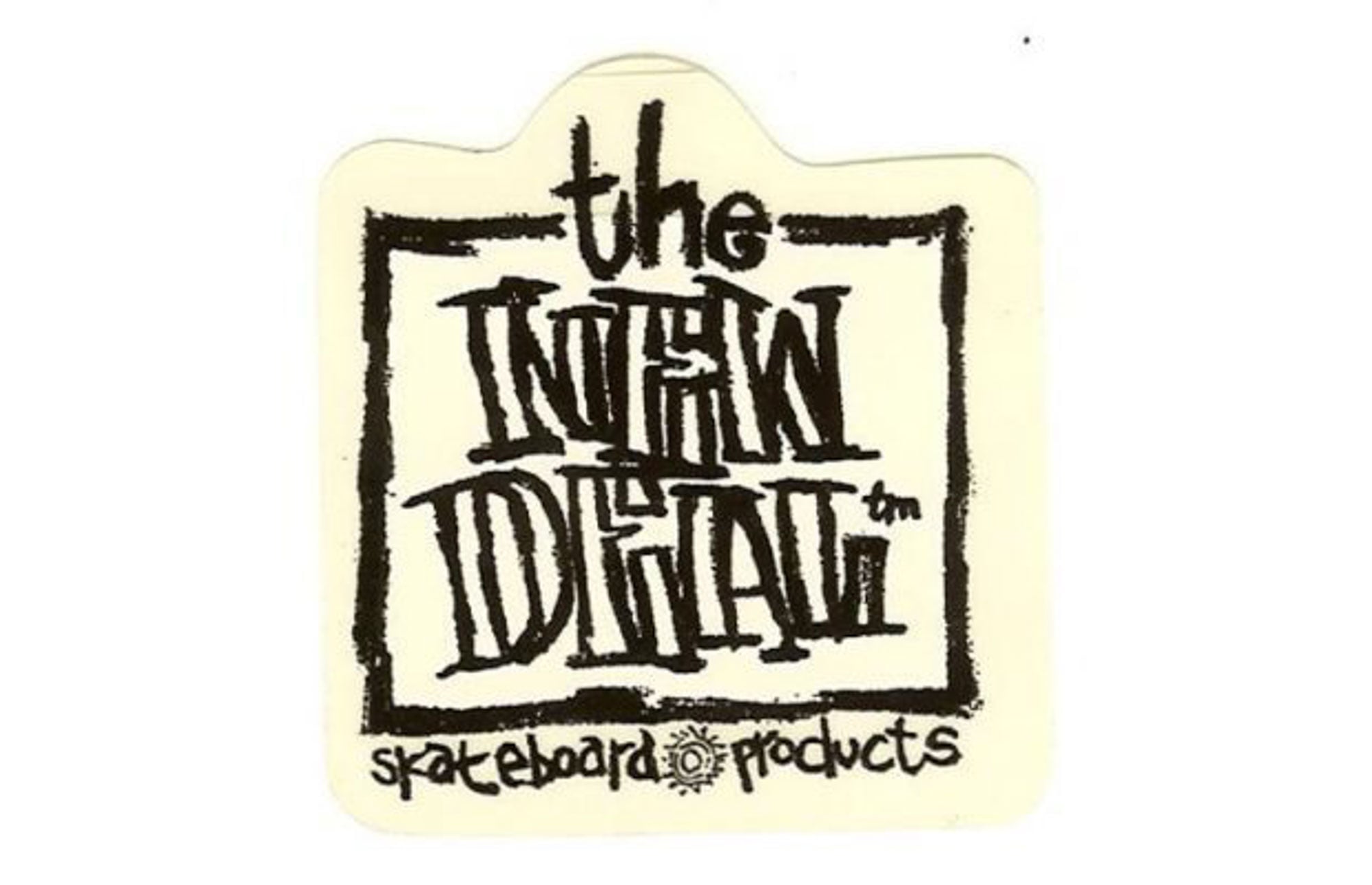
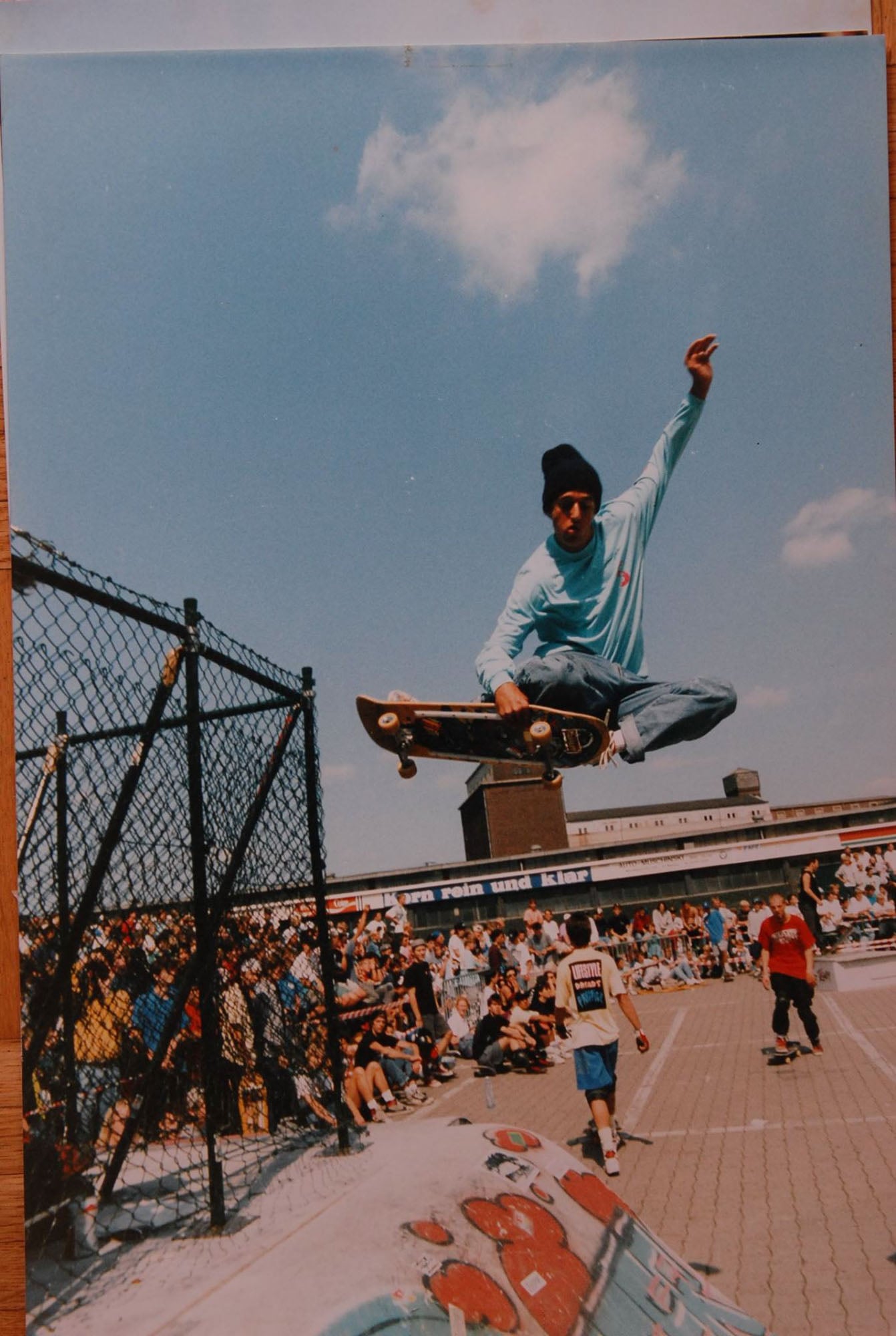
When Howell co-founded New Deal Skateboards in 1990 with Paul Schmitt and Steve Douglas, he brought all of those influences with him. It became one of the most influential skateboard companies in the country.
“We just felt like we needed to do something that was just by skaters for skaters in that moment,” he said.
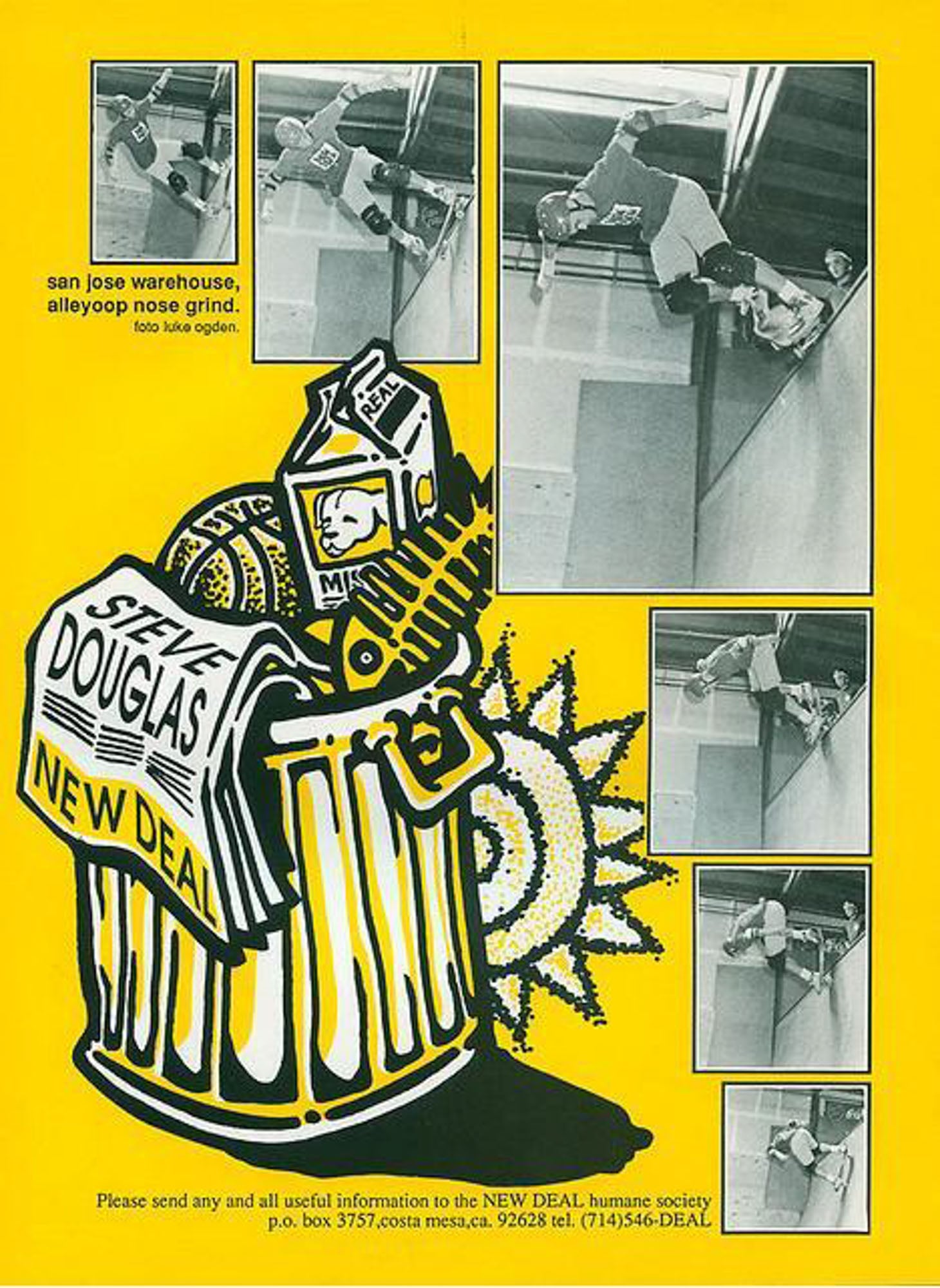
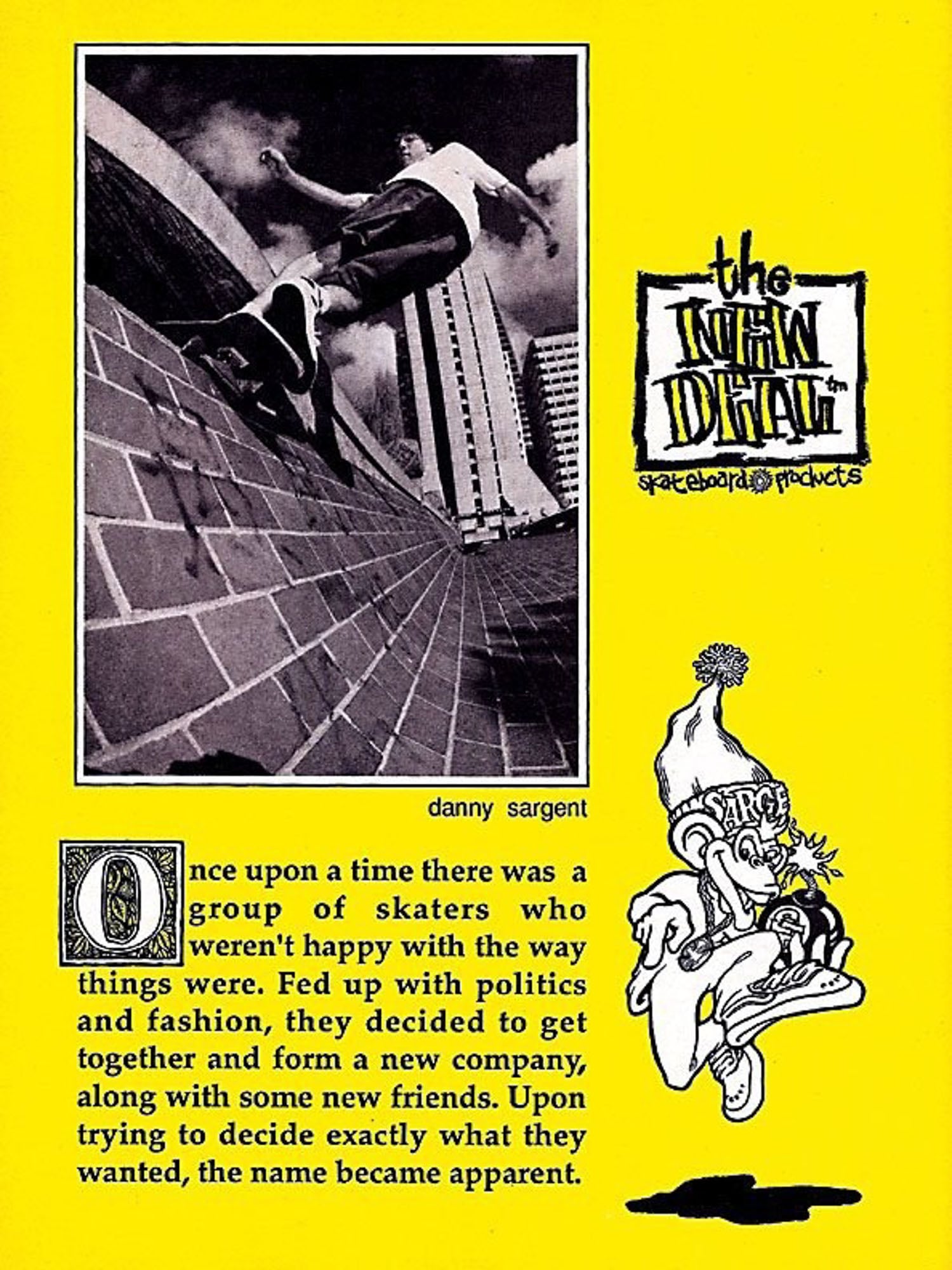
Courtesy of Andy Howell
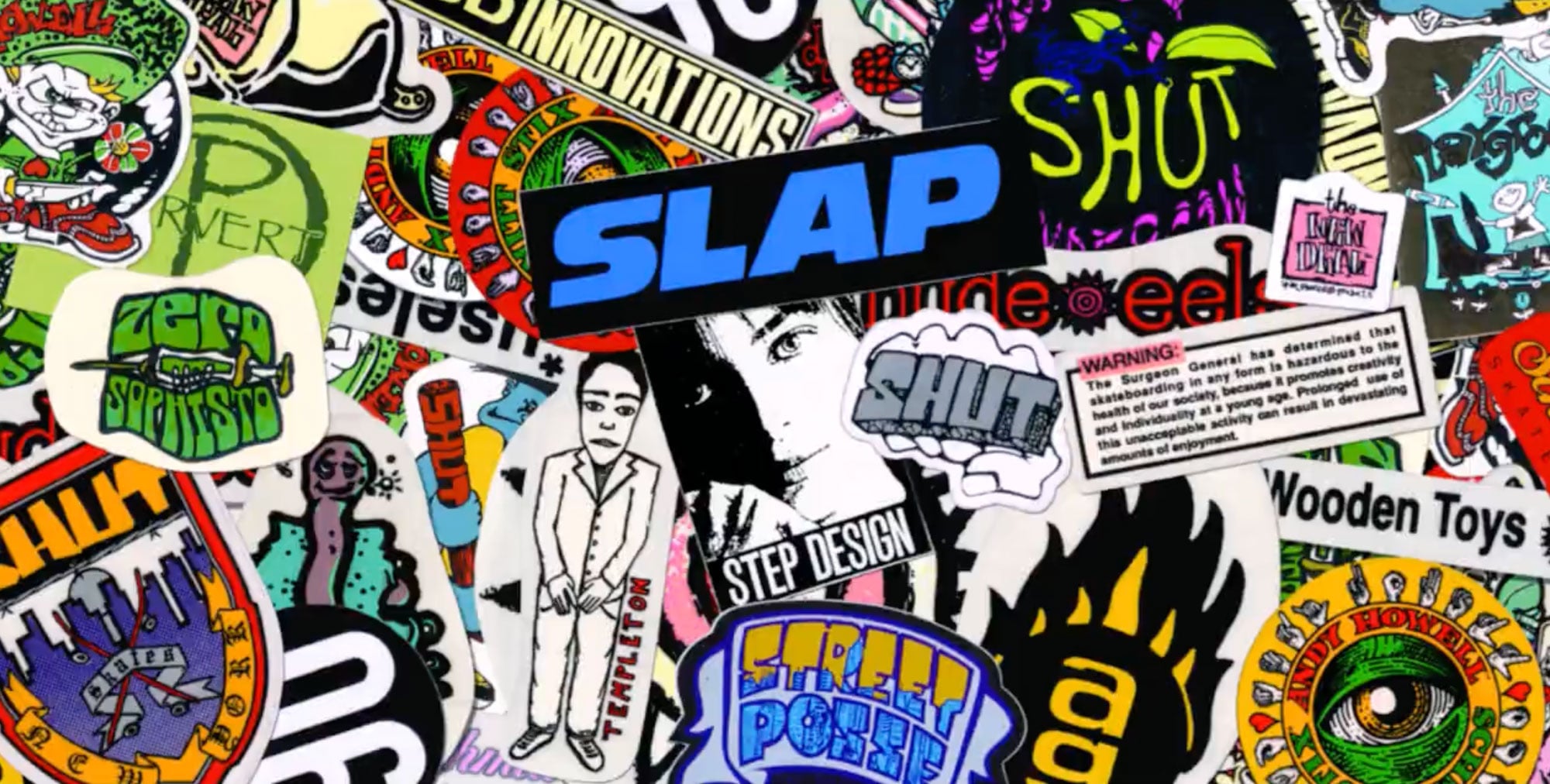
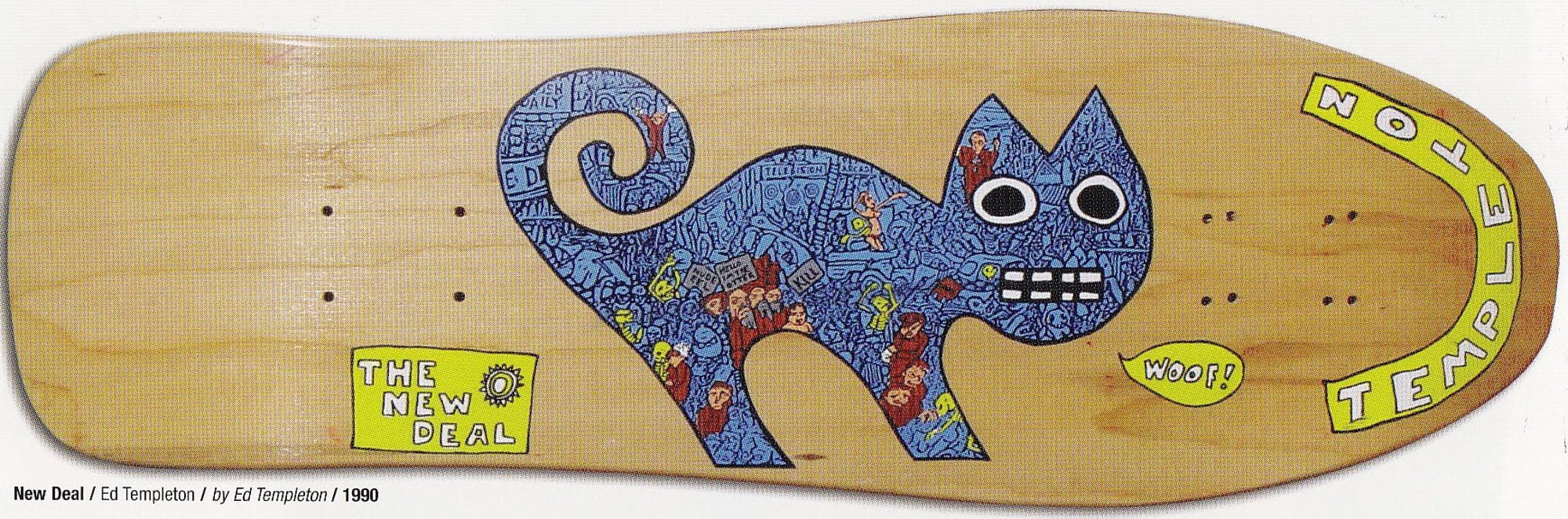
Fresh out of art school and traveling the world as a professional skateboarder, Howell became New Deal’s creative director almost by default, designing the company’s logo the night it was founded. At night he painted graffiti on the streets of Atlanta. The next morning those ideas became skateboard graphics, stickers, T-shirts, and advertisements.
“I feel like I have somehow been magnetically drawn to the places where things were happening right before they happened over the course of my life,” he said. “It was amazing to be in Atlanta during that time. We were a small graffiti scene, a small hip hop scene. Everybody knew each other. The skaters really influenced a lot of stuff down there.”
That spirit carried into New Deal. “It wasn’t contrived,” Howell said. “As fast as we could make things, we were turning them into stickers and T-shirts and skateboards and selling them. There was no filter. We were not planning for seasons. We were just making whatever we felt like at that moment.”
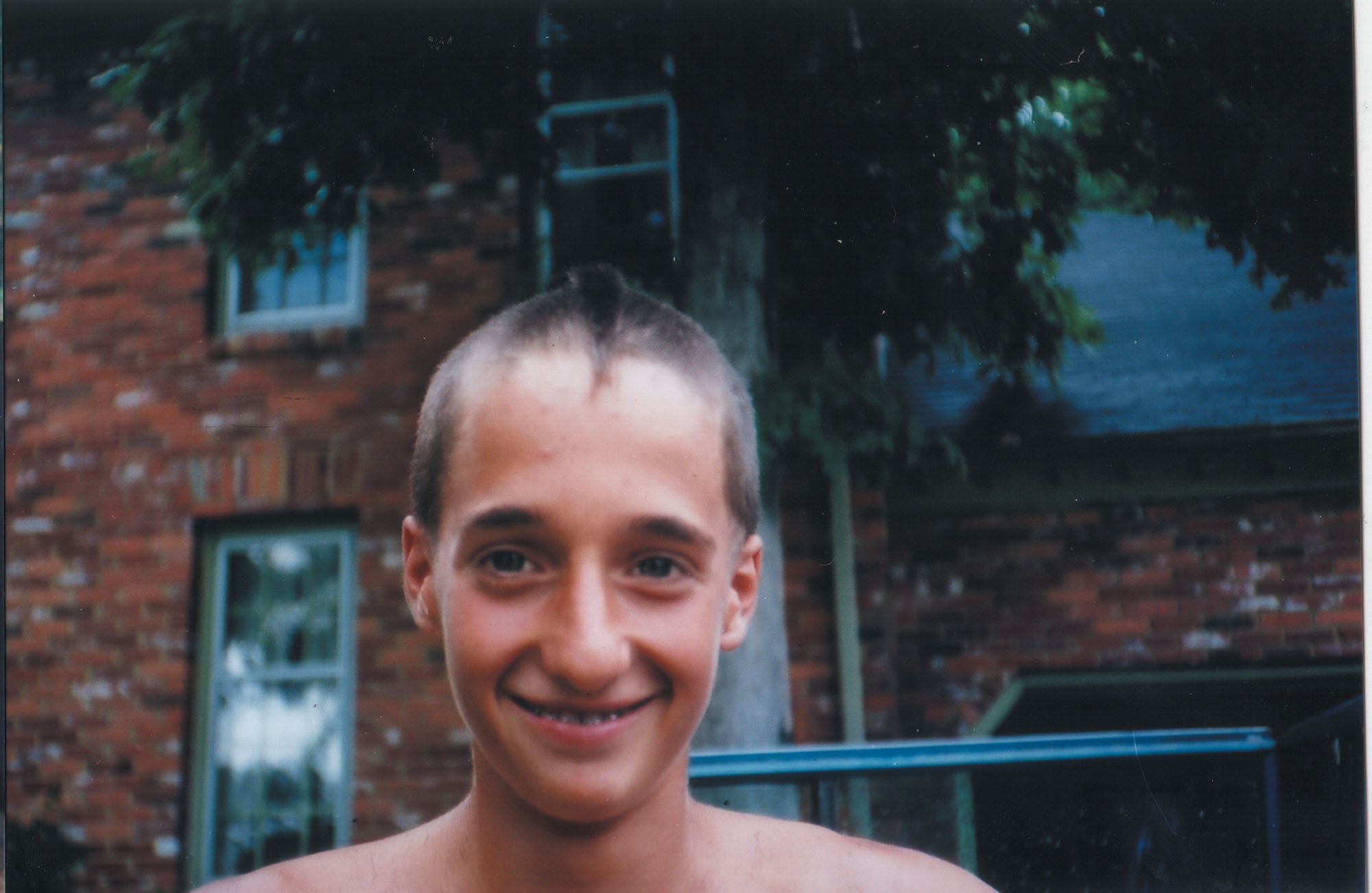
As we talked, one idea kept resurfacing. It wasn’t really about skateboarding, graffiti, or even hip hop. It was about community.
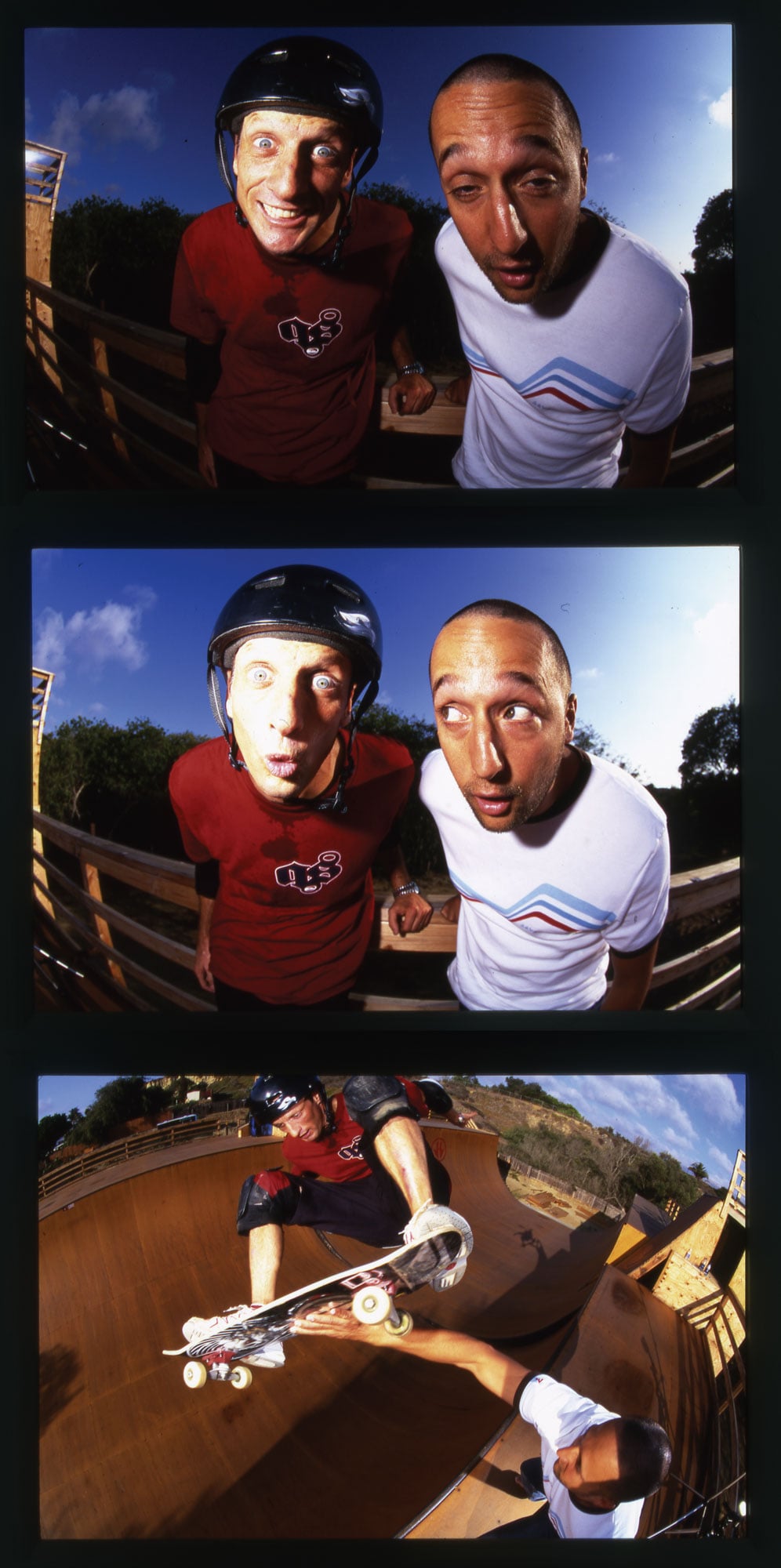
For Howell scenes emerge when different worlds collide, when surfers start skating, graffiti writers design skateboard graphics, musicians become friends with artists, and suddenly everyone is showing up at the same places.
“The scenes kind of overlap,” he said. “Then you put those people in the same room, or at the same events, or at the same places, and they connect. It really starts to cross-pollinate, and I think it becomes really powerful.”
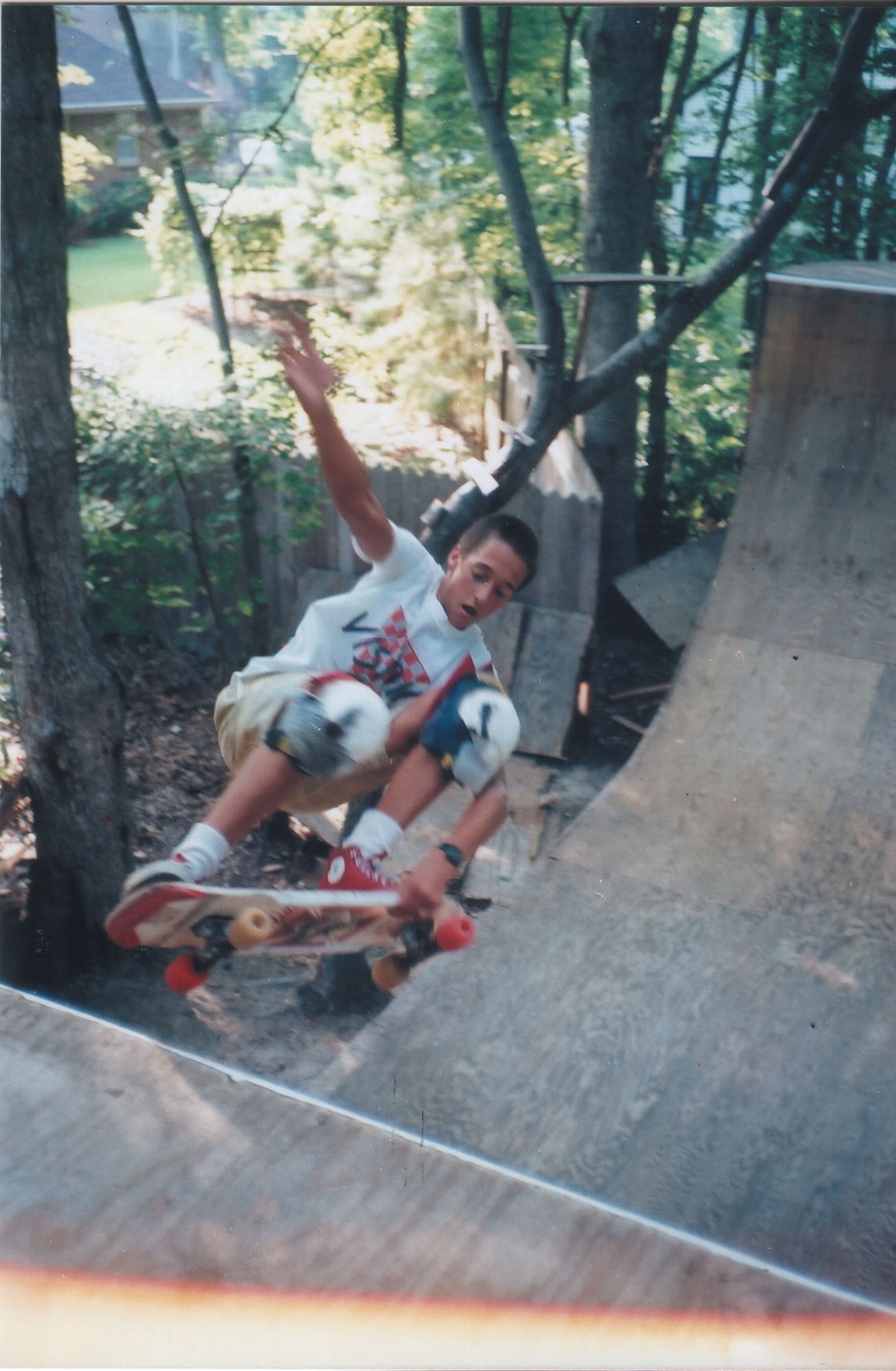
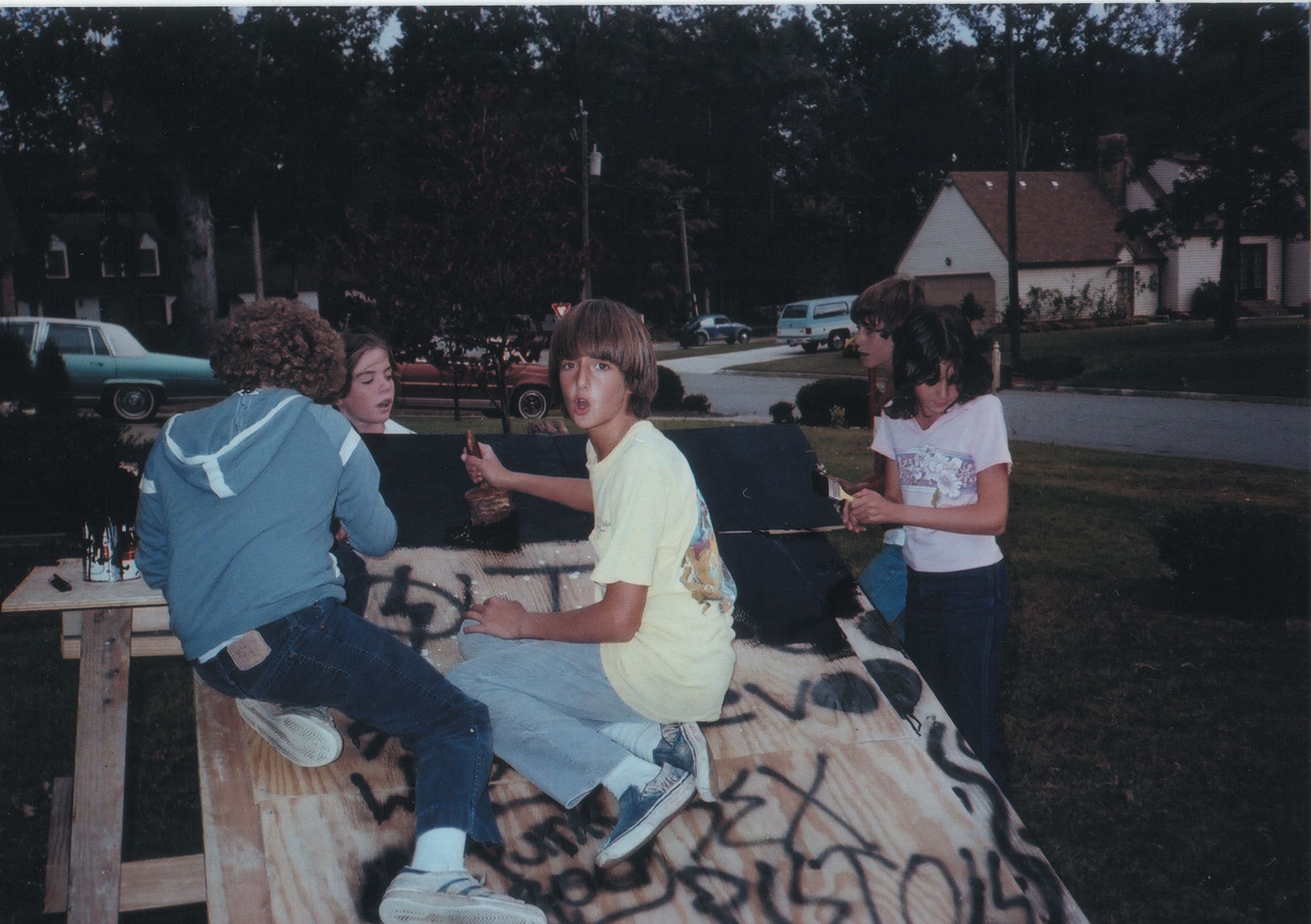
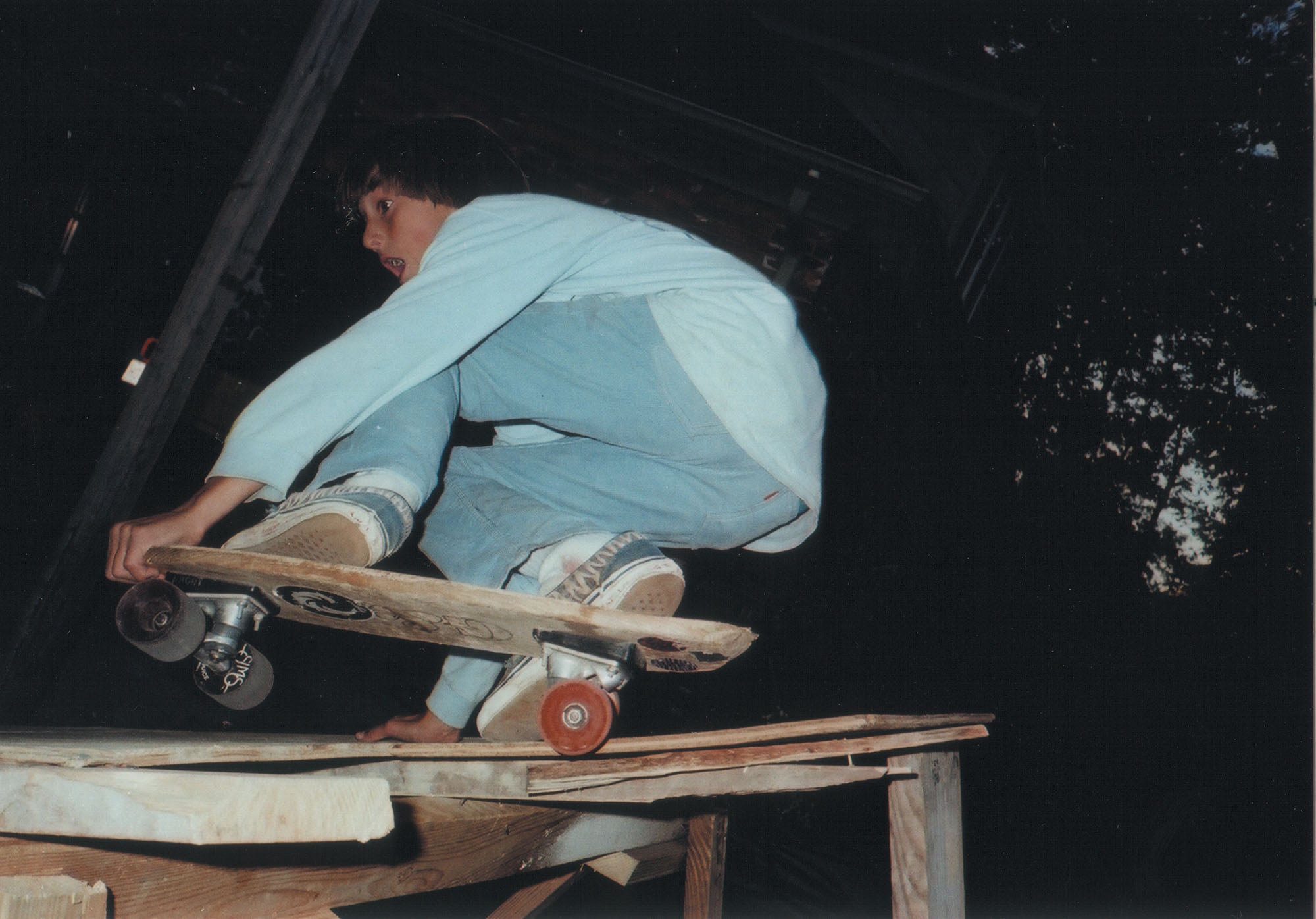
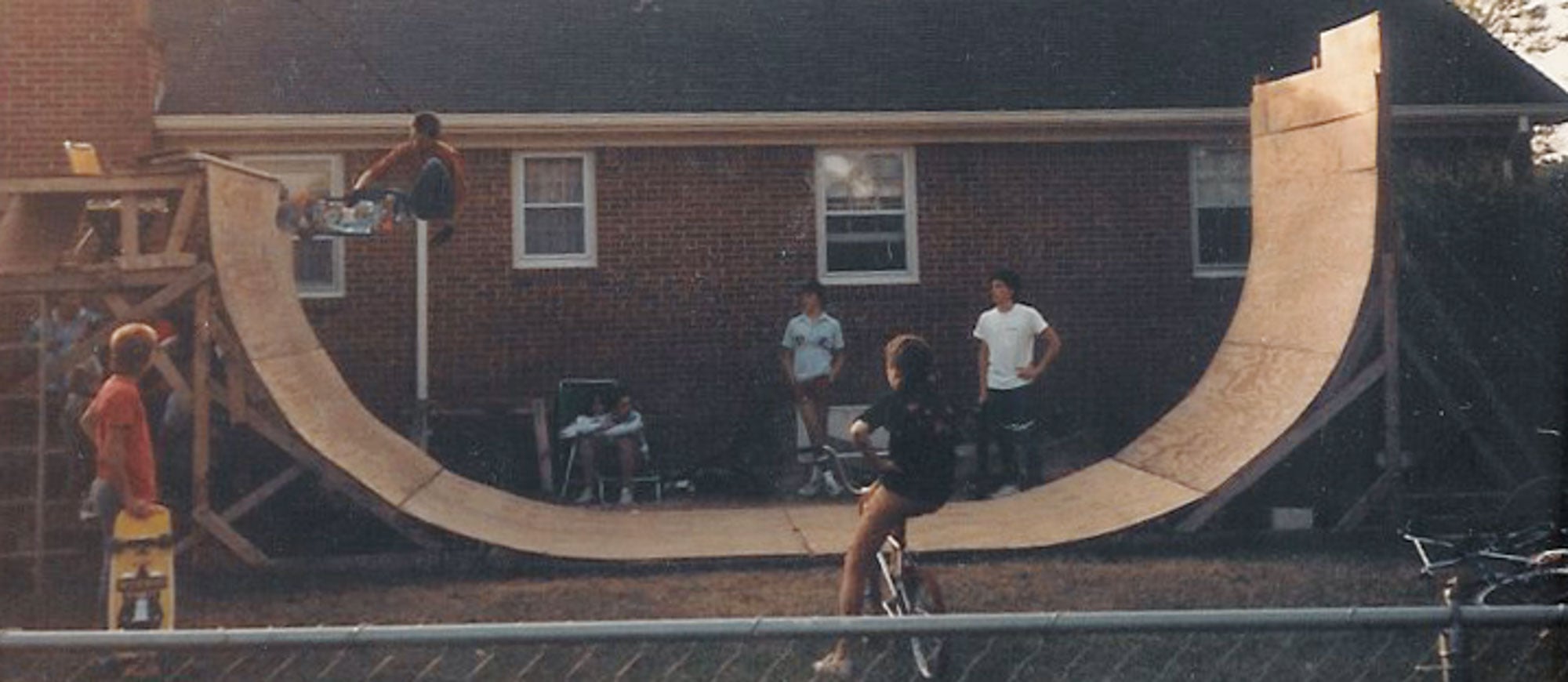
Photos courtesy of Andy Howell
Today we tend to remember movements by the people who became famous but what Howell describes is years of obscurity, a small group of kids making things for one another because nobody else was going to. That mindset still shapes the way he works today.
“I consider myself an artist,” Howell said. “All the different things that I’ve done or do in my life, I consider to be kind of different paint brushes in the box that I carry around.”
Later in our conversation, I mentioned that we’re roughly the same age and probably among the first generation raised almost entirely on television. Our creative vocabulary wasn’t built from a single medium. It came from Saturday morning cartoons, sitcoms, skate videos, album covers, punk flyers, graffiti, and whatever else happened to catch our attention.
“Everything is a response to just being programmed, to being sat in front of a TV,” he said. “What younger generations may not immediately understand is that there were only three TV stations back then, so we only watched for a half hour or an hour at a time, and only when a show you wanted to see was actually on. There was a lot of downtime away from the screen, which meant there was a lot of time to be bored and use your imagination. I daydreamed a lot, fished, skated, and figured out ways to put my art on T-shirts and stickers and make zines. There was time to be inspired and sit with a concept long enough for my ideas to become my own.
“I feel like that necessary pause, with time for reflection and space to actually allow ideas to manifest, is, at best, heavily diluted by our devices. At worst, it’s nonexistent. Even art, our most valuable form of cultural reflection, has been reduced by social media to formulaic blips of ‘content’ that mimic whatever got the most hits the day before. It’s disposable, valued only for the hour it’s posted or if it happens to go viral that day. Ideas get flushed away before they’re fully baked, so that reflection and development time is lost.
“I have mixed feelings about social media. It feels a lot like when I was addicted to the video game arcade as a kid. I was generally anxious, unsettled, and never satisfied. When I’m on my device for a long time, especially social media, I feel that way. I’m just saying, use a few of those hours every day to be still, think, sketch, and write. New ideas will emerge on their own.”
“You’ve got to be bored to make art,” he said. “You have to have a void to allow the universe to pour in whatever those next things are that are going to inspire you.”
That way of thinking has never really changed. As a teenager, it meant making zines to connect what Howell described as a “disparate community” of skateboarders scattered across the East Coast.
Today, it means creating companies, events, products, and exhibitions that give people a reason to gather.
“We were just always looking for ways to kind of proliferate the culture and build a community,” he said.
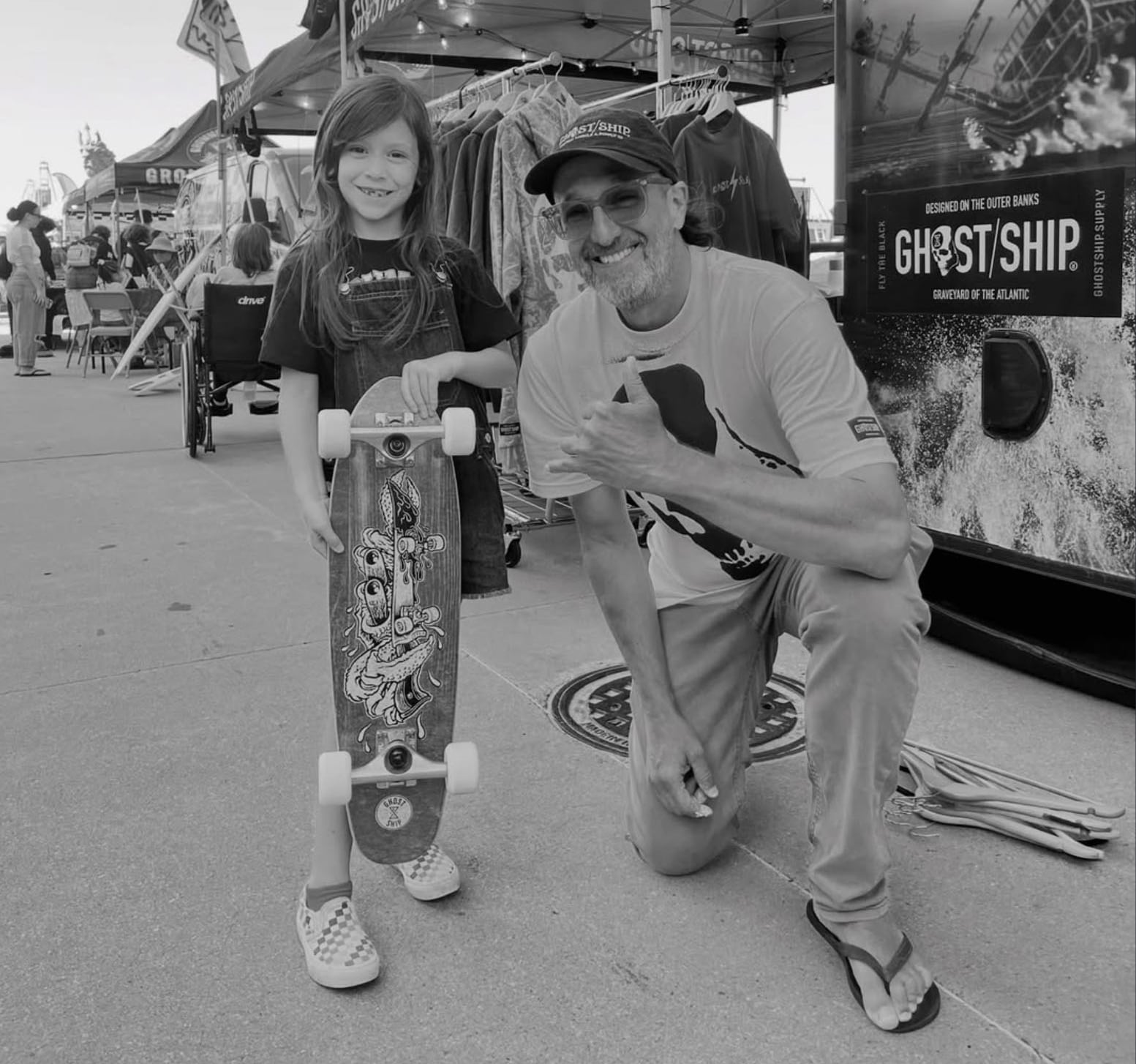
That philosophy also explains Ghost/Ship Supply Company, which Howell now operates from North Carolina’s Outer Banks. More than an action sports brand, it brings together skateboarding, surfing, fishing, and art under the same banner, another expression of the overlapping communities that first shaped him in Virginia Beach. Check out the site HERE.
We spend a lot of time celebrating the people who make it, but not nearly enough time thinking about the communities that made them possible. They emerged from ecosystems where different scenes overlapped and creative people kept finding one another long before the rest of the country was paying attention.
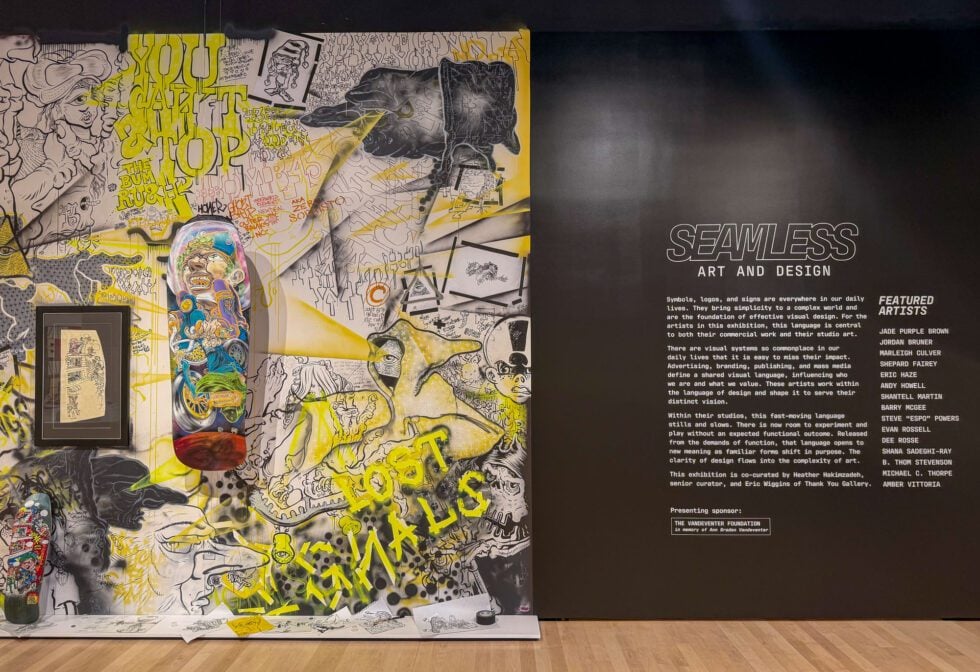
Looking back at Seamless, Howell’s installation reads differently. What first appears to be chaos is really a map of the influences that shaped him. Skateboarding, surfing, punk, hip hop, graffiti, and design all flow into one another until they become impossible to separate.
Maybe that’s the lesson. Culture begins when people find each other.
Everything else comes later.
Support RVA Magazine. Support Independent Media in Richmond.
At a time when media ownership is increasingly concentrated among corporations and the wealthy, RVA Magazine has remained one of Richmond’s few independent voices. Since 2005, the magazine has provided grassroots coverage of the city’s artists, musicians, and communities, documenting the culture that defines Richmond beyond the headlines.
But we can’t do this without you. A small donation, even as little as $2, one-time or recurring, helps us continue to produce honest, local coverage free from outside interference. Every dollar makes a difference. Your support keeps us going and keeps RVA’s creative spirit alive. Thank you for standing with independent media. SUPPORT HERE.
Subscribe to the RVA Mag Weekly Newsletter HERE
We’ve got merch HERE
Subscribe to the Substack HERE
And Reddit HERE
And YouTube HERE