Editor’s note: We were sent this petition after publishing: VCU Demolition Blitz: More Richmond Erased HERE.
As reported by The Richmonder last week, “The Cultural Heritage Stewardship Plan, which sailed through City Council with a unanimous vote Sept. 28, is intended to set Richmond’s key priorities for identifying and conserving notable features of the city.”
We have markers all over the city telling us about our history. Maybe before they’re gone, we should talk about 929 West Grace Street, The Village Cafe, Edo’s Squid and what this small stretch of Richmond meant to the culture we now celebrate, and sell, as part of the city’s brand.
For decades, that stretch of Grace Street around VCU was one of Richmond’s cultural pressure cookers. It was cheap and weird, sometimes sketchy and violent, but somewhere in there Grace Street became a meeting point for three things that now define Richmond: food, music and creativity.
The city should recognize these places for what they mean to Richmond’s identity, and VCU should recognize what they did for the university by helping establish the character of the neighborhood that attracted generations of students to the school.
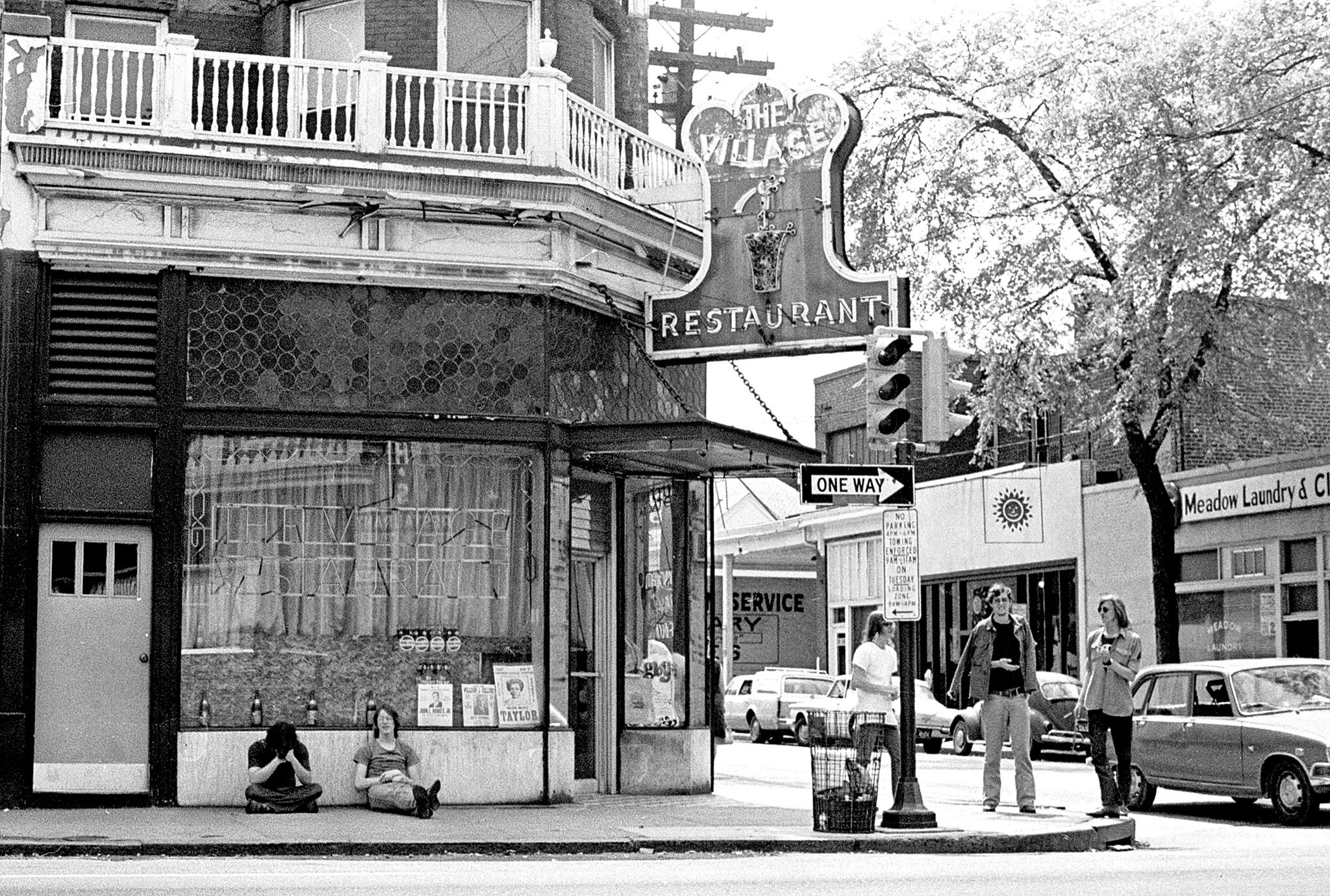
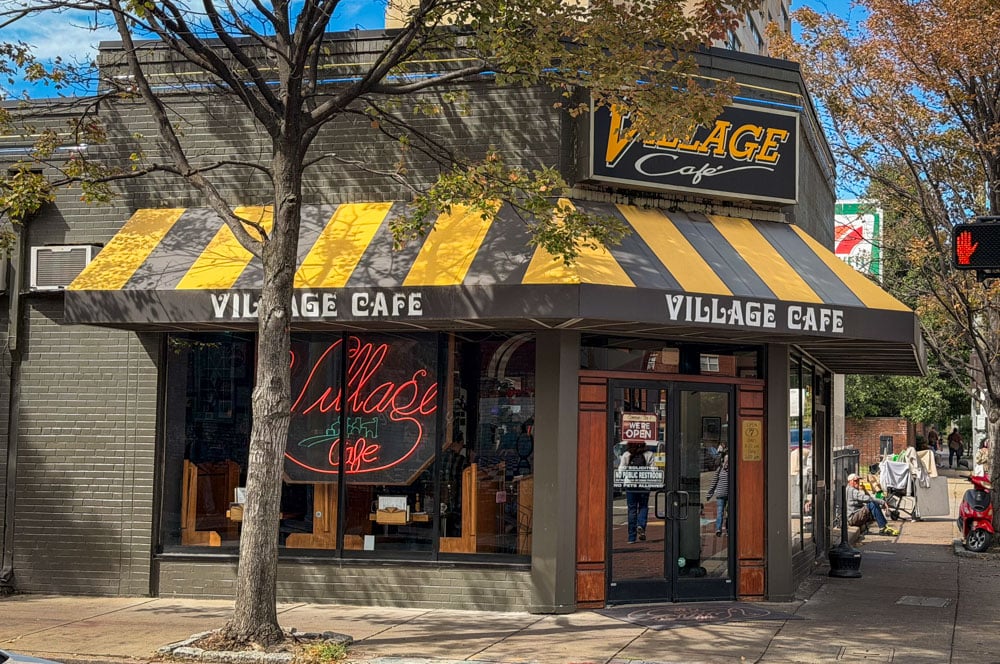
The Village was here long before most of us got here.
Since the 1950s, generations of VCU students, artists, musicians, writers and assorted Richmond characters have passed through its booths but The Village was one of the places where all those different parts of Richmond culture regularly crossed paths.
Author Tom Robbins spent many nights there. Dirt Woman sold flowers outside. GWAR was there. According to local bar lore, a young Bruce Springsteen hung around with his band Steel Mill. Students mixed with musicians, artists, writers, restaurant workers and whoever else happened to wander in.
Admittedly, the culture that once surrounded The Village on Grace Street has disappeared as VCU has transformed the corridor around it. But if it disappeared, we would lose one of the few remaining physical connections to that cultural history. And once a place like that is gone, we don’t get it back.
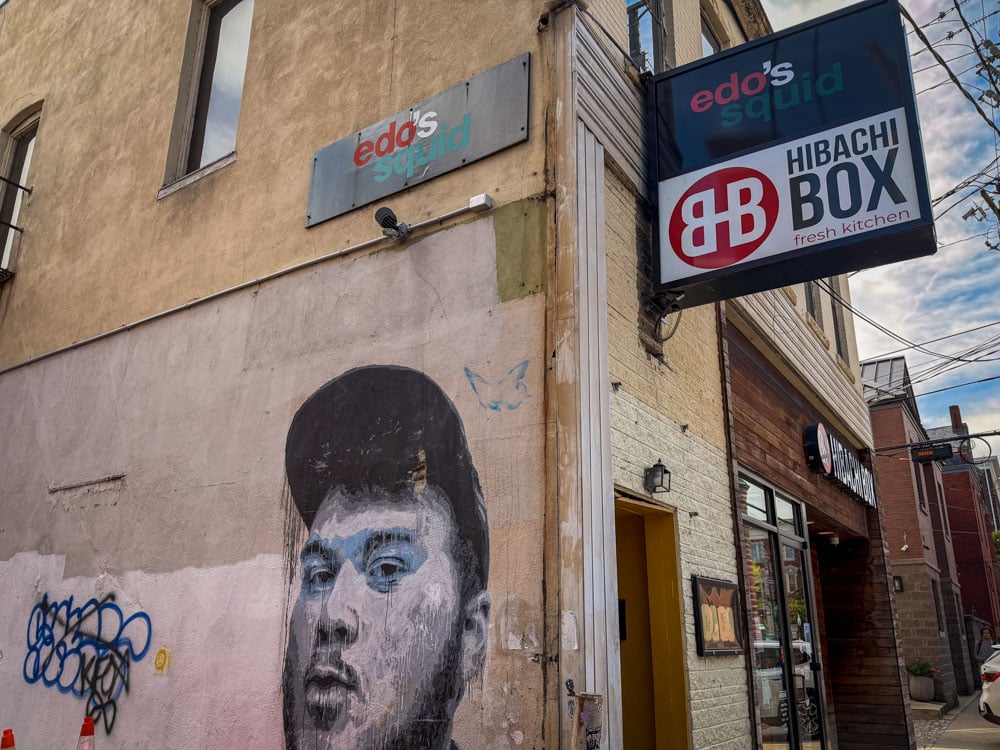
Edo’s Squid right around the corner
Edo’s opened in the 1990s, and owner and chef Ed Vasaio, through Edo’s and its sister restaurant Mamma ‘Zu, helped lay the groundwork for the Richmond food scene that followed.
By the early 2010s, the rest of the country was starting to notice. Washingtonian called Richmond a dining destination in 2013 and led with Edo’s.
Then came 2014, when Richmond’s restaurant scene seemed to break nationally. Southern Living put several Richmond-area restaurants among its 100 best in the South. Departures called Richmond “The Next Great American Food City.” Saveur declared Richmond “a dining destination” in a 2014 guide that included Mamma ‘Zu and Edo’s Squid.
The next year, Style Weekly named “The City’s Food and Drink Pioneers” its Richmonders of the Year.
Edo’s wasn’t solely responsible for any of that. But it was already here, helping define what dining in Richmond could be before the rest of the country caught on.
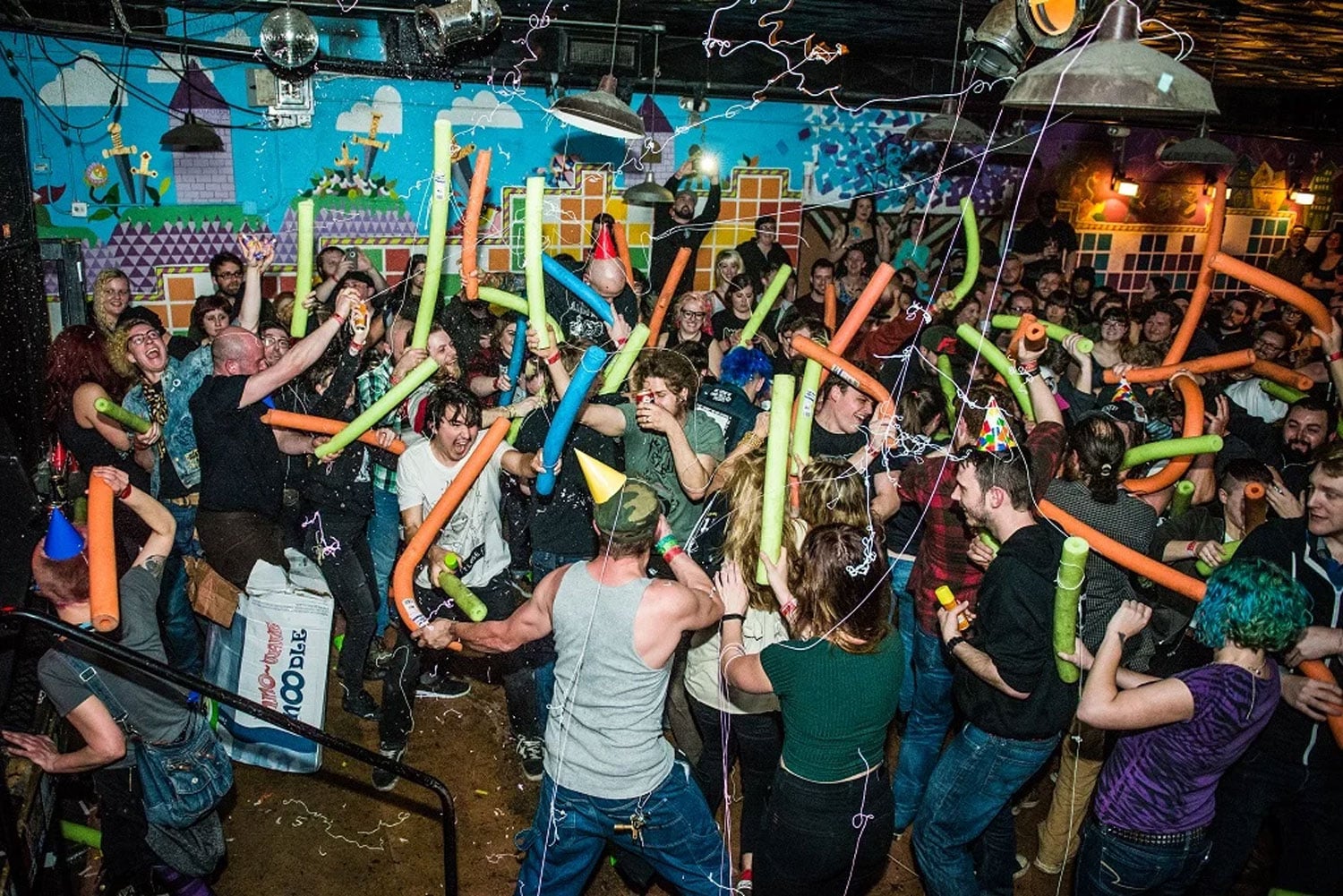
And then there is 929 West Grace Street.
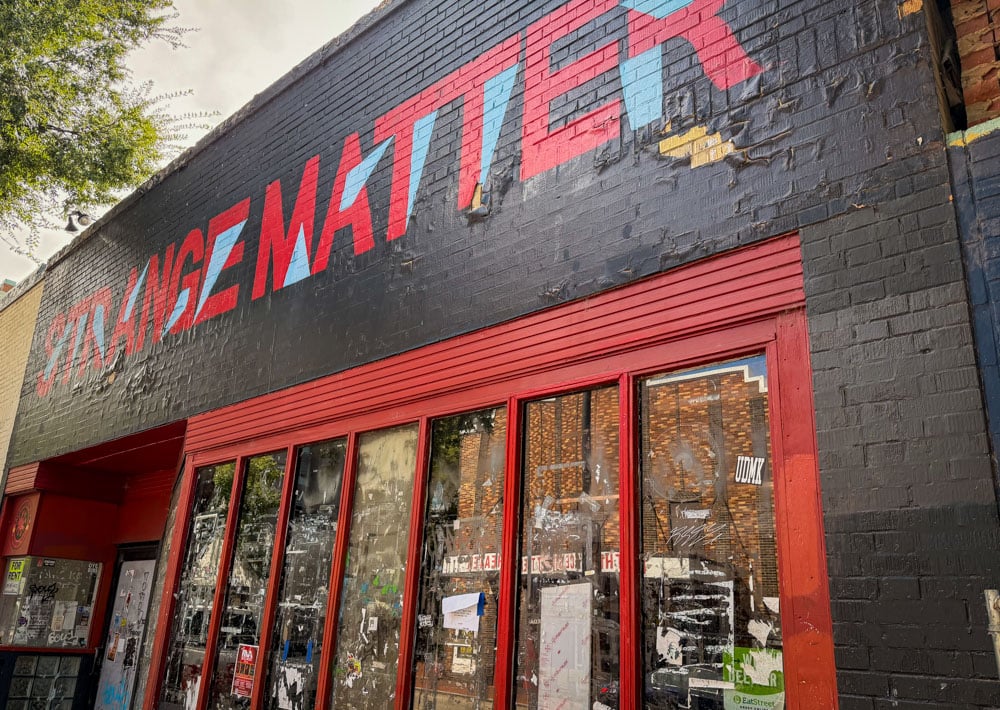
We’ve written about this address before. RVA Magazine published “A Brief History of 929 West Grace” all the way back in 2009, when Strange Matter was preparing to become the latest venue to take over a space that had already spent decades at the center of Richmond music.
The names changed. The Back Door. Twisters. For a period, Chronos Cafe. 929 Cafe. Nanci Raygun. Bagel Czar. Strange Matter.
And generations of Richmond bands passed through the room: GWAR, Avail, Bio Ritmo, Municipal Waste, Breadwinner, Four Walls Falling, Lamb of God in its earlier incarnation as Burn the Priest, Denali and others that became part of Richmond music lore.
Then there were the touring bands. Smashing Pumpkins played Twisters in 1991. Green Day played there in January 1993, more than a year before Dookie turned them into one of the biggest bands in the world. Dinosaur Jr., Rancid, the Mighty Mighty Bosstones, Morphine and countless others passed through the room.
And the cycle continued right up through Strange Matter.
In 2014, a still-rising Turnstile played the room at least twice. Today, Turnstile is one of the biggest bands in the country.
A decade later in 2019, we returned to the story with “Goodbye Strange Matter: End of an Era.”
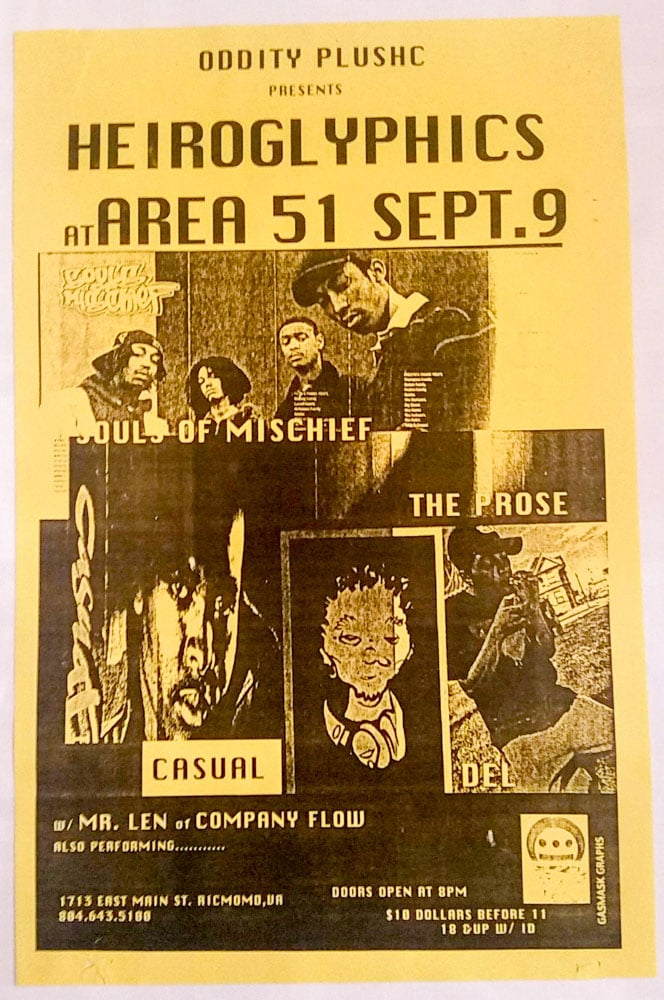
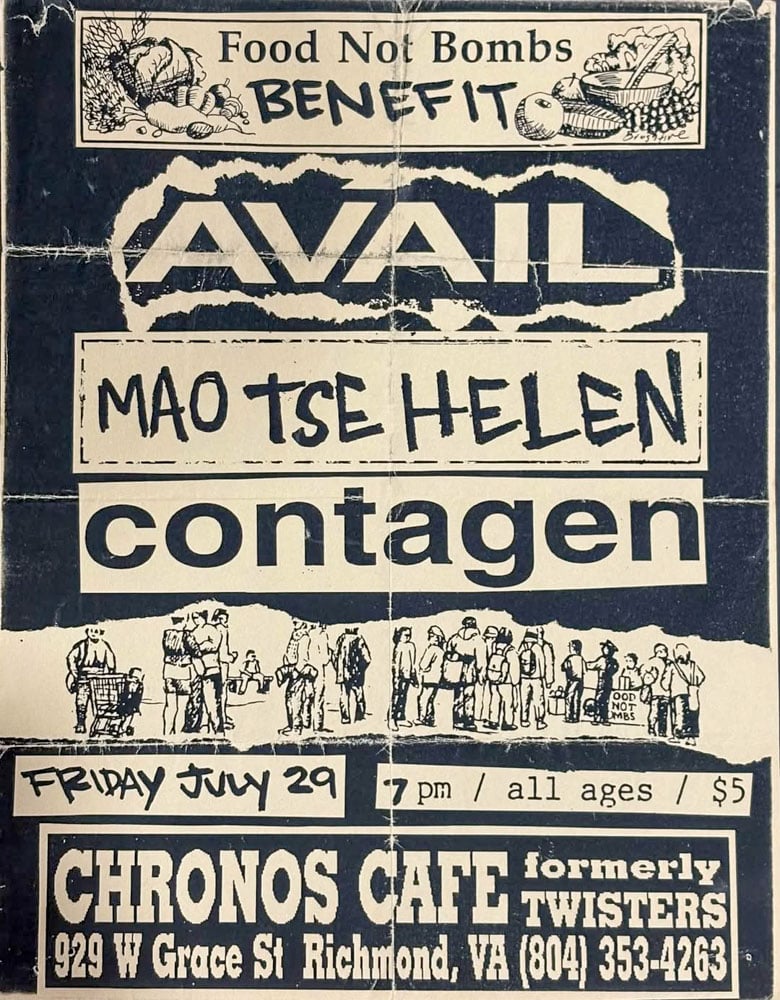
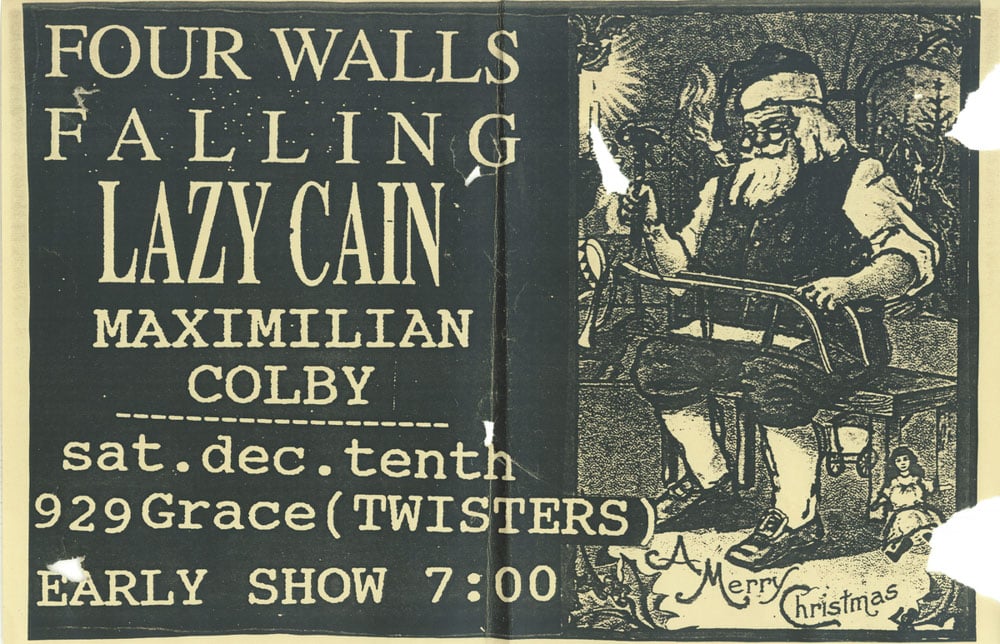
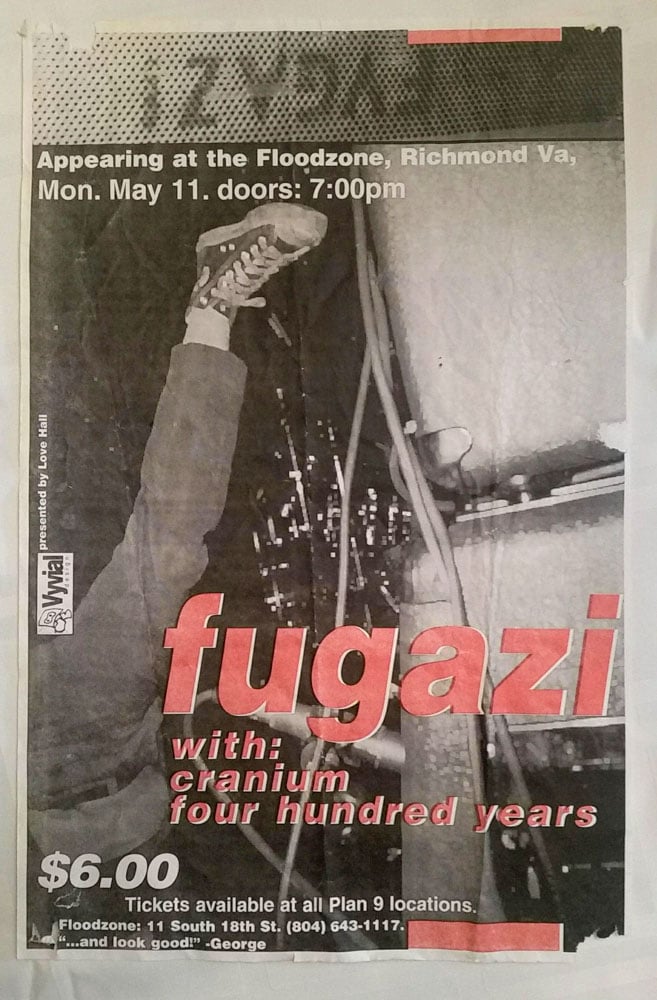
Flyers from Richmond Counterculture
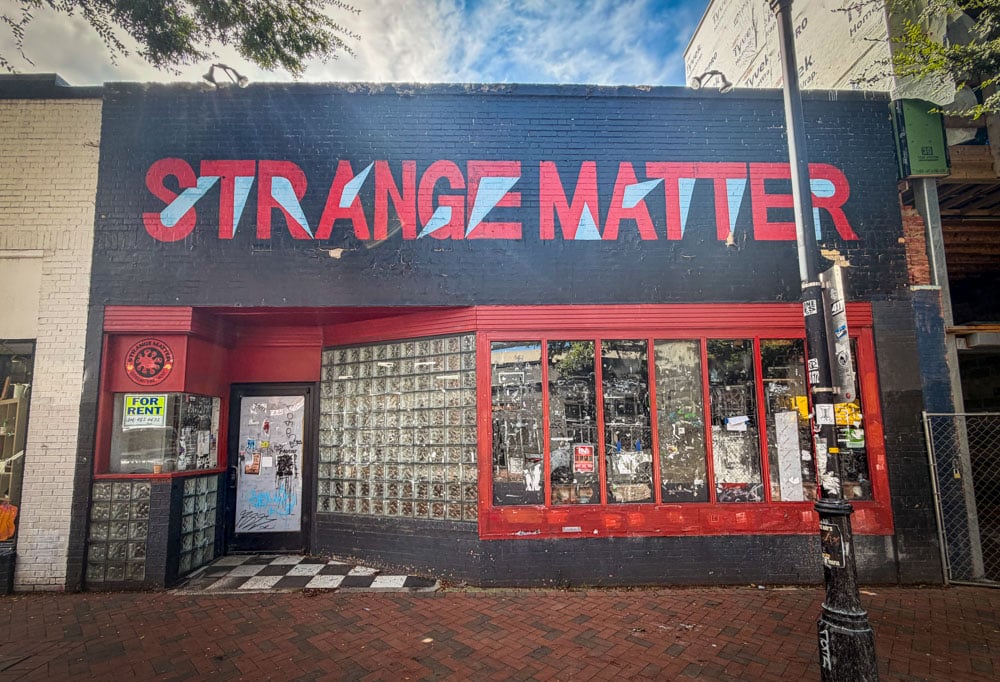
What Could 929 Be Again?
The Village and Edo’s Squid are still functioning businesses and not in any danger of leaving anytime soon, but 929 is different.
The venue is gone and the building remains. If Richmond is serious about preserving cultural heritage, 929 West Grace seems like exactly the kind of place we should be talking about.
Maybe that means historic designation, a marker or finding a way for music to return to the room.
Or maybe turning part of the space into a small museum or archive dedicated to the music, art, flyers, photographs and people who passed through there, something like a tiny Valentine Museum dedicated to the margins of Richmond culture that eventually became part of the city’s identity.
A bridge between generations, giving older Richmonders a place to remember the scenes that shaped them, like Richmond Counterculture, while giving future generations a physical connection to the culture that shaped the city they’re inheriting.
It feels possible as Richmond’s new Cultural Heritage Stewardship Plan ultimately lays out four priorities, the city should pursue:
– Ensure the city has inventoried and is maintaining historically and culturally significant assets it owns, including buildings, parks and sites.
– Conduct a citywide architectural and archaeological assessment.
– Pass local legislation to increase penalties for unauthorized demolitions in areas with a formal Old and Historic District designation.
– Analyze and evaluate real estate tax assessment and abatement policies that could encourage preservation of important assets.
The plan doesn’t automatically protect places like The Village, Edo’s or 929 West Grace. But it does give Richmond a new framework for identifying and recognizing culturally significant places before they’re lost.
And since VCU has spent years acquiring and developing property along the corridor as part of a long-term plan to make Grace Street the Monroe Park Campus’ “main street” now is the time to make sure the history of what came before isn’t erased by what comes next.
Let’s recognize them for what they mean to the city while they’re still here.
The Village, Edo’s and 929 West Grace are part of Richmond’s food, music and creative history.
The culture crossed at the restaurants and venue. The restaurant workers went to, and played, the shows. Students who spent time in these scenes became artists, musicians, cooks, writers, designers and business owners. All these people met one another, exchanged ideas and made things that we still feel today.
Today, those places are among the things Richmonders point to when explaining what makes this city special. But before they became part of the Richmond brand, they were simply part of the culture and helped make Richmond, well, Richmond.
We can, and should, recognize that officially.
Main photo of Strange Matter by R. Anthony Harris
Support RVA Magazine. Support Independent Media in Richmond.
RVA Magazine has remained one of Richmond’s few independent voices. Since 2005, we have provided grassroots coverage of our artists, musicians, and communities, marginalized or otherwise, documenting the city’s culture that lies right under the surface and beyond the headlines.
But we can’t do this without you. A small amount, even as little as $2, one-time or recurring, helps us continue to produce honest, local coverage free from outside interference. Every dollar makes a difference. Your support helps keep us going and keeps the local creative spirit alive. Thank you for standing with independent media, and thank you for reading.
Show your SUPPORT HERE
Also, subscribe to the newsletter HERE
We’ve got merch HERE
Subscribe to the Substack HERE
And Reddit HERE
And YouTube HERE