
What Week? Sea Otter Week

by | Sep 24, 2018 | COMMUNITY

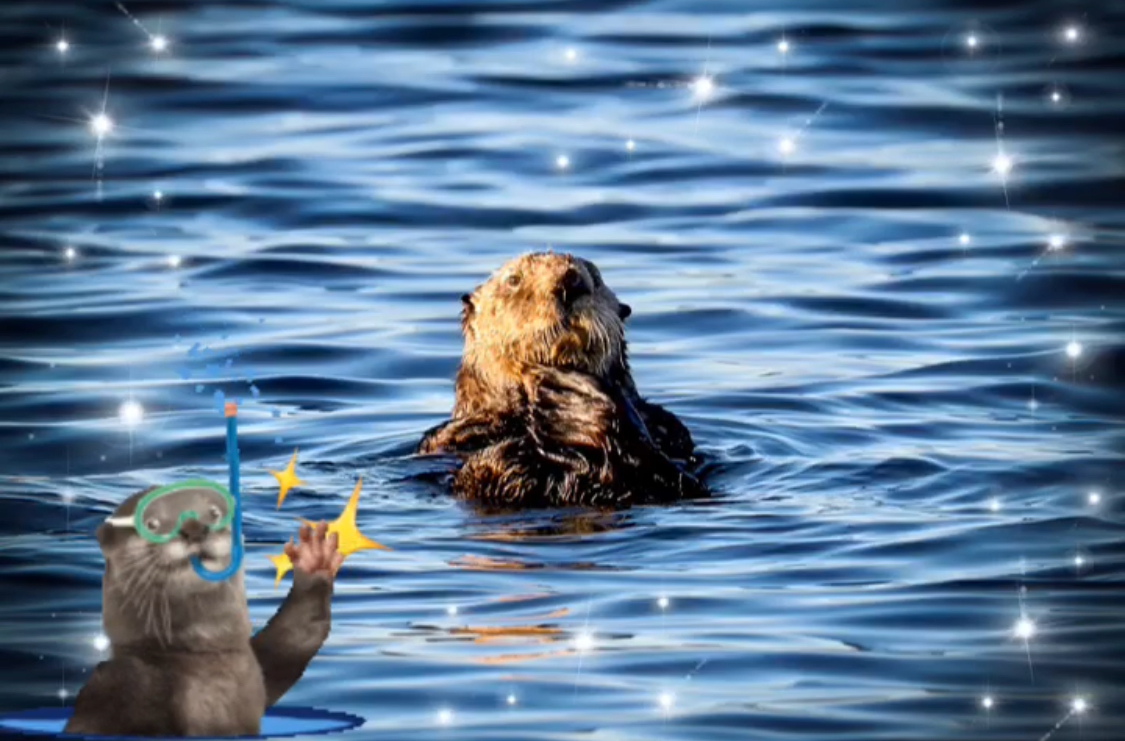
Sea otters may be the internet’s new cats. But while the aquatic Enhydras are peak adorable and rival their feline counterparts for internet space, they are also critical as a keystone species for our marine ecosystems. This is why September 23 through 29 has been designated “Sea Otter Awareness Week” by the various institutions who study, support, and educate the unruly masses about the conservation issues sea otters face on a daily basis. 2018 marks the 10th year in which Americans have celebrated the ocean’s most photogenic creature.

Before we celebrate, some sea otter facts: There are 13 different species of sea otters globally, with the U.S. being home to two different species: sea otters and the North American river otter. Weighing in between 10 and 90 pounds, otters have some interesting mammal relatives that include skunks, weasels, wolverines, and badgers. In fact, sea otters are the largest member of the weasel family. Most sea otters hail from Alaska, and they have been a protected species under the International Fur Seal Treaty of 1911, passed after they were almost hunted to extinction. They have also been covered under the Endangered Species Act since the 1970s.

What do these fetching creatures eat? Almost 25 percent of their enter body weight every single day, including mussels, crabs, urchins, and clams, the last of which they’ve been known to crack open with rocks while floating on their backs. They find this craft fare by using their whiskers and digging with their paws, often times diving up to 250 feet down to find their ongoing meals.

How do they stay warm this deep? Otters have the thickest fur of any animal, and unlike other aquatic mammals they do not have a layer of blubber, instead relying on their fur to provide that critical layer of insulation.

As a keystone species, otters are critical to the way certain ecosystems operate because of the impact they have on the environments in which they exist. For example, by culling the sea urchin population, they prevent underwater kelp forests from becoming over-grazed. Here’s why this is important: kelp protects coastlines and absorbs a vast amount of the world’s carbon dioxide. Otters are also a “sentinel species,” insomuch as they indicate the health of the environment where they are found, acting as a potential warning about the state of our seas and the inhabitants within.

In conclusion, we should celebrate otters not just because of their ability to break down our internet defenses and make us feel something like hope in these otherwise bleak times, but because of their vast contribution to the natural world. And besides, let’s be honest — they’re just adorable.

PS: A group of sea-otters is called a “raft,” since they essentially wrap themselves in seaweed to prevent themselves from floating away from one another. How cute is that?


RVA Staff

RVA Staff

Since 2005, the dedicated team at RVA Magazine, known as RVA Staff, has been delivering the cultural news that matters in Richmond, VA. This talented group of professionals is committed to keeping you informed about the events and happenings in the city.


more in community

Skip the Chains! A VCU Student Guide to Cheap-ish Local Eats

It’s that time of year when the U-Hauls come rolling in, parents are circling the block looking for parking, and thousands of new VCU students are about to move in and get their first real taste of Richmond. There are about 4,500 new students and 1,500 transfer...

Thousands of Lanterns to Light Up Dorey Park

The Water Lantern Festival is back in Richmond on Saturday, August 22nd. Think thousands of personalized glowing lanterns floating on the water, with live music, food, and generally good vibes moving along with them. You get a lantern to make your own. On...

Richmond’s Famous Romantix Mural Gets a New Chapter

For a decade, the mural outside the Romantix adult store, formerly Taboo, on Midlothian Turnpike has been one of Richmond's most debated pieces of public art. Now it's gone, replaced by a new collaboration between tattoo artist and muralist Jesse Smith and Miami-based...

As Funding Shrinks, Richmond’s Safety Net Is Full

She decided to finally leave. Maybe it was after years of abuse, or after one violent night too many. Maybe it was the first time she truly believed that if she stayed, she might not survive. Whatever brought her to that moment, making the call took courage.  On...

Seeing Richmond Through Their Eyes

Editor's Note: Writers Block is an occasional series featuring personal essays, reflections, and creative nonfiction from Richmond-area writers. In Seeing Richmond Through Their Eyes, Gabriella Ryan shares how a month spent showing her Italian cousins around Richmond...

Can Firehouse Put Richmond on the National Theatre Map?

In the electric and perpetually sincere terrain of Richmond’s theatre culture, there are institutions that do more than merely reside, they lead. They serve as a measure of our city's potential beyond its natural aspirations. I've witnessed Firehouse Theatre inhabit...

Photos | Warriors in Bloom at Agecroft Hall

For one weekend, Agecroft Hall stopped being a museum and became a kingdom.  What began as a fundraiser to help launch Richmond's first Renaissance Faire has grown into a destination of its own. Warriors in Bloom, created by the folks at Virago Alley, returned with...

Dispatch from the Lewis Ginter Picket Line

An on-the-ground account of the strike that prompted Jesse Welles and Graham Nash to cancel their Richmond performances. Tensions escalated as Jesse Welles called off his performance at Lewis Ginter Botanical Garden yesterday amid an ongoing union fight for higher...