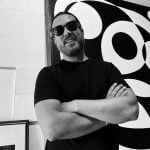

Over a decade ago, some of Matt Licari’s earliest published photographs appeared in our printed pages, back when he was living in Richmond. Since then, Licari has gone on to become a sought-after editorial photographer, shooting globally recognized actors, musicians, and public figures, while continuing to document people and places far from the spotlight.
What connects all of his work is restraint and attention. Whether the subject is famous or not, the photographs resist spectacle. The lighting is patient, the compositions are quiet.. A celebrity portrait and a street photograph are treated with the same seriousness, the same space to breathe.
As RVA Magazine marks 20 years, we caught up with Licari to talk about how he went from here to there, why assisting still matters, and why, for him, photography has always been about people first.
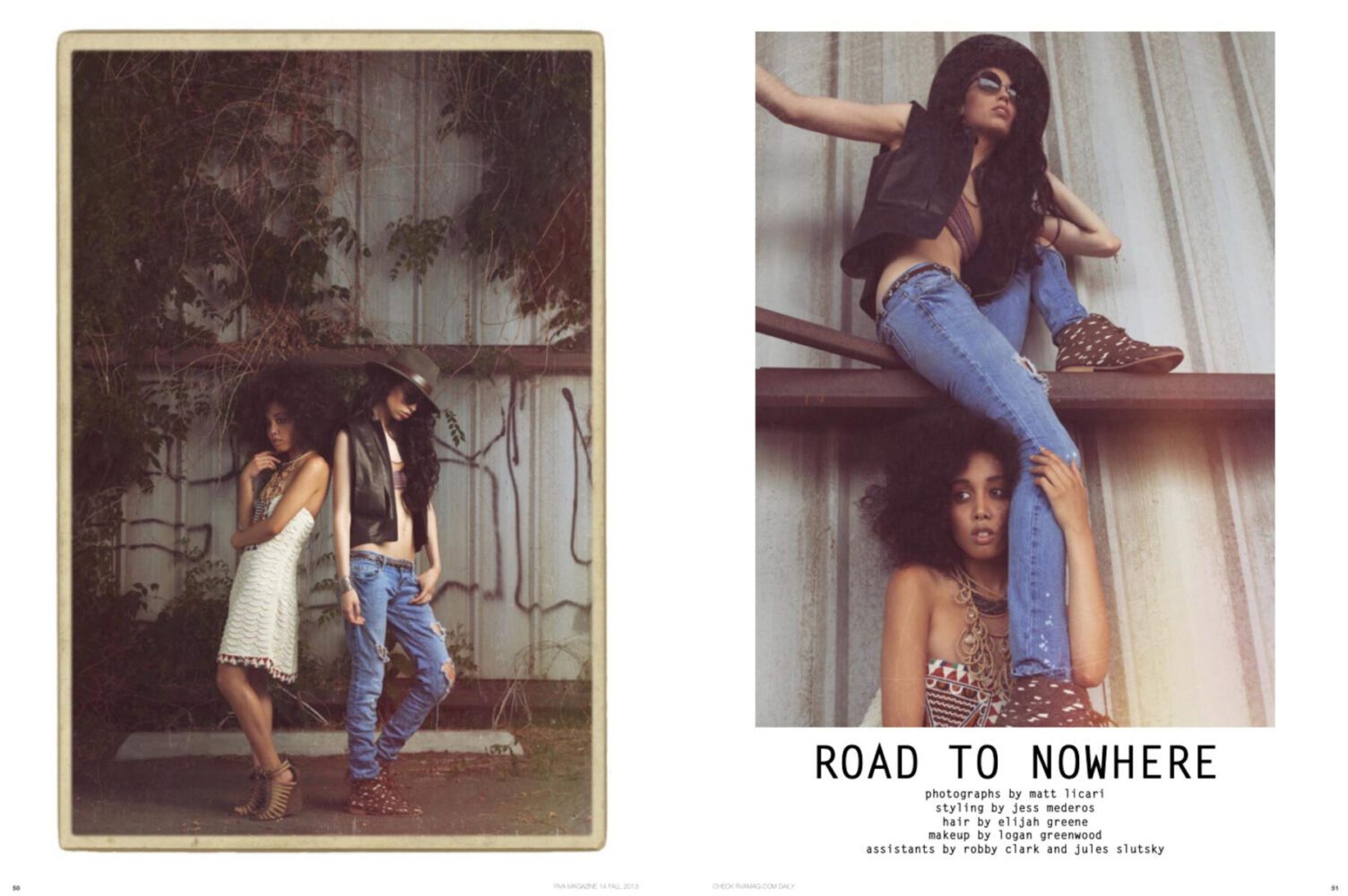
“I was driving back and forth from New York to Richmond, I want to say at least once, but upwards of three or four times a month,” Licari said. “I was pretty supremely exhausted, spending much of my life on I-95. I’d get a call while I was in Richmond and they’d say, ‘Hey, we have something for you, like, tomorrow. Are you around?’ And I’d just say yes. Then I would go overnight or something and sometimes show up the morning of the shoot and just shoot it.”
Sometimes it didn’t stop there.
“I might get a call that same night, ‘Hey, are you around in Richmond the next day?’ And I would say sure. So there was definitely a hustle,” he said. “I was like mid-20s at that point, so I had it in me. But I was definitely starting to feel it, especially physically, just being in the car so much.”
That stretch marked the end of his time living in Richmond, and the beginning of something bigger. He was committing to fashion and editorial photography in a serious way and realizing that talent alone is not enough.
“I was really committing to fashion at that point and trying to understand how to up my game,” Licari said. “I was kind of realizing that I needed to do certain things with the people that I worked with, meaning working with a certain caliber of hairstylists, makeup artists, clothing stylists, models, things like that.”
“So I started to expand my network in a way that I don’t think I realized I needed to do several years earlier.”
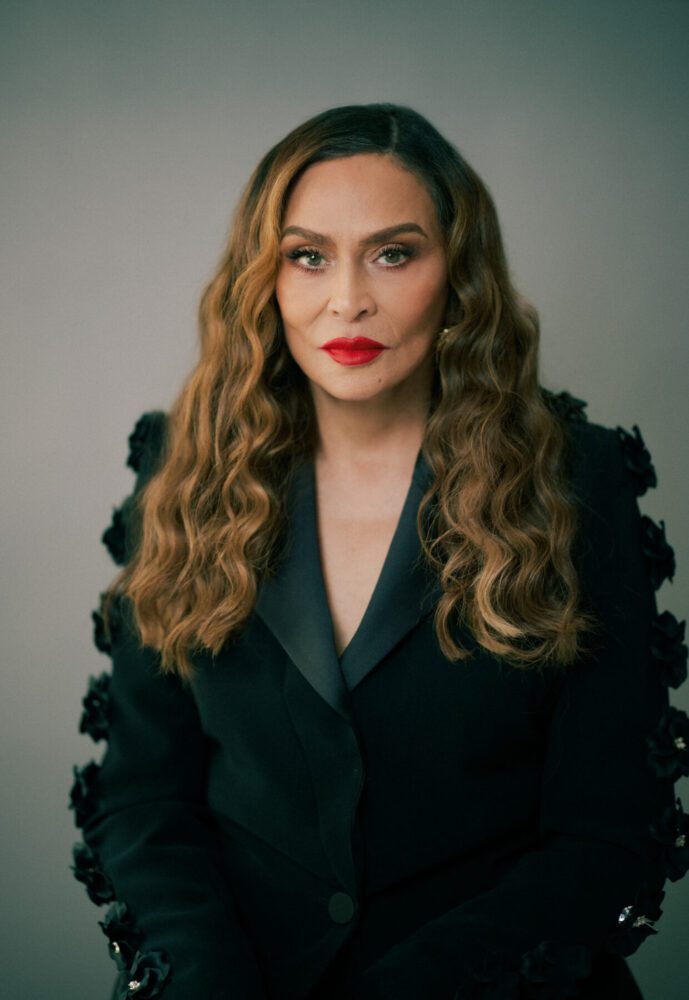
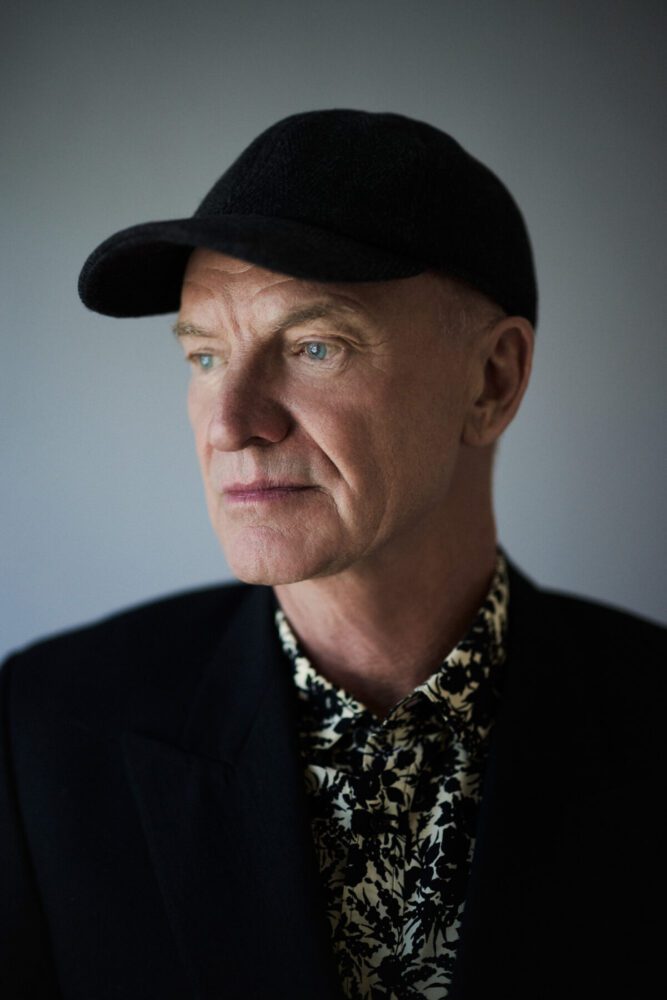
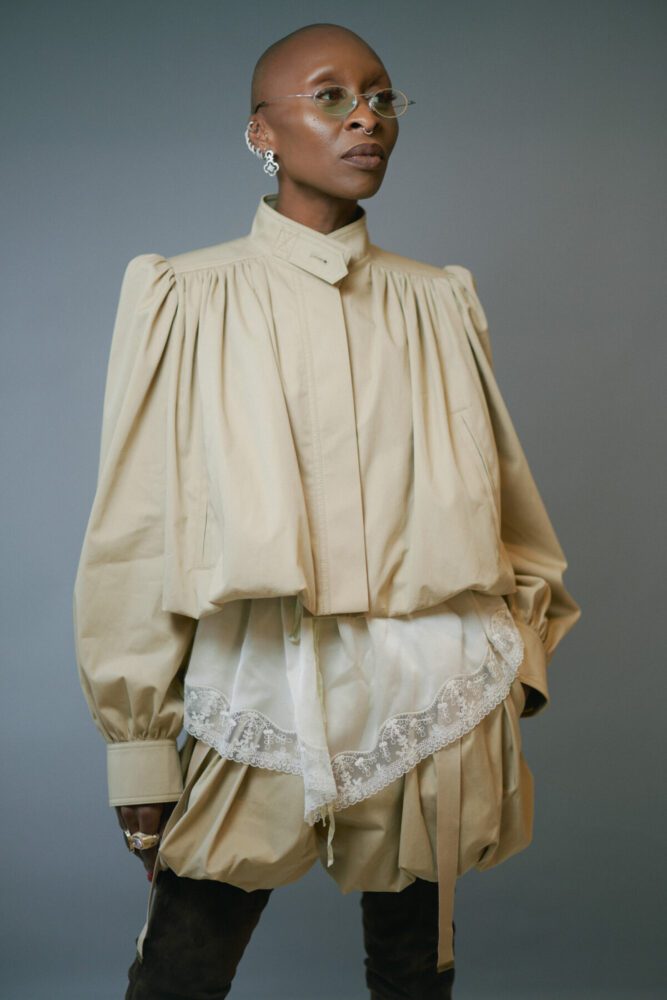
Tina Knowles and Sting, photos by Matt Licari
He started the way most photographers do, at the bottom, paying attention.
“Assisting does a lot of things,” he said. “It tells you what to do on set. It gives you a certain social etiquette. It gives you a certain hierarchical etiquette and understanding. It also tells you what not to do, in the sense that you may see photographers you’re assisting do things that don’t work out very well for them, whether it’s behavior or actual technique,” he said. “And that is so valuable, because you don’t have to repeat that mistake yourself with your own clients.”
“It’s kind of like a freebie lesson,” Licari added.
“And then the next thing it does is that it gets you really embedded in the industry,” he said. “You start knowing who’s out there doing stuff, you start having face time with editors and other assistants, and you can find your people.”
Then, around 2013, he left for New York.
“The night or two before I actually moved back, I got notice that one of my main clients went Chapter 11 bankrupt,” Licari said. “I had this moment where I was kind of like, spiritually, ‘Oh no, did I make the wrong choice moving back to New York?’”
“And the rent was like, not Richmond rent anymore,” he added.
“It was really hot and cold,” Licari said. “That’s how my career has always been. It’s never just been easy, but it’s never always been hard either. It’s always kind of an up and down.”
“When I got back, it wasn’t a totally fresh market,” he said. “I grew up in New York. I have tons of friends here. I’m a very social person. I tend not to burn bridges. But I did notice that there was some sweat equity I had to put in before I was just totally getting any jobs at all.”
“The limitations of working in Richmond are that the chances that, if somebody begins to excel greatly, for them to stay in Richmond are slimmer,” Licari said. “There’s often the impetus to then go to a larger market, so what that gives you is you often have to chase the talent from another place. Whether it’s the best models or the best stylists or whatever,” he said. “The flip side of that is that you can grab people on the come-up, and that’s pretty cool.”
“That’s probably one of the larger limitations,” Licari said. “You can get really cool stuff in Richmond, but it might not be certain kinds of name brands that you would only be able to access in really like five or six cities in the world.”
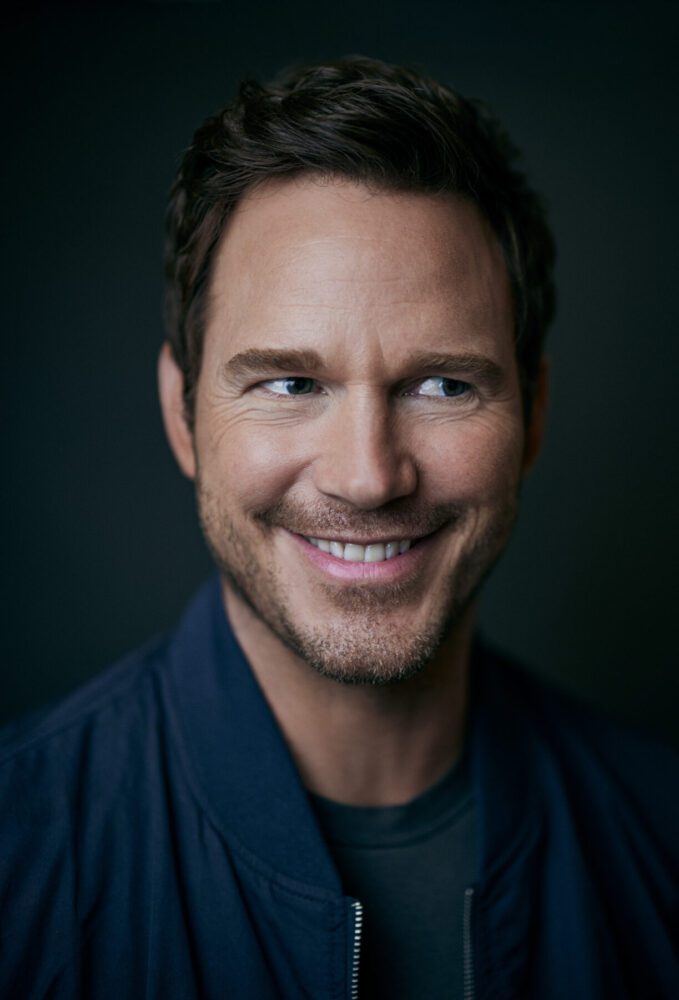
“My first celebrity shoots were definitely Richmond,” Licari said. “I’m pretty sure it was Richmond.”
“I think one of them would have been for Virginia Living,” he said. “I was up in New York for that weekend, and they were like, ‘Hey, I know you’re a Richmonder that goes to New York. There’s this guy from Richmond, and he’s in a Broadway play. Can you shoot him?’”
“That was one of the first,” Licari said. “And then there was another one that was a comedian who was starting to make it bigger, that was also Richmond. Sarah Schaffer was the comedian.
“With these shoots, there’s always like a slight amount of, I don’t want to say nerve,” Licari said. “Maybe anticipation is probably the best word.”

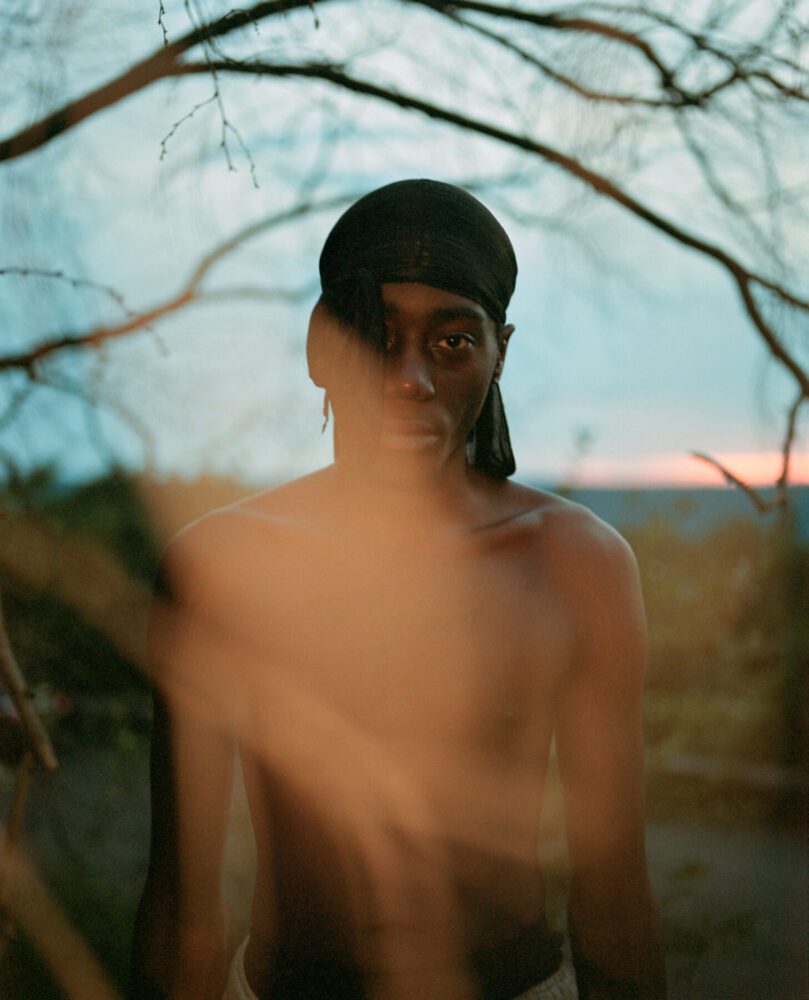
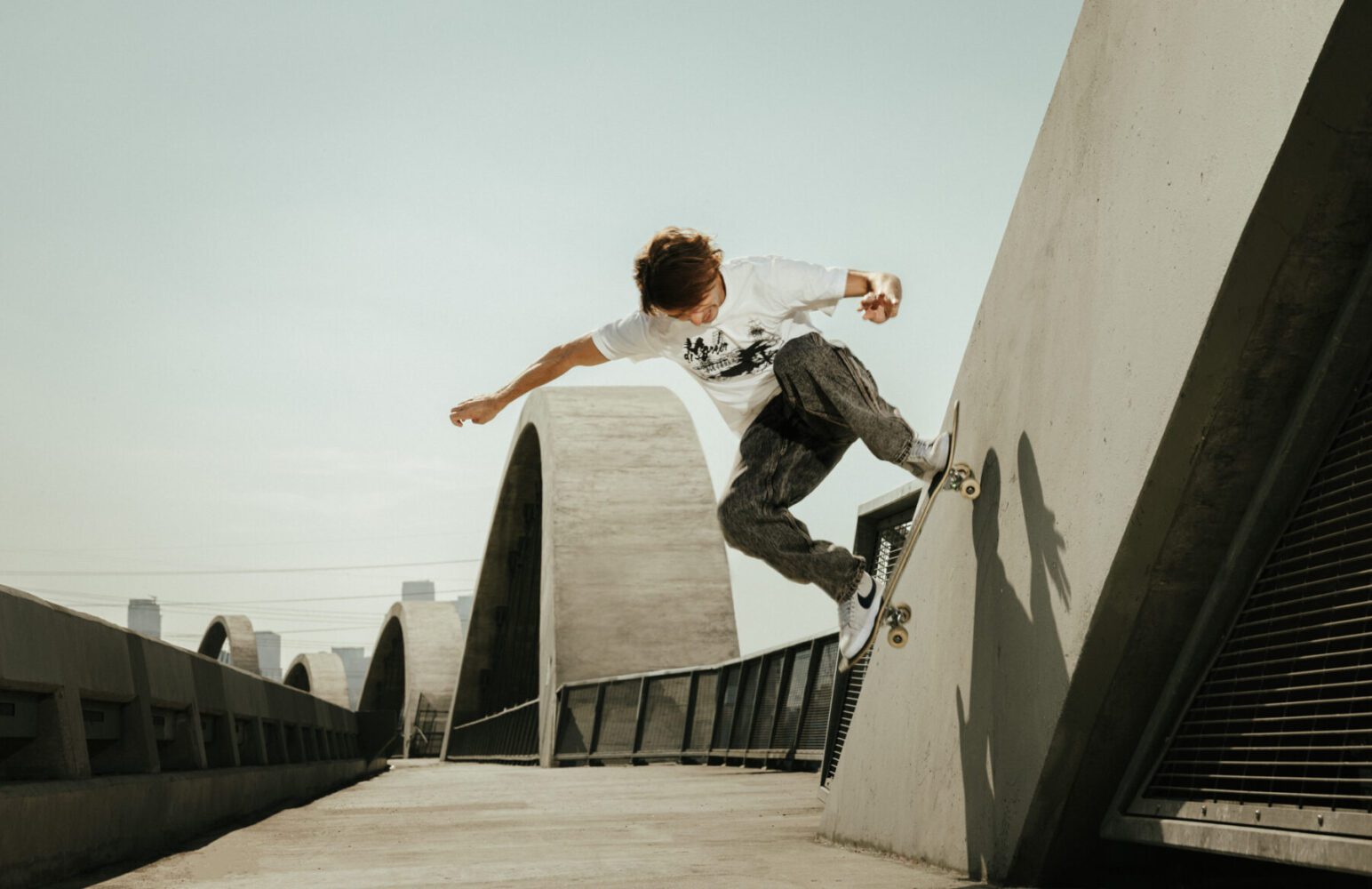
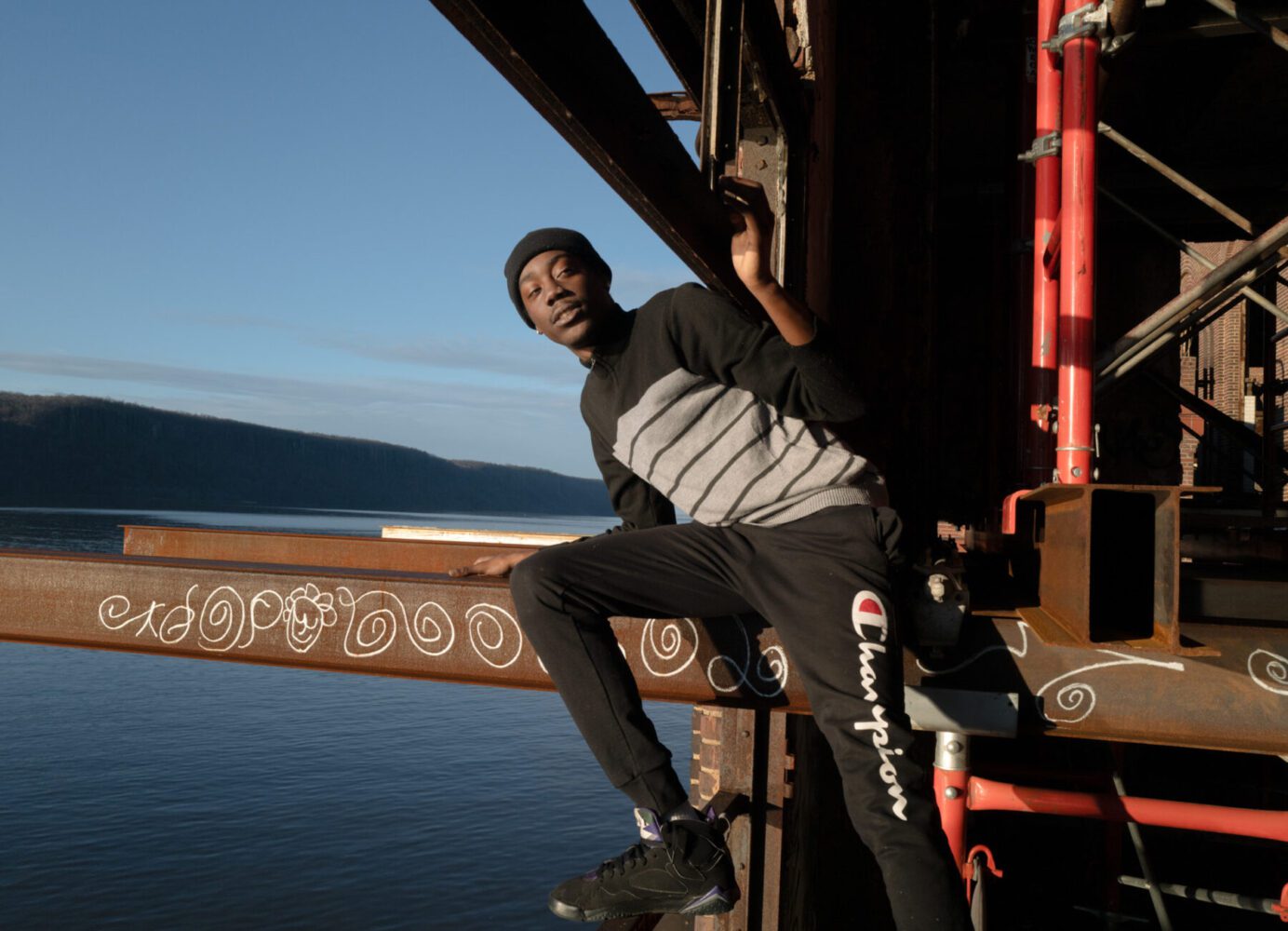
Photos by Matt Licari
“I have a book coming out in April,” Licari said, “that is a collection of photographs on Yonkers, New York.In that body of work, I was looking at how the landscape and the people sort of spoke to one another,” he said. “How they both endured one another, but also sort of complemented one another. And also just like what it’s like to be alive in Yonkers during those years,” Licari said.
“I work very much in series,” he said.
“For that body of work, and really for my personal work in general, the catchall would be just the human condition,” Licari said. “I’m really interested in specific human beings and their multidimensionality.”
When it comes to how often he shoots personal work, he says it comes in cycles.
“Yes and no,” Licari said. “I do spurts.”
“There are days and months and even years where I’m bringing a camera absolutely everywhere,” he said. “As I’ve gotten a little older, I’ve been more on and off with that. “I’ve started to write and make songs and music and other things,” Licari said. “So there are months where I’m only shooting for work, but I’m writing a lot or making a lot of music. And then I’ll have enough time to be away from the personal photography to want to go back to it, then you can’t take the camera out of my hand.”
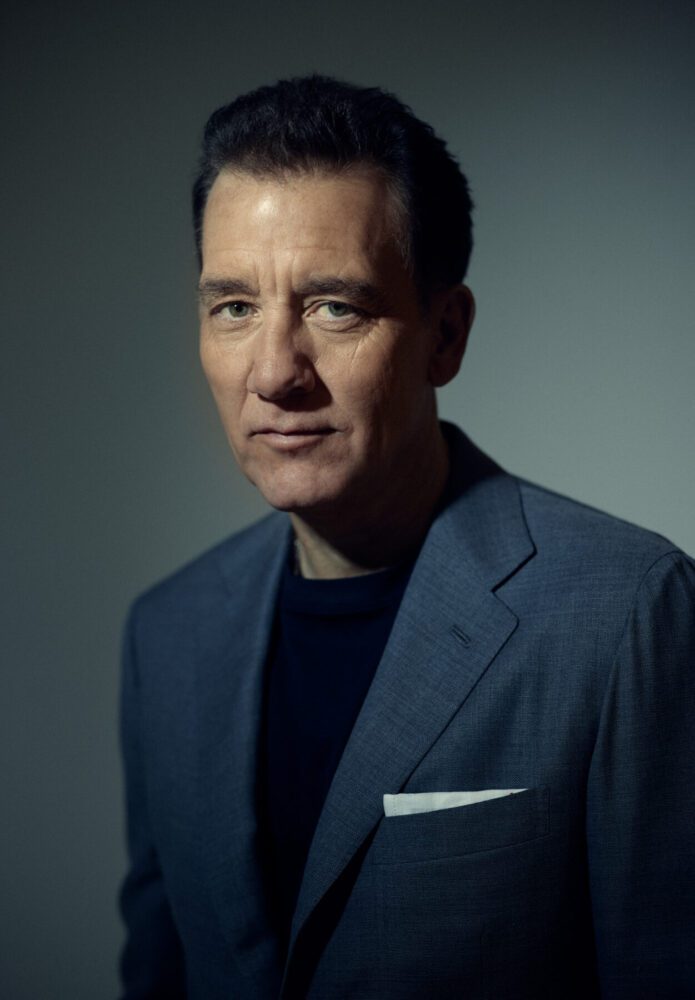
When asked about the state of the profession, he gave the following.
“It’s who you know, the quality of your work, and your personality. Personality is a big part of it,” Licari said. “Just like, don’t be an asshole. Do not be cocky. Do not think you have it going on. Anytime I’ve ever slipped into any hubris, even if it wasn’t apparent in my personality, but even if it was just in my head, it’s hurt me. Don’t be above any kind of learning opportunity, and at the same time make personal work,” he said, “that’s a big one.”
“And have a vision,” Licari said. “Have a distinctive voice.”
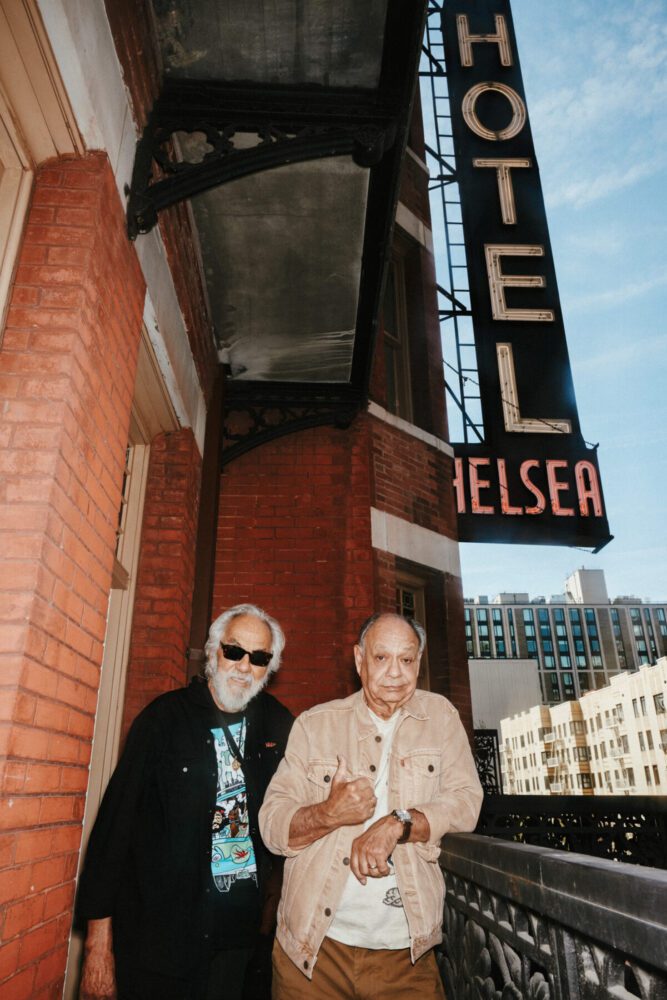
When it comes to how people respond to his work, Licari says he can only reflect what he’s heard.
“One of the things that people have consistently told me is that the work was sensitive,” he said. “Sensitive and raw. Those are probably two of the words that I hear the most about my work. And I would say that’s not untrue,” he said.
“I try to avoid giving people a rubric through which to engage with the work,” Licari said. “Once you make the picture or the song or the poem, it belongs to the world. And if you put it out there, that’s how that goes.
“It’s like, on to the next,” Licari said. “Who was it? Chuck Close? He said perfection is for amateurs. The rest of us just get back to work.”
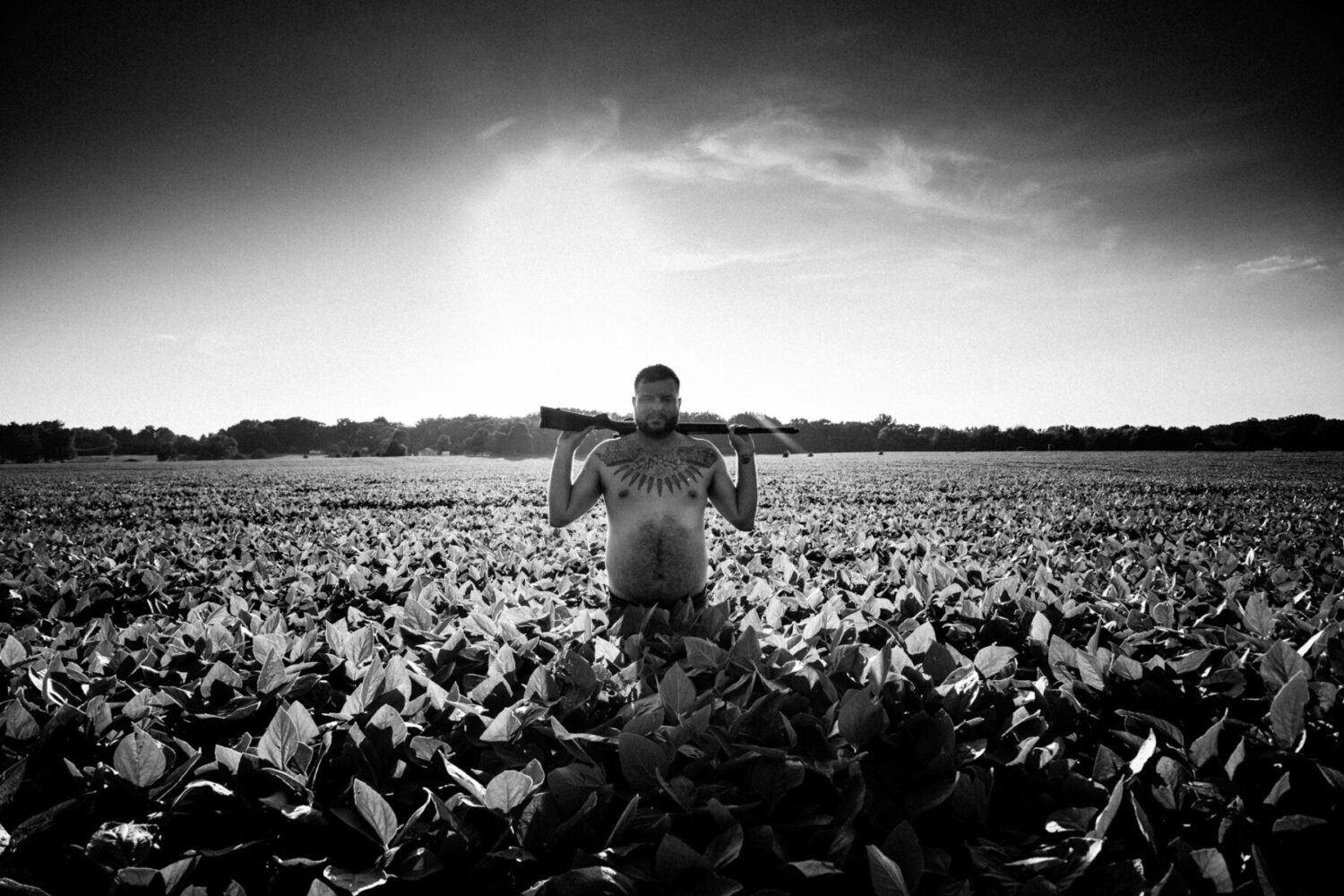
Looking back, Richmond remains foundational.
“I’ll never forget my Richmond beginnings,” Licari said. “Richmond definitely holds a spot in my heart.”
Main photo of Ethan Hawke
Support RVA Magazine. Support Independent Media in Richmond.
At a time when media ownership is increasingly concentrated among corporations and the wealthy, RVA Magazine has remained one of Richmond’s few independent voices. Since 2005, the magazine has provided grassroots coverage of the city’s artists, musicians, and communities, documenting the culture that defines Richmond beyond the headlines.
But we can’t do this without you. A small donation, even as little as $2, one-time or recurring, helps us continue to produce honest, local coverage free from outside interference. Every dollar makes a difference. Your support keeps us going and keeps RVA’s creative spirit alive. Thank you for standing with independent media. DONATE HERE.
We’ve got merch HERE
Subscribe to the Substack HERE
And Reddit HERE
And YouTube HERE