
Governor Abigail Spanberger has said she wants to protect Virginians from harmful federal overreach. If that is true, this is a moment to prove it.
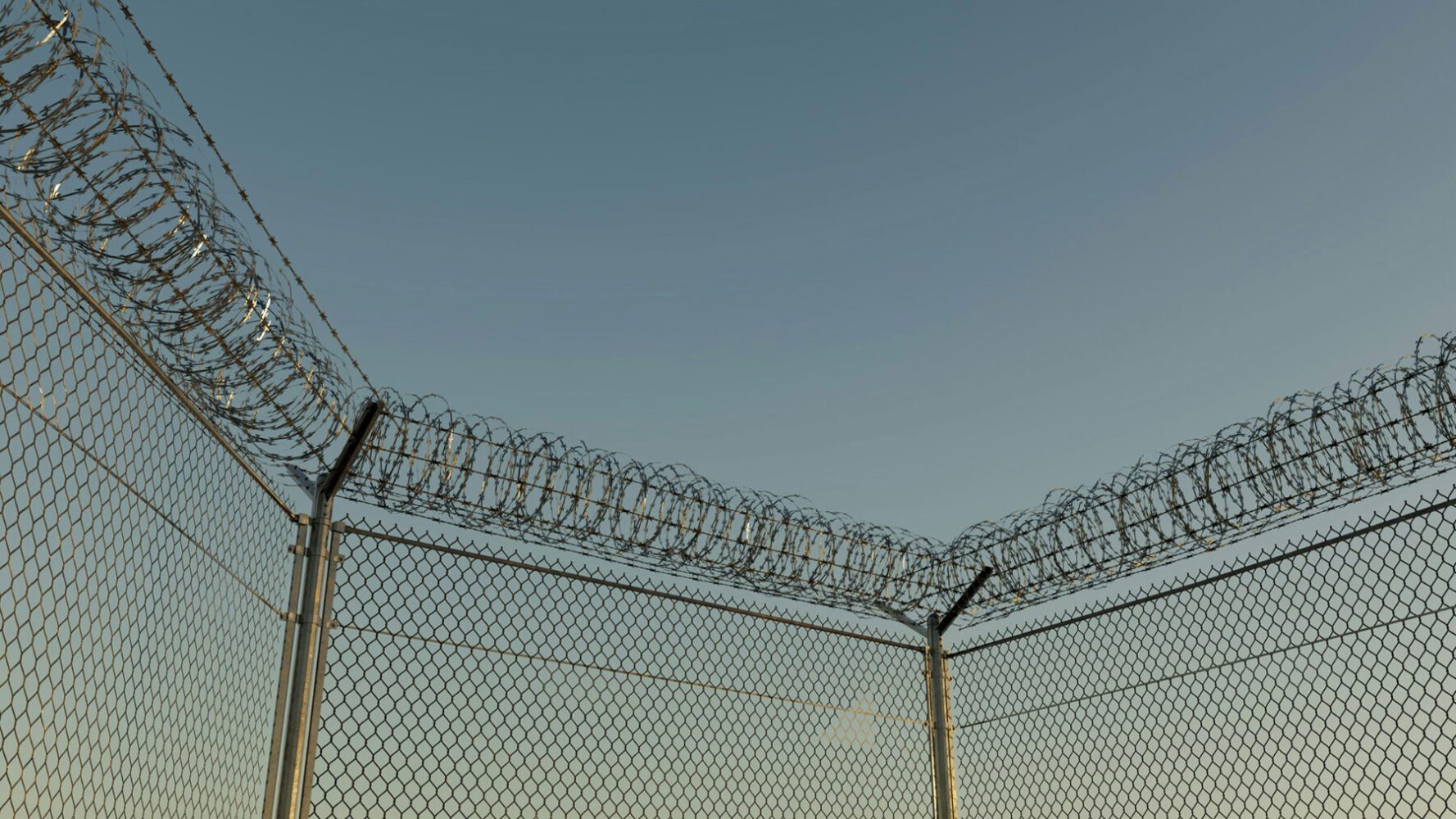
This week, Hanover County confirmed that U.S. Immigration and Customs Enforcement intends to purchase a 500,000-square-foot warehouse near Ashland and convert it into an immigration detention facility. The site sits just off I-95, less than 30 minutes from Richmond, and would represent a major expansion of federal detention infrastructure in Central Virginia.
This is not hypothetical. DHS has already notified local officials and given 30 days to respond. The only thing not finalized is whether Virginia allows it to happen.
You do not need another long explanation of how ICE operates. That record already exists. There have been repeated reports across the region of ICE arrests happening at the edges of daily life, outside courthouses, during routine check-ins, through coordinated enforcement actions that pull people out of their communities with little notice.
And right now, the Commonwealth still has leverage.
The sale has not closed. The site has not been converted. Zoning, permitting, infrastructure approvals, and regulatory oversight all remain in play. Virginia can intervene, delay, or block this project through existing state authority. More decisively, the state could purchase the site itself, taking it off the table entirely and determining a use that actually serves Virginians instead of feeding the federal detention pipeline.
Once a detention facility is embedded, history shows what follows. Expansion happens quietly, oversight weakens. Local officials later claim their hands are tied. By the time conditions or abuses surface publicly, the infrastructure is already locked in and politically difficult to unwind.
Spanberger ran on restoring trust in government and pushing back against federal overreach when it harms communities. Those commitments are now being tested in a clear, early, and avoidable way. Allowing a half-million-square-foot detention complex to appear just north of Richmond without resistance would signal that those promises are not being kept.
Blocking this sale, or having the Commonwealth purchase the site, would send an unmistakable message: Virginia is not a passive staging ground for federal detention expansion. It would also give local governments and affected communities something they are rarely afforded in these moments, a say before the damage is done.
If Virginia is going to draw a line, it should happen here.
Main photo by Phạm Nhật
Support RVA Magazine. Support Independent Media in Richmond.
At a time when media ownership is increasingly concentrated among corporations and the wealthy, RVA Magazine has remained one of Richmond’s few independent voices. Since 2005, the magazine has provided grassroots coverage of the city’s artists, musicians, and communities, documenting the culture that defines Richmond beyond the headlines.
But we can’t do this without you. A small donation, even as little as $2, one-time or recurring, helps us continue to produce honest, local coverage free from outside interference. Every dollar makes a difference. Your support keeps us going and keeps RVA’s creative spirit alive. Thank you for standing with independent media. DONATE HERE.
We’ve gotmerch HERE
Subscribe to the Substack HERE
And Reddit HERE
And YouTube HERE