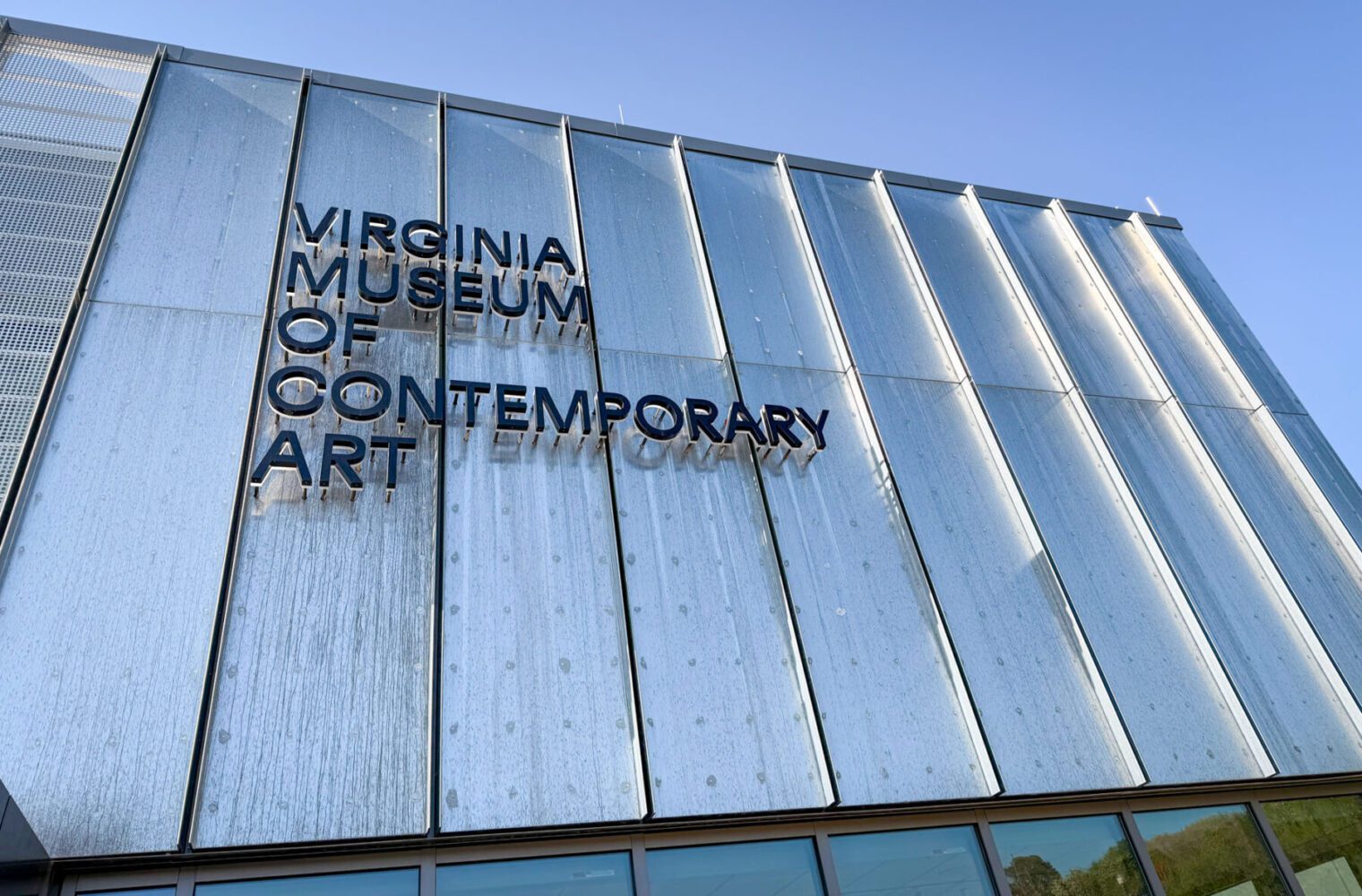
Before the Institute for Contemporary Art at VCU was even around, and before the Virginia Museum of Fine Arts really began to embrace contemporary work, especially anything connected to street art or artists working in the present, Virginia Museum of Contemporary Art was already doing that work. It was one of the few institutions in the state consistently engaging with the kind of ideas showing up outside of traditional museum spaces.
So when the invitation came through for the ribbon cutting at their new space, I was glad to make the trip.
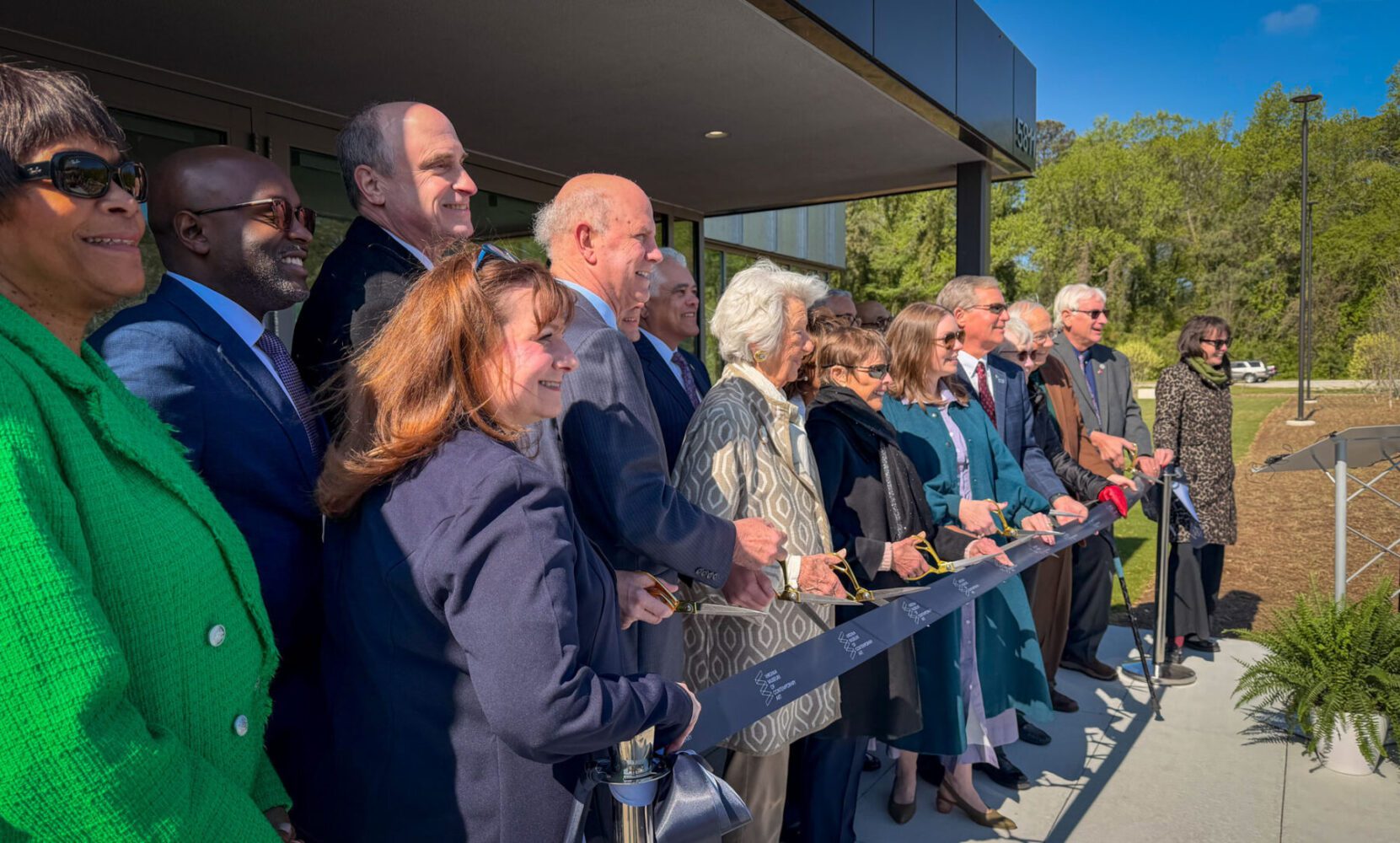
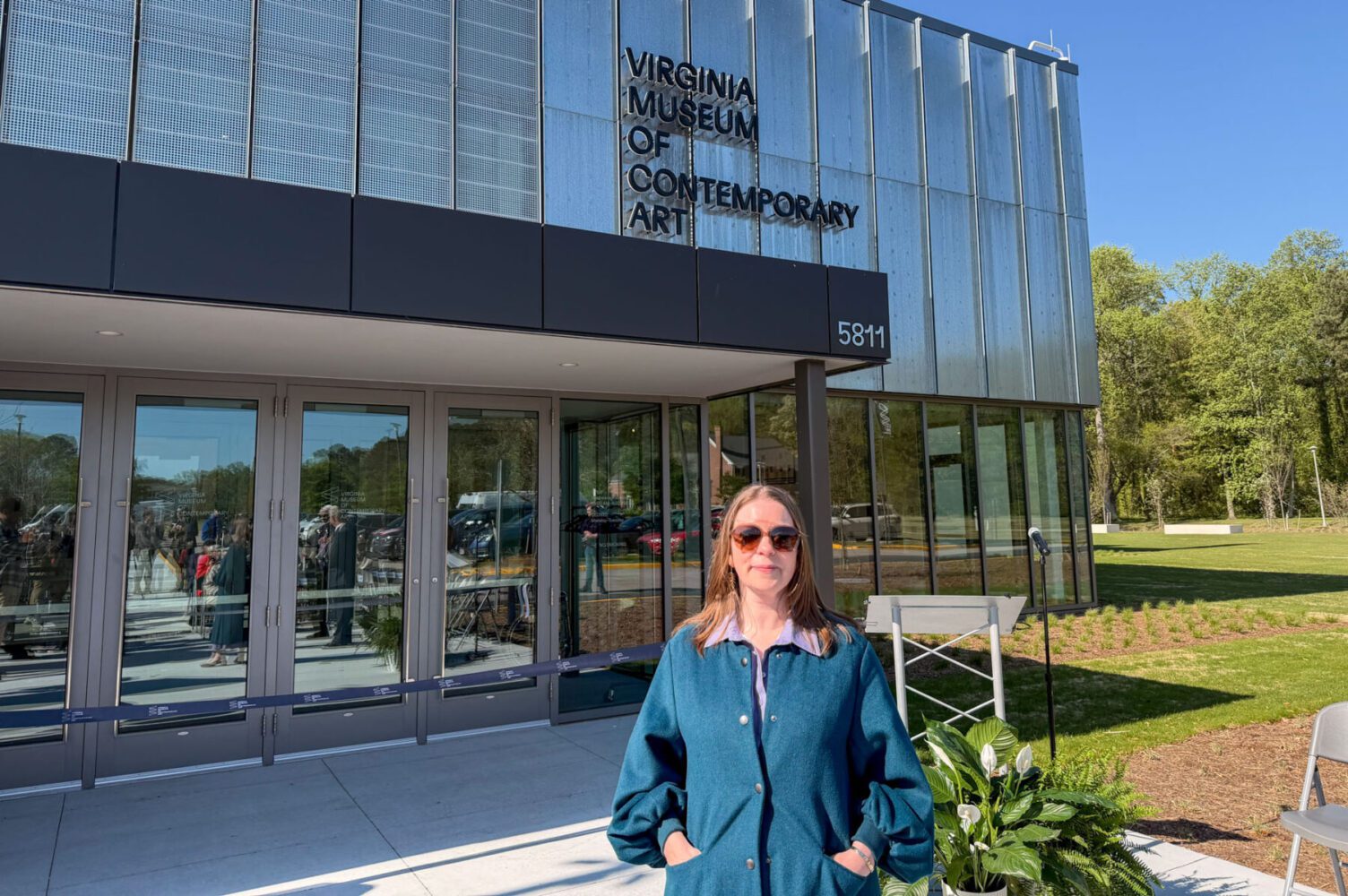
It had been a while, and I was curious what that next version of Virginia MOCA would actually look like. The new building, located on the campus of Virginia Wesleyan University, answers that pretty quickly. The space opens up in a way that feels expansive, almost like an airplane hangar, but not in a cold or distant way. It is flexible, clearly designed for more than just exhibitions, and built with the idea that people are going to spend time there, not just pass through.
More importantly, the programming out of the gate feels intentional. The opening exhibitions, Nina Chanel Abney: The Pursuit of Happiness and Seamless: Art and Design, do more than fill the space. They establish a direction.
As Executive Director Alison Byrne framed it during the opening, the museum is meant to be “a place for connection, for curiosity, for learning… somewhere you can come as you are and find something that speaks to you.”
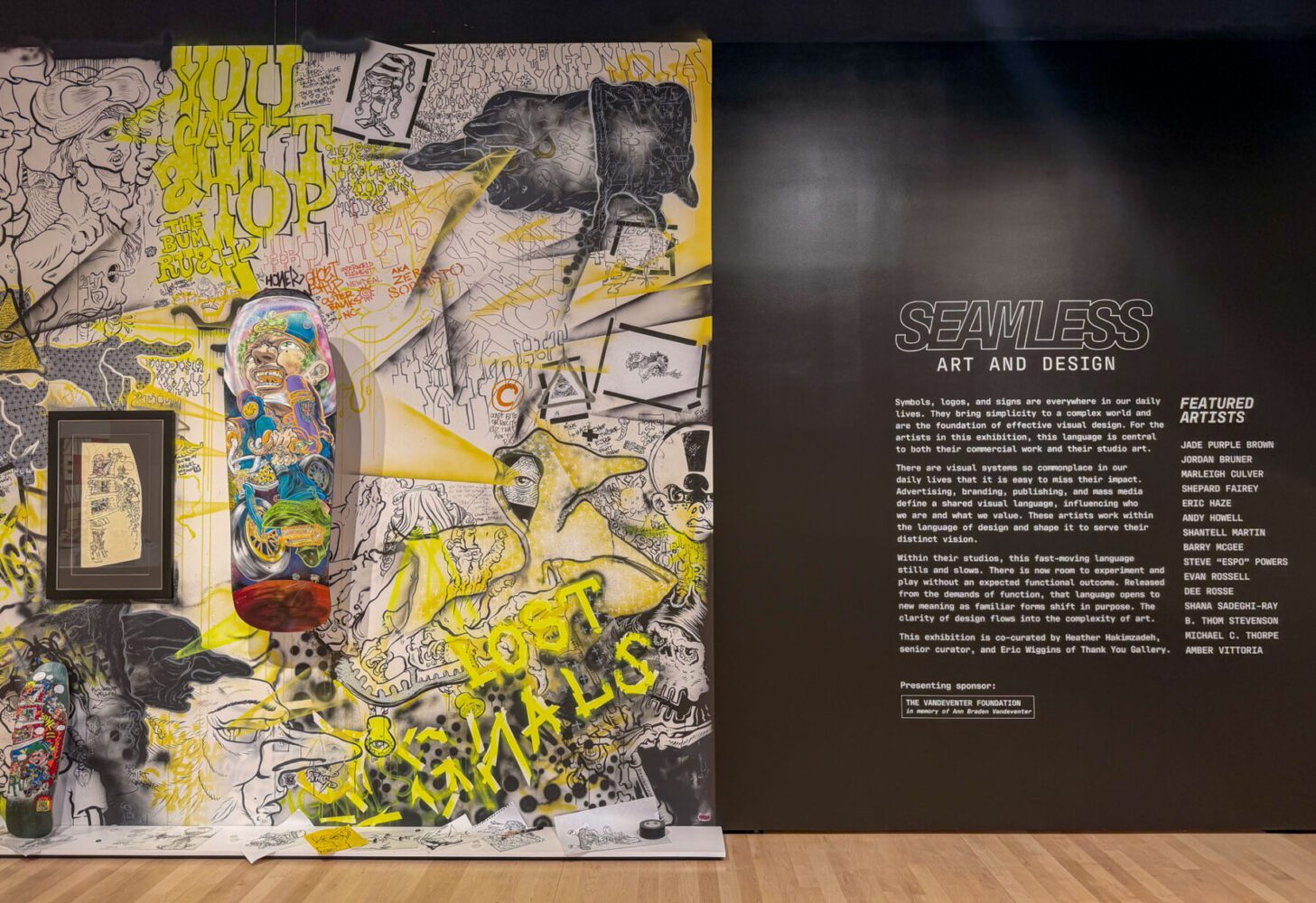
I got there early to spend some time with the work before things filled up, and walking through Seamless: Art and Design, you start to understand what they’re aiming at with this new space.
The show is built around something we all move through without really thinking about, the visual language of everyday life. Logos, symbols, signage, patterns, the kind of design that quietly shapes how we understand the world. What Seamless does is pull that language out of its usual context and give it room to breathe.
Once you see it framed that way, the mix of artists starts to make more sense. There’s a broad range of work in the show, but a few pieces stood out right away.
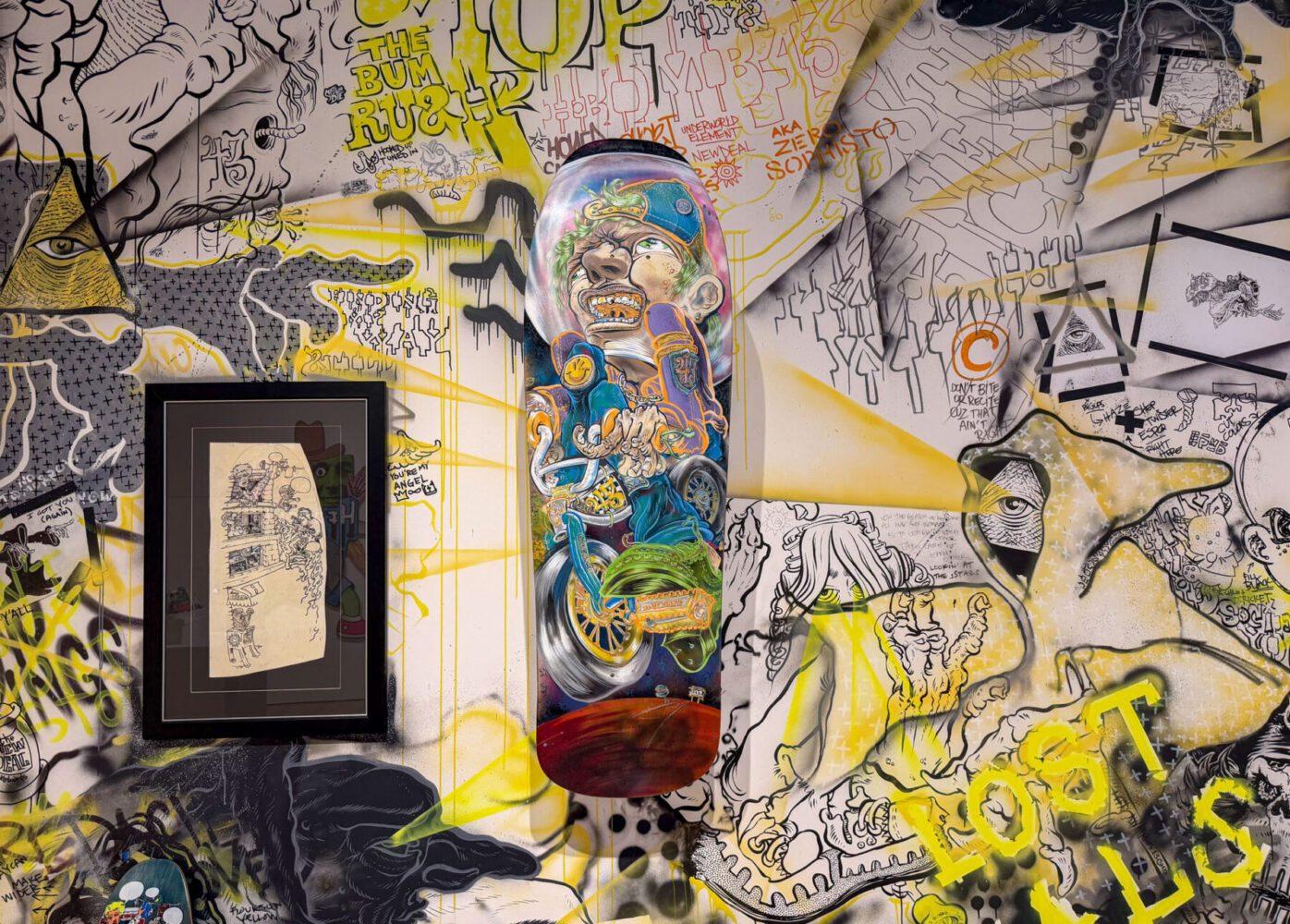
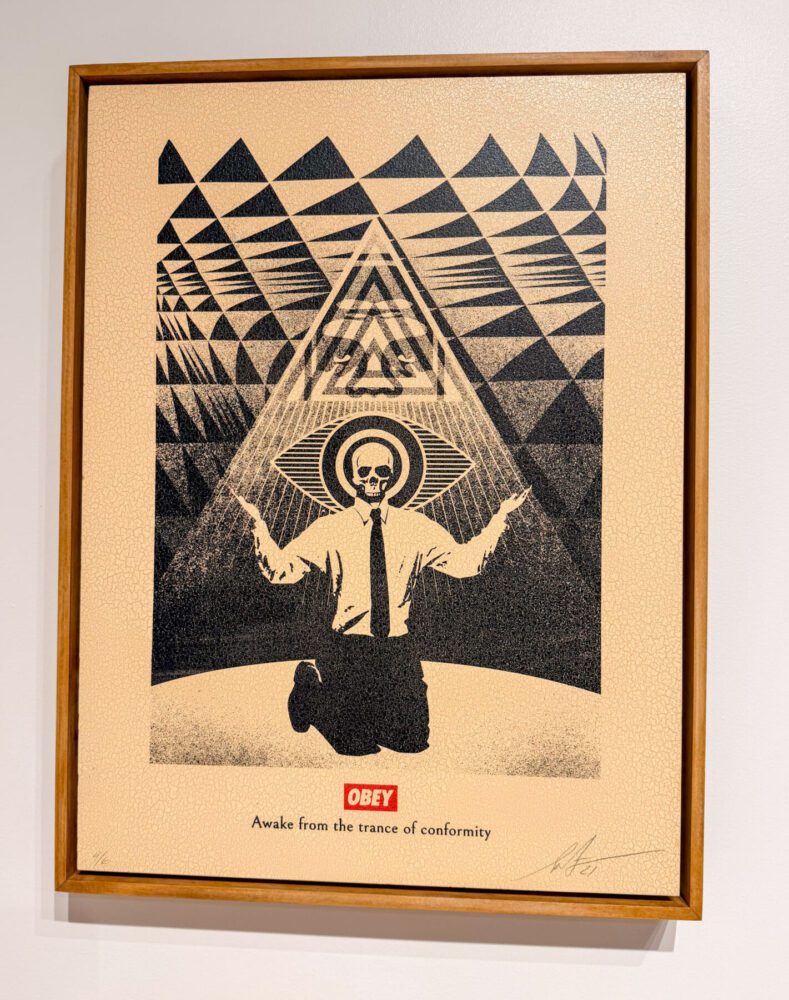
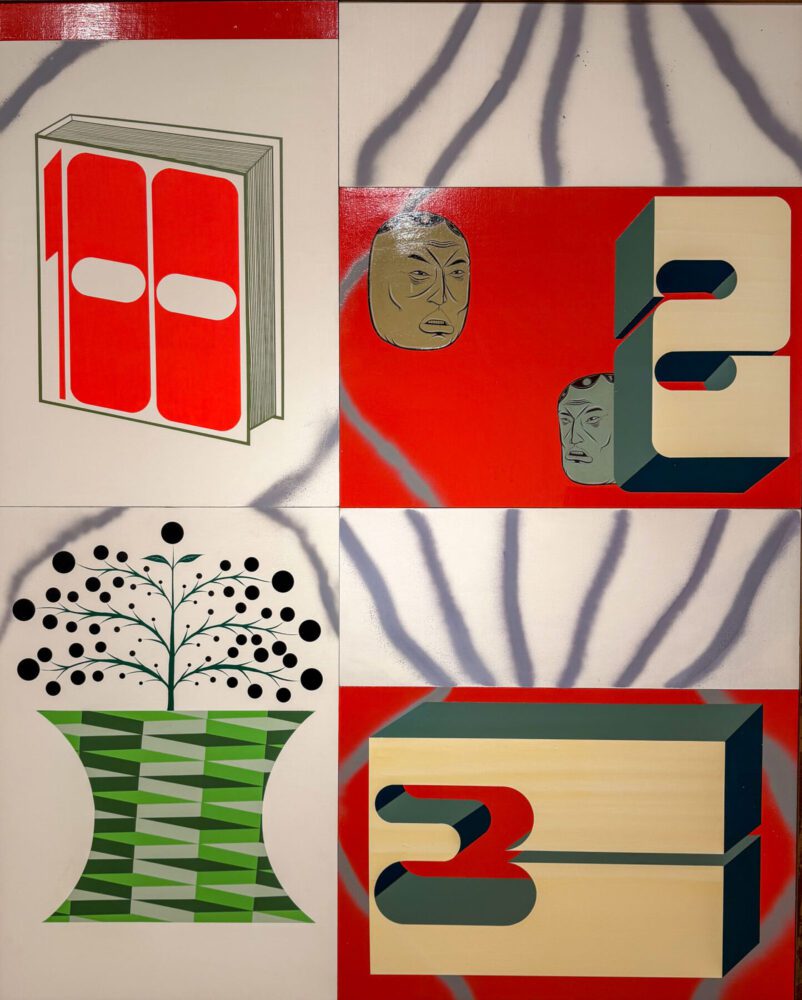
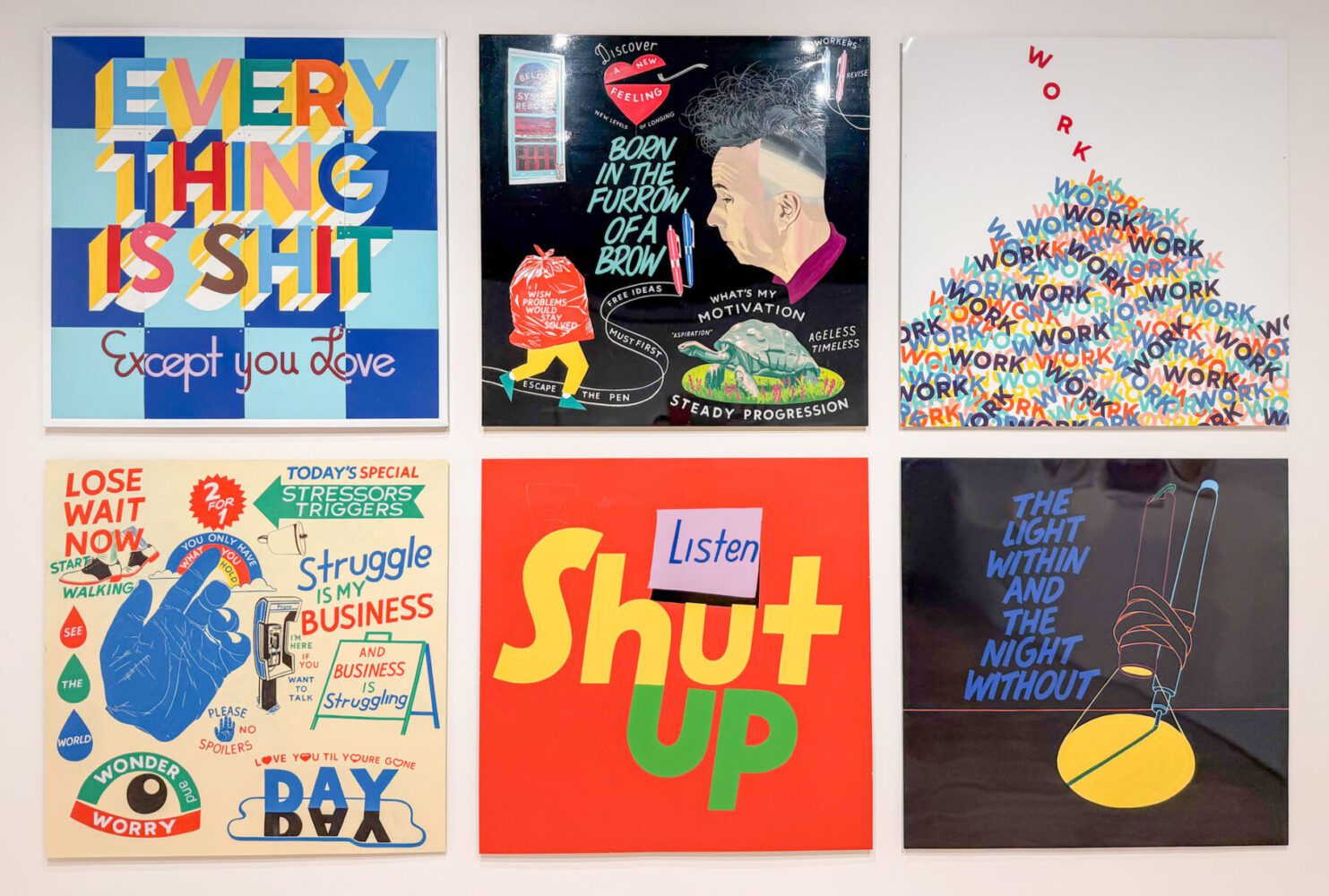
You’ve got the graphic directness and political edge of Shepard ‘OBEY’ Fairey, the text-driven, sign-painter approach of Stephen ‘ESPO’ Powers, where the language of advertising gets turned into something more human and the layered, system-driven compositions of Barry ‘TWIST’ McGee. Then there’s the presence of Virginia skate culture through Andy Howell, whose installation opens the exhibition and feels less like a single work and more like stepping into a skate spot, a collage of drawings, boards, and wall work that sits right between design, identity, and lived experience.
There’s also a strong local Richmond thread running through the show, including an animated triptych by Jordan Bruner, co- founder of Richmond Animation Festival, which holds its own in the mix and reinforces that this isn’t just a national conversation being dropped into the space. It’s something being built from within it as well.
Taken altogether with the other outstanding pieces, Seamless feels like a statement about where art and design are meeting right now, and why that matters beyond the gallery.
Featured artists:
Jade Purple Brown, Jordan Bruner, Marleigh Culver, Shepard Fairey, Eric Haze, Andy Howell, Shantell Martin, Barry McGee, Steve "ESPO" Powers, Evan Rossell, Dee Rosse, Shana Sadeghi-Ray, B. Thom Stevenson, Michael C. Thorpe, Amber Vittoria
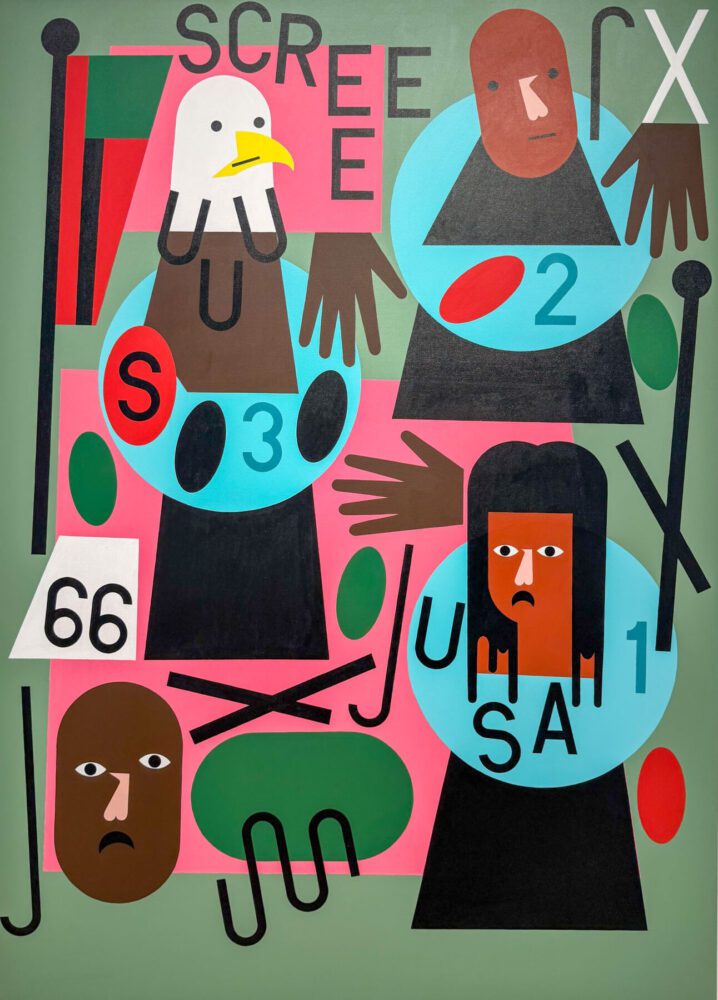
Moving into The Pursuit of Happiness, Nina Chanel Abney pushes that even further.
Standing in front of Heads of State, you start to understand how her work operates.
At first glance, it reads almost simply. Bright colors, flattened figures, hands, faces, symbols scattered across the canvas. It pulls you in the way a picture book might but the longer you stand there, the more it starts to shift. Your eye keeps moving, trying to connect things that don’t immediately resolve.
The wall text talks about that sense of movement and instability, and you feel it. Nothing quite settles and the composition keeps you slightly off balance, moving between recognition and confusion. It starts to feel less like a single image and more like a set of ideas happening all at once.
Across the exhibition, that same language carries through.
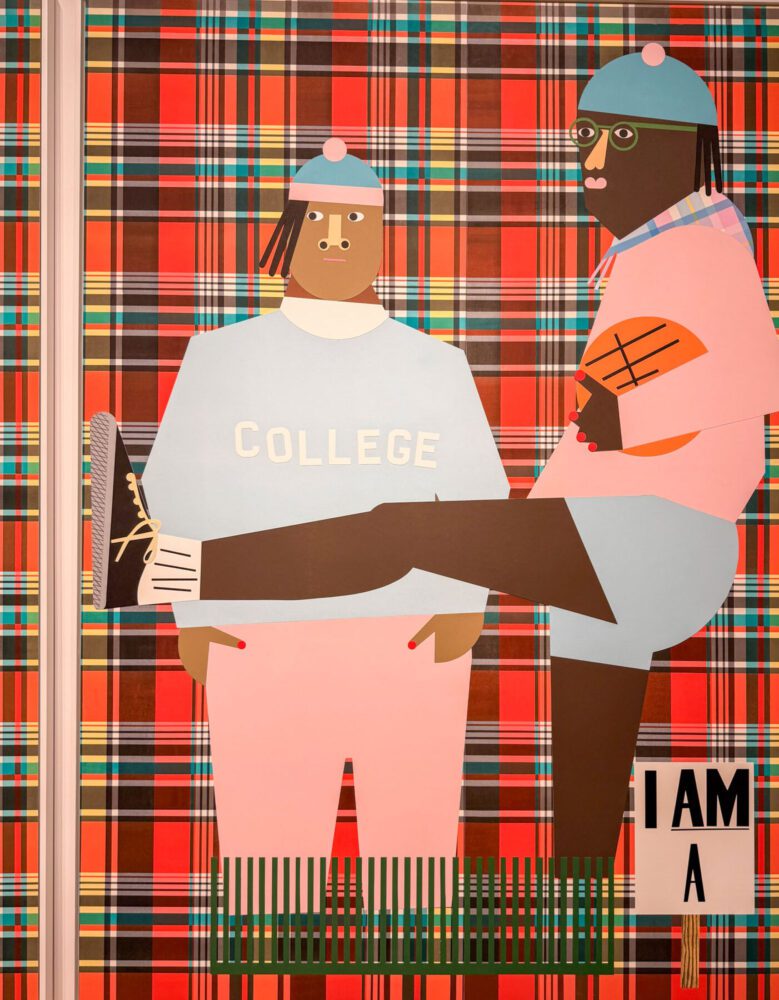
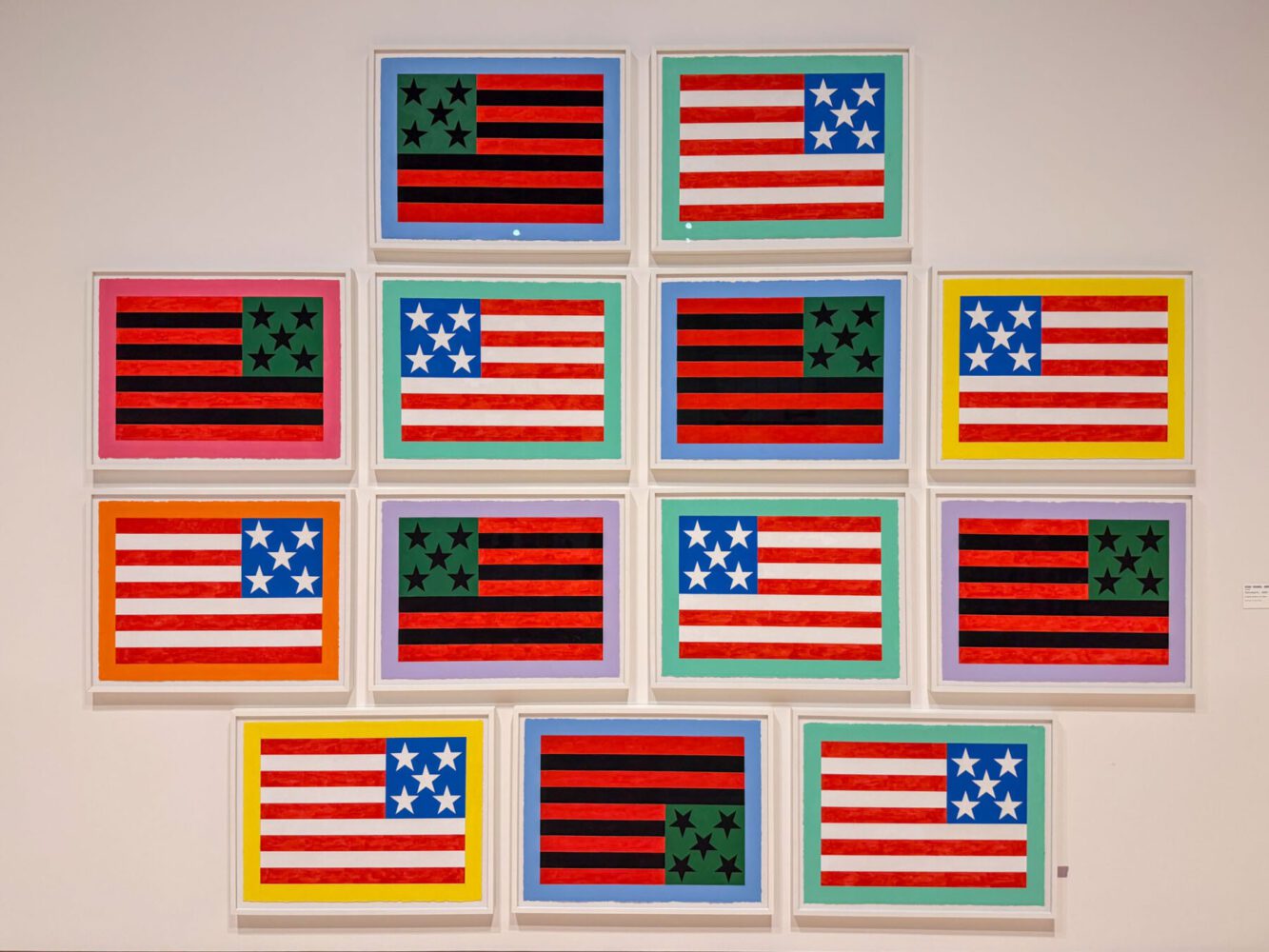
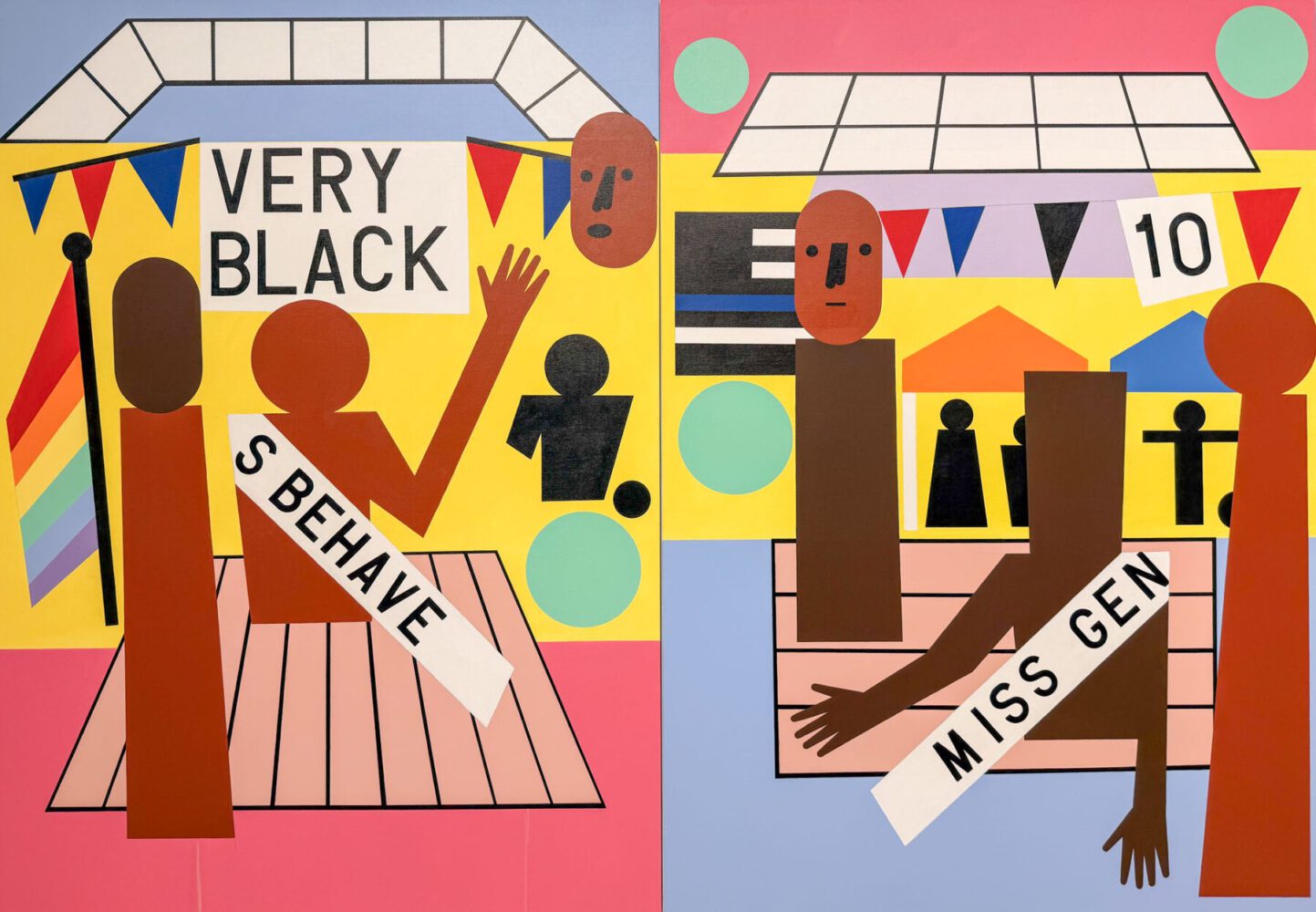
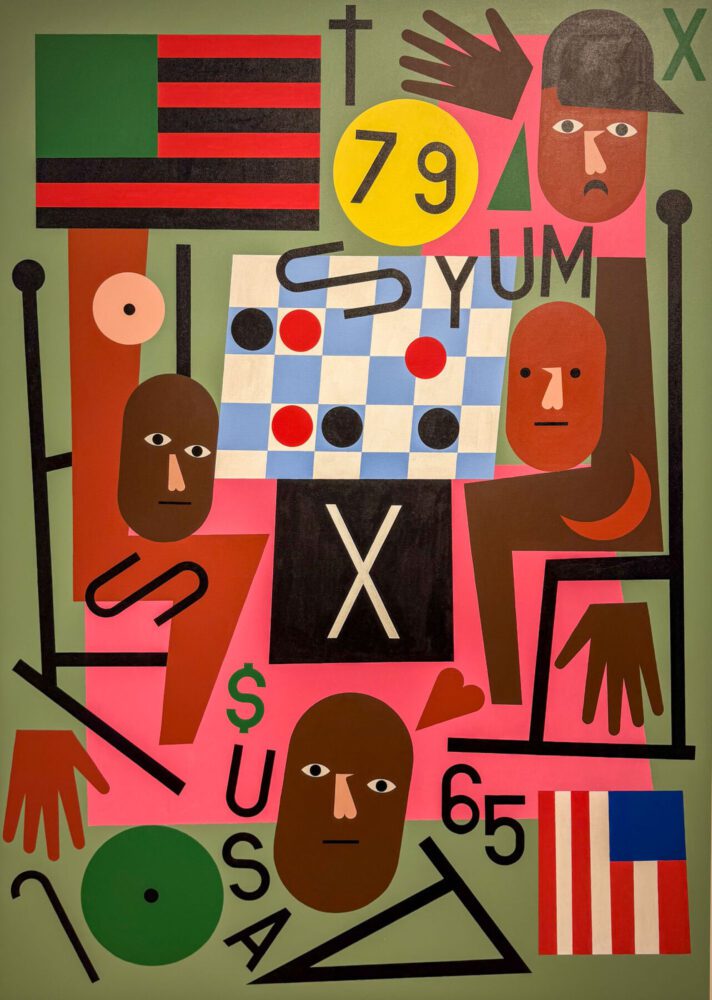
Her work moves between everyday moments of Black contemporary life and something more internal, almost coded. The compositions are built through fragmented symbols and bold, graphic forms that can read simply at first, almost like a picture book, but the longer you sit with them the more they open up. There is a tension between brightness and weight, between humor and something more direct.
I found myself spending more time than expected with a few of the pieces, trying to follow the threads. Works like Heads of State and Moves in Silence stand out immediately, but even beyond those, there is a rhythm to the exhibition that rewards a slower look.
It is the kind of show that makes you want to come back to it, and hopefully spend some time in conversation with Abney down the line, because there is a lot there that does not fully reveal itself on a first pass.
What Virginia MOCA is doing here feels important, especially in a place like Virginia Beach. This is a region that has shaped culture in its own way, from Pharrell Williams to Timbaland to Clipse, alongside a long-standing skate scene. At the same time, there has always been a gap when it comes to everyday access to contemporary art and understanding why it matters in the moment.
This new space starts to address that.
Virginia MOCA has been part of that conversation for a long time, and this reopening feels less like a return and more like a continuation with a larger platform. With more room, a stronger connection to the university, and a clear commitment to bringing in national and international voices, it feels like they are positioning themselves to be more present in the cultural landscape than they have been in recent years.
They are open now, and it is worth the trip, especially if you are interested in seeing where that conversation is going next.
Support RVA Magazine. Support Independent Media in Richmond.
At a time when media ownership is increasingly concentrated among corporations and the wealthy, RVA Magazine has remained one of Richmond’s few independent voices. Since 2005, the magazine has provided grassroots coverage of the city’s artists, musicians, and communities, documenting the culture that defines Richmond beyond the headlines.
But we can’t do this without you. A small donation, even as little as $2, one-time or recurring, helps us continue to produce honest, local coverage free from outside interference. Every dollar makes a difference. Your support keeps us going and keeps RVA’s creative spirit alive. Thank you for standing with independent media. DONATE HERE.
We’ve got merch HERE
Subscribe to the Substack HERE
And Reddit HERE
And YouTube HERE