
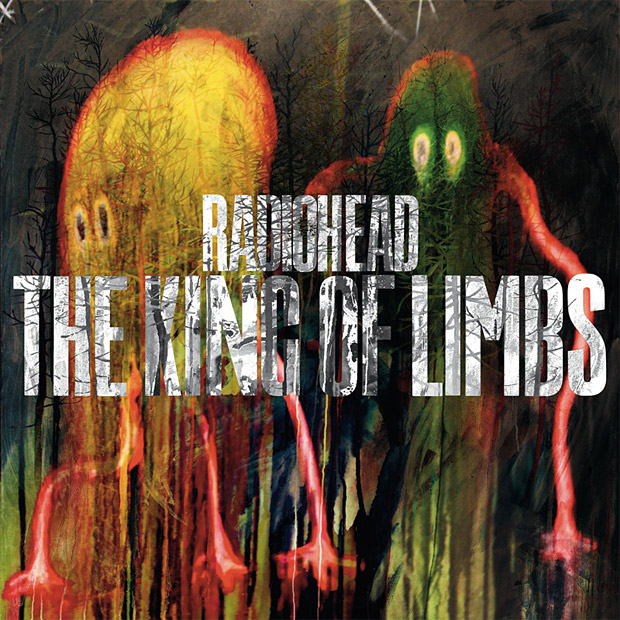
Radiohead – The King Of Limbs (self-released)
I wonder if there is a correlation between a band’s ability to produce consistently good work and their ability to break musical conventions. After establishing a “pay what you will” system for their previous release, In Rainbows, Radiohead delivers fans The King of Limbs, announcing the album one week before its release date. Although it is uncommon for a band to release an album a week after announcing it, Radiohead cleverly utilized their musical clout to disregard any big marketing ploy or elongated, dramatic hype for the album. Instead, multiple media and social outlets did the publicizing for them. However, this methodology was only ultimately successful due to the British natives delivering another masterwork consistent with the rest of their timeless catalog.
Radiohead – The King Of Limbs (self-released)
I wonder if there is a correlation between a band’s ability to produce consistently good work and their ability to break musical conventions. After establishing a “pay what you will” system for their previous release, In Rainbows, Radiohead delivers fans The King of Limbs, announcing the album one week before its release date. Although it is uncommon for a band to release an album a week after announcing it, Radiohead cleverly utilized their musical clout to disregard any big marketing ploy or elongated, dramatic hype for the album. Instead, multiple media and social outlets did the publicizing for them. However, this methodology was only ultimately successful due to the British natives delivering another masterwork consistent with the rest of their timeless catalog.
The band has cited their main influence and inspiration for this album as a 1,000 year old oak tree near Wiltshire’s Savernake Forest in England, a spot they frequently visited during their recording sessions for In Rainbows in 2005. Like with many Radiohead albums, The King of Limbs can be interpreted in numerous ways, yet a tone distinctive to the voice of nature Radiohead are attempting to convey can be heard throughout. The album begins with the offbeat “Bloom,” a track that builds in sections to a harmonious plateau, which creates an optimistic-sounding ambient introduction. The next three tracks cohesively fit in an array of influences, from Eastern tones to offbeat jazz tempos similar to those used on In Rainbows.

Over their vast recording career, Radiohead’s ability to draw from so many different influences and blend them to a coherent, consistent tone has solidified their work as a vital cornerstone to contemporary music. Throughout the album, they synthesize electronic tones similar to those on Kid A while remaining committed to live instrumentation. This is especially exemplified in the album’s hit single, “Lotus Flower.” The final three tracks fade into a mellower, calmer soundscape with simpler instrumentation. Although The King Of Limbs is the shortest Radiohead album to date, the sculpted feel of these final few tracks expresses a relaxed vibe that results in a calming, purposeful end.
The more I listen to The King of Limbs, the more I enjoy it. Although it does not have the same groundbreaking sound and message of other albums in the band’s catalog, The King of Limbs is a solid example of Radiohead’s consistent blend of an array of instrumentation. The album is true to its pretense of creating a musical painting of nature. Considering the work as a portrayal of a topic every listener is in tune with and interacts with every day, it becomes clear that there is no single correct interpretation of the album (in fact, every review I’ve read up to this point explains the album in a very different light). Perhaps this is the true genius of Radiohead’s prolific career–music that is as reflective as the water we see our own face in.