
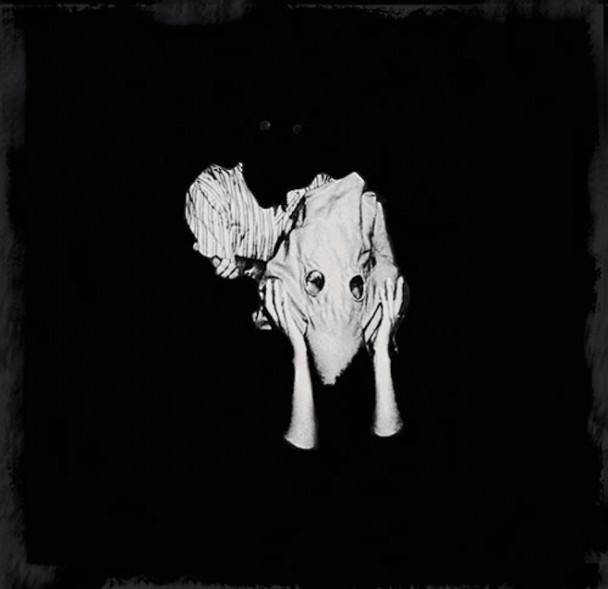
Sigur Ros – Kveikur (XL Recordings)
The way it’s been told so far, Kveikur is Sigur Ros’ leaner, meaner take on what has become a familiar approach. The word “heavy” gets tossed around enough that one could be mistaken for thinking, based on these write-ups at least, that the band was trying to fill the void left by Jeff Hanneman. And, unsurprisingly, these assessments tend to be wildly inaccurate. Yes, the album is heavy by the standards of the band’s larger body of work, but note the qualifier.
Sigur Ros – Kveikur (XL Recordings)
The way it’s been told so far, Kveikur is Sigur Ros’ leaner, meaner take on what has become a familiar approach. The word “heavy” gets tossed around enough that one could be mistaken for thinking, based on these write-ups at least, that the band was trying to fill the void left by Jeff Hanneman. And, unsurprisingly, these assessments tend to be wildly inaccurate. Yes, the album is heavy by the standards of the band’s larger body of work, but note the qualifier. It’s like saying a Michael Bay movie is subtle and artful compared to Bad Boys II, or that Glenn Beck made a statement that was nuanced and restrained when juxtaposed with everything else he’s ever said on record. When somebody has introduced into the world an approach so singular, even deviations within the boundaries of their aesthetic can only veer so far off course.
This isn’t to say that no marked difference exists between Kveijur and Inni or Valtari. “Heavy” isn’t the word, but perhaps the approach could be better characterized as being more assertive than anything the band has done in a long time. The album begins by introducing a somewhat false sense of disorientation – an ominous low-end synth squelch over top of clangorous metallic percussion. But even these beefed-up rhythmic components (unparalleled in strength by anything the band had previously undertaken) cannot help but act as a backdrop to be subsumed by the ethereal atmospheric tendencies that have defined every era of Sigur Ros’ output. The soaring falsetto vocals and shimmering ambience may at times be forced to coexist with harsher textural and rhythmic elements, but they do so nimbly, resting as comfortably on the occasional discordant pocket of sound as they do on the gentler sonic fare found on the majority of the band’s output.

None of this is to say that these lighter moments lack representation on the album, however. While not as low-key and sparse as the band’s previous handful of releases, albums that were pleasant enough but often veered dangerously close to saccharine New Age-isms, a comparable sort of melodicism is never far from the core of the newest batch of songs. Still, even the material that lacks the sort of harsh edge that pops up intermittently are pushed forward with propulsive rhythmic elements and catchy vocal parts that would make great singalongs if anybody knew what the words were, lending a pulse and a sense of movement that might not have otherwise been present had the band adhered to the approach of the past few albums.
But the starkness of this light/dark contrast provides much of the album’s strength. Sigur Ros, at their best, are a band that grasps the idea of the album as a cohesive, dynamic whole rather than as a set of songs crafted for their own sake. Not all their work has lived up to this, but when they are functioning at the top of their game – which they are on Kveikur in a way that they haven’t since Takk – each song’s small fragments coalesce into a mosaic of sound, each piece impressive in and of itself but fully majestic when taken as a whole. Though its flirtations with darker and more abrasive textures might at first convey the impression that Kveikur is some sort of outlier in Sigur Ros’ larger body of work, the grace with which the band can incorporate such elements without sacrificing the qualities for which they’re better known renders it both very much in line with their back catalog and the sort of forward progression that their recent output has sorely needed. It’s not heavy in the sense that it’s been posited to be, but it’s instead heady in a way that the band’s overall aesthetic sorely needed.