
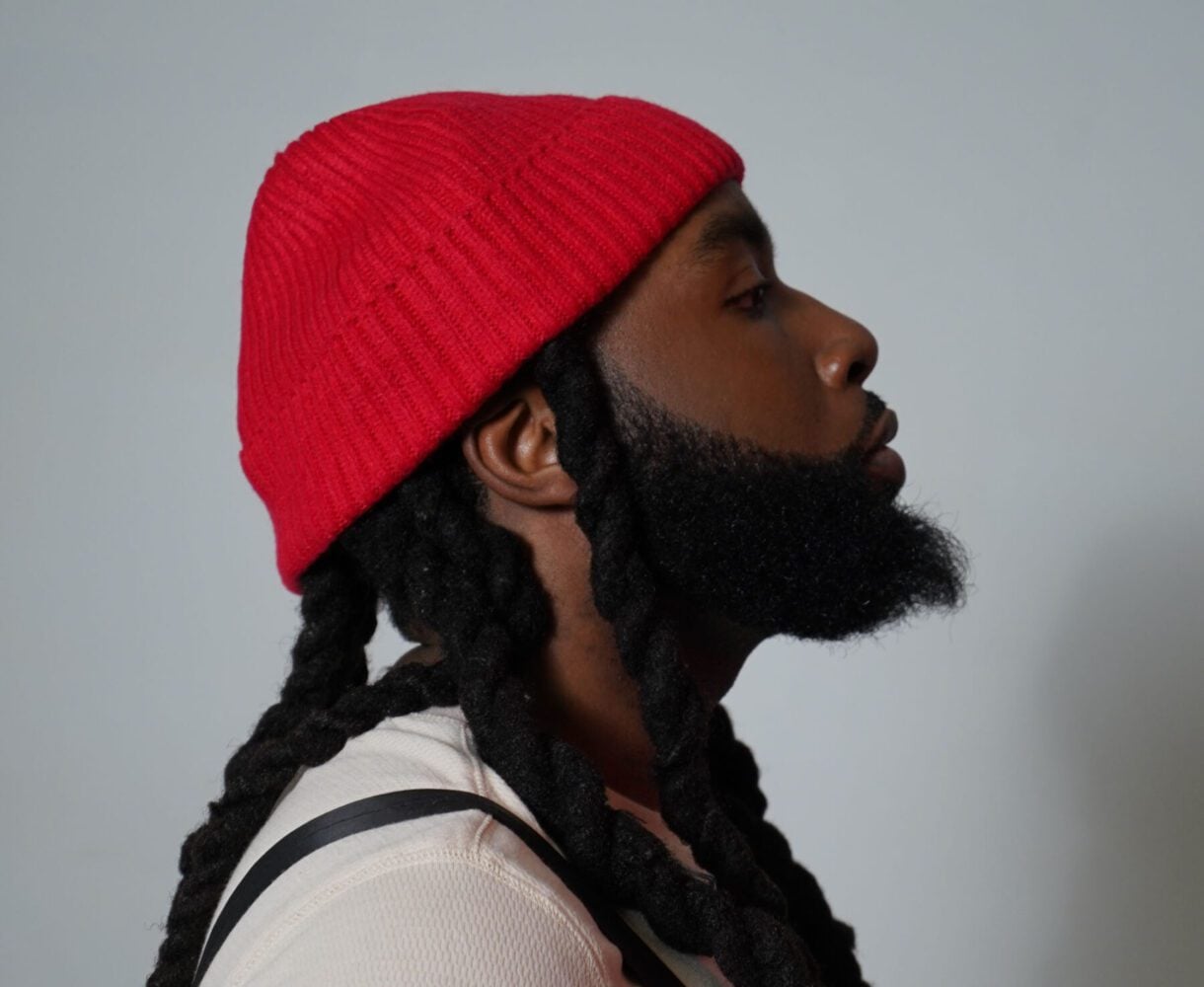
Editor’s Note: This piece was developed from an extended conversation between Reppa Ton and Chauncey “Chance Fischer” Jenkins. The new album drops tonight at midnight HERE.
Sitting outside at Common House talking through Memento Vivere when the conversation drifts toward birds. Not music, not rap, just birds.
“There’s mad birds out here,” Fischer says. “We should talk about that, like your fear of birds.”
Reppa Ton laughs immediately. “It’s not that,” he says. “I just feel like people should be afraid of birds. That’s why I eat chicken. I want to put the fear back into the bird.”
It lands as a joke, but it also explains a lot about where he’s at right now. There’s a thread running through Memento Vivere about taking control of the narrative instead of just sitting inside it, and that mindset shows up almost immediately once they start talking about the record.
“There was a point where I really wanted to stop rapping,” he says. “I just didn’t know where to go rapping-wise.”
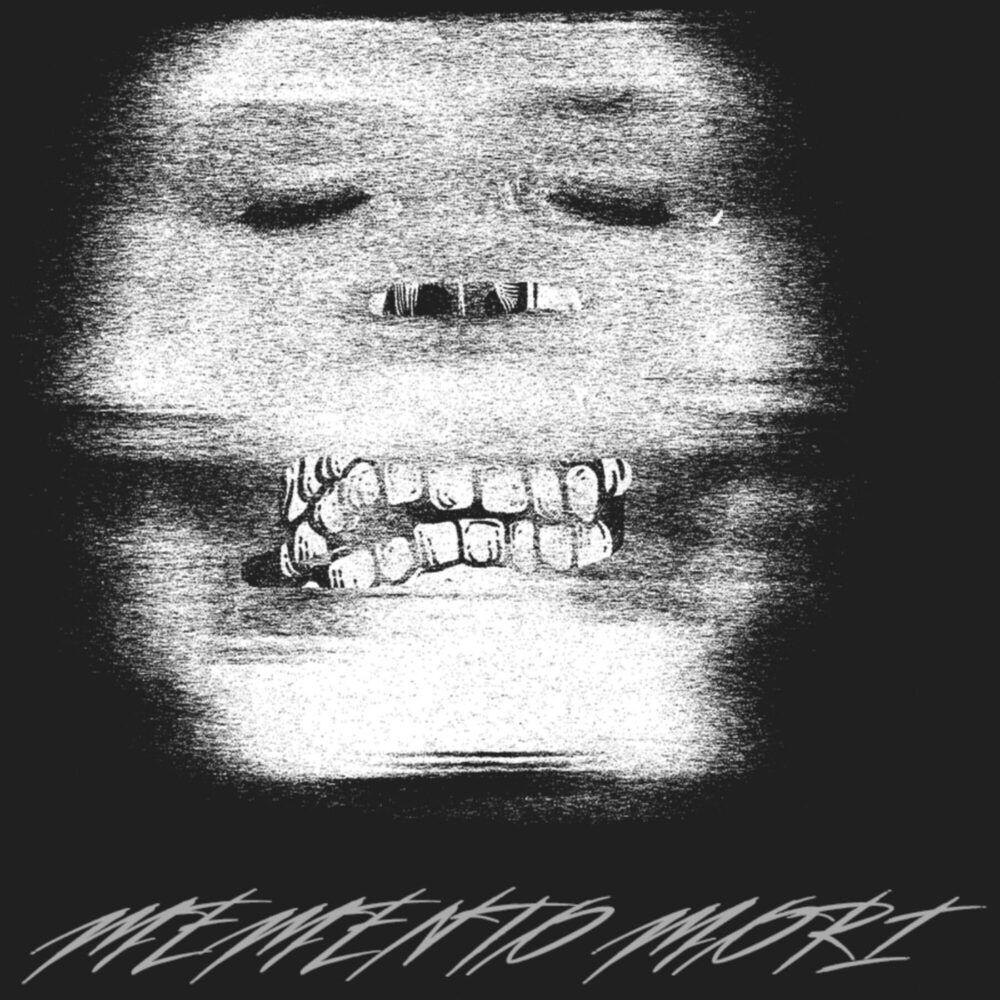
That moment sits directly between two projects. Memento Mori comes first.
“Remember you will die.” The record is heavy and reflective, pulled from a period where everything seemed to be happening at once. Loss, pressure, family issues, uncertainty, all stacking on top of each other. At the time, though, he wasn’t thinking about it as the beginning of a larger arc.
“When we made the first one, it was just supposed to be that, nothing more,” he says. “But then it did so well that we was gonna make the second one.”
The problem was that by the time the idea of a follow-up came around, he was already starting to pull away from rap entirely. He and producer Agent X had started working outside of hip hop, doing commercial work, experimenting with different sounds, writing in different styles, and figuring out new ways to use his voice creatively.
“I was just doing the singing, or the voice overs or whatever the case is,” he says. “That’s when I found my voice… I can actually do this. So when he brought up the second one, I started it, got halfway through with it, and I was like… I don’t know, so I stopped rapping for a little while.”
Looking back, that pause feels like the real turning point between the two records. If Memento Mori is about confronting endings and mortality, this is the moment where the ending almost actually happens.
“If it was ‘remember to die,’ we got to do ‘remember to live,’” he says. “It’s kind of like a rebirth.”
That becomes the foundation of Memento Vivere. Not just continuing the story from the first project, but deciding to keep going after almost walking away from it entirely.
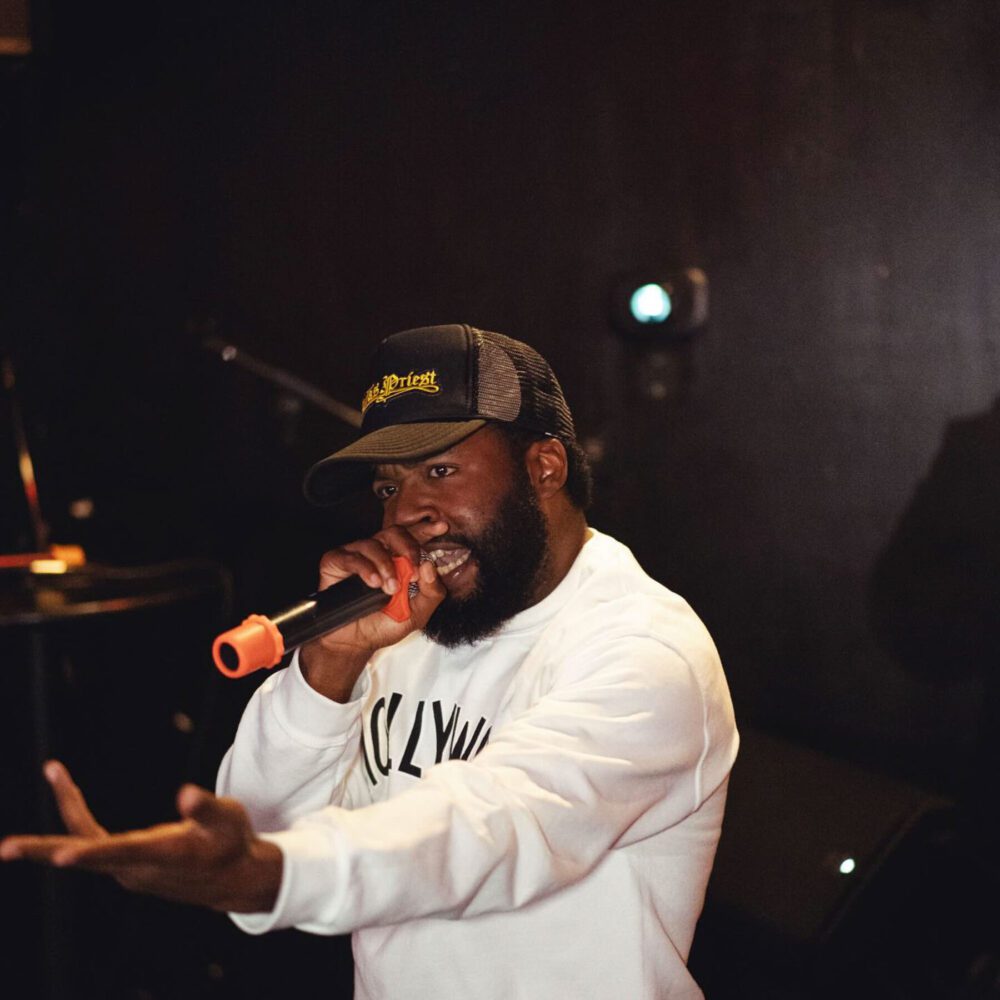
To understand that shift, though, you have to go back a little.
“When I started making music, I did everything,” he says. “People know me for producing hip hop music or rapping or whatever the case is, but I’ve always done everything.”
His first placement on radio wasn’t even a rap record. It was a country song he worked on as a teenager with an artist he met through MySpace.
“That was the first record I ever had on radio,” he says. “I was in the backgrounds. I did the production.”
At the same time, he was still moving through Richmond the way a lot of young rappers do.
“I was always rapping,” he says. “I was always with the homies, always with my cousins… going from housing project to housing project, battling people.”
Eventually those two sides start collapsing into one identity. He finds a scene around Richmond, connects with artists around the city, and realizes there’s an actual lane opening up around him.
“I was like, ‘Oh shit, there’s a scene around here,’” he says. “And I was like, ‘Oh shit, I’m a rapper then. I’m just gonna be a rapper.’”
But even while rap becomes the public identity, the other creative instincts never fully disappear. They just get pushed into the background for a while. That starts changing when he moves to Los Angeles in 2017 and begins working around musicians outside of Richmond’s hip hop world. At one point, someone hears one of the singing records he had been experimenting with and immediately questions why he wasn’t leaning further into it.
“They were like, ‘Dog, why don’t you do this?’” he says. “I was kind of making stuff, singing my hooks and doing little things here and there. It was always a bag that I carried.”
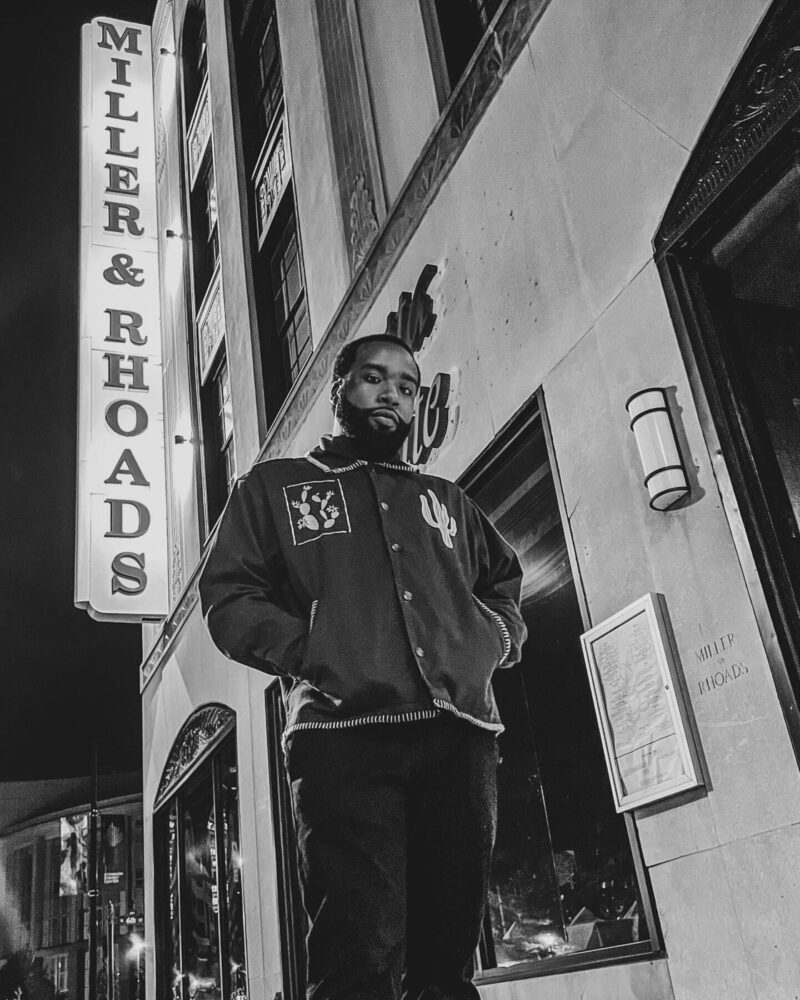
That thread eventually leads him to Agent X. The relationship doesn’t exactly click immediately.
“He sent me back prices for the beats and shit,” Reppa says, laughing. “I was like, ‘Oh, this guy does not know about independent hip hop.’ He was like 6,000 for a beat or some shit.”
Still, they keep crossing paths.
“It was a few other instances where I’d see him out,” he says. “Then finally we just started working organically.”
Ironically, when they finally begin collaborating, Reppa isn’t trying to make another rap project at all.
“I hit him up and was like, ‘Yo, I want to do this project where I’m doing singing. I’m done with the rap shit.’”
Instead, Agent X pushes him somewhere darker.
He asks if Reppa knows anybody who could pull off a grimier, Griselda-style rap project. Reppa laughs when he remembers the moment the idea finally clicked.
“I was drunk at the club one night,” he says. “And I was like, ‘Why not?’”
That becomes the beginning of the first album Memento Mori, though at the time it still isn’t some carefully mapped-out concept album. The themes only really start revealing themselves once the music arrives.
“It was crazy to inspire,” he says. “I kind of noticed from some of his art it was a little darker, you know, in my realm. I love dark art. I love anything with depth to it. So we’re talking about films, he’s a huge David Lynch fan, I love that type of stuff too. So when he first started sending the beats, naturally that’s just what came out, I just started talking like that.”
The first real breakthrough comes with “Black Apparent,” a song that unintentionally becomes the emotional center of the project.
“I love telling this story,” he says. “I did ‘Black Apparent’ just randomly, like freestyled it in a sense, and it was talking about the mortality of my stepfather, who’s like a white man raising me in low-income places.”
Around that same time, his life is shifting hard in every direction at once.
“My daughter was born in 2020… he passed in 2021, the week she was born,” he says. “So it’s like, real life, grappling with mortality. I’m coming back from LA, I ain’t got no money, it’s crazy. My brother got locked up, my sister had stuff going on… it was just like, ‘What the fuck is going on right now?’”
“So I did the song, just freestyled it, and it was the very first song I recorded for the project,” he says. “I started putting all that into the art.”
Once the themes start becoming obvious, the title arrives almost immediately.
“I hit him up like, ‘Yo, what are we gonna call this project with all these themes we talking about?’” he says. “And he immediately was like, ‘Memento Mori.’”
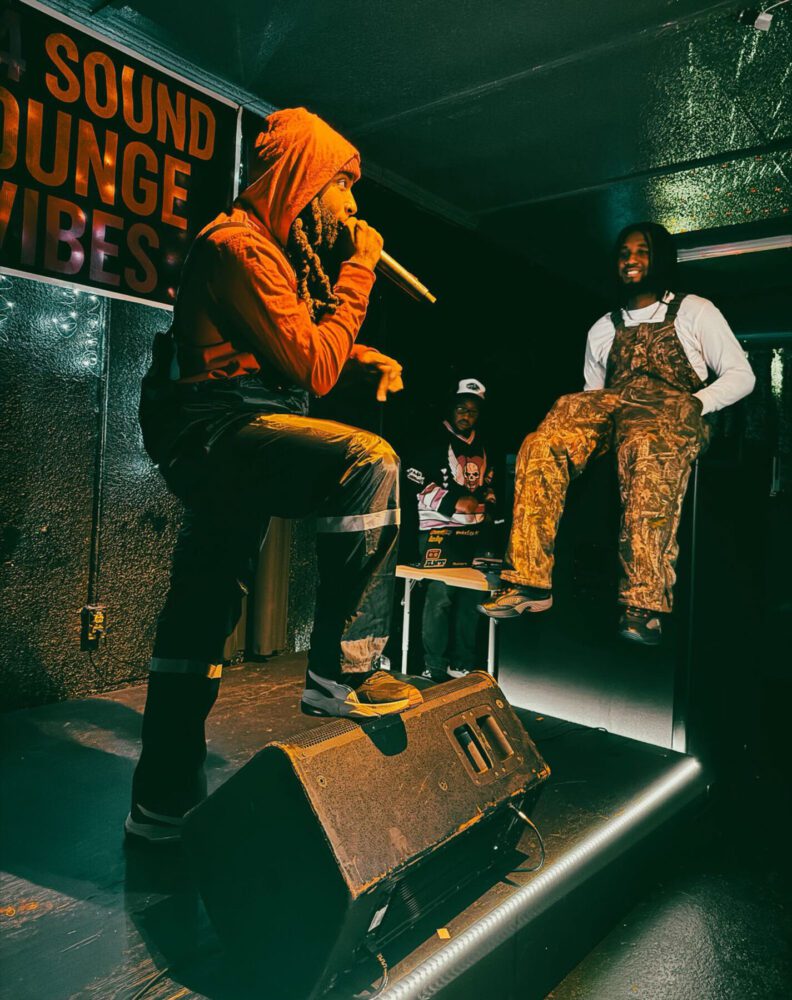
If Memento Mori is about confronting mortality the follow up, Memento Vivere feels more like confronting responsibility. Not just creatively, but personally.
“Having a child is the craziest thing in the world,” he says. “You sit down and realize that, oh shit, I’m in control of a life. It’s not mine. I started realizing certain relationships, certain friendships, certain ways of myself, certain ideologies had to really disappear in order for me to lay that road for my daughter… and for myself as well.”
A lot of Memento Vivere lives inside that tension. Not just growth, but figuring out what parts of yourself can actually come with you into the next phase of your life. Reppa doesn’t really describe it as becoming a completely different person. It’s more like learning how to move through the same world differently.
“I think it’s a really tedious task to build between rebirth and reincarnation,” he says. “Is the rebirth where you at and starting over?”
The album never really pretends the past disappears. If anything, most of it is spent digging directly into it, trying to understand where certain instincts, fears, and survival habits actually came from.
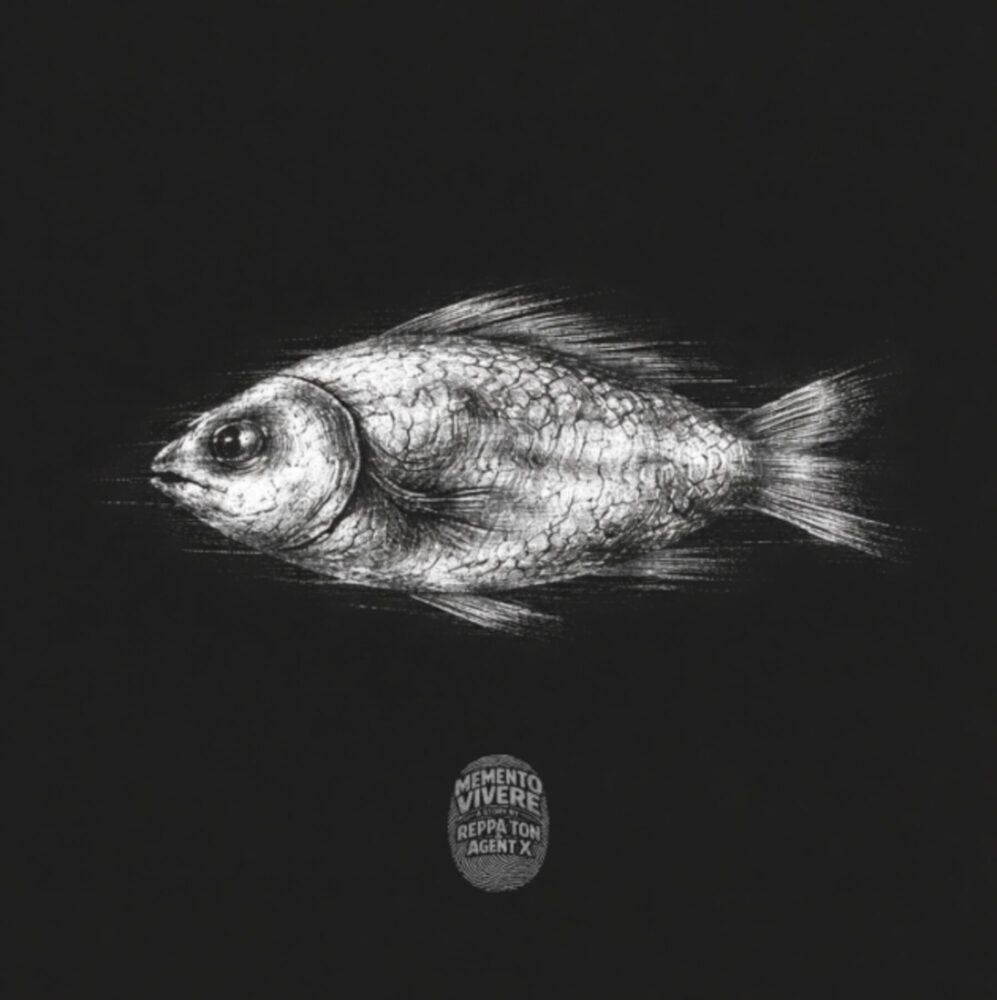
That progression becomes clearest across “The 90s,” “Black n Milds,” and “Nighttime Emmy,” which Reppa talks about almost like connected chapters.
“I’ll even go further and say this,” he says. “And then you get to ‘In The 90s,’ and it’s this moment of like, damn… the game is the game,” Reppa says. “It’s almost like The Wire, like a man gotta have a code. It is what it is.
Parts of it pull directly from his adolescence, while other parts come from much more recent experiences.
“The first half is a whole situation, and the second half of the story is something that happened more recently,” he says. “So going into ‘Black n Milds,’ it’s like the realization, like, damn… this is where I was at this age, this is what happened at this age. “‘In The 90s’” is like, I’m the old head now. I see how I changed,” he says. “‘Black n Milds’ feels like this is where I lost my innocence.”
He points directly to lines from the record: Eighth grade prom with an eighth in my underarms / Failed ninth grade three times, I ain’t fucking lying…
Looking back on those moments now, especially as a father, he hears them differently than he would have years ago.
“It feels like realizing my childhood was already wrapped up in adult shit,” he says. “Like I was forced to grow up a little faster than I probably should have. It’s a sobering moment. Like, even if I understand all of it now, but I still can’t change the past.”
By the time the album reaches “Nighttime Emmy,” the perspective has shifted completely. For Reppa, the song closes the emotional arc that starts with “In The 90s” and “Black and Miles.”
“Nighttime Emmy” is my favorite song I’ve ever written to this day,” he says. “I think it was the last song I recorded too. The second verse was the last verse.”
The company said they had no shares that they can share with us.
“That shit shook me to my core when I wrote it,” he says. “I was in the studio like, where did that come from?”
For him, the line reaches beyond one specific experience. It connects to entertainment, survival, ambition, and the feeling of constantly pushing forward while realizing there may not actually be much waiting on the other side.
“It’s deeply personal to so many different things,” he says. “Black struggle in entertainment, Black struggle in real life, inner struggle… you could be rich, whatever the case is. There might not be any shares left, but you still gotta work your ass off.”
For him, those songs function almost like a through line between different stages of his life, tracing the distance between surviving inside those environments and finally deciding to step away from them.
“It’s the parallel of being in these situations versus taking my foot out finally,” he says. “Like, I ain’t got nothing to give y’all.”
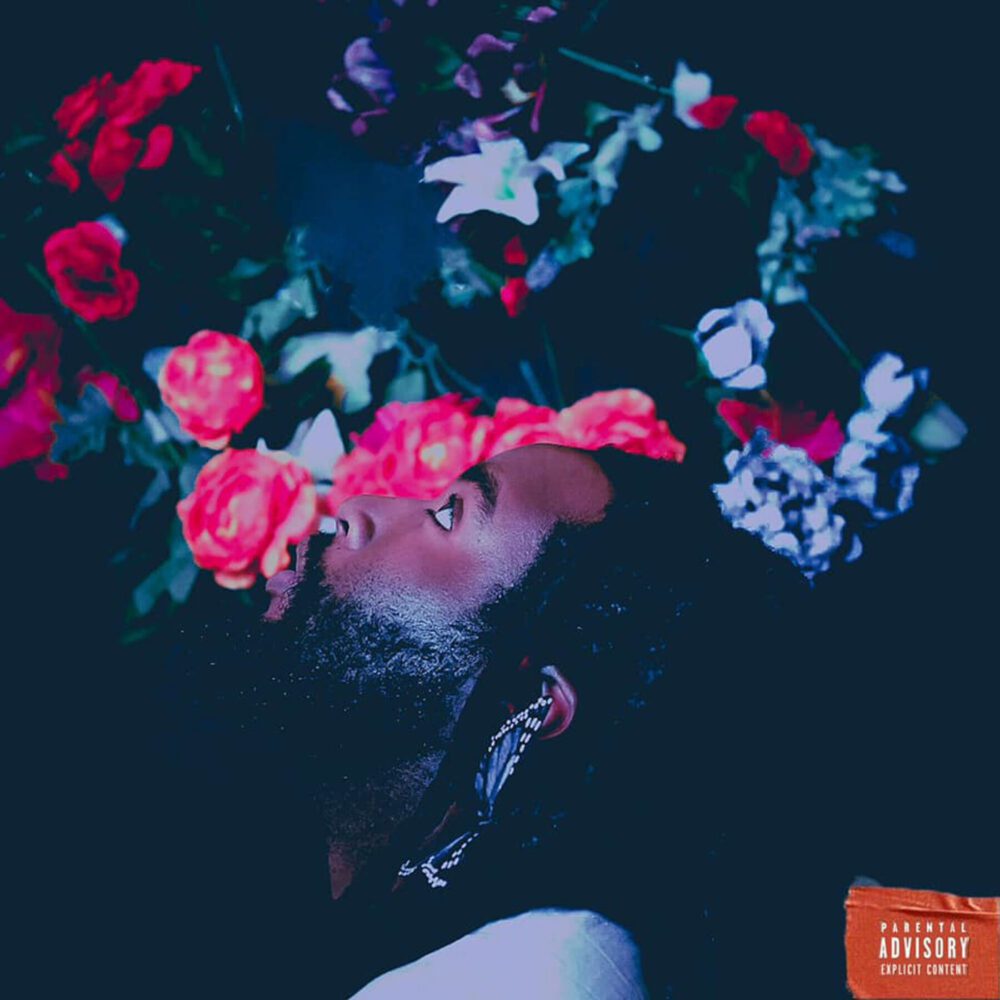
Watching his daughter grow up has only sharpened that realization. “She might be in the backseat like, ‘Daddy, I love you,’” he says. “That’s real innocence.”
And seeing that innocence up close again forces him to look backward differently than he used to.
“I had to pinpoint where I lost mine, I think creativity is literally the childhood,” he says.
He didn’t stop rapping because he ran out of things to say.
He stopped long enough to figure out what was actually worth saying.
Main photo courtesy of Reppa Ton
Interview by Chauncey “Chance Fischer” Jenkins
Story by R. Anthony Harris
Support RVA Magazine. Support Independent Media in Richmond.
At a time when media ownership is increasingly concentrated among corporations and the uber wealthy, RVA Magazine has remained one of Richmond’s few independent voices. Since 2005, the magazine has provided grassroots coverage of the city’s artists, musicians, and communities, documenting the culture that defines Richmond beyond the headlines.
But we can’t do this without you. A small donation, even as little as $2, one-time or recurring, helps us continue to produce honest, local coverage free from outside interference. Every dollar makes a difference. Your support keeps us going and keeps RVA’s creative spirit alive. Thank you for standing with independent media.
DONATE HERE
We’ve got merch HERE
Subscribe to the Substack HERE
And Reddit HERE
And YouTube HERE