
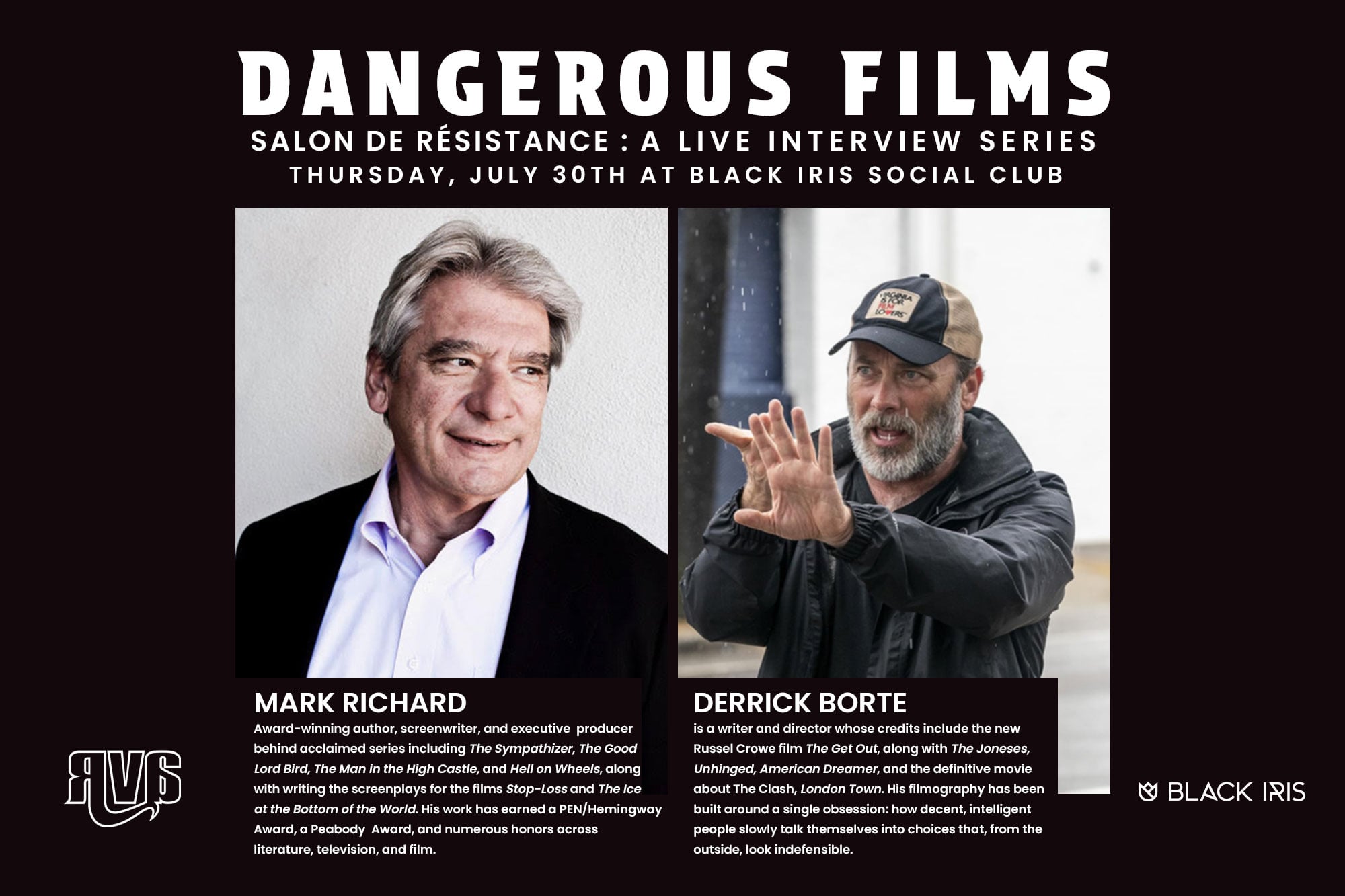
Join us for Salon de Résistance: Dangerous Films on Thursday, July 30th at Black Iris. We’ll be watching clips from films selected by two of Virginia’s most accomplished filmmakers: writer-director Derrick Borte (The Get Out, Unhinged, London Town, The Joneses) and writer-executive producer Mark Richard (The Good Lord Bird, The Sympathizer, The Man in the High Castle). Together, we’ll explore dangerous films that have impacted, disrupted, or changed our social discourse and what that legacy means for filmmaking in 2026. More information HERE.
There was a time when cinema was provocative and dangerous, just because it could be. Studios took risks. Directors and writers challenged political power and social conformity. They created a language around ideas that existed at the margins of acceptability. By exposing the obvious, films could advance perspectives that were absurd, scathing, and entirely necessary to move the culture forward.
And for much of the 20th century, cinema did just that. Altering public opinion, inspiring movements, provoking censorship, and forcing audiences to confront uncomfortable truths, which were hiding in plain sight. That volatility changed the way we saw ourselves, sometimes for the better, sometimes for the worse. But one thing remained true: those films forced the world outside the screen to answer for what was happening on the screen.
Today, Hollywood can still make films that are big, bold, and technically accomplished. The spectacle remains. The art remains. But in pockets that are increasingly beholden to audience data, demographic segmentation, and the demands of an industry that’s rapidly consolidating.
However, at a time when cinema should be leading the way in exposing political and social divisions, the industry seems to have traded cultural risk for an abundance of caution. Fewer studios seem willing to make films that might genuinely unsettle audiences or complicate the stories we need to tell about ourselves. What reaches the screen is now shaped inside a handful of corporate empires whose ultimate concern is not advancing cinema as an art or a vehicle for change, but protecting business interests that might extend far beyond the filmmaking itself.
This salon will explore why dangerous films have now become the exception to the rule, what that reveals about the cultural moment we’re currently living through, and how politics and power ultimately intersect to shape what reaches audiences in 2026.
We need to talk about it
For this edition of Salon de Résistance, we’re honored to host two of Virginia’s most accomplished filmmakers, Derrick Borte and Mark Richard. Together, we’ll watch clips from their favorite dangerous films to see why those movies mattered and how their legacy disrupted, impacted, or changed social discourse.
We’ll also explore what happens when a film’s message is inverted and embraced by the very thing it was trying to critique, before asking the question hanging over contemporary cinema: why does Hollywood seem so reluctant to make dangerous films now and what does that caution reveal about our current political climate?
Our Guests
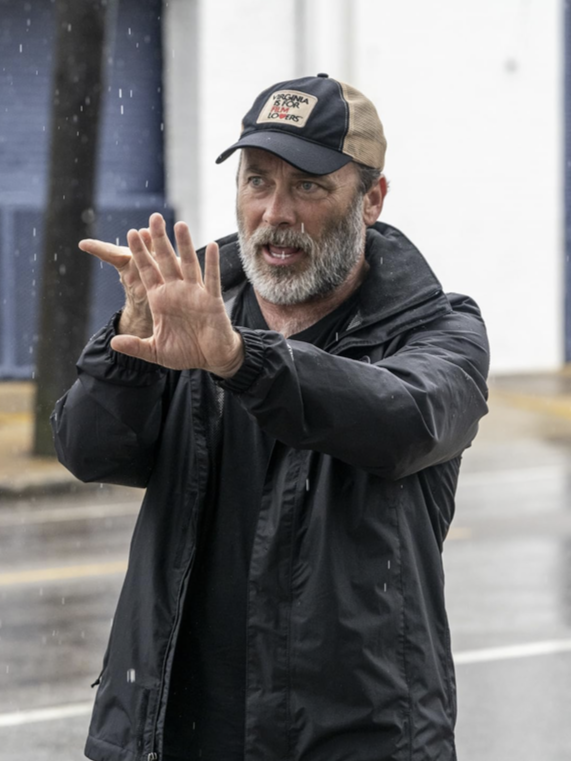
Derrick Borte has made films that predicted the influencer economy before Instagram existed, sent Russell Crowe to the top of the box office during a global pandemic, and were named among the most underrated of their year by critics who could not understand why more people were not talking about them. Ask most audiences who directed any of those films, though, and you may still get a blank stare.
Across The Joneses, American Dreamer, Unhinged, and the newly released The Get Out, Borte has built a body of work around a single obsession: how decent, intelligent people slowly talk themselves into choices that, from the outside, look indefensible. His films are less interested in whether people are good or bad than in how they get there, and how quickly pressure can make the unthinkable feel reasonable.
That work has not gone unnoticed. William Friedkin called Unhinged suspenseful, visceral, and deeply disturbing; Quentin Tarantino singled it out as one of the few films of 2020 he would have paid to see in a theater; and Stephen King helped champion it during its release. A Virginia native who built his career in Hollywood before returning home, Borte is the kind of filmmaker who can talk plainly about how ordinary lives go sideways, and why those stories still matter.
Editor’s note: Not to be left out, Borte also directed London Town, one of the definitive films about punk rock legends The Clash.
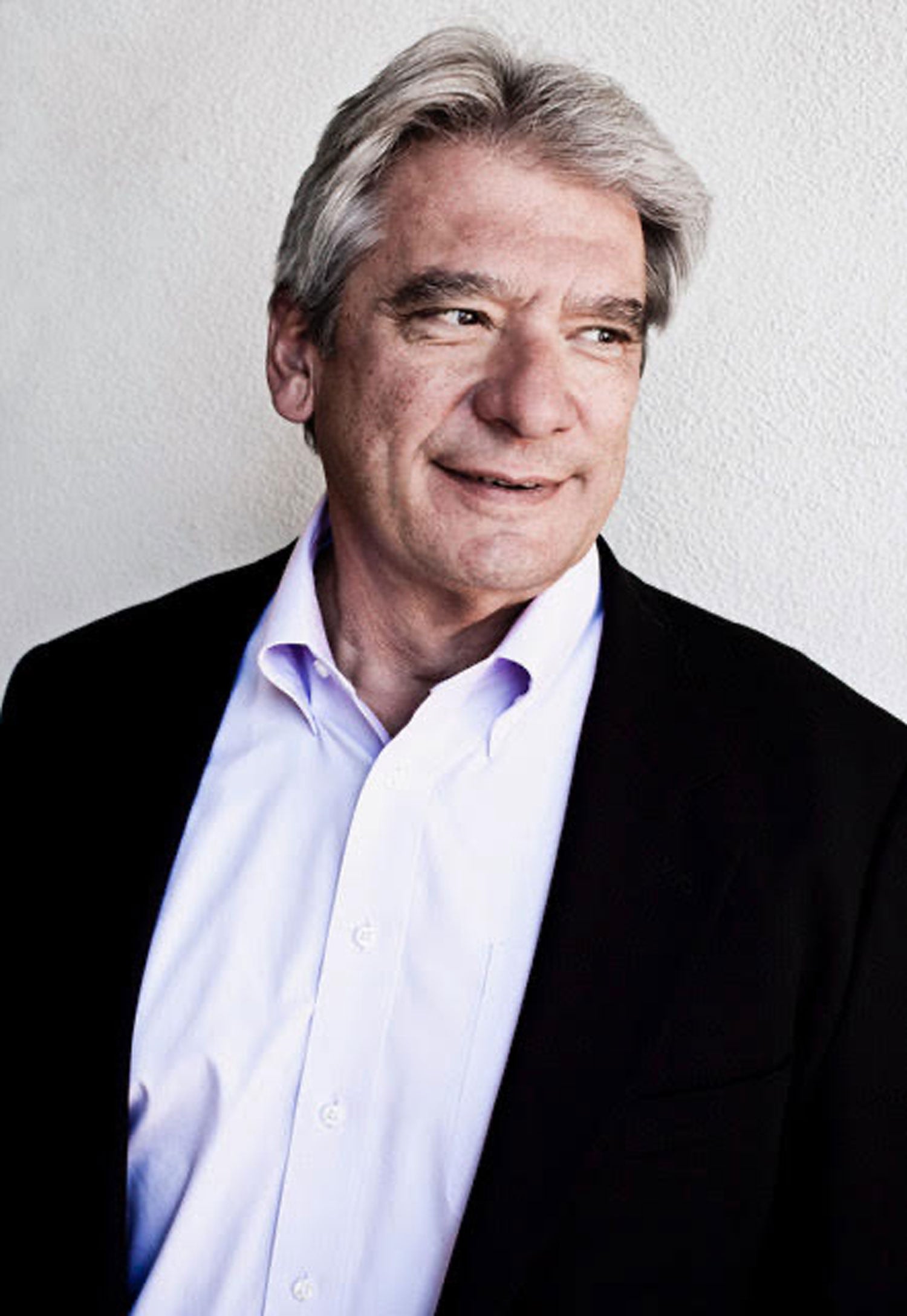
Mark Richard’s television credits include The Sympathizer, The Good Lord Bird, Man in the High Castle, NOS4A2, Tyrant, Hell on Wheels, Criminal Minds, Huff!, Chicago Hope and Party of Five. He also wrote the screenplay for the films Stop-Loss and The Ice at the Bottom of the World. He is the author of a short story collection that won the PEN/Hemingway Prize; a best-selling novel Fishboy; and a New York Times best-selling memoir House of Prayer No. 2.
His short stories and journalism have appeared in The New York Times, The New Yorker, Harper’s, Esquire, GQ, the Paris Review, and The Oxford American. He has also received a National Endowment for the Arts fellowship, a Whiting Foundation Writer’s Award, a Peabody, the NAACP Excellence in Writing Award, and an American Film Institute Award. He lives in Richmond.
Your Host
Landon Shroder, is the co-publisher and editor-at-large of RVA Magazine. He is also a foreign policy professional, journalist, and documentarian whose career has spanned over twenty years across the Middle East, Africa, and Europe in the energy, defense, and security sectors.
His documentary feature The Soft Revolution, on the federal firings under DOGE, is set to premiere in late August, and his upcoming film Cosmic Echo, about the life and legacy of revolutionary jazz icon Lonnie Liston Smith is currently in production. A former producer and journalist for VICE, he has written extensively on conflict, culture, and politics for outlets including Fair Observer, War on the Rocks, World Policy Journal, Chatham House, and, of course, RVA Magazine. He has also been quoted extensively in The New York Times on conflict in the Middle East.
The Salon
Salon de Résistance unfolds in three movements: a convergence to begin, a conversation to spark, and a reflection to carry the ideas forward.
6:00pm: Convergence Drinks and shared conversation, set to vinyl flips.
7:00–8:30pm: Conversation A live interview then opening into questions and exchange with the room.
8:30pm: Reflection Space to connect with our guests, develop perspectives, and imagine what comes next.
Support RVA Magazine. Support Independent Media in Richmond.
At a time when media ownership is increasingly concentrated among corporations and the wealthy, RVA Magazine has remained one of Richmond’s few independent voices. Since 2005, the magazine has provided grassroots coverage of the city’s artists, musicians, and communities, documenting the culture that defines Richmond beyond the headlines.
But we can’t do this without you. A small donation, even as little as $2, one-time or recurring, helps us continue to produce honest, local coverage free from outside interference. Every dollar makes a difference. Your support keeps us going and keeps RVA’s creative spirit alive. Thank you for standing with independent media. SUPPORT HERE.
Subscribe to the RVA Mag Weekly Newsletter HERE
We’ve got merch HERE
Subscribe to the Substack HERE
And Reddit HERE
And YouTube HERE
