
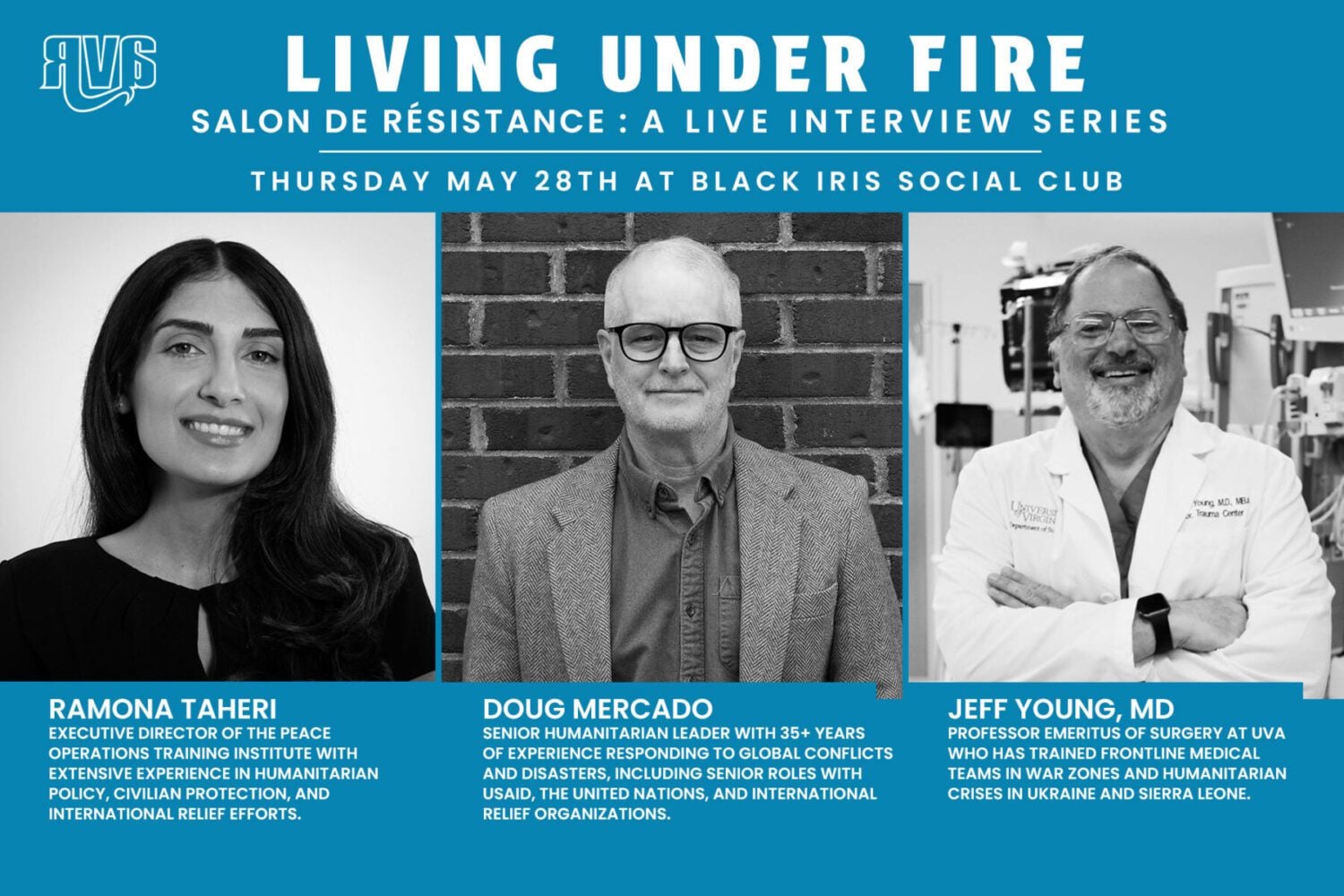
Join us for Salon de Résistance on May 28 at Black Iris for an unfiltered conversation about surviving on the frontlines of global conflict in a world growing more violent, fragmented, and unable to protect civilians — with three of Virginia’s most seasoned experts in humanitarian response, peacekeeping operations, and wartime medicine.
The world is becoming more dangerous. Global power is fractured, and the old alliances are breaking down. The institutions once meant to alleviate conflict through peacekeeping, development, and humanitarian assistance, have been replaced by militarization, instability, and permanent crisis.
USAID has been dismantled. The US Institute of Peace has been gutted. International NGOs have had their budgets stripped. And the UN is trying to meet historic challenges with ever-shrinking resources. Meanwhile, global military expenditure reached $2.887 trillion in 2025 — the highest ever recorded — as governments make preparations for war by surging unprecedented resources into their militaries.
The warning lights are flashing red. Civilians are being caught in the crossfire, and we need to understand where this is all leading.
This salon will explore what conflict looks like on the ground in 2026. Not from the distant perspective of geopolitical experts, but from the experience of the humanitarians, peacekeepers, and trauma surgeons triaging the actual consequences on the ground. We’ll look at the stress, speed, and moral uncertainty of working in modern war zones, and see how civilians and responders face impossible choices as drones, surveillance technologies, and disinformation make conflict harder to escape and even harder to navigate.
We’ll explore these realities through the prism of Gaza, Ukraine, and Sudan, three humanitarian catastrophes that reveal in different ways what happens when the systems meant to protect civilians are abandoned.
We need to talk about it
To explore those questions, Salon de Résistance is honored to be joined by three guests whose life-saving work sits at the intersection of conflict, humanitarian response, civilian protection, and frontline trauma care.
Our Guests
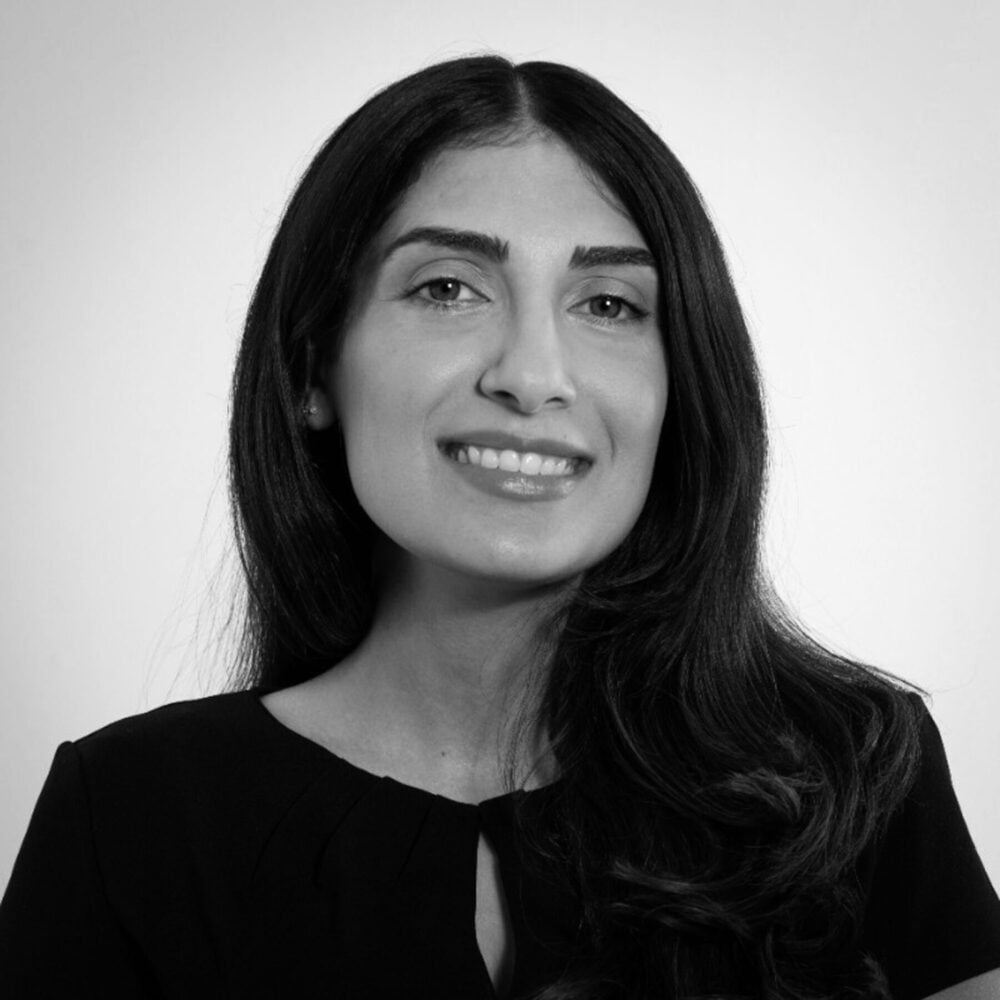
Ramona Taheri is the Executive Director of the Peace Operations Training Institute. For the past 13 years she has been working with UN agencies and non-governmental organizations to develop training programs on international humanitarian law, including the protection of civilians and children in conflict / post-conflict environments, along with implementing policy initiatives for disarmament, mine action, and humanitarian relief. She has also developed pilot trainings for peace operations in globally and consulted on best practices for integrating gender perspectives into stability operations in complex humanitarian environments.
Prior to joining Peace Operations she worked with Amnesty International USA, Red Cross, and Columbia University’s Institute for Social and Economic Research and Policy. She is also a Trustee of the ReEstablish Richmond Board of Directors and holds a bachelor’s degree in Foreign Affairs from the University of Virginia and a master’s degree in Political Science with a focus in International Relations from Columbia University.
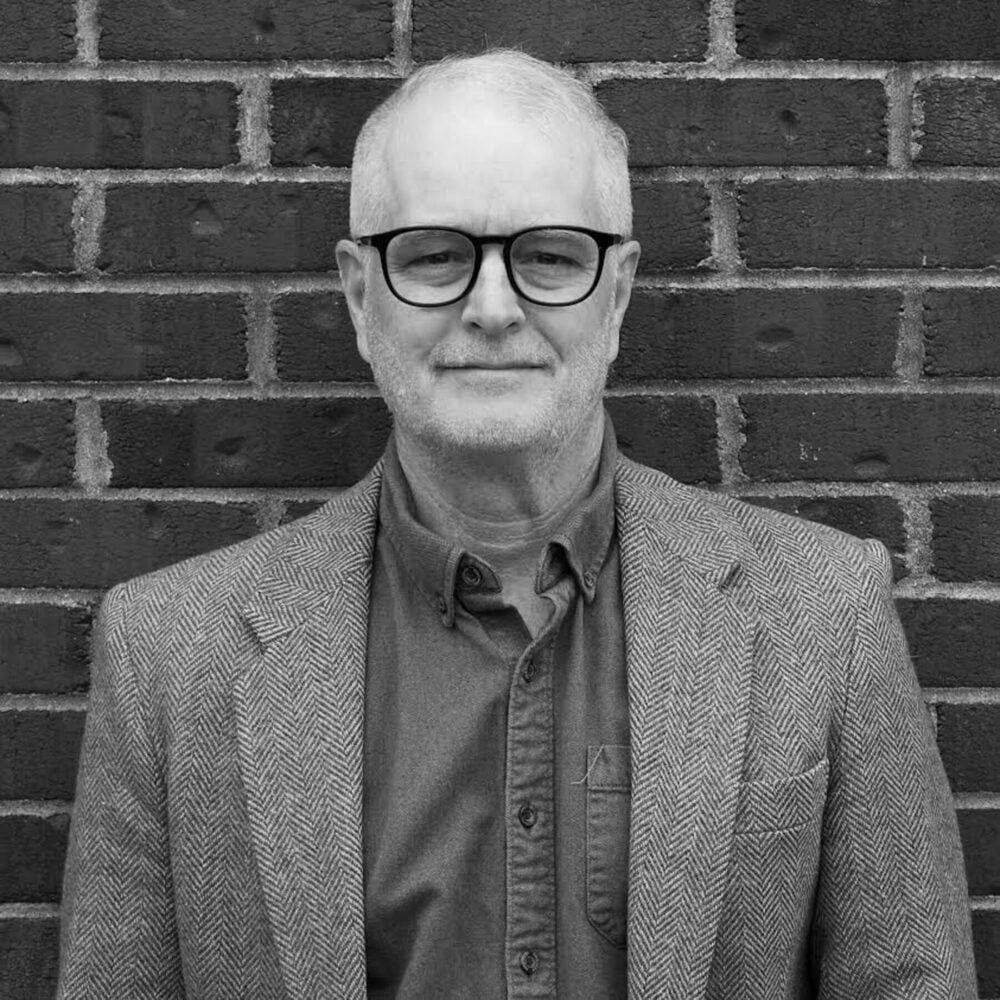
Doug Mercado is a senior humanitarian leader with more than 35 years of experience responding to some of the world’s most complex crises, including providing life-saving aid during armed conflicts, natural disasters, and public health emergencies. His work has taken him to more than two dozen countries, including Iraq during the U.S.-led conflict, Sudan during the Darfur crisis, West Africa during the Ebola outbreak, Colombia supporting migrants fleeing Venezuela, Moldova supporting refugees displaced by the war in Ukraine, and the Balkans during the conflicts of the 1990s.
Over the course of his career, Doug has held senior operational and policy roles with USAID, the United Nations, the Organization of American States, and international NGOs. He also served as the Humanitarian Advisor to Ambassador Susan Rice at the U.S. Mission to the United Nations in New York, where he helped shape U.S. humanitarian policy and diplomacy at the multilateral level. Doug currently serves as a Strategic Advisor to Movement in Refuge, a nonprofit using sports programs to support young people displaced by crisis, and lectures on humanitarian topics at Princeton University and Indiana University.
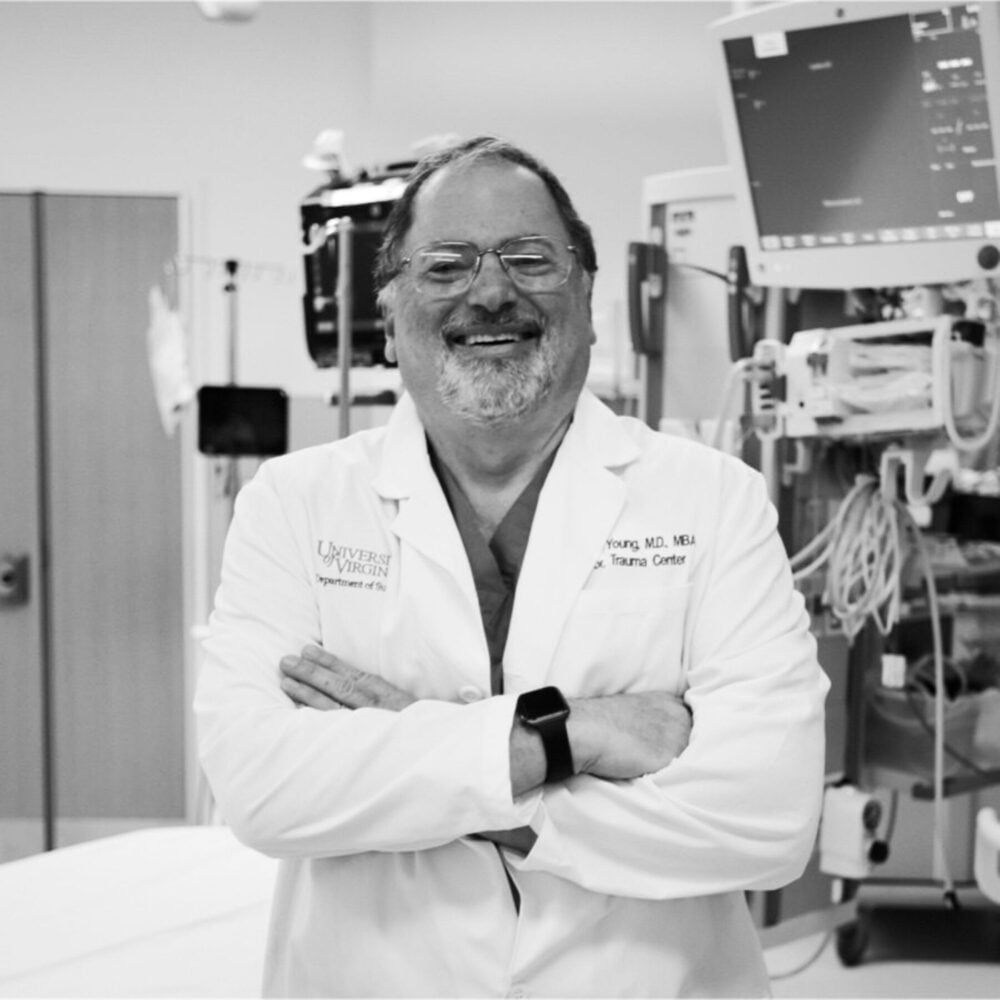
Jeff Young, MD is Professor Emeritus of Surgery at the University of Virginia School of Medicine, where he built the trauma center at UVA Health and led it from 1994 to 2024. Dr. Young is an instructor for Advanced Trauma Life Support, Advanced Trauma Operative Management, and Advanced Surgical Skills for Exposure in Trauma. He is also an instructor for the MedGlobal Trauma Surgical Skills and the David Nott Foundation Hostile Environment Surgery courses.
As a medical officer with the U.S. National Disaster Medical System Trauma Critical Care Team, he deployed on several missions during the COVID-19 pandemic. Dr. Young deployed to Vinnytsia, Ukraine, in September 2025 and to Kyiv in April 2026 to teach MedGlobal and David Nott Foundation courses to Ukrainian surgeons working on the frontlines of the war with Russia. He is scheduled to return to Odesa in May 2026. In January 2026, he also deployed with Mercy Ships to Sierra Leone as a general surgeon. You can read our interview with him HERE.
YOUR HOST
Landon Shroder, is the co-publisher and editor-at-large of RVA Magazine; he is also a foreign policy professional, Democratic strategist, journalist, and filmmaker whose career has spanned more than twenty years across the Middle East, Africa, and Europe in the energy, defense, and security sectors. A former producer and journalist for VICE, he has also written extensively on conflict, culture, and politics for outlets including Fair Observer, War on the Rocks, World Policy Journal, Chatham House, and of course, RVA Magazine.
THE SALON
Salon de Résistance unfolds in three movements: a convergence to begin, a conversation to spark, and a reflection to carry the ideas forward.
6:00pm: Convergence
Drinks and shared conversation, set to vinyl flips.
7:00–8:30pm: Conversation
A live interview then opening into questions and exchange with the room.
8:30pm: Reflection
Space to connect with our guests, develop perspectives, and imagine what comes next.
Support RVA Magazine. Support Independent Media in Richmond.
At a time when media ownership is increasingly concentrated among corporations and the wealthy, RVA Magazine has remained one of Richmond’s few independent voices. Since 2005, the magazine has provided grassroots coverage of the city’s artists, musicians, and communities, documenting the culture that defines Richmond beyond the headlines.
But we can’t do this without you. A small donation, even as little as $2, one-time or recurring, helps us continue to produce honest, local coverage free from outside interference. Every dollar makes a difference. Your support keeps us going and keeps RVA’s creative spirit alive. Thank you for standing with independent media. DONATE HERE.
We’ve got merch HERE
Subscribe to the Substack HERE
And Reddit HERE
And YouTube HERE