
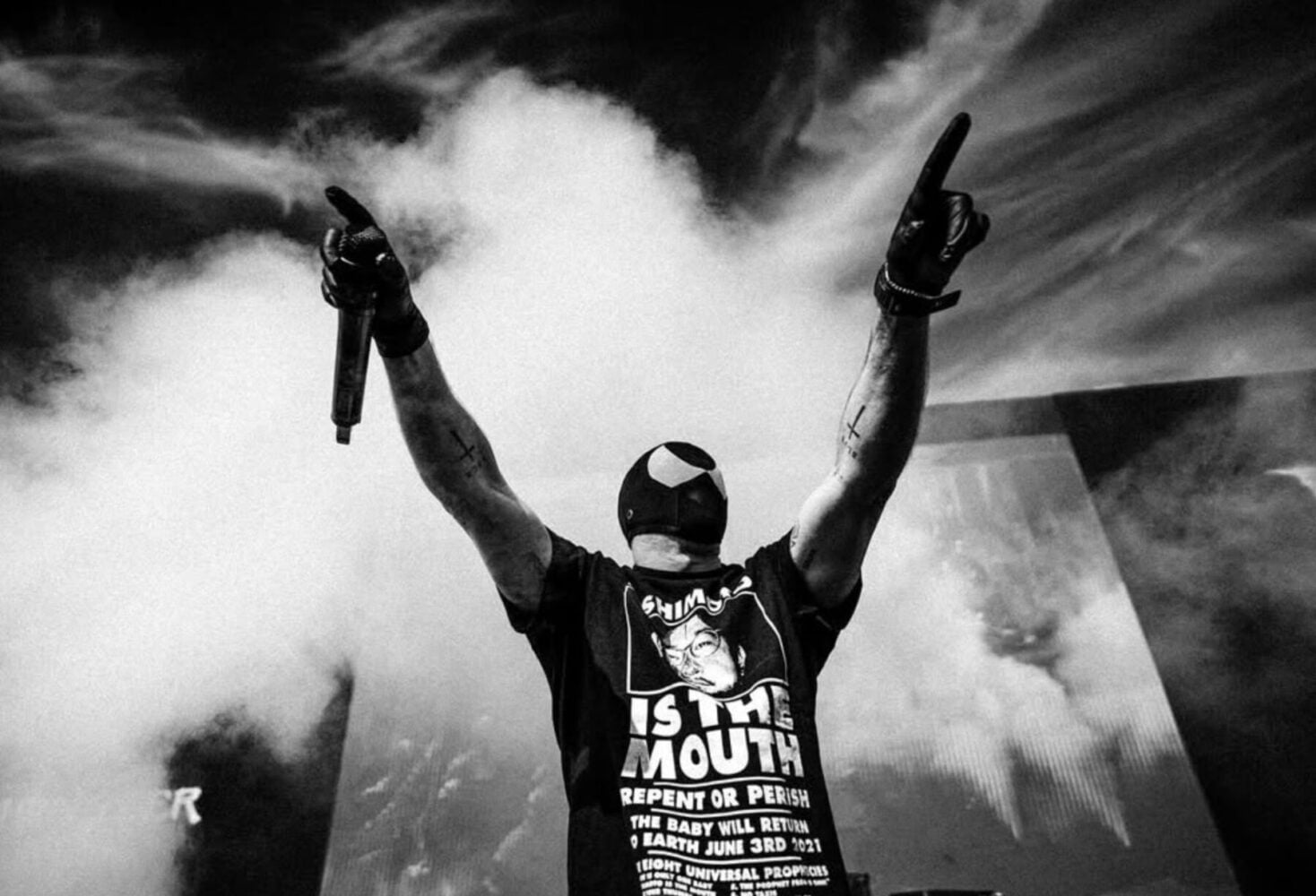
The Bloody Beetroots were never meant to fit neatly into anyone’s playlist. Born out of punk rage, electronic chaos, and the restless energy of Italian musician Sir Bob Cornelius Rifo, the project has spent nearly two decades stomping over genre lines and expectations. Since first crashing onto the scene in 2006, Rifo has built a career that’s less about chasing trends and more about bending them to his will — collaborating with names as different as Steve Aoki and Paul McCartney, while never losing the grit that got him here.
Now, on the edge of a 20-year celebration, Rifo is still pushing forward, still mixing aggression with melody, still finding new ways to smash sound together and make it stick. Ahead of his April 30th stop this Wednesday at Ember Music Hall, we caught up with him for a conversation about punk, masks, freedom — and why, even now, it’s not about fame.
John Reinhold: Have you been to Richmond?
Sir Bob Cornelius Rifo: No, never. This is my first time.
Reinhold: So, you know, I’ll give you a little inside info. Richmond — we call it RVA, short for Richmond, Virginia. If you’re ever out there, just say, “What’s up, RVA?” It’s quick, it’s popular. I honestly think Richmond is a great city for what you do — the mix of punk, metal, and electronic music fits right in. I’m excited to see how the crowd reacts. We’ve got a big history with punk and metal. I don’t know how long you’ll be here — maybe just in and out — but if you do get a chance, you should check out Gwar Bar. It’s owned by the band Gwar. Are you familiar with them?
SBCR: No, I don’t think so..
Reinhold: Really? Yeah, they’ve got a spot here — Gwar Bar. If you want to soak in some of the local punk and metal history, that’s a good stop.
SBCR: When is this happening? Let me check my calendar… Maybe I have a couple of days off before. Maybe I can come in a day early.
Reinhold: April 30 is your night. I think you’d really like it. They’ve got pictures of musicians from here — Lamb of God, Gwar… and another band you might like called Municipal Waste. They’re like party punk. I actually made a Spotify playlist for you called Bloody Richmond Punk. I’ll send it over to your team.
SBCR: Absolutely, yes! That’s great, man. Thank you for doing that. Who’s in the playlist?
Reinhold: GWAR, Lamb of God, Municipal Waste, Avail, and Strike Anywhere — all Richmond bands. I picked songs I thought you’d dig. There might be some stuff in there that makes you think, “Hmm, maybe I can mess with that.”
SBCR: Yes, yes — that’s good! Because at the end of my set, I always try to connect with the fan base with a song they know. So getting some local insight is golden for me!
Reinhold: There are two you might want to focus on: Municipal Waste — they’ve got this chant, “Municipal Waste is gonna fuck you up!” — and Avail has a song about the James River, which runs right through Richmond. Goes something like, “The sun’s shining over the James!” I’ll send it all to you, and you can do whatever you want with it.
SBCR: I’m excited. Yeah, that’s great.
Reinhold: So, 20-year tour — how does it feel to be doing this for two decades?
SBCR: I don’t know, man. It feels like yesterday. I honestly haven’t thought about it much. Twenty years sounds crazy when you say it out loud. But The Bloody Beetroots is like a machine that keeps evolving. I don’t feel like I’m aging — I feel like I’m getting better at production, better at stage presence. I’m constantly learning and growing. It doesn’t feel like 20 years.
Reinhold: People know you not just for the music but also for the look — the mask. Do you feel like when you put it on, it’s like a symbiote takes over? Like how actors say they don’t feel fully “in character” until the makeup is on?


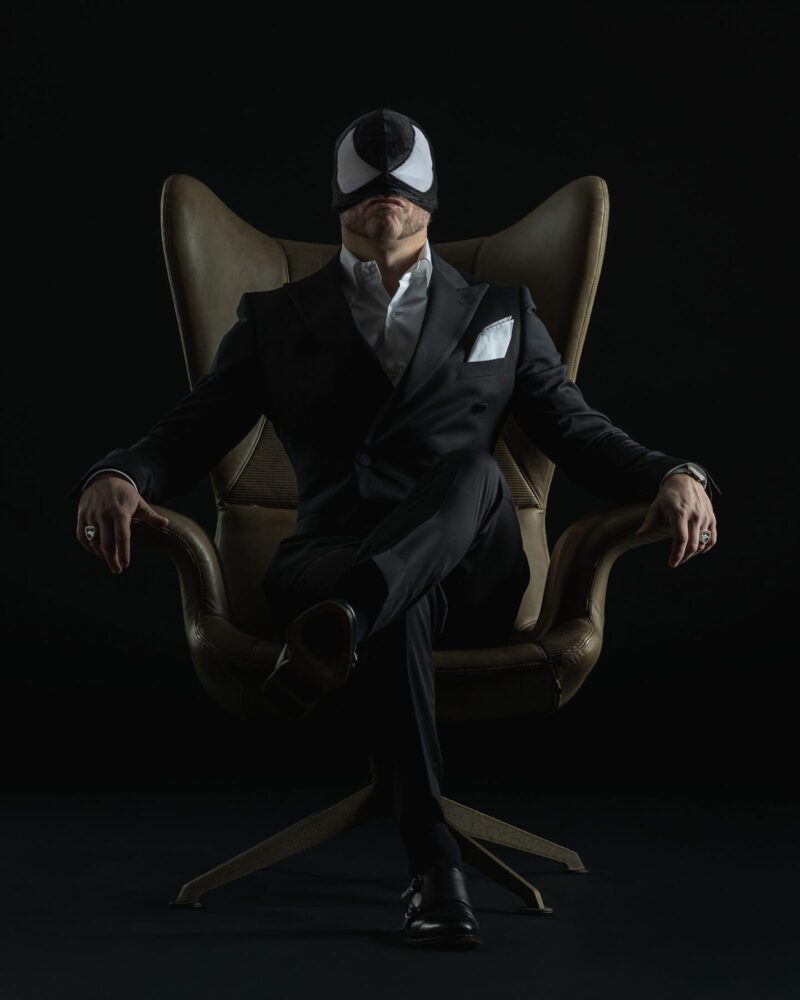
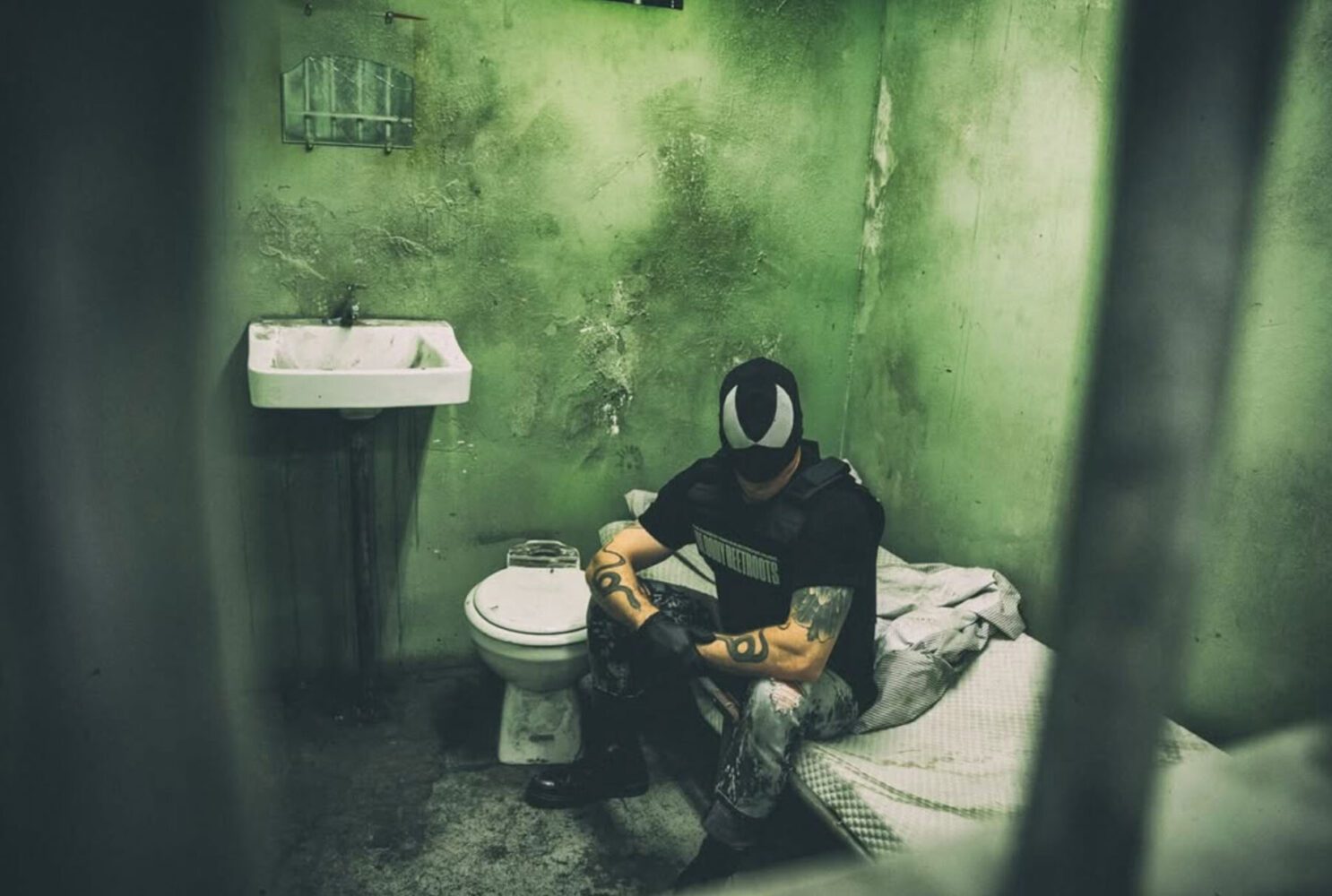
SBCR: I don’t know if it’s that dramatic. For me, the mask is more of a catalyst. It grabs your attention, and once I have that, you listen to the music. It also protects my privacy. I’ve never been attracted to fame — I make music to express myself, first and foremost. The mask helps me keep that separation. But if you know me personally — and hopefully we’ll get to know each other — you’ll see I’m the same guy offstage.
Reinhold: Gotcha, for sure.
SBCR: My special power is honesty.
Reinhold: I love it. So, getting into your sound — what drew you to the punk aesthetic in the first place?
SBCR: The Sex Pistols. That was the first band that got me into punk. Then came The Clash, Black Flag, Fugazi… Eventually I connected with Refused in 2009, and we started collaborating. Then came Rifoki — the punk project with Steve Aoki. That really shaped a lot for me in terms of living life like an anarchist.
Reinhold: It definitely seems like you live by that, from everything I’ve read.
SBCR: Yeah, absolutely. I really believe in that punk idea. It can feel idealistic sometimes — the system is huge and against you — but I still believe in fighting for your freedom to express yourself. That’s what I’m here to remind people: freedom is possible.
Reinhold: You’re really unique in the electronic genre. Your sound crosses so many styles that I almost can’t label it. If someone asked me, I guess I’d just say, “Come with me, and we’ll have a good time.”
SBCR: Exactly. We celebrate with The Bloody Beetroots. I structure my songs around my life experiences — the more I live, the more I can express through my music. The Bloody Beetroots doesn’t belong to any one genre. It belongs to itself.
Reinhold: Tell me about your new track — Killing Punk.
SBCR: Yeah, it’s the first single of the new year for The Bloody Beetroots, featuring Nate No Face. It’s a glimpse into how punk can survive by evolving. Like I said, I’m trying to evolve the idea of punk. Bobby Vylan’s lyrics really help represent that.
Reinhold: I listened to it this morning. First thing I noticed — it’s heavy. Really thrashy, a lot of heavy guitar.
SBCR: Yeah, a lot of heavy guitar. It needed to punch you in the face.
Reinhold: I like that about it. I also saw a picture on your Instagram of a Distortion Rat pedal. Is that real?
SBCR: (laughs) That’s funny — everyone thinks it’s some crazy collaboration, but no, it was just a t-shirt. But now that you mention it… maybe I’ll hit them up for a real collab.
Reinhold: I’ve thought about the idea of using guitar pedals with DJ setups — how a guitarist can mess with the sound live.
SBCR: Yeah, when you see me use CDJs, I use them like guitars.
Reinhold: I’m so excited.
SBCR: I trash them! Hope they’re ready…
Reinhold: Richmond should be ready. I mean, when GWAR plays here, they hang sheets everywhere to catch all the fake blood. People are into that energy. They’ll love your show. A lot of energy goes into what you do.
SBCR: Yeah, I’m very physical on stage. I almost make the DJ equipment disappear. People just see this crazy guy jumping, running, screaming — but it’s a celebration of freedom.
Reinhold: I love it. Ok, so to finish up: your newest release Killing Punk is out now, and you’re playing Ember Music Hall here in Richmond on April 30 — bringing the vibes and the chaos, right?
SBCR: Oh yeah.
Reinhold: Where in the world are you right now?
SBCR: I’m in Italy — because I’m Italian.
Reinhold: I wasn’t sure if you were already touring in the US.
SBCR: When I’m not touring, I stay in Italy. If I have a lot of gigs in America, I stay in Los Angeles.
Reinhold: Makes sense. Well, we’re excited to have you here in Richmond. I’ll send that playlist to your manager, and if you need anything while you’re here, feel free to reach out. If you have an extra day, definitely check out Gwar Bar, Wonderbar, and some of the local punk spots. I’m even wearing a “Punks for Presents” hat right now — it’s tied to Wonderbar, they raise money every December for kids.
SBCR: Man, now I’m really excited. I didn’t know any of this! I’ll definitely try to come in early and check some of it out.
Reinhold: Thank you for taking the time, man. Really appreciate it — looking forward to meeting you.
SBCR: Thank you, John. Me too.
Main photo: The Bloody Beatroots by Mauro Talamonti
Support RVA Magazine. Support independent media in Richmond.
In a world where corporations and wealthy individuals now shape much of our media landscape, RVA Magazine remains fiercely independent, amplifying the voices of Richmond’s artists, musicians, and community. Since 2005, we’ve been dedicated to authentic, grassroots storytelling that highlights the people and culture shaping our city.
But we can’t do this without you. A small donation, even as little as $2 – one-time or recurring – helps us continue to produce honest, local coverage free from outside interference. Every dollar makes a difference. Your support keeps us going and keeps RVA’s creative spirit alive. Thank you for standing with independent media. DONATE HERE.
Also, you can show your support by purchasing our merch HERE.