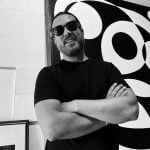
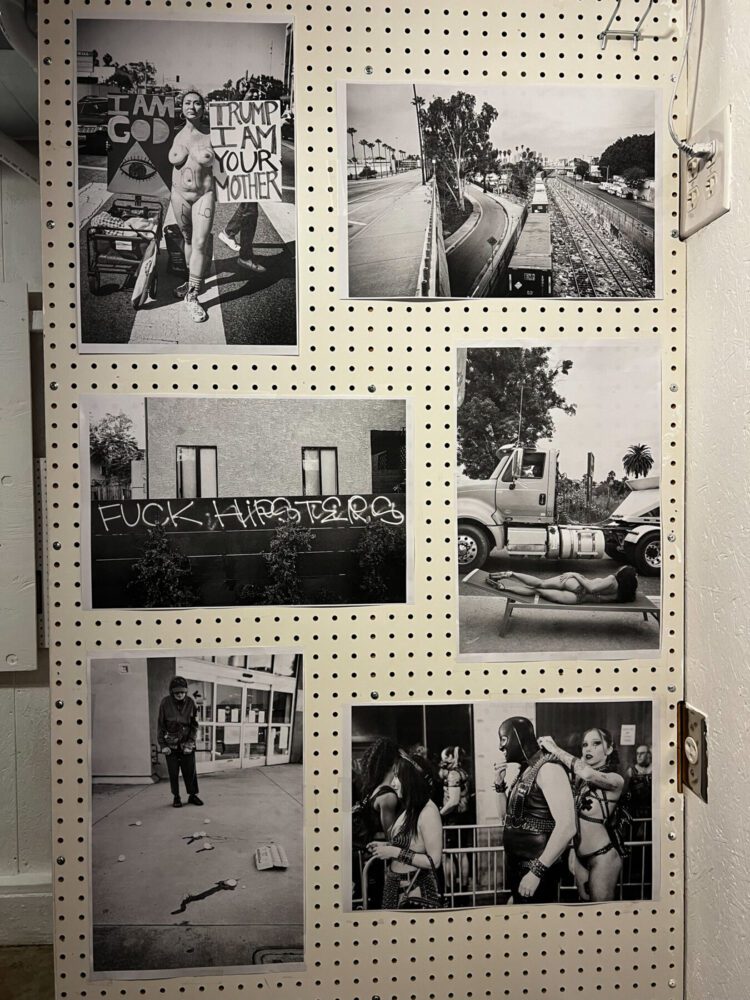
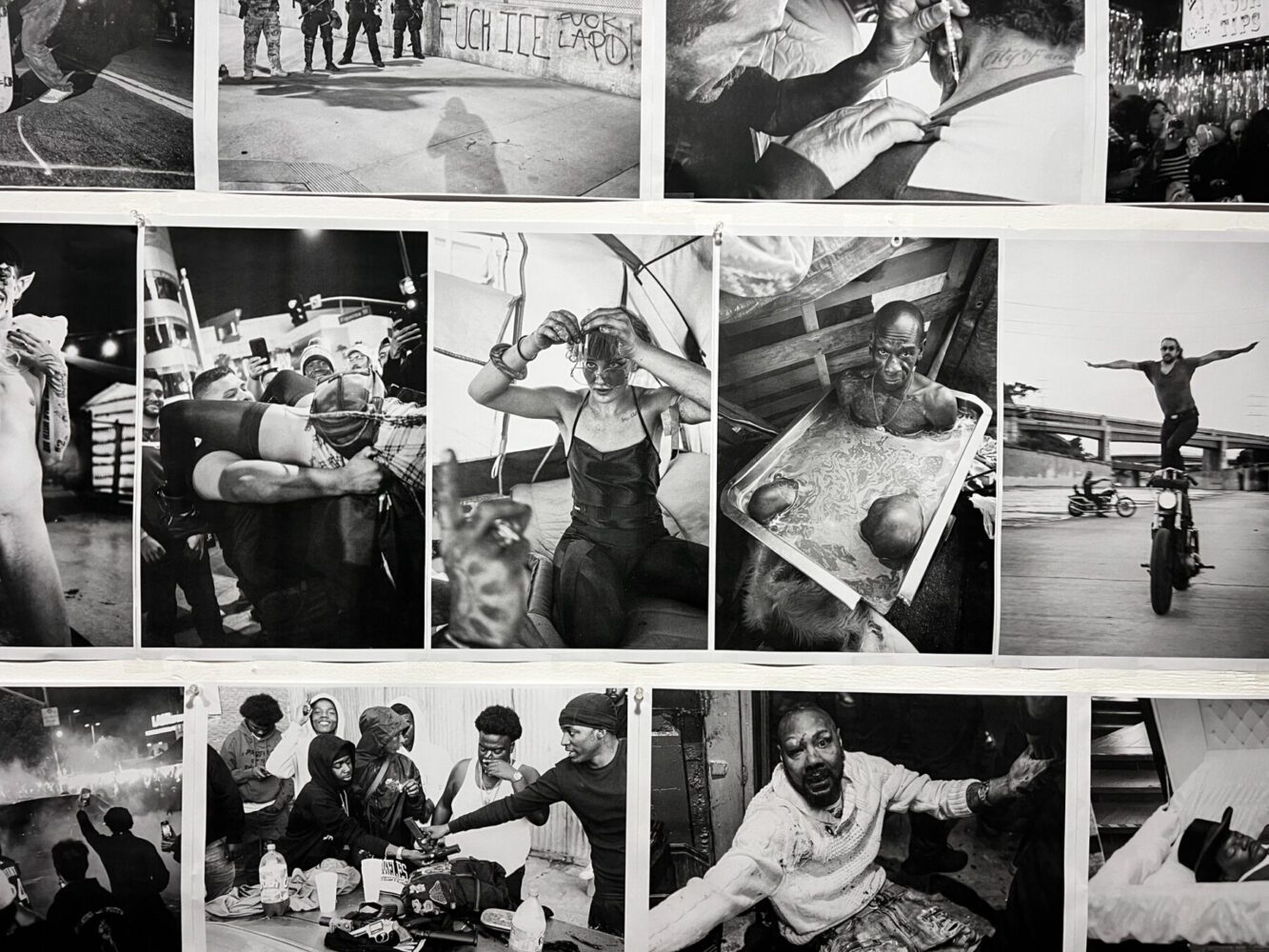
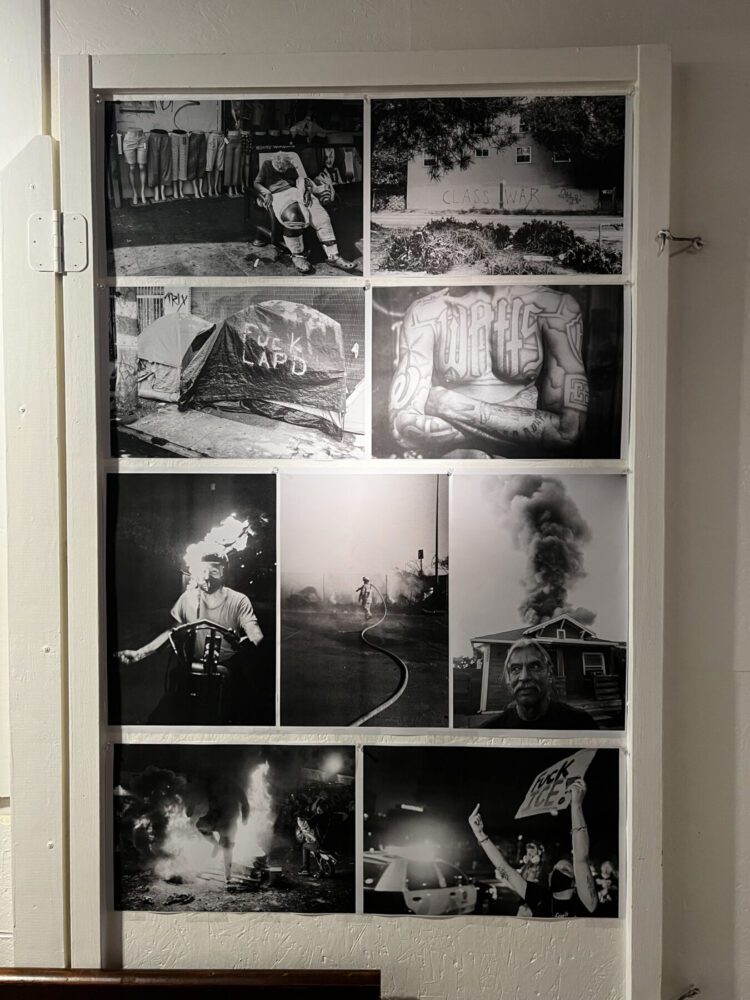
I hadn’t seen him in years. Then I caught his pop-up photo show in an alleyway gallery in Oregon Hill a few months back. The images were real life. Honest. Some of them tough to even look at. Street people, prostitutes, gang bangers, punks mid-fight, scenes in bars, bikers, protests, pain, and joy all jammed into the same wall. But it wasn’t just shock value. There was trust in those photos. Access. We had to talk about the work.
Today, L.A. based street photographer Suitcase Joe has become one of the sharpest eyes documenting the parts of Los Angeles most people ignore. His first book, Sidewalk Champions, captured Skid Row not with pity but with dignity and grace. His second, Grey Flowers, widened the lens.
And people are noticing. He’s been covered by The Guardian, Petapixel, L.A. Weekly, Juxtapoz Magazine, Daily Mail, Print Magazine, My Modern Met, Flaunt, Invisible People, and dozens more across photography, art, and culture. He’s getting out there and staying in his own lane while he does it.
But before all of this, we worked together for a while in Richmond. He was just a guy I knew from the grind. Then he got out. He made his way to LA almost twenty years back and disappeared into a whole other life. Somewhere in the middle of it, photography became an outlet. He started walking the streets, shooting what he saw. The following is pulled from our conversation.

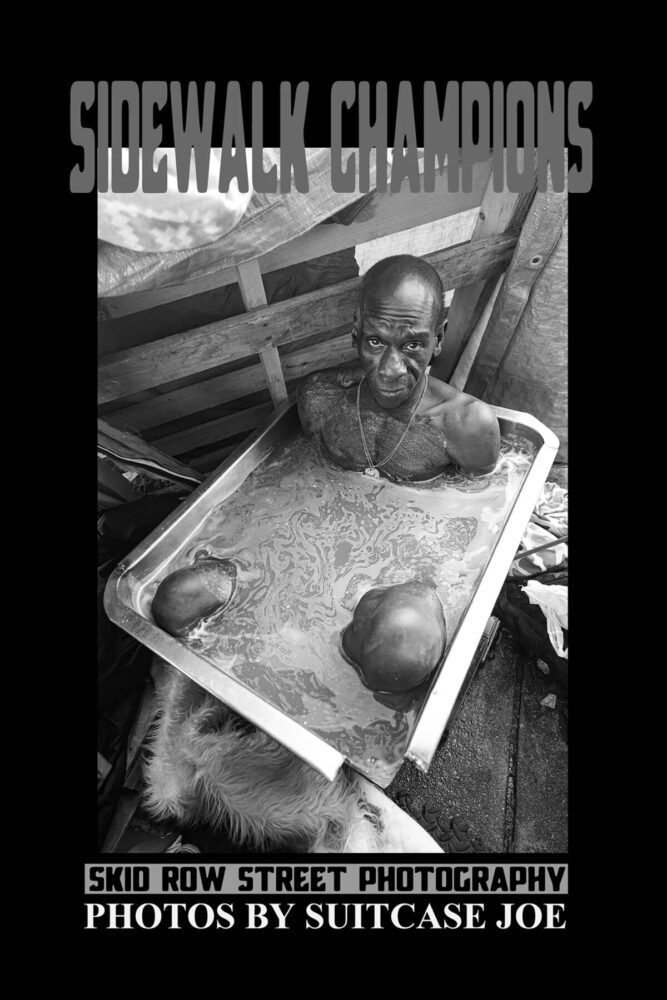
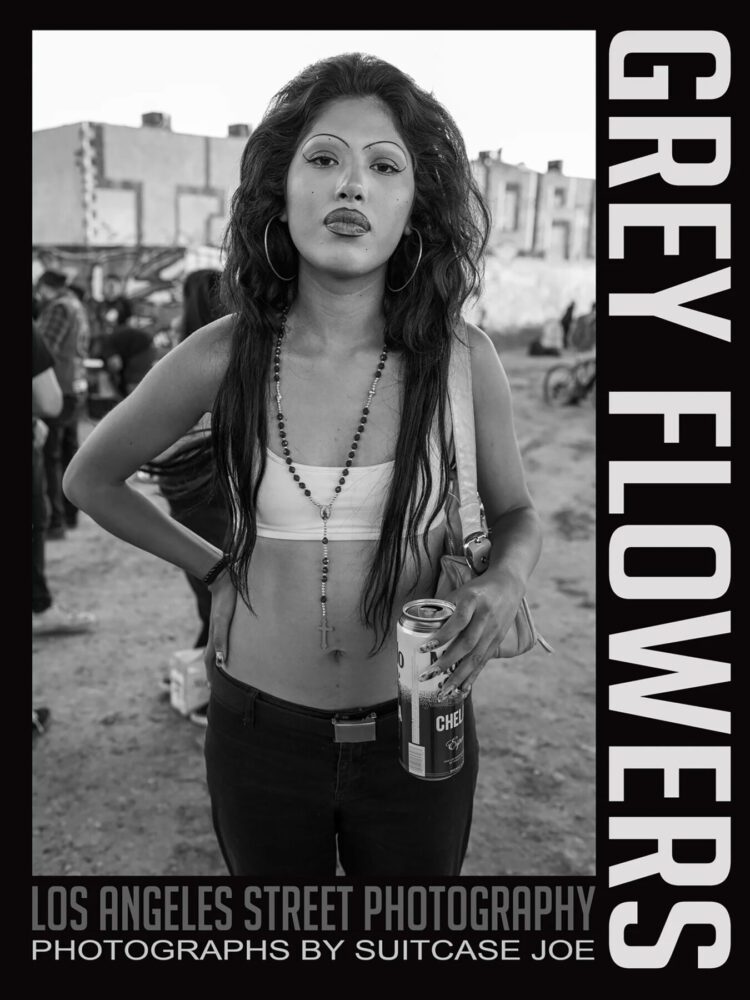
Both are sold out but you can find them HERE
Joe kept driving past Skid Row and wondered why a city full of filmmakers, photographers, and writers had ignored it.
“I hit up some photographer friends and said someone should document this place. They all basically told me to get fucked. So eventually it dawned on me that I should do it. I had a vision in my head and I just started going down there.”
Those first months were rough. “In the beginning it was very scary,” he said. “I did not go that deep into Skid Row. I was intimidated, but I kept going back.” Each visit pushed him a little farther in. Faces became familiar. Names started to stick.

Then a man named Crushow stopped him cold. “He was a shot caller. He has a lot of say over what goes on on certain blocks.” Joe asked if he could take his photo. Crushow told him to get lost. But Joe didn’t leave. He just hung back.
Eventually, Crushow looked at him and said, “Yo, what’s your deal?”
“I started talking with him,” Joe said. “Told him I was interested in documenting the community, telling people’s stories in a more humanizing way than I’ve seen done.”
That shifted everything. “He just liked me,” Joe said. “Then I just started coming down there and hanging out with him, and people saw me with Crushow. That gave me validation. It started connecting me with other people as well. He was really the beginning of a bigger transformation, of me being down there and kind of having the agency to walk more freely in the neighborhood.”
From then on, the door opened wider. “People knew me and were very welcoming. But it took time. I went almost every day for many years. I had to earn it.”
He calls it Skid Row University.
“I got more of an education there than anywhere else. Skid Row is full of lessons,” he told me. “People live in a constant state of survival, which strips away the buffers most of us have.”
“When you’re out there every day, really present, you start to see how fake most of our lives are. People out there don’t have the luxury of pretending. You see joy, pain, hope, delusion, love, it’s all right there. I had to confront my own bullshit too. My assumptions, my fear, my need to control things. That got torn down. What replaced it was this weird mix of humility and responsibility.”
“Oddly enough,” he added, “it was one of the most beautiful times of my life. The lessons, the honesty. It changed me.”
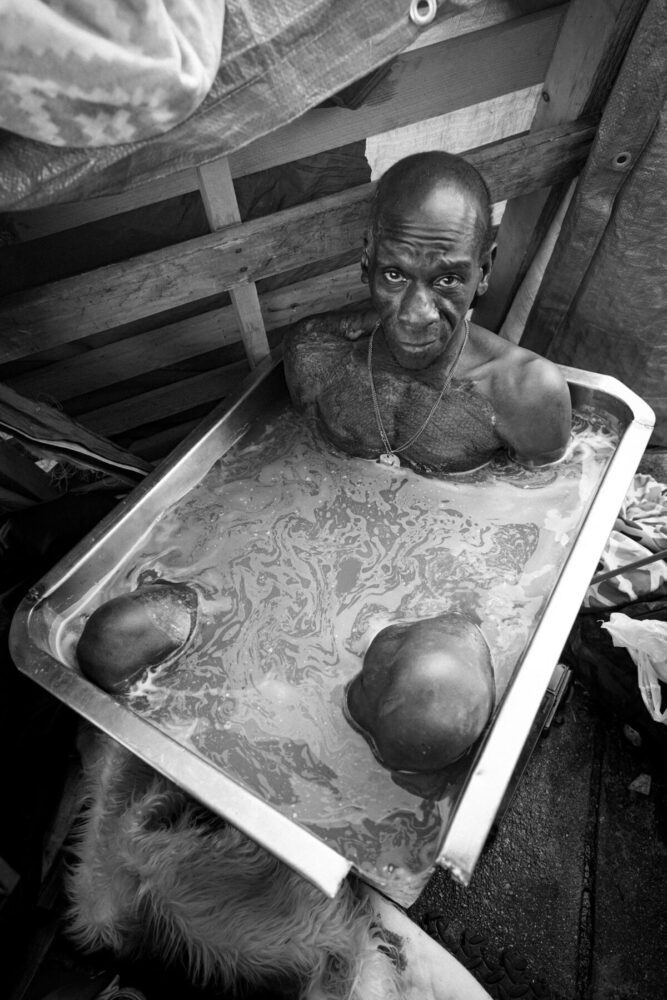
Joe is clear about one thing. His work starts with the basic act of paying attention to another human being.
“I always try to learn about people and just find out a story about them. That’s what shows the real, human side. Not ‘woe is me.’ A lot of folks are out there for reasons that started long before they hit the streets. And I don’t think it’s always necessary to focus on just the street stuff. What really reshaped my view were their lives before that, what they carried into this chapter. I didn’t even realize how hardwired some of my views were before I started spending time out there.”
He said it changed how he sees people completely.
“I used to look at homeless folks like they were different. Now I see it as just a different living condition. It’s no different than you or me, just no hard walls. And when I photograph people out there, I try to show them with dignity. They don’t need to look all down and out. There’s happiness out there. There’s community. There’s greatness. Yeah, there’s also a lot of pain and addiction and trauma, but the pain always gets shown. I try to show the heart.”
That deeper understanding of the complexity, the contradictions is what he wants others to see too.
“We’ve got this blanket idea of what a homeless person is and why they’re there. But it’s layered. One-third of the homeless population suffers from mental health issues. A lot are self-medicating. PTSD, abuse, trauma. It’s not just about drugs. It’s what happened before the drugs. And yeah, I get that people don’t want that in their neighborhoods, especially if they have kids or they’re homeowners. But if people looked over the fence a little more, got to know the people on the street, I think they’d be more compassionate. More open to helping. Not just saying, ‘get the fuck out of my neighborhood.’”

Long before he ever picked up a camera with intent, Joe was already drawn to the kinds of people and places that would shape his work. Richmond was part of it. “I was obsessed with hobo culture,” he said. “I liked running around abandoned buildings with graffiti writers. I was drawn to punk kids and DIY projects.”
He chased trains, kicked it with skaters, and sought out anyone building their own world from the ground up. That instinct to find the real, the self-made just kept growing.
“A lot of people in the punk community are open to DIY projects and more open-minded,” he told me. “I was always attracted to those scenes. Once I started writing and taking photos, all of it started to come together.”
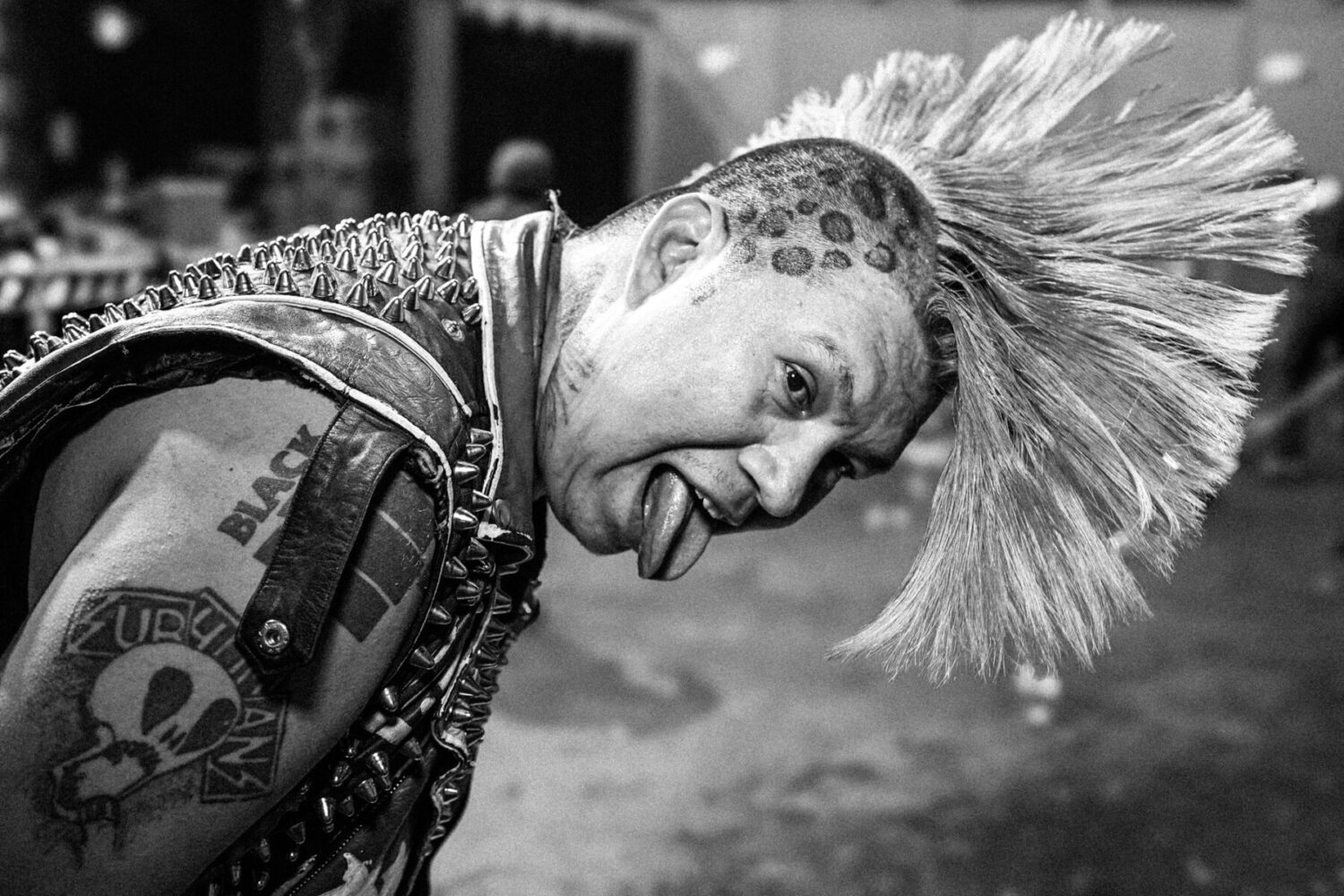
When he moved west, LA just gave him more ground to cover. The alleyways stretched wider, the subcultures got louder, but the approach stayed the same: find the people nobody’s watching and tell their story without flinching or dressing it up.
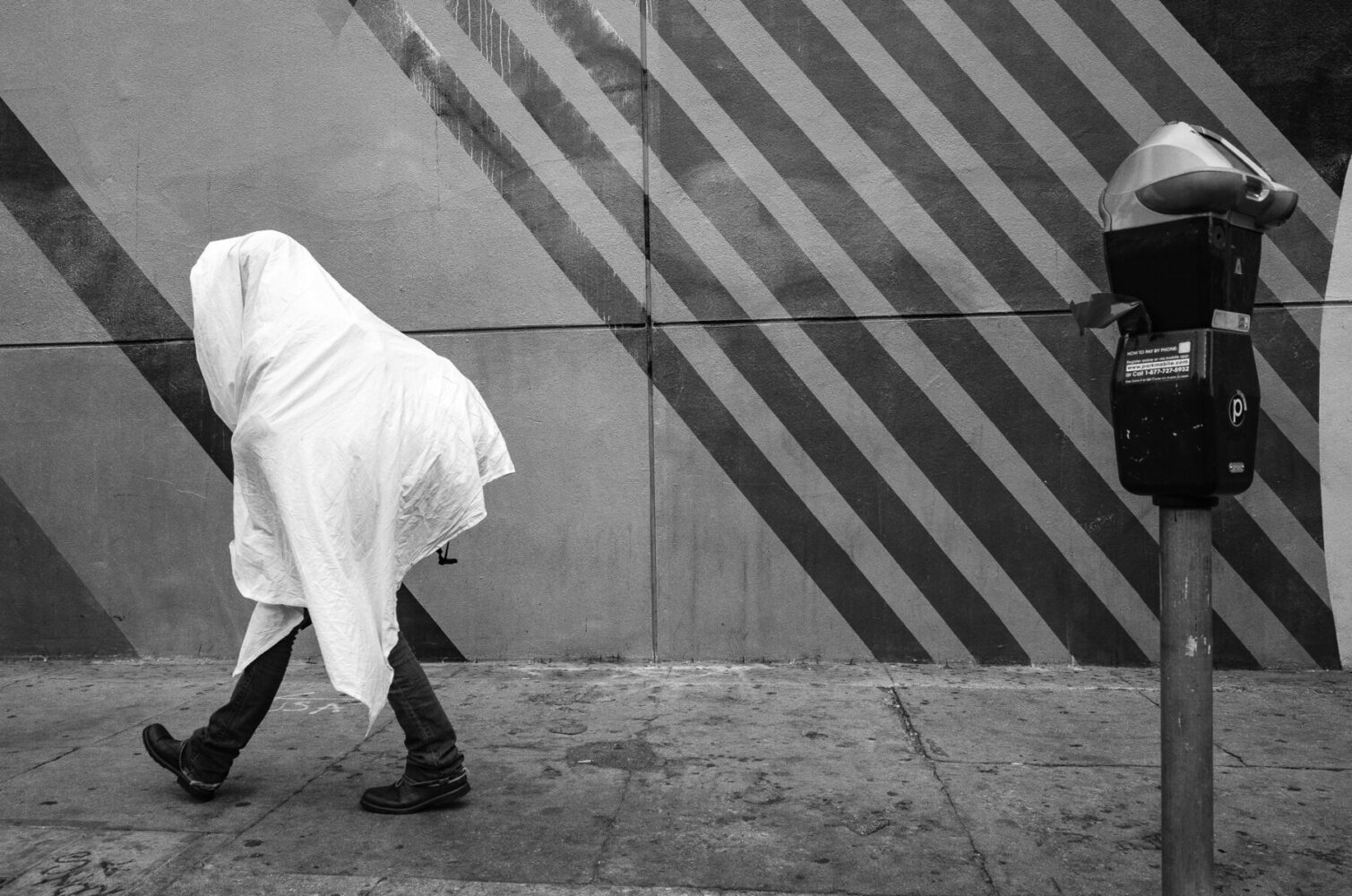
“I don’t know until I see it,” he said. “It’s based off of gut, based off of my deep curiosity for everything. Like, you know, I do like people who are, they stand out one way or another. It could be anything from, you know, a niche subculture, people who live on the margins, to somebody who just has a very bold style, or the person who I think looks very normal, but I’m like, “Well, what is their life?”
So it’s hard to say. It’s really just kind of a meter. But like, I just go out, and I go walking a lot. And I ask to take their photograph, and then that’s really transpired into a lot of subculture communities opening their doors.
For me, it’s a lot of what this doc will be about. I went to all different worlds and have been photographing different subcultures from some of the sex workers and pimps of Figueroa Street, to the guys who ride dirt bikes all around the city in Los Angeles, to these clown punks who live down in Long Beach. And they are not whatever you call them, they’re not Juggalos. They’re just this whole different thing that’s happening here with all these punks that dress up like clowns.
I’ve been shooting so much punk rock Fight Club. I’ve been shooting gangsters, you know, going into walks and stuff. And I met a bunch of people from gang neighborhoods. And a lot of that work carried over from the stuff I did in Skid Row, in that people I didn’t know from some of these communities were following me, or I actually had helped out some of their family members, their friends who were down and out, and they really just welcomed me in and started opening doors.
And I think people started seeing more of my work and realizing that I handled it in a very responsible way, trying to be non-exploitive and dignifying, and sharing their stories. So it kind of became a waterfall effect. But again, it took years to get there. It didn’t happen overnight.”
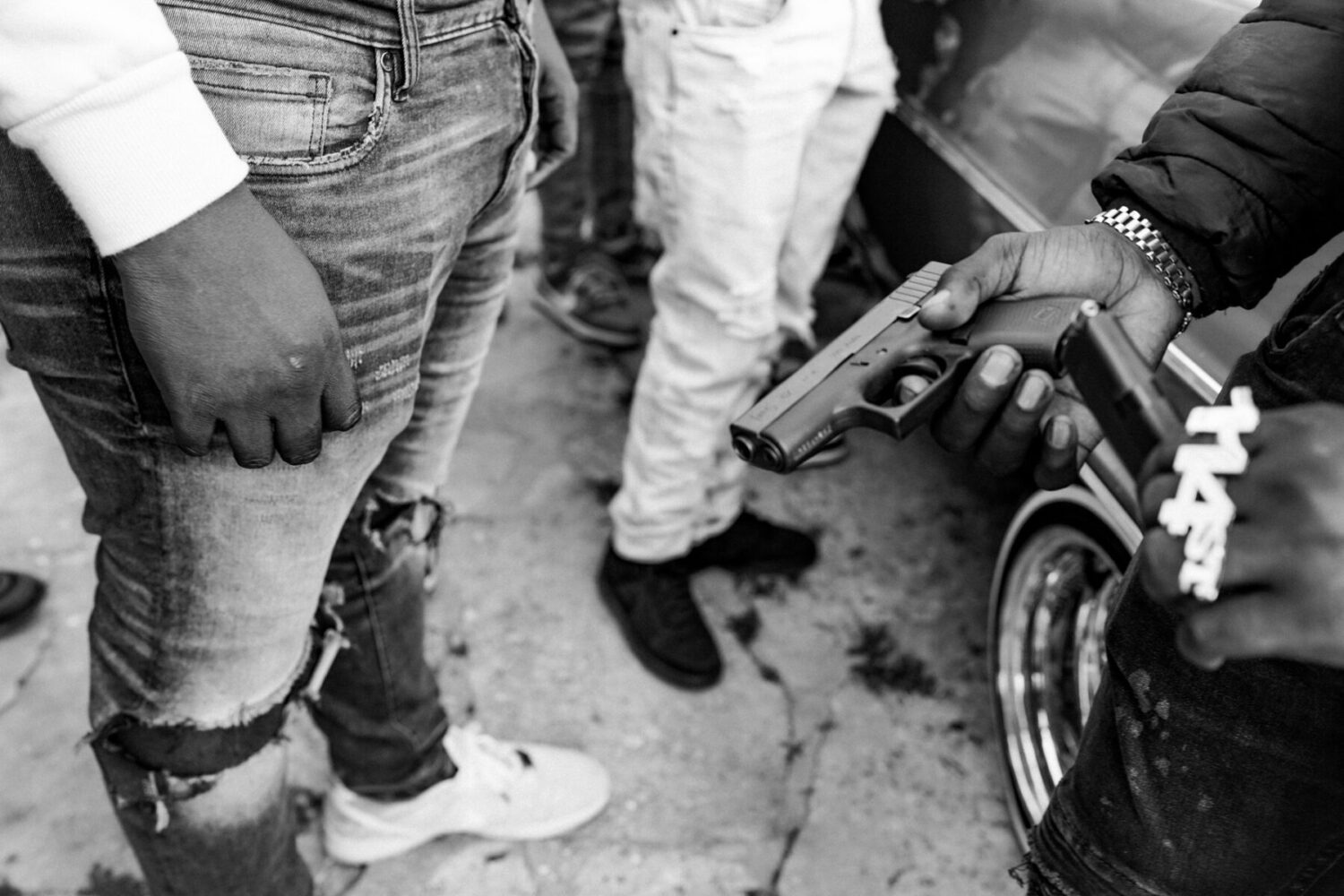
Before he ever studied photographs, Joe studied people through books.
“In the beginning I didn’t look at photography. I didn’t want to be influenced. I wanted to find my own voice.”
So he buried himself in the grit of literature: Bukowski, Iceberg Slim, Flannery O’Connor, Raymond Chandler. He read hobo memoirs by Leon Ray Livingston and stories of life on the rails, in the alleys, in the margins.
“The characters in those books inspired me. There was honesty there, not romantic, not sugarcoated, just people living how they had to live. And I kind of wanted to go see for myself at a certain point. Living in LA gave me that opportunity. And the more I explored, the more I opened up.”
Only later, when he had found his rhythm and understood his voice, did he start pulling from photographers. Helmut Newton taught him about control, how to shape a frame with intention. Vivian Maier hit deeper.
“We don’t shoot anything alike, but I admire a lot of photographers for different reasons. Vivian Maier is one I really love. Her work wasn’t discovered until after she died hundreds of thousands of rolls, some never even developed. I think she’s the greatest street photographer of all time. I remember reading about her and thinking, I can do that too. Not in terms of copying her style, but in how prolific she was. That stuck with me. When I’m into something, I want to be in it every day, every night, nonstop. And that’s what she did. I got into photography later in life, but I told myself that was okay. I’d just immerse myself in it the way I do with anything I love. I buy a lot of photo books now, and there are definitely other photographers I respect but I’m not trying to mimic anyone. I like staying in my own lane.”
Now that he’s built his own catalog, he pays more attention to who else is out there grinding. “Merrick Morton’s a great photographer. He’s just starting to put out books, but he’s got this insane body of work. Back in the 80s, he was documenting LA gangs gritty, real stuff. And then there’s Mike Brodie. He captured a lot of the train-hopping world, and I’m a big fan of his work and his style. I don’t shoot in color, but I love his use of it. It just fits what he’s capturing.”

When I asked if he had any advice for people starting out, Joe didn’t hesitate.
“Yeah, I’ve got a few things I always tell people. First, don’t be afraid to suck. You’re not going to be good at the start, but that doesn’t matter, just keep going after whatever it is you want. There’s no real roadmap to creative success. That’s something I keep learning over and over. Ask questions, learn from people who’ve done it well, but understand you’ll have to forge your own path. You’ll make mistakes, and that’s part of it. Every mistake is just learning. I’m still making them, constantly, and I don’t even see them as bad anymore. You just keep going.
When it comes to photography or art, I always tell people: don’t listen to anyone. I don’t even always agree with what other photographers do, but that’s fine. Put on your blinders and make what you want to make. Do it your way. And if you’re doing documentary work, especially involving people in tough situations, just be honest. But be respectful too. You can do both. That’s the line I try to walk.”
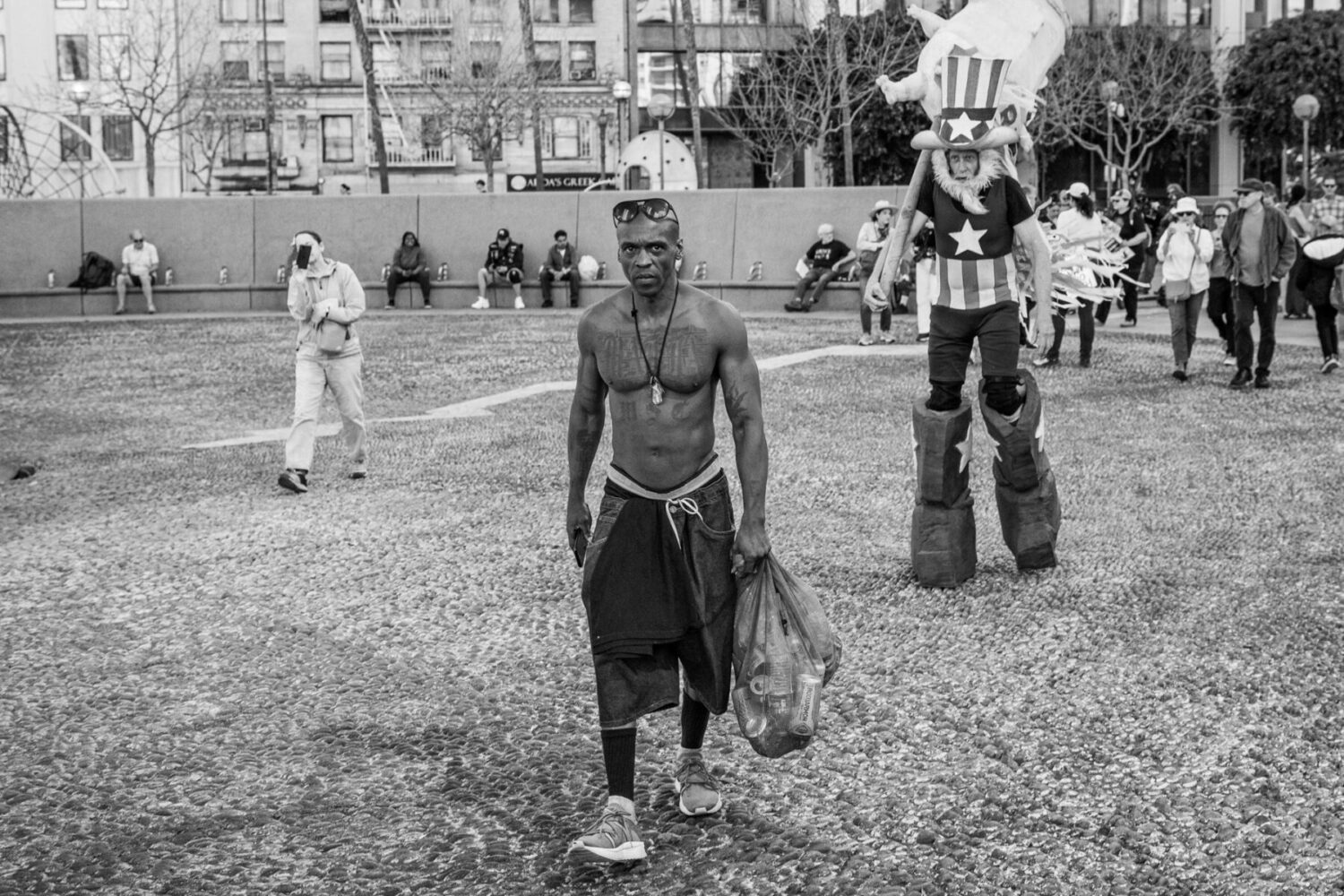
His third book, City and Soul, is now with his editor. For the first time he has paired portraits with short stories and captions for every subject. He is also wrapping a three year documentary directed by filmmaker Joe Gasparik. The film follows him into subcultures across Los Angeles while he photographs and interviews people.
“Joe has been filming me while I shoot. He is cutting it now. It is going to be a whole new chapter.”
When both projects are out, he plans to pitch his own exhibition. “That is the goal. Baby steps, but that is where I want this to go.” And he is returning to the East Coast soon. “DC, Philly, New York, but Richmond is a must. I want to come back.”

With everything you’ve seen and documented, do you still have faith in humanity?
“Yeah, I’m jaded about some of it,” he said, “But at this point, I see being alive as just an experience we all get, no matter how it plays out. I’ve been lucky enough to be welcomed into a lot of different worlds, different environments, different cultures and that’s given me a broader view of people and the human condition.
Despite political or religious differences, at the core, people are mostly the same. I draw hard lines when it comes to racism and oppression, but even in the subcultures I’ve explored, I’ve found that most people just want to be heard. They want to be loved. They want to love in return. A lot of the beliefs that divide us come from how we were raised. Some folks don’t even realize they’re being closed-minded, but I’ve seen people change. I’ve changed.
So yeah, I still believe there’s hope. If you look back at history, it’s always been a cycle. Society hits lows, but we tend to swing back toward something better. I think we’ve got some great years ahead of us. We just have to get through a little more shit first.”
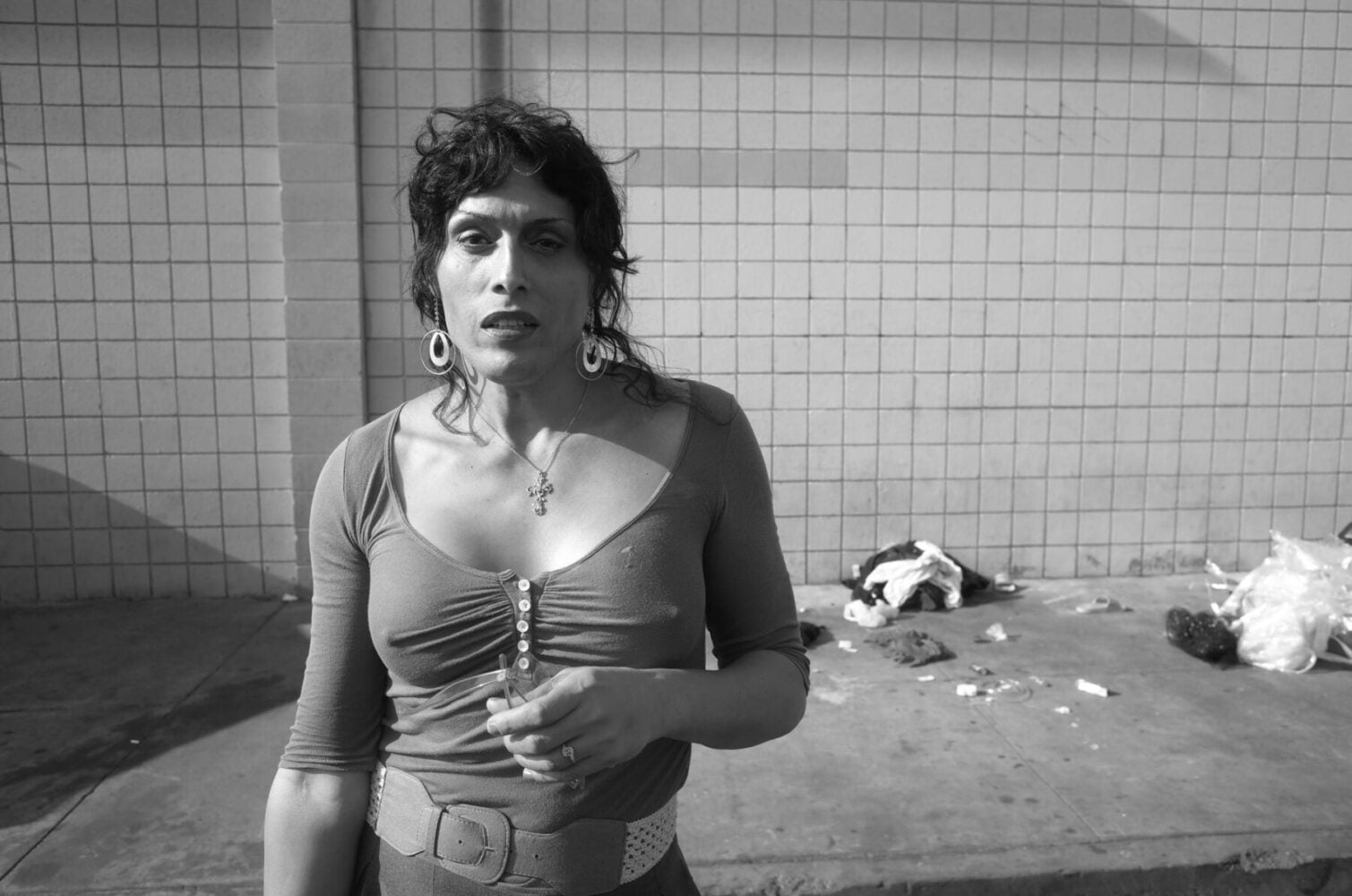
Main photo: Sweet Stephanie | Stephanie works what is known as the “Hoe Track” inside Skid Row. Over the years, many sex workers here have been attacked, assaulted, and even murdered. Photo by Suitcase Joe
Support RVA Magazine. Support Independent Media in Richmond.
At a time when media ownership is increasingly concentrated among corporations and the wealthy, RVA Magazine has remained one of Richmond’s few independent voices. Since 2005, the magazine has provided grassroots coverage of the city’s artists, musicians, and communities, documenting the culture that defines Richmond beyond the headlines.
But we can’t do this without you. A small donation, even as little as $2, one-time or recurring, helps us continue to produce honest, local coverage free from outside interference. Every dollar makes a difference. Your support keeps us going and keeps RVA’s creative spirit alive. Thank you for standing with independent media. DONATE HERE.
We’ve got merch HERE
Subscribe to the Substack HERE
And Reddit HERE
And YouTube HERE
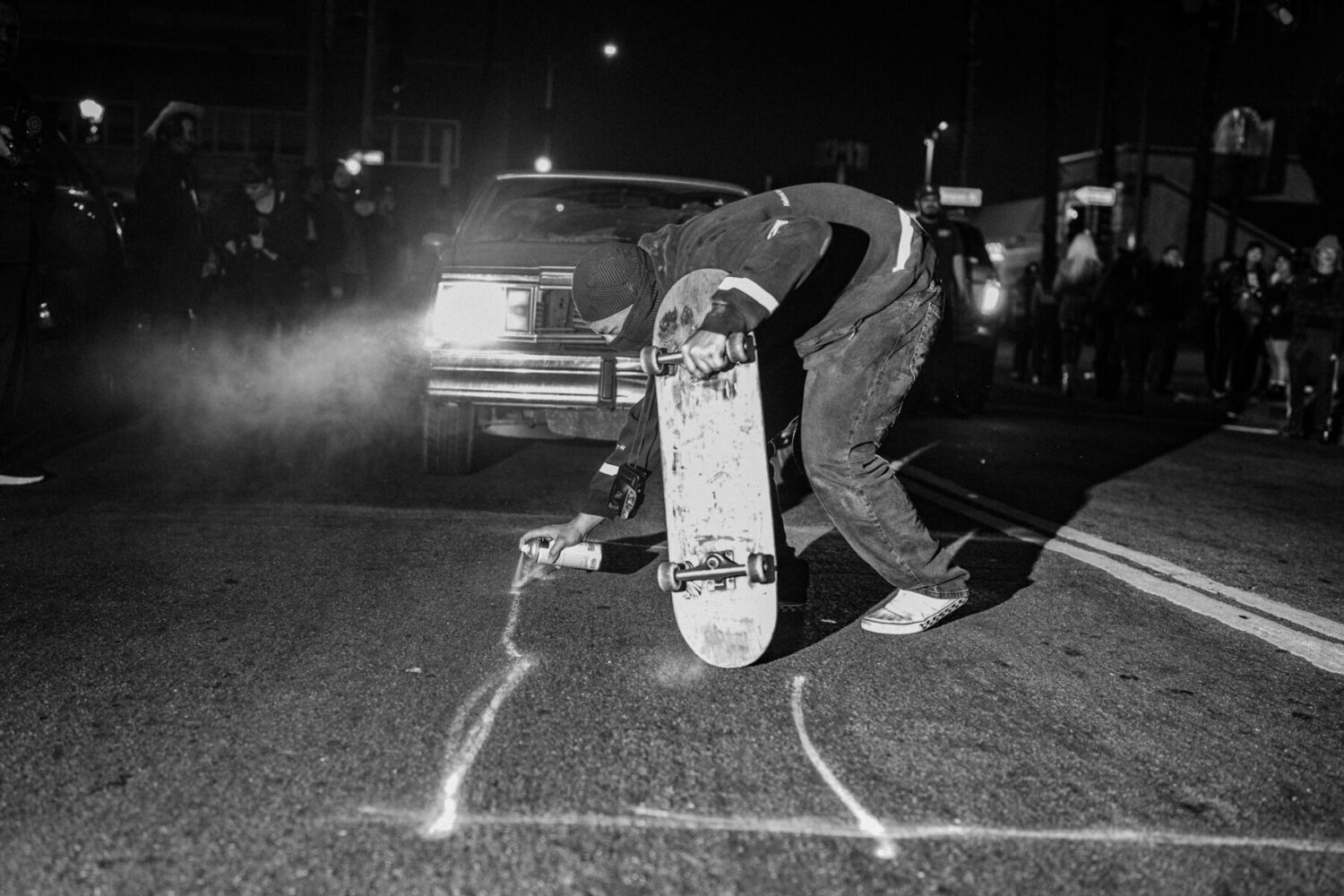
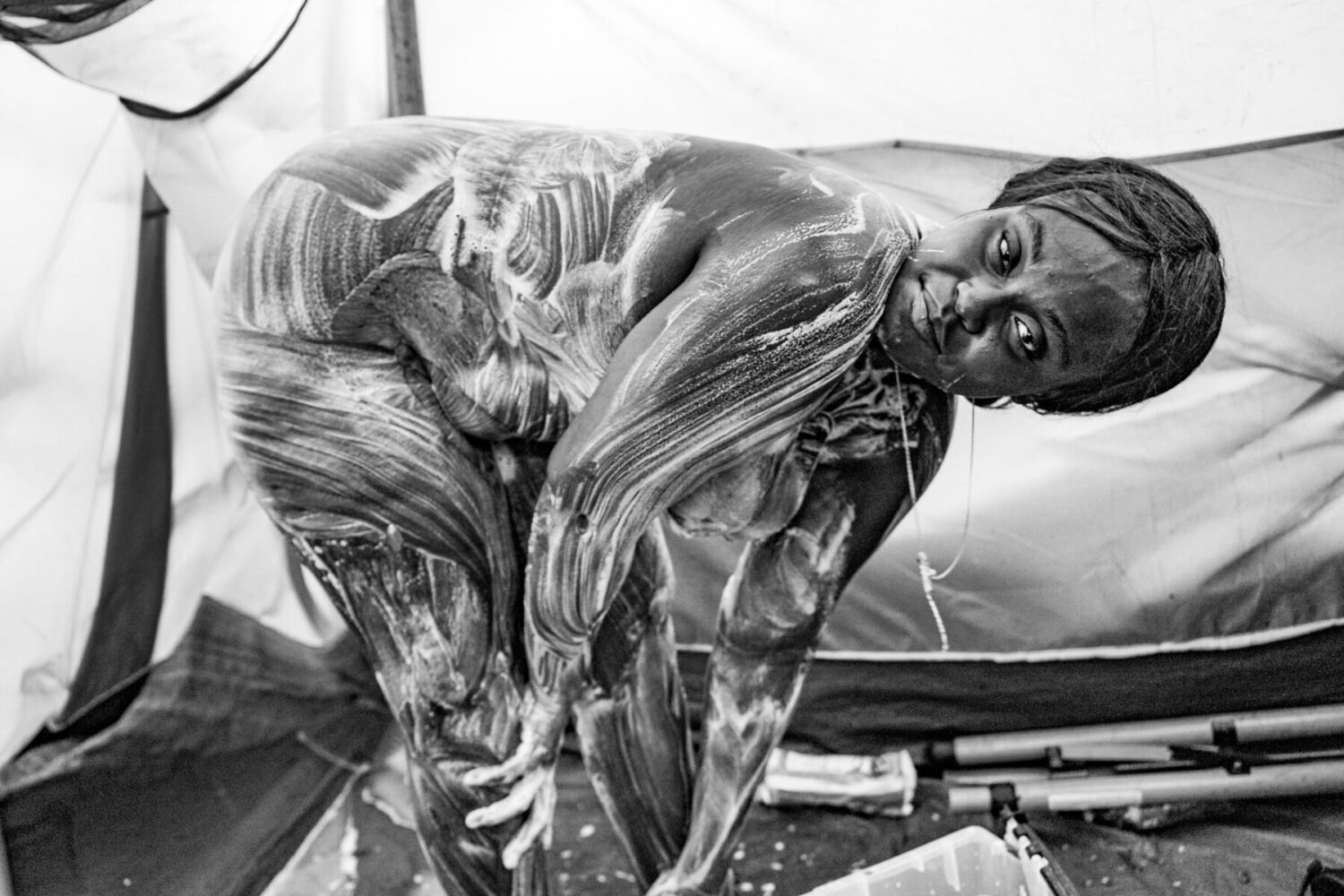
bathe after collecting water from a nearby fire hydrant. Photo by Suitcase Joe

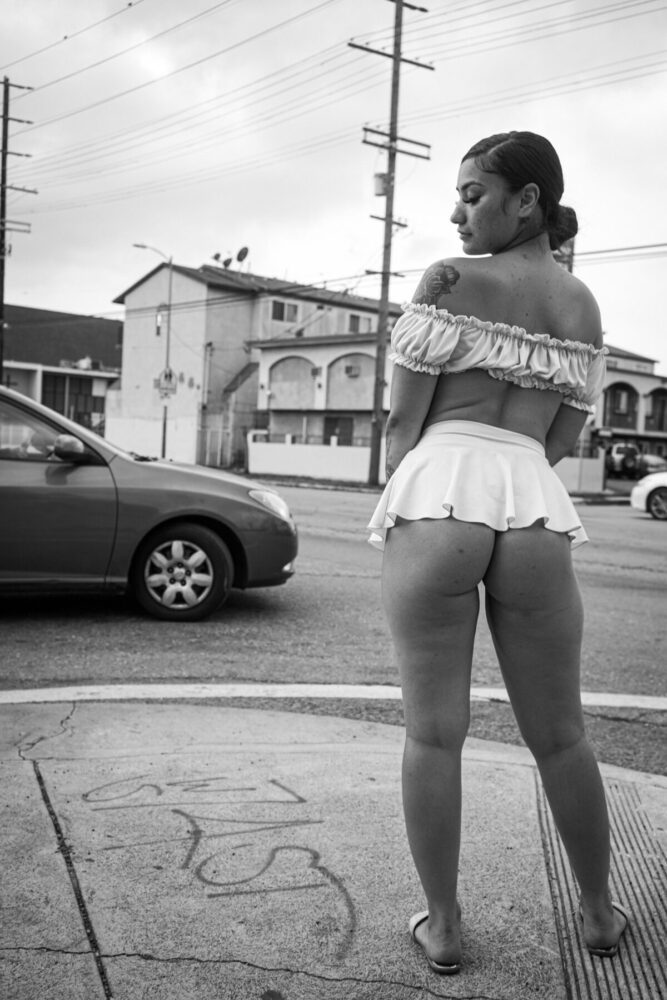
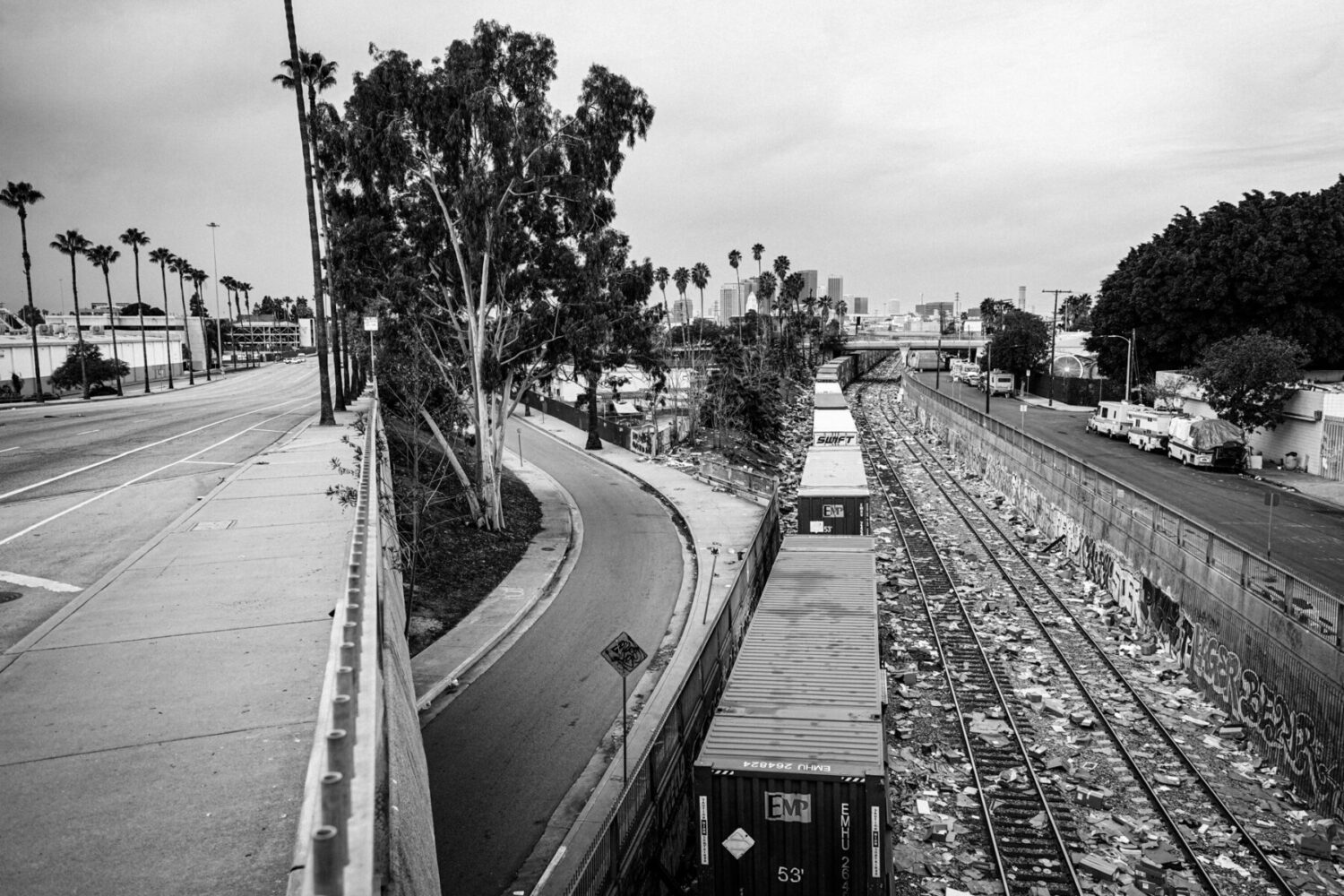
place for just about everyone who goes there. Photo by Suitcase Joe

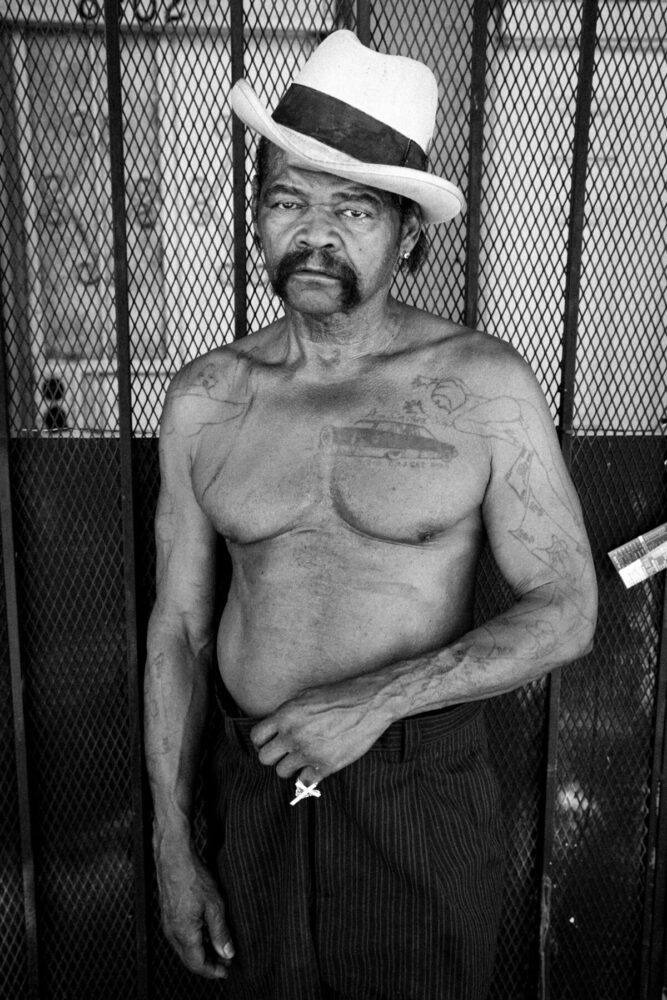
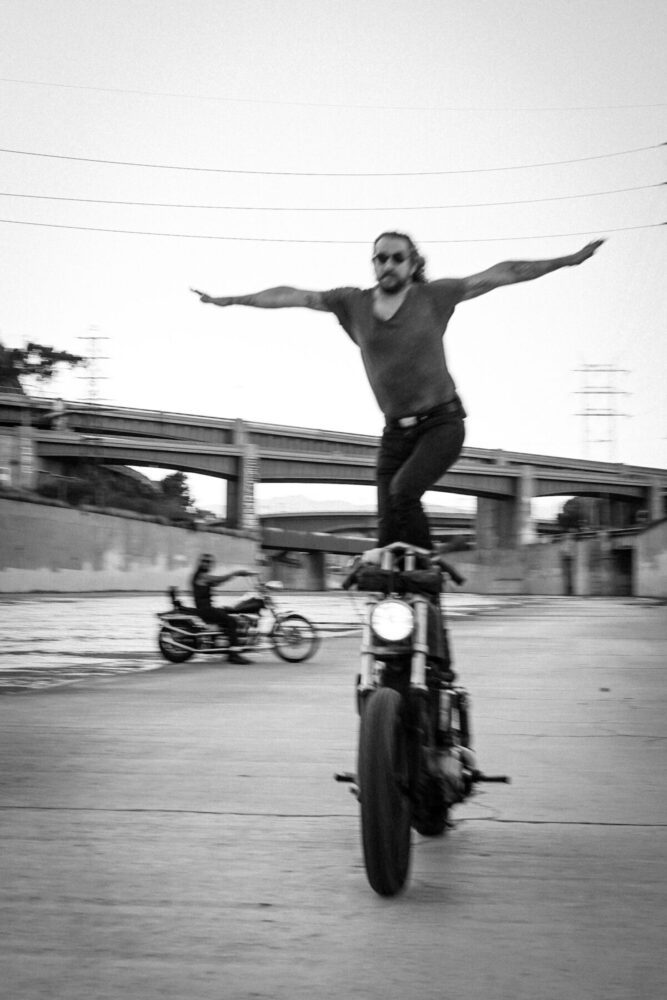
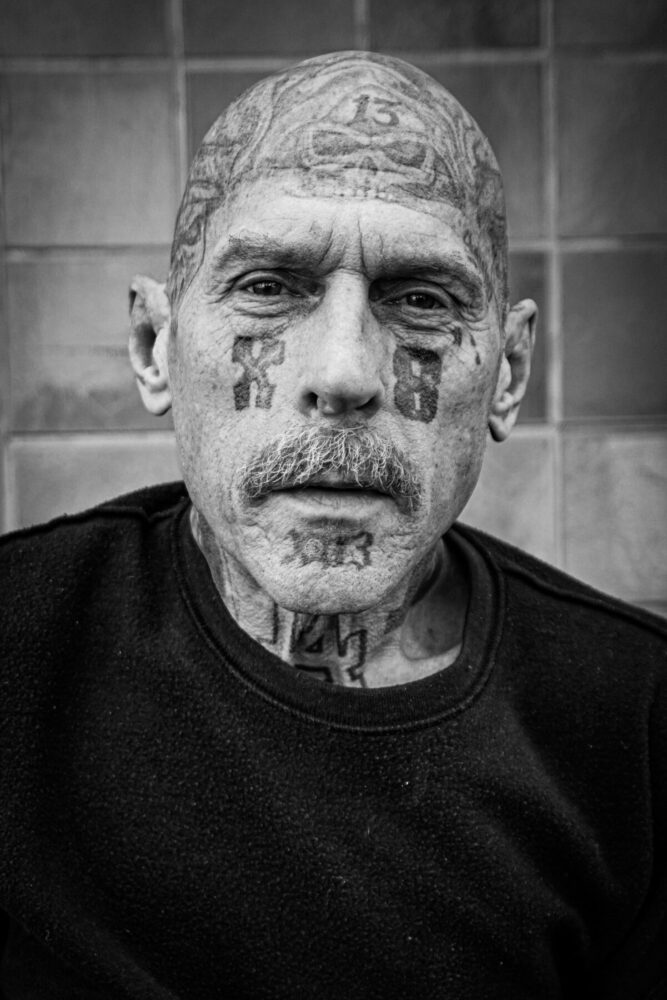
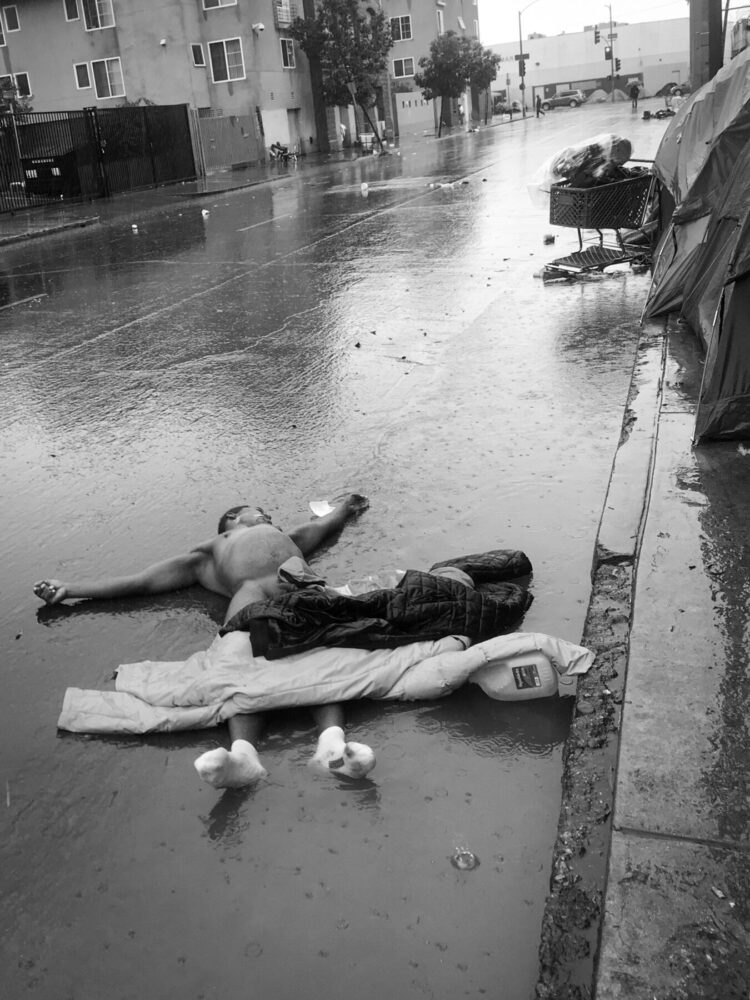
the Los Angeles River. The photo was the last image in my second book Grey Flowers. Photo by Suitcase Joe
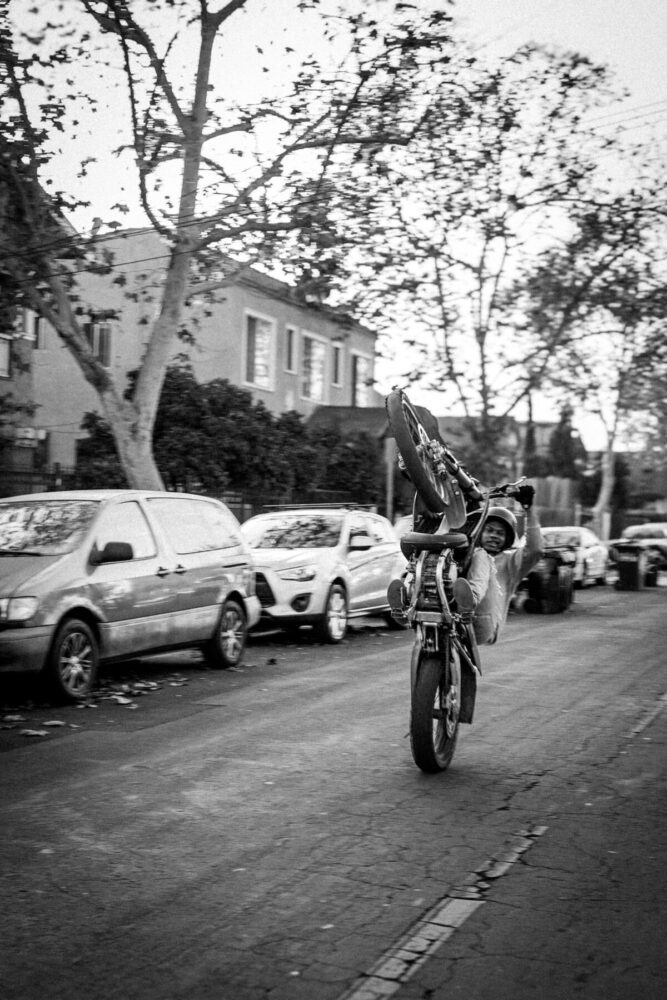
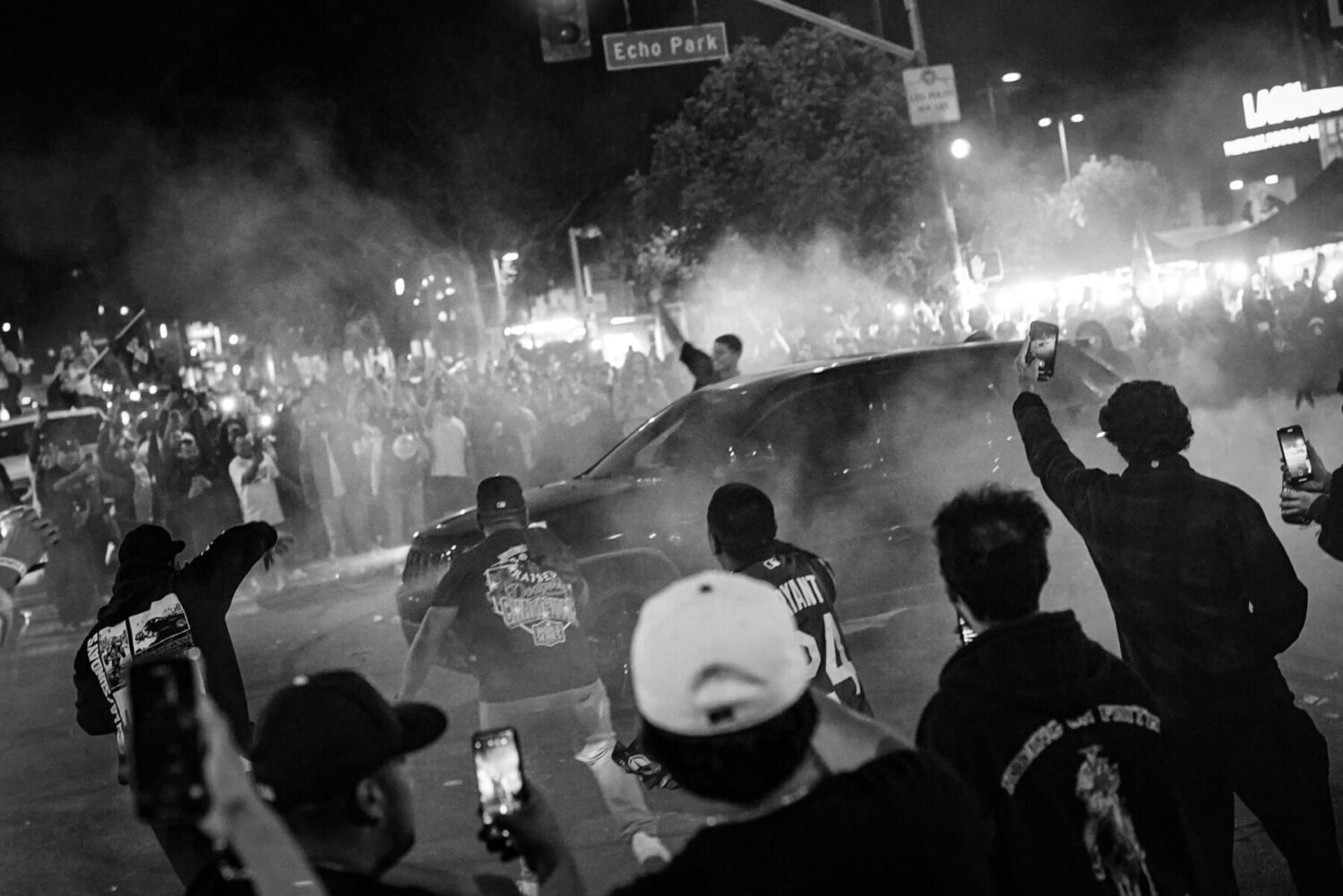
in the neighborhood of West Adams. Photo by Suitcase Joe