
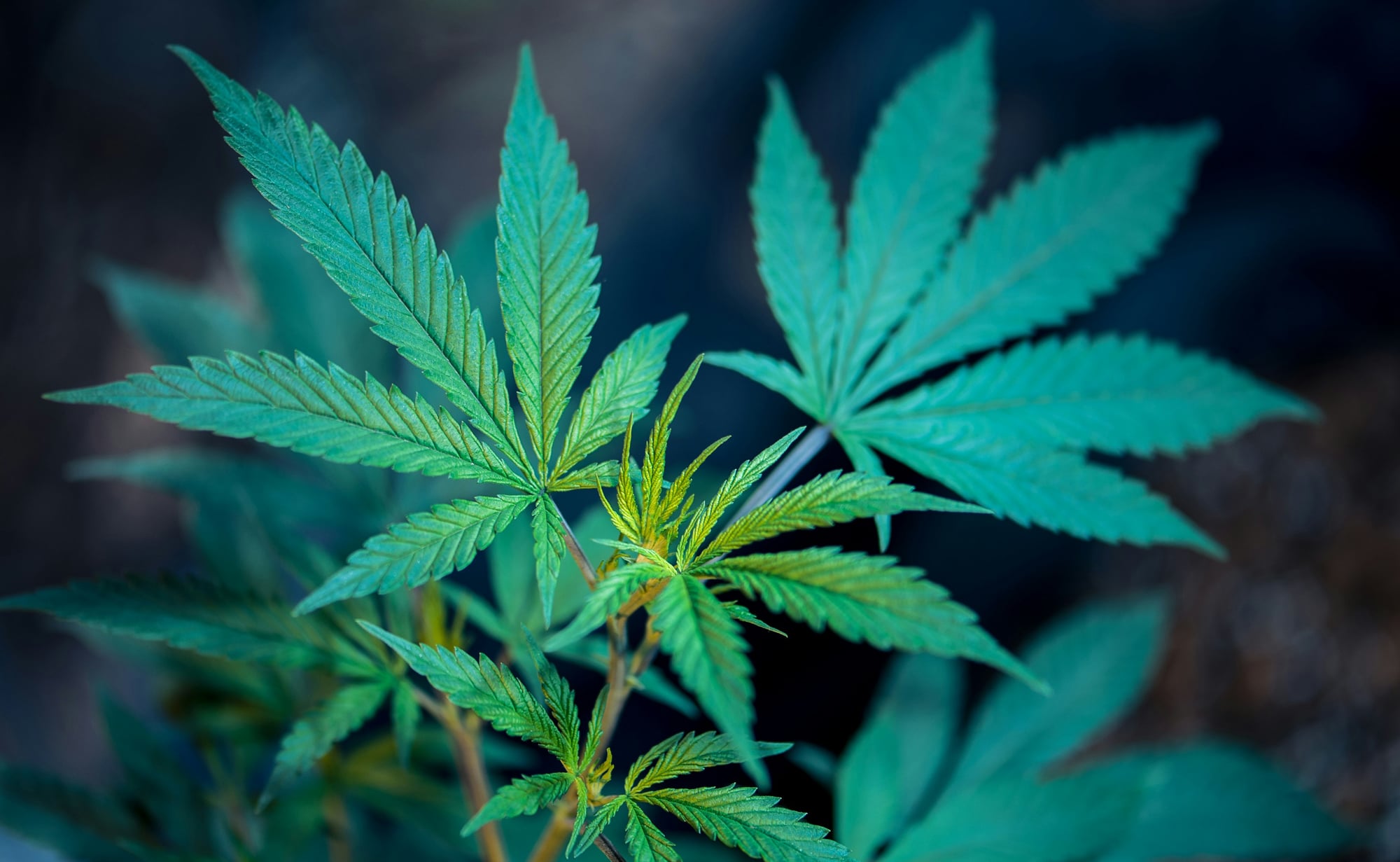
After years of legislative battles, vetoes, compromise negotiations, and numerous articles, Virginia finally has a roadmap for legal recreational marijuana sales. The state budget signed into law earlier this week establishes a regulated cannabis marketplace beginning July 1, 2027. Until then, many of Virginia’s marijuana laws remain exactly as they are today.
Here’s what you need to know.
Key Dates to Know
July 1, 2026
The new cannabis law takes effect as part of Virginia’s state budget. The Virginia Cannabis Control Authority begins taking over regulation of the future recreational market, and the state begins implementing new rules affecting hemp-derived products and cannabis businesses.
August 15, 2026
This is the first major deadline for Virginia’s hemp industry. Under the new law, the state’s long-standing “25:1” CBD-to-THC exception is eliminated, meaning many intoxicating hemp products that are currently sold in vape shops, smoke shops, convenience stores, and CBD retailers may no longer qualify for legal sale. Industry groups estimate this could significantly reshape Virginia’s hemp market nearly a year before recreational marijuana stores are allowed to open.
July 1, 2027
Licensed recreational marijuana sales officially begin in Virginia. Adults 21 and older will be able to purchase cannabis from state-licensed retailers, ending the nearly six-year gap between legal possession and legal retail sales.
Can I legally buy recreational marijuana today?
No. Virginia still does not have legal recreational cannabis stores. While adults can legally possess marijuana and grow a limited number of plants at home, there is currently no legal retail market for recreational sales. That won’t change until July 1, 2027.
Can I still legally possess marijuana?
Yes. Virginia’s existing legalization law remains in place. Adults 21 and older can legally possess marijuana for personal use and grow up to four plants at home, provided they follow state requirements.
How much will I be able to buy?
Beginning July 1, 2027, adults will be able to purchase up to two ounces of marijuana in a single transaction from licensed retailers. That’s an increase from Virginia’s current one-ounce legal possession limit.
Where will I be able to buy it?
The state hasn’t issued any licenses yet. Over the next year, the Virginia Cannabis Control Authority will develop regulations, accept applications, and begin licensing businesses. Once the market opens, Virginia expects to license as many as 350 retail cannabis stores statewide.
Will Richmond have dispensaries?
Probably. Richmond already has one of Virginia’s largest concentrations of hemp retailers and medical cannabis infrastructure, making it a logical place for recreational dispensaries once licensing begins. Exactly which businesses receive licenses, and where they ultimately locate, will depend on the state’s application process and local zoning approvals.
What happens to Virginia hemp?
This may be one of the biggest changes in the new law, even though it has received far less attention than recreational marijuana sales.
The legislation transfers oversight of intoxicating hemp products from the Virginia Department of Agriculture and Consumer Services to the Virginia Cannabis Control Authority, bringing them under the same agency that will regulate the recreational cannabis market. It also narrows Virginia’s definition of legal hemp products by eliminating an exemption that allowed certain higher-THC products to qualify if they contained a high CBD-to-THC ratio.
In practical terms, many intoxicating hemp products currently sold in vape shops, smoke shops, convenience stores, and CBD retailers may no longer qualify for legal sale under Virginia law. Businesses that have relied on Delta-8 THC, THCA, and similar hemp-derived products will face significant changes as the new regulations take effect.
That doesn’t mean all hemp products disappear. Traditional CBD products and federally compliant industrial hemp products will continue to be legal. But the state’s rapidly growing intoxicating hemp market is expected to become much more tightly regulated as Virginia transitions to a licensed recreational cannabis industry.
Can cities ban marijuana stores?
No. Unlike some states, Virginia’s new law does not allow local governments to opt out of recreational cannabis businesses altogether.
Cities and counties can still regulate where businesses locate through zoning and land use policies, but they cannot prohibit the industry entirely.
What about medical marijuana?
Virginia’s medical cannabis program isn’t going away. Patients with medical certifications will continue to have access to licensed medical dispensaries. Existing medical cannabis operators will also have an opportunity to enter the recreational market by paying a licensing conversion fee.
What taxes will I pay?
Recreational marijuana sales will include:
– A 6% state cannabis excise tax
– Virginia’s 5.3% sales tax
– An optional local tax of up to 3.5%
Beginning in 2029, the state excise tax increases to 8%.
Is public smoking legal?
No. The new law actually increases the penalty for consuming marijuana in public. The civil fine rises from $25 to $250, one of the more controversial provisions included in the compromise legislation. Supporters argue the change discourages public consumption. Critics say it could disproportionately affect lower-income Virginians and communities of color.
Can marijuana be delivered?
Yes. The legislation allows licensed delivery services once the recreational market launches.
What’s still illegal?
Even after retail sales begin, several activities will remain illegal, including:
– Driving under the influence of marijuana.
– Selling cannabis without a state license.
– Possessing more than the legal limit.
– Providing marijuana to anyone under 21.
– Consuming marijuana in public places, which carries a $250 civil penalty.
Why did this take so long?
Virginia legalized possession and home cultivation in 2021 but never established a legal retail marketplace.
Former Gov. Glenn Youngkin vetoed multiple bills that would have created one, leaving the state in an unusual position where adults could legally possess marijuana but had no legal place to buy it.
Gov. Abigail Spanberger initially vetoed a legalization bill this year as well, citing concerns over the timeline and regulatory structure. After negotiating a compromise with lawmakers, those provisions were included in the state budget, creating the framework that has now become law.
What’s next?
The next year will largely be spent building the market. State regulators must write rules, license businesses, and establish testing, packaging, and safety requirements before sales begin.
If everything stays on schedule, Virginia’s first licensed recreational marijuana stores will open on July 1, 2027, finally bringing legal retail sales to a state where marijuana has been legal to possess for nearly six years.
Photo by Roberto Valdivia
Support RVA Magazine. Support Independent Media in Richmond.
At a time when media ownership is increasingly concentrated among corporations and the wealthy, RVA Magazine has remained one of Richmond’s few independent voices. Since 2005, the magazine has provided grassroots coverage of the city’s artists, musicians, and communities, documenting the culture that defines Richmond beyond the headlines.
But we can’t do this without you. A small contribution, even as little as $2, one-time or recurring, helps us continue to produce honest, local coverage free from outside interference. Every dollar makes a difference. Your support keeps us going and keeps RVA’s creative spirit alive. Thank you for standing with independent media. SUPPORT HERE.
We’ve got merch HERE
Subscribe to the Substack HERE
And Reddit HERE
And YouTube HERE