Richmond has been popping up on a lot of national lists lately. For many longtime residents, that’s a mixed bag. More attention brings investment, jobs and opportunities along with higher housing costs, heavier traffic and a city that seems to get a little more expensive every year.
But it’s hard to ignore what’s happening. In just the past few weeks, Richmond has landed on national rankings for job growth, recreation, housing and even World Cup television viewership. None of those reports are measuring the same thing but they’re all pointing in roughly the same direction.
Along with all that, the region is wrestling with growing pains. There’s a proposed sales tax increase to help fund Richmond city schools, expanding Flock camera networks and the privacy concerns they raise, the ongoing battle over data centers, questions about whether Dominion’s proposed utility merger could add to already rising electricity costs, and, just to keep things interesting, a severe summer drought. None of those issues are directly related, but together they capture a city trying to figure out what comes next.
The biggest nod may have come from LinkedIn since its rankings tend to get the attention of the business community.
The professional networking platform recently ranked Richmond No. 2 on its 2026 Cities on the Rise list, up from No. 13 a year ago. LinkedIn credits Richmond’s location, a growing economy and a lower cost of living than many East Coast metros for attracting more new residents than anywhere else in Virginia. The report points to Richmond’s growing role as a technology hub. Four undersea fiber optic cables land in Virginia and converge near the region and companies like Meta and Iron Mountain continue investing in local data centers, a trend that has sparked serious pushback from residents. Hiring is growing across several industries, particularly banking, healthcare and higher education. Capital One, Virginia Commonwealth University and VCU Health remain among the region’s biggest employers, and nearly one in four local jobs now offer either remote or hybrid work.
And it isn’t just jobs.
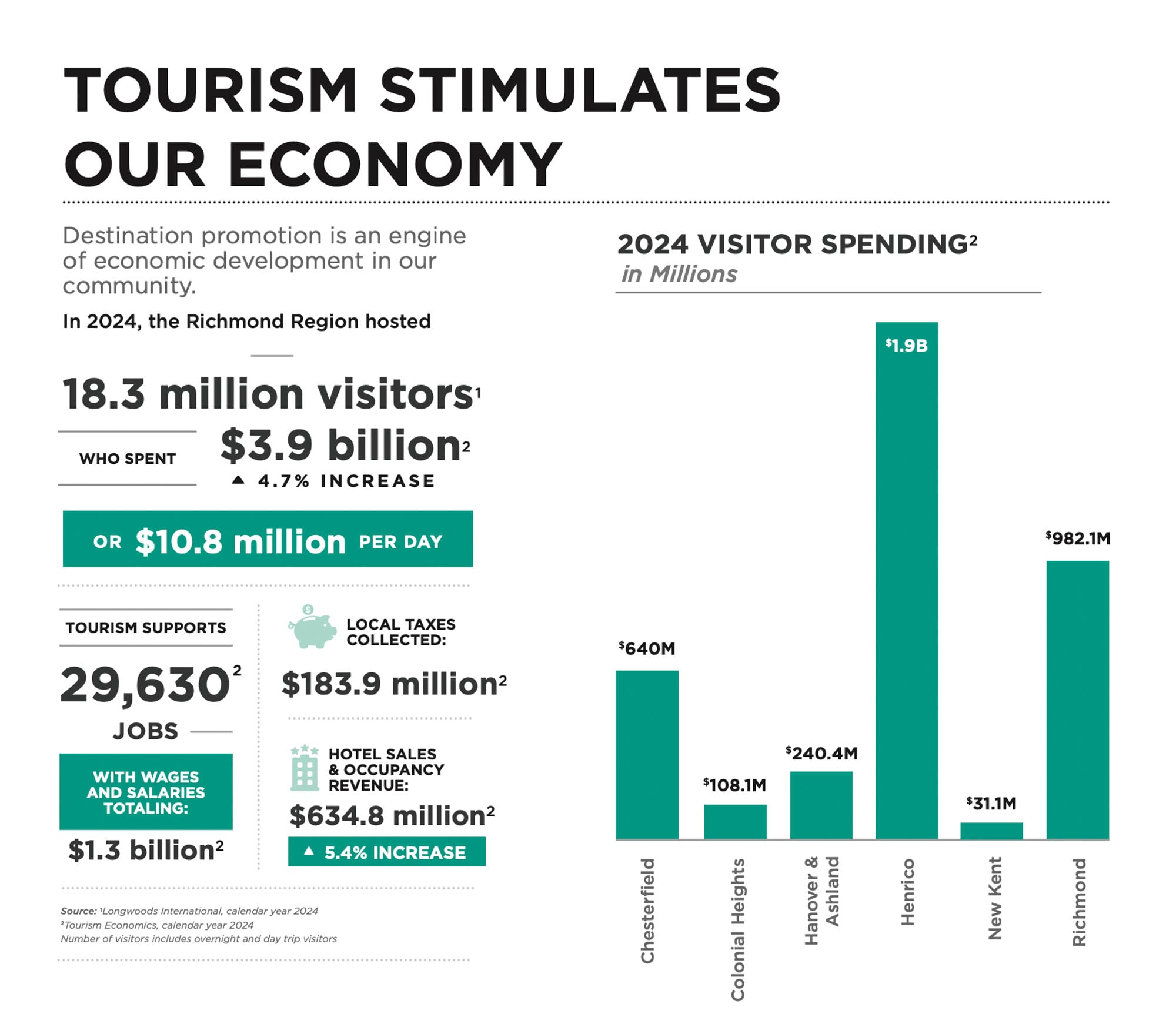
Richmond Region Tourism recently reported a record year. The region welcomed 18.3 million visitors in 2024, who spent a record $3.9 billion or the equivalent of about $10.8 million every day. Tourism now supports nearly 29,630 jobs and generated $183.9 million in local tax revenue. Henrico alone accounted for nearly $1.9 billion in visitor spending last year, while the City of Richmond generated just under $1 billion.
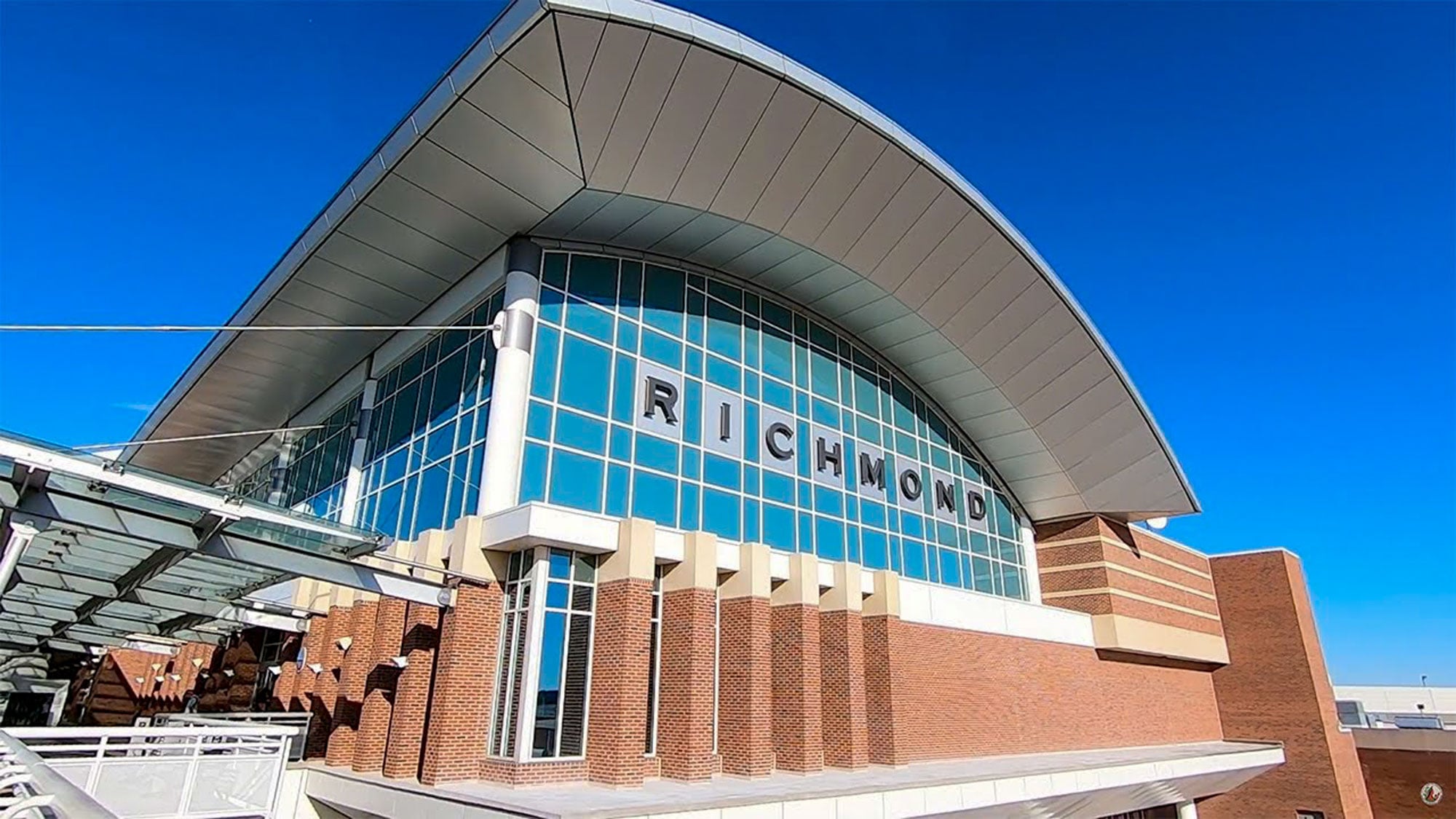
Richmond International Airport is seeing the same kind of momentum. RIC set records for both passenger traffic and cargo volume in 2025 for the third straight year. More than 4.9 million passengers passed through the airport, while nearly 223 million pounds of cargo moved through its facilities. Those record numbers are helping fuel Wheels Up 2030, a long-term plan to expand and modernize the airport. The initiative includes a new consolidated security checkpoint, terminal renovations, expanded concessions and other improvements aimed at elevating RIC from a small hub to a medium-sized airport capable of attracting more travelers, additional flights and new economic development.
And if you’re looking at Richmond from the outside, it apparently looks like a pretty fun place to be.
Take this one with a grain of salt, but StorageCafe recently ranked Richmond the No. 9 Most Fun City in America, making it the highest-ranked city in Virginia. The study looked at the concentration of restaurants, entertainment venues, recreation areas and leisure shopping destinations relative to population. According to the report, Richmond has more than 1,850 places to eat, shop and play, including nearly 500 recreation locations. That works out to about 80 leisure destinations for every 10,000 residents, putting Richmond ahead of almost every major city in the nation on a per-capita basis.
The housing market is telling a similar story.
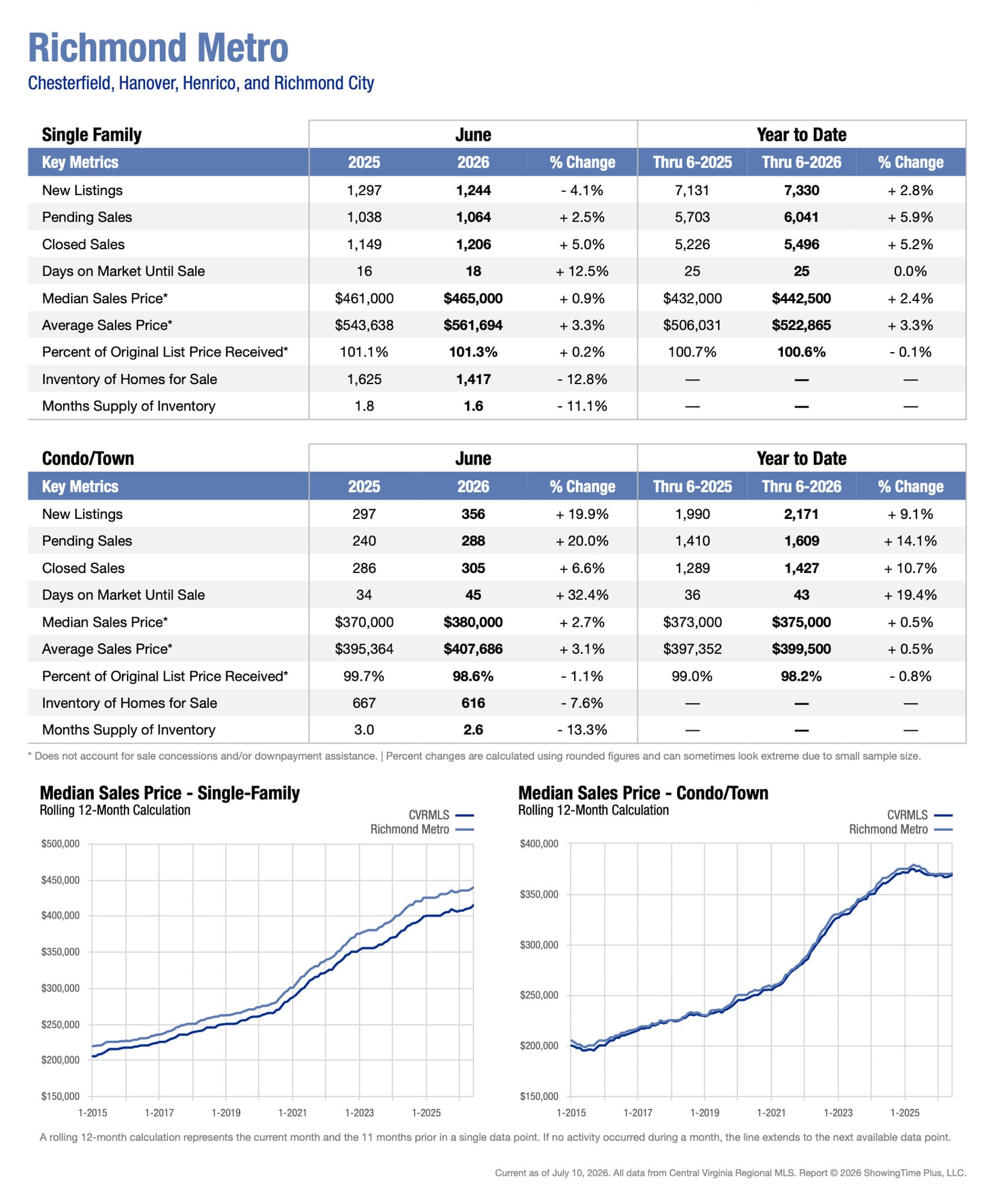
Earlier this month, Virginia Realtors reported Richmond posted the strongest home sales growth among Virginia’s major metropolitan areas during the first half of 2026. Home sales rose roughly 10 percent through June, nearly double the statewide pace, as buyers continued returning to the market despite elevated mortgage rates with much of that activity has been driven by condominiums and townhomes. Unlike the post-pandemic market, home prices have begun to level off. The median sale price for a single-family home in the Richmond metro now sits around $442,500, while the average sale price exceeds $522,000. Inventory has also improved compared with recent years, but homes priced below $350,000 remain in short supply, leaving many first-time buyers competing for a limited number of affordable options.
Even with prices stabilizing, the long-term trend is hard to miss. Metro home values have roughly doubled over the past decade, reflecting just how dramatically Richmond’s housing market has changed.
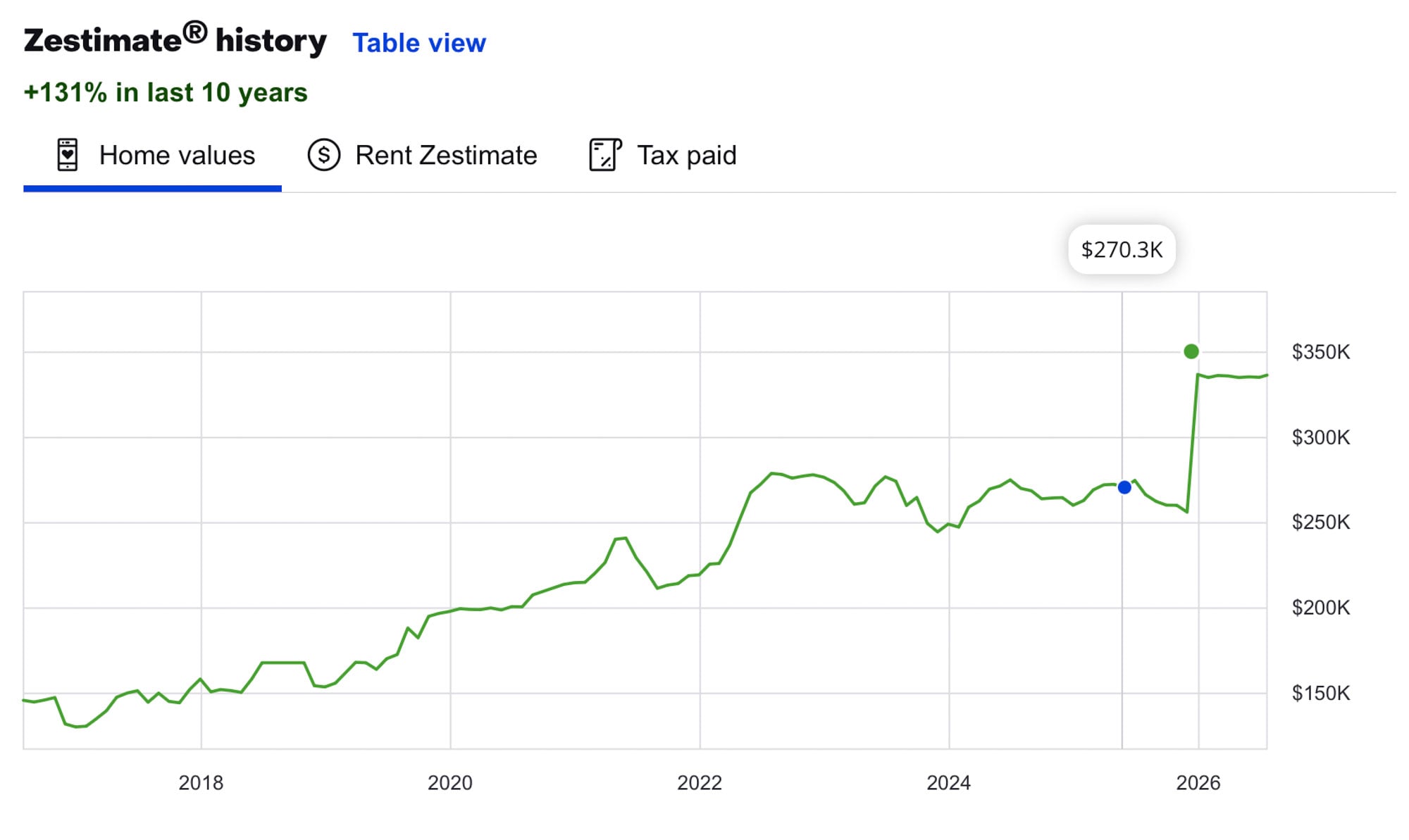
You don’t have to look very hard to see what that looks like. The Zillow estimate for a modest two-bedroom, one-bath home on Lakeview Avenue in Randolph has climbed 131 percent over the past decade, from roughly $145,000 to more than $335,000. It’s just one property, not the entire market, but it illustrates how much home values have changed in a relatively short period of time.
Even Richmond’s viewing habits made national news.
According to Sports Business Journal, the Richmond-Petersburg television market ranked among Fox Sports’ strongest local markets during the FIFA World Cup despite not hosting a single match. Richmond later ranked fifth nationally for the France-Morocco quarterfinal broadcast, beating out many much larger television markets.
It isn’t any one ranking. They are all telling essentially the same story that Richmond is showing up almost everywhere people are measuring it. Of course, that’s also where things get complicated.
Whether all of this feels like good news probably depends on where you’re standing. For many homeowners, rising demand has meant growing equity and higher property values. For renters and first-time buyers, many of those same trends have pushed the homeownership goal post further off into the horizon.
That tension extends beyond homeownership. Rising housing costs also raise questions about whether the artists, musicians, service workers and longtime residents who helped shape Richmond’s identity will be able to keep living in the neighborhoods they helped make the city what it is.
Richmond is clearly on the rise. Whether that feels like opportunity or a tougher climb probably depends on where you’re standing.
Main image courtesy of Henrico County Government
Support RVA Magazine. Support Independent Media in Richmond.
At a time when media ownership is increasingly concentrated among corporations and the wealthy, RVA Magazine has remained one of Richmond’s few independent voices. Since 2005, the magazine has provided grassroots coverage of the city’s artists, musicians, and communities, documenting the culture that defines Richmond beyond the headlines.
But we can’t do this without you. A small donation, even as little as $2, one-time or recurring, helps us continue to produce honest, local coverage free from outside interference. Every dollar makes a difference. Your support keeps us going and keeps RVA’s creative spirit alive. Thank you for standing with independent media. SUPPORT HERE.
Subscribe to the RVA Mag Weekly Newsletter HERE
We’ve got merch HERE
Subscribe to the Substack HERE
And Reddit HERE
And YouTube HERE